

A quotation for a nattokinase product can be simply one line of information: a powder, an activity value and a price per kg. But there is a different question a supplement developer must ask. How will the purchased activity lead to a final product that is able to be manufactured, tested and stored in a consistent fashion?
A brand owner or a contract manufacturer can start with an activity specification that is associated with the format they plan to use. This guide visualizes that link from the supplier’s grade to formulation, processing and packaging, so that procurement can evaluate offers on a technically meaningful basis.
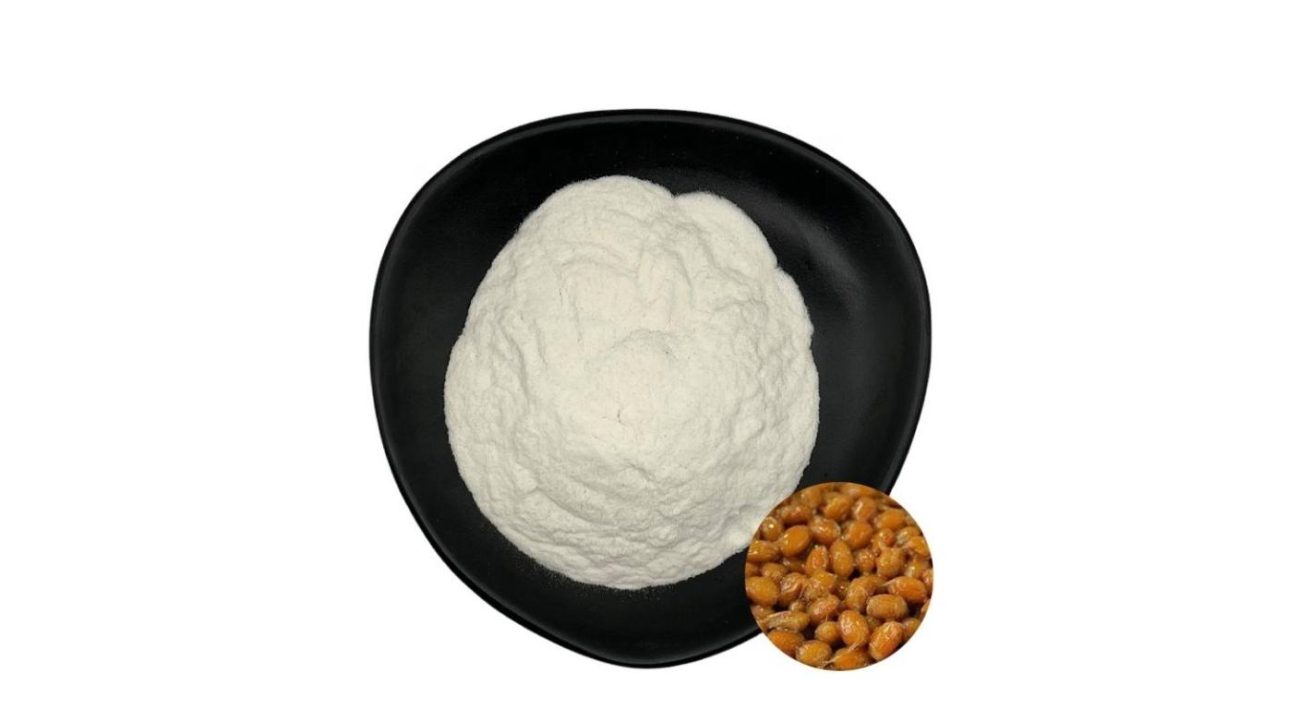
Before comparing prices, read the Activity Figure.
The nattokinase product made by B-Thriving is rated at 20,000 FU/g. FU is a statement of fibrinolytic activity under defined assay conditions and not a percentage purity statement. A purchasing brief should retain the numerical activity and the unit and NOT shorten the requirement to “high strength.”
There’s also a difference between the activity concentration and activity assigned to a completed service. The amount of contribution made by the ingredient will vary according to the amount of powder that is put into the serving and whether activity has been maintained during processing and storage. However, the weight of the powder is not, therefore, sufficient to describe the finished product.
Obtain and compare quotations, based on the same agreed specification. If there is a difference in activity, composition or documentation, a lower price per kg may not be of significant benefit. Before talking about commercial quantities, inquire if it is a minimum specification, a nominal target or a typical result.
The ingredient cost for internal costing is to be calculated based on the ingredients used for the approved formulation, and is to be based on the same assay basis as the formulation. Differentiate this calculation from decisions on consumer use, which must be based on another scientific and market review.
| Ingredient Quantity | Calculation | Theoretical Activity |
| 50 mg | 0.05 g × 20,000 FU/g | 1,000 FU |
| 100 mg | 0.10 g × 20,000 FU/g | 2,000 FU |
| 150 mg | 0.15 g × 20,000 FU/g | 3,000 FU |
Have the Assay included in the Agreement.
The test method is stated on the product page as being an enzymic method. The description gives the overall method for making the comparison, but doesn’t give the entire procedure required for comparing laboratories. Ask for details about the activity observed and its definition.
Inquire about the methods used in the preparation of samples and whether the method is applicable to your final matrix. If the enzyme is used with excipients or recovered from capsules, a test appropriate to the ingredient powder might require further testing. Discuss the approach to be taken in the event of inconclusive or conflicting findings.
- Thriving’s enzyme portfolio serves as a category reference; enzyme units cannot be interchanged between products. Include nattokinase assay, acceptance criteria and basis for reporting in the purchasing specification. This is to avoid the use of a numerical comparison to obscure the difference in methods.
Differentiate Fermentation Origin and Finished Powder Composition
Nattokinase is an enzyme found during the process of fermentation by Bacillus subtilis var. natto. It is not to be confused with whole natto food or with a live bacterial culture. Make sure you know what the commercial powder is made from before creating the ingredient list.
Request information on the fermentation substrate, carriers and any standardizing ingredients. Request documentation for allergens to which the enzyme relates, instead of assuming the enzyme is an allergen. Similarly, vitamin K claims should be substantiated with information about the product, and may not be made from the origin of the fermentation process.
The internet does not offer an entire nattokinase manufacturing process. Accordingly, it is pertinent that specific fermentation conditions and purification steps and drying techniques should be left as supplier’s questions. A comprehensive description of the provided grade is more helpful than a process description that was pieced together from many articles on the same topic or from conflicting products.
Select the Format Prior to Designing the Process.
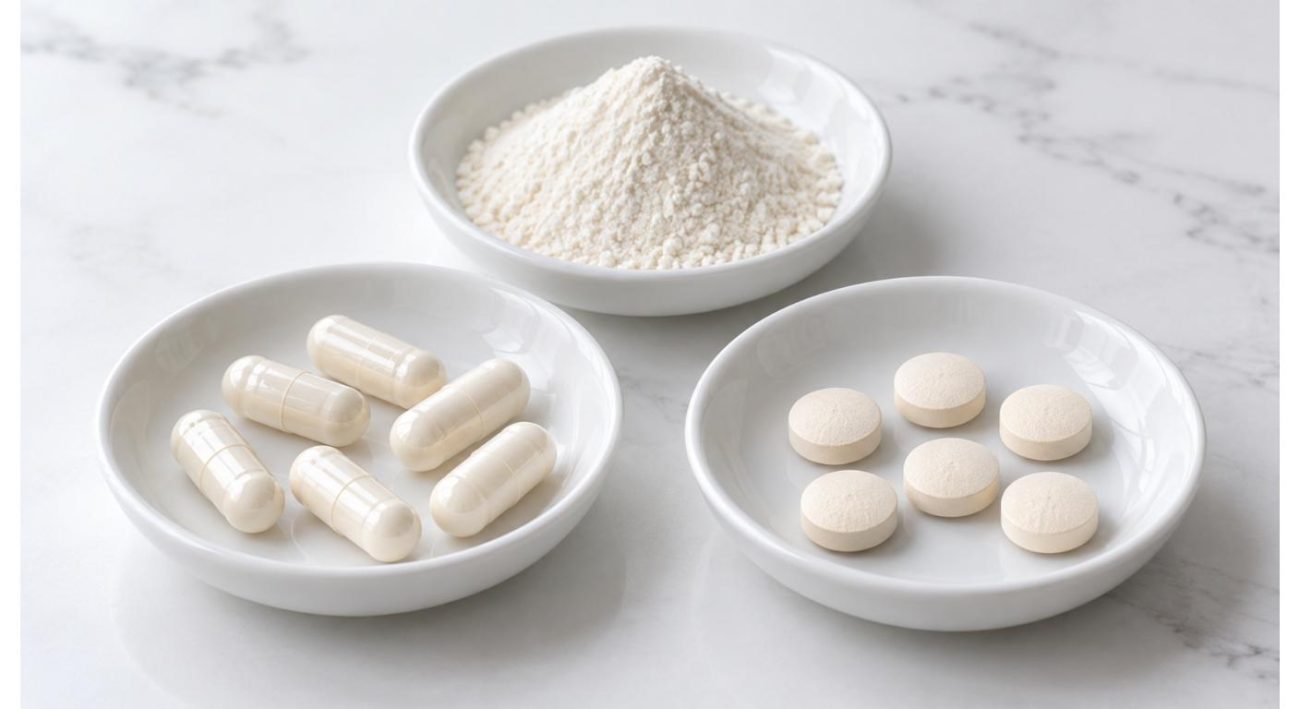
The development concerns of capsules, tablets and powdered blends are different. Begin with the desired format (and serving size and manufacturing process) and then determine what the ingredient will be subjected to. This is more specifically the technical question than asking whether or not nattokinase is a suitable supplement as a whole.
For capsules: evaluate the uniformity of the blend, and the consistency of the filling and activity recovery from filled product. If tablets, make sure to assess any compression and coating processes. Further processing is required to assure performance on the basis of a successful powder blend.
If proposed enteric delivery system, evaluate as a finished formulation. Not everything with an enzyme ingredient has to be enteric protected. Likewise, a sustained release concept, which doesn’t depend on the activity figure of the raw material, needs proof about the release properties of the SR concept.
Identify WHERE activity can be lost.
Draw a mapping of the suggested process prior to the pilot. Determine Heating stages, contact with water, holding times and formulation conditions. These are items to be explored and not justification for imposing universal processing limits in the absence of information for the provided grade.
Collect similar samples at pre and post stages that are likely to impact performance. Record conditions of each sample using agreed analytical approach. An activity result is more valuable if it is associated with a particular processing history.
Do not take a temperature limit from an investigation of another enzyme preparation. Questions can be guided with published research but questions should be asked about the commercial powder and finished matrix. If losses are indicated, try to understand the process or formulation before trying to increase the quantity added.
Differentiate between Ingredient Shelf Life and Product Shelf Life
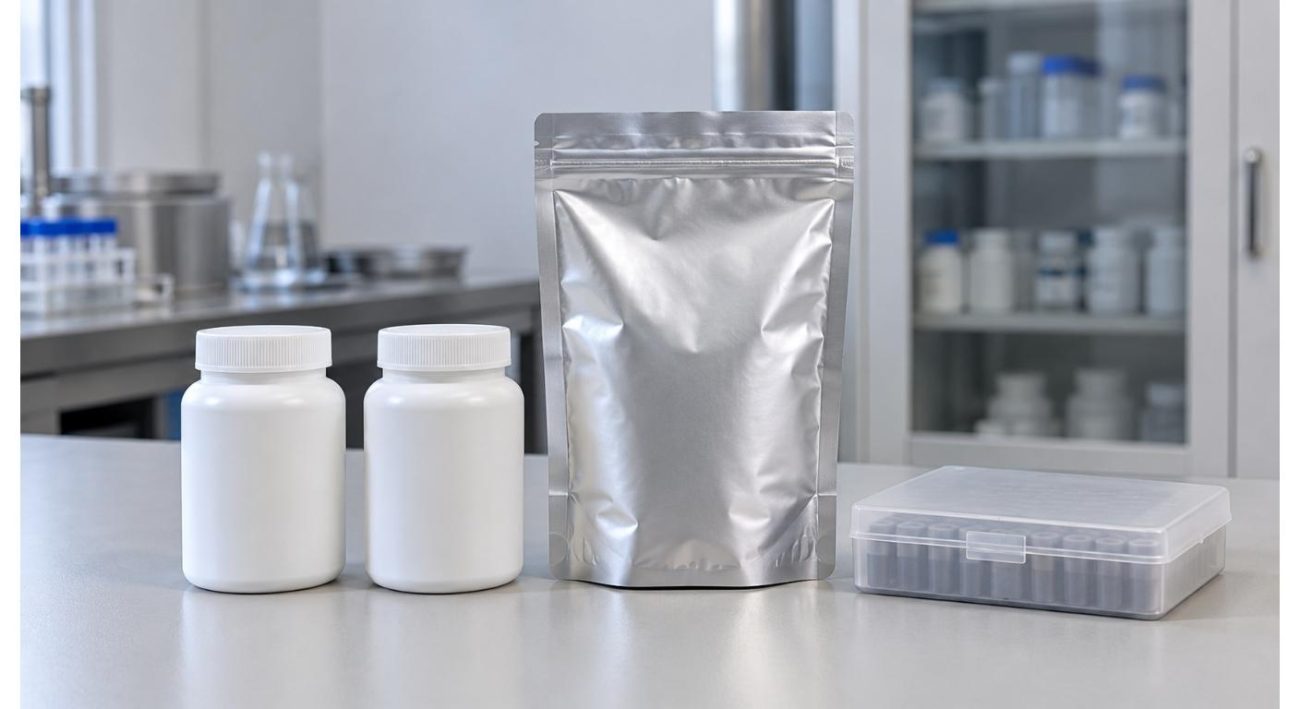
According to B-Thriving, the nattokinase grade has a shelf life of 2 years in a packaging of 1 kg bags. Check with the supplier the storage conditions and packaging specification. The ingredients statement does not provide a 2 year shelf life for a finished capsule or tablet.
Create stability studies on the actual formulation and suggested sales packaging. Evaluate activity during the period planned to store along with other pertinent quality parameters. Packaging decisions should be based on results and not assumed to be equal protection for all sealed bottles.
Take into account the methods of handling and storage in the factory and in the warehouse. Identify and agree on a time frame for how opened bags will be resealed, identified and used. The material should maintain the batch traceability and necessary protection during the weighing and production process.
Make of Technical Review a Useful Supply Brief!
Laboratory testing is an aspect of B-Thriving’s quality approach. Inquire about the documents and results that exist particularly for the grade of nattokinase being reviewed. Get an up-to-date specification and batch certificate of analysis and related composition and quality data.
Use the technical enquiry page to send the supplier the following information: format, activity requirement, usage and manufacturing considerations. Ask for confirmation of the available grade, sample arrangements/commercial terms to this brief. Ensure that the approval of ingredients is linked to the pilot results and agreed assay.
Agree on how a manufacturing location change, change in composition or test method will be communicated. A replacement batch should be traceable to the approved batch and any change of material should lead to a review before the material is used for routine production.
Conclusion
When considering sourcing, it’s best to consider activity, testing and formulation together when it comes to nattokinase. Determine the “message” that the provided powder provides, confirm the procedure to measure the powder and assess the final presentation. Those decisions establish a more solid understanding of purchasing than a high activity headline or an attractive kilogram price on their own.
FAQs
Q1. Does 20,000 FU/g mean 20,000 FU in each capsule?
No. Measures how active the ingredients are per gram. The amount of capsule activity will be based on the number of capsules used and the level of activity that is retained.
Q2. Is nattokinase powder really natto?
Natto is a fermented food and the provided ingredient has to be specified its composition and activity.
Q3. Does the raw powder automatically become enteric protected?
No. There needs to be a separately designed and verified delivery system for enteric protection.
Q4. Are there alternatives to finished product testing, such as ingredient certificates?
No. additional variables are introduced as part of processing and formulation, which are not part of the evaluation of the raw material certificate.
Q5. Will the shelf life of the ingredient be applicable to finished supplements?
No. Use actual shelf life data from the formulation, package and supporting stability data to establish finished product shelf life.

