

A change in litter or feeding practice, or a ventilation change can make a poultry house smell different. That means that yucca extract is one of the ingredients which must be clearly defined and evaluated, as opposed to just being approved because a supplier has a deodorisation headline.
The most important consideration for a feed formulator or a livestock project buyer is whether a desired extract provides a useful outcome in a proposed feeding and management system. Pursue a measurable goal first and then relate the grade purchased to a controlled trial. This way the technical approval and commercial comparisons are more significant.
Determine the Deodorization you desire for your project
An odor complaint, an ammonia reading and an emission estimate are different terms. When buying yucca extract, determine the project’s outcome that it is going to measure. Just a vague remark that the building “smells better” is not sufficient to prove a reduction in ammonia emissions.
If the concentration of ammonia is of interest, specify sampling locations, sampling measurement height and time. When the emissions are the goal, concentration alone will not suffice – airflow must be considered as well. Separate subjective observations of odours and the instrument readings to ensure that the conclusion is consistent with the observation.
Also state the purpose of the operation. Commit to a person or people to see the results and what could be used as a reason not to treat before the project even starts.
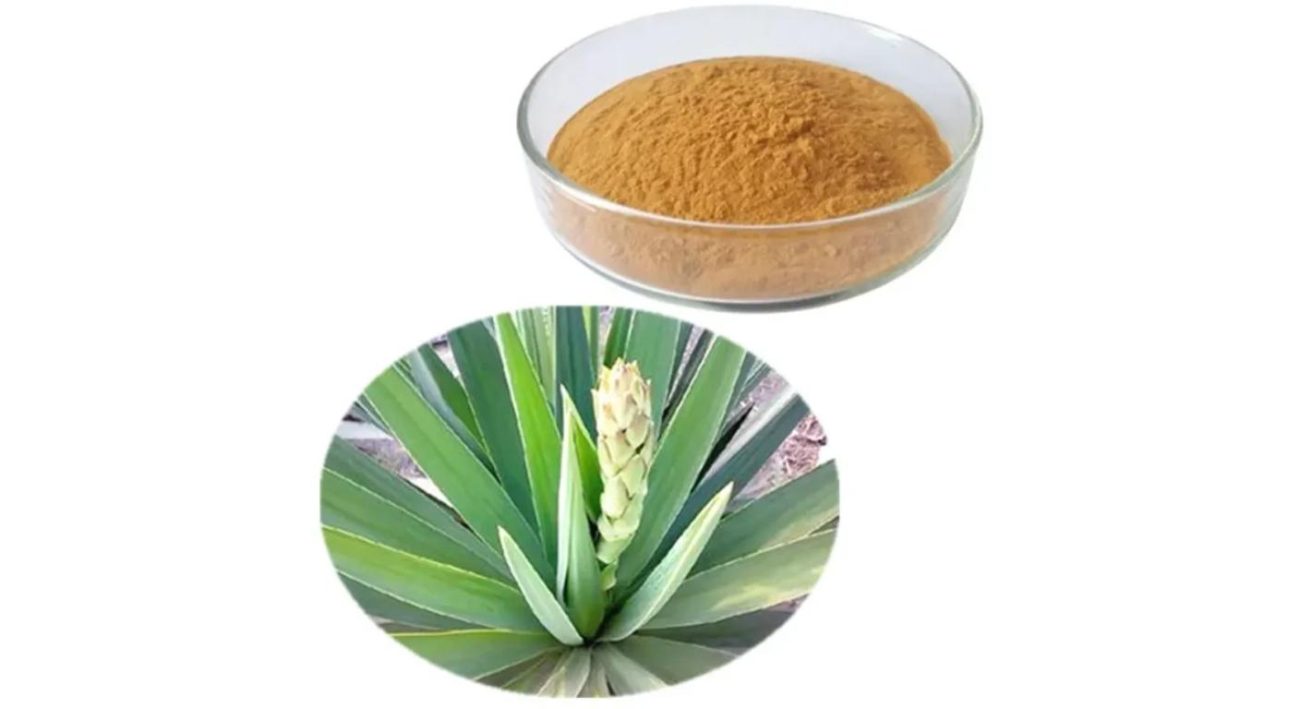
Match the extract from the trial to the actual.
B-Thriving’s Yucca Extract page links to Yucca schidigera, has the leaf indicated as the part used and states that yucca saponins are present at 60% by UV testing. These details must be included with the sample request/trial record, not just on the quotation.
Never use a whole plant powder, a plant part or lower concentration preparation without consulting the protocol. If a commercial yucca product is used in research, it can be used as a guide to developing a question, however, the percentage from the research cannot be carried over to this grade.
Inquire about what percentage of saponin the sample is being reported and the analytical specification. Verify calculation basis, method reference and full composition (carriers). It is important to note that extract ratio is not the same as measured saponin content since it’s another attribute of the extract.
Before selecting an inclusion level, be sure to confirm the suitability of the feed.
Livestock and poultry feed is covered under the applications on the website. For a specific project, check that the provided grade and supporting documentation is in line with the project’s species and feed category and destination market. A general application will not be sufficient to answer those product-specific questions.
Determine the inclusion levels for the trial by a qualified animal nutrition professional with the actual extract information. Please, do not use the 60% figure alone to give a feeding instruction. When planning a diet and the group of animals, the ingredients and supporting evidence should be taken into account.
B-Thriving adds the product to its botanical ingredient line. That catalogue position is helpful to locate the material but does not take the place of feed documentation. Before taking a lab sample into an animal trial, request the following: relevant quality limits and contaminant results and traceability information.
Do not change the Feed Delivery Route
Things can get tricky when the ingredient isn’t evenly distributed in a trial. Review weighing accuracy, the blending sequence and the proposed incorporation method. If a preliminary blend is required document the making of that blend, do not add a small amount without considering distribution.
Make use of representative samples for finished feed evaluation. Colour cannot be used as a good alternative to a proper validated evaluation of the mixing performance, especially when the size of the extract in the ration is small. Retention of inclusion calculations/batch quantities for review.
If the feed will be conditioned (pelleted or otherwise processed), then consider the desired path. A validated processing tolerance for the public product page is not available, nor is a full extraction and drying flow. Ask for relevant supplier details, don’t assume all yucca preparations are the same.
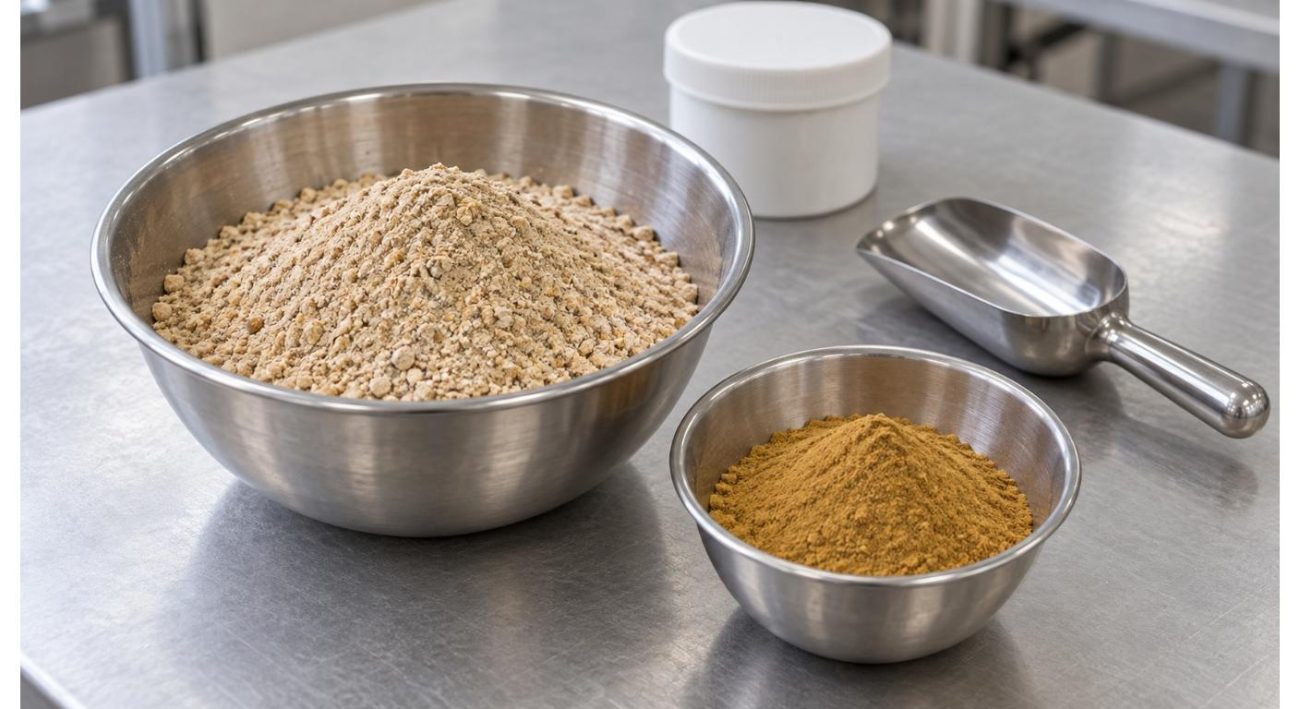
Create and format a Comparison Around Farm Conditions Design.
Use treated vs untreated groups in a protocol that considers the housing system. Write the basal food, age of the animals, stocking and management program. Utilize appropriate replication and professional trial design to avoid having one extremely wet pen deciding the outcome of the trial.
Special attention should be given to ventilation, litter moisture and litter temperature. These changes, in turn, can change the environment being measured and make the interpretation difficult. Write them down with the observations and not try to re-create the situation at the end of the trial.
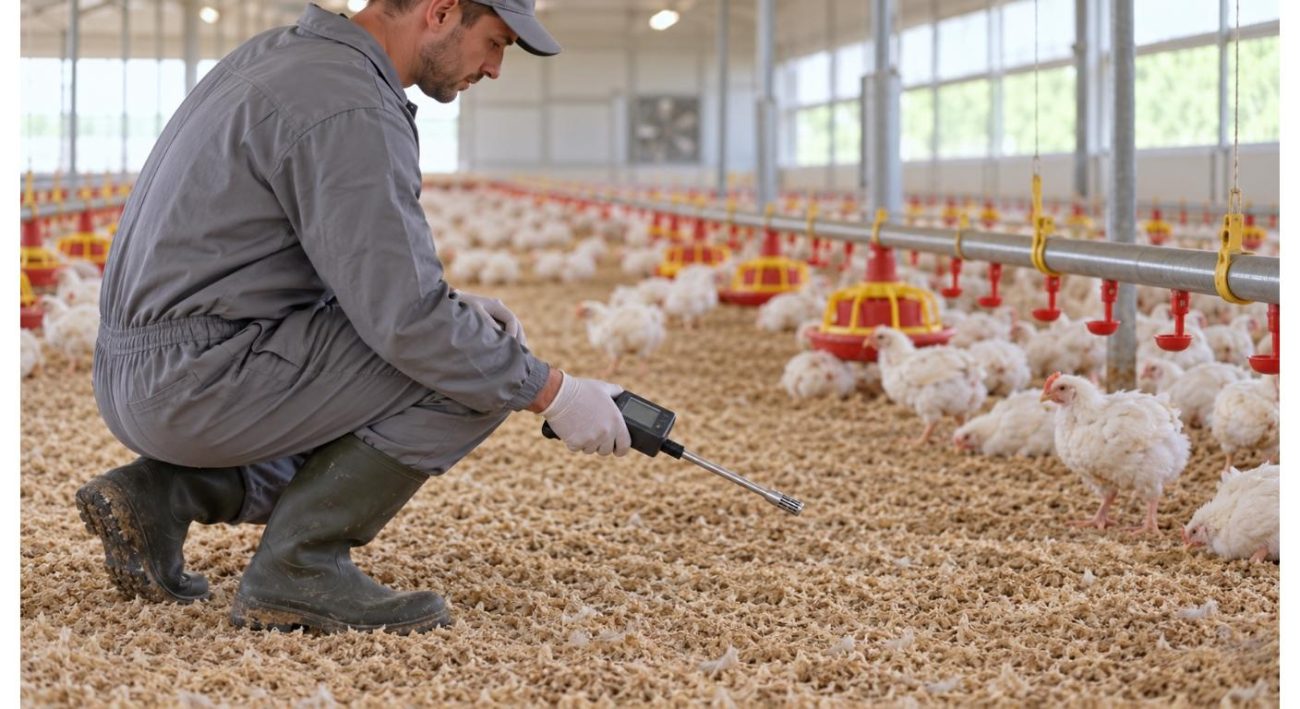
Apply the same sampling method and sample schedule to groups. Where design permits, make measurements to get base line values, and make measurements over a period of time of interest. One positive read should be used to further assess the child and not as the basis for a permanent product claim.
| Trial Stage | Monitoring Action | Record to Retain |
| Before treatment | Establish baseline conditions | Baseline measurement sheet |
| Each feed batch | Confirm inclusion and mixing records | Feed batch record |
| Scheduled monitoring | Repeat measurements at fixed locations | Instrument and location log |
| Management change | Record ventilation or litter adjustments | Dated change record |
| Trial completion | Review repeated results and costs | Technical evaluation report |
Read and analyze information that goes beyond the text’s main focus.
A feeding programme should always be compatible with an odor management project. Monitor feed intake and production observations related to the trial with the trial team. The presence of a desirable environmental reading does not, in itself, indicate that the ingredient is suitable for a routine use.
Maintain the economic assessment in relation to the evidence produced. Evaluate the use of ingredients and handling requirements and the extra processing costs versus the actual result. Don’t credit a trial with an assumed increase in immunity, reproduction or feed efficiency with a monetary value.
Similarly, avoid referring to a botanical ingredient as a substitute for veterinary medicines. Ensure that the project remains within the scope of the specific nutritional and management goals and claims are confined to the available evidence for the product and situation being addressed.
Do not combine Feed Findings with Cleansing Applications.
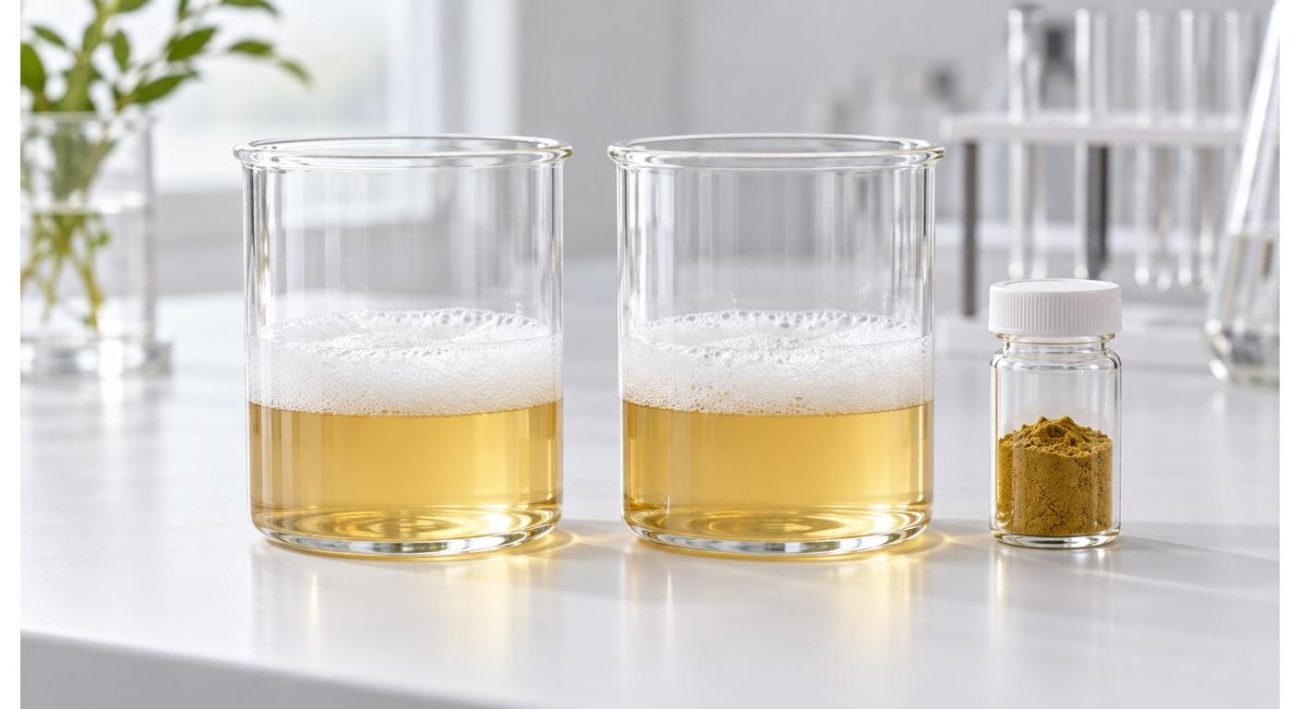
B-Thriving also includes the following as examples of the use of yucca extract: shampoos, liquid cleaning products and soaps. Those uses call for other evaluations. Cleansing performance can be established only from a feed trial and an effect on animal housing conditions can be demonstrated only from a foam demonstration.
Consider compatibility of actual formulation including appearance, foam behaviour, rinsing and stability in a cleanser project. Verify that there is documentation required for that intended use. The requirements of feed, cosmetics and cleaning products cannot be exchanged for the simple reason that they share the same botanical identity.
Make a supplication decision for the repeat of the Trial.
Within its quality approach B-Thriving mentions laboratory testing. Ask for the latest specification, and batch certificate of analysis, for the specific grade of yucca that has been tested. Keep a sample of the feed for verification and link the supplier batch number to the trial feed and results.
25 kg drum packaging and a shelf life of 3 years is mentioned in the product page. Verify storage guidelines and procedures. These ingredient details are not a measure of the storage life of a finished feed or a premix, that contains the extract.
Inquiring with the technical enquiry team on the use of intended species, feed process, evaluation objective and intended use. A brief that is focused can help to verify sample suitability and allow for comparing supply proposals based on the same requirements.
Conclusion
An evaluation of the use of yucca extract should relate a specific ingredient to a specific effect. Verify the grade and set up an adequate feeding program and record performance under conditions. That provides buyers with a better foundation for buying, rather than seeing a claim of deodorization and the saponin content as definitive.
FAQs
Q1. Is yucca extract the same as whole yucca powder?
No. Check plant part, composition and specification prior to comparing products or trial results.
Q2. Is the inclusion rate of the feed dependent on 60% saponins?
No. Levels of inclusion should be determined by a qualified nutrition professional for the specific grade and use.
Q3. Is there a correlation between reduced smell and reduced ammonia emissions?
No. Odor and NH3 concentration and emissions need to be measured separately and reported separately.
Q4. Does a foam test tell you about the feed performance?
No. Foam behavior is an application that is associated with something else other than a feeding trial, and it is not a substitute for a proper feeding trial.
Q5. Is there any pelleted feed that the powder can be added to?
Test for suitability and assess the proposed processing conditions. A universal pelleting tolerance is not published on the website.

