
Lemon balm extract tends to be very common in a development brief via the well known concept – a botanical ingredient for a relaxation supplement. The challenge starts once that idea needs to be transformed into a tangible powder, the serving size and the claim the final product will be able to make.
The most helpful question for supplement manufacturers and brands is not just whether or not to include lemon balm in their formulation. What preparation is involved with the concept and what information is still necessary for approval. The listed grade is a starting point for that decision, offered by B-Thriving.
Convert Purchasing Identity with Common Name
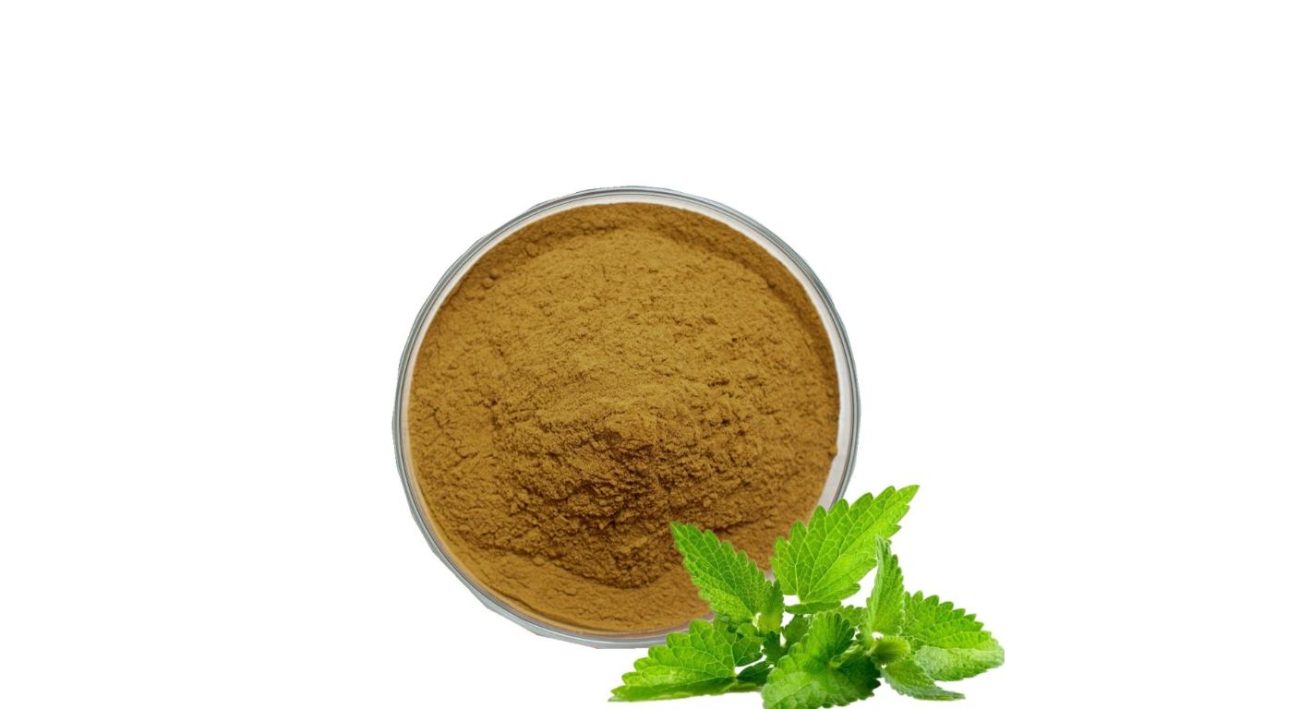
Lemon balm is Melissa officinalis L. B-Thriving markets Melissa Officinalis Extract with the plant part being the leaf; the appearance is described as a yellow-brown powder. Include both names on the development brief, so that marketing and procurement are talking about the same things.
Maintain plant specific term. General description of the lemon balm preparation may indicate that it contains extra aerial parts, but the supplier’s specification will specify leaf. If there is a difference between a descriptive paragraph and the specification, ask the supplier to correct the specification prior to completing the ingredient record.
Lemon fruit and other lemon-scented plants should also be avoided. Smell or picture of a leaf is not sufficient for identification. A botanical name and supporting identification documents are a more reliable reference.
See the Leaves Unanswered with the 10:1 Ratio listed
The extract that has been published is at a ratio of 10:1. Ask the supplier what this ratio is, what it is based on (what is the starting material?), and if it is native extract or the supplied preparation. Two seemingly similar ratios can be used for two different commercial materials.
A ratio does not indicate a percent of rosmarinic acid. The formulation brief should not include a numerical rosmarinic acid standard as this is not included on the product page. For a marker requirement, if any, find out if a grade and quantitative documentation is available.
Similarly 10:1 is not 10 times the clinical activity of the leaf powder. Extraction varies the preparation and the composition of the product is not only determined by the ratio. Use the word concentration without making statements about effectiveness or equal to an ingredient studied.
Select Product Promise over Add Companion Ingredients
The relaxation concept for the daytime product can be the same as that of an evening product, yet finished product briefs may be different. Determine who the user will be, how and where the lemon balm will be used before putting it together with other components. This will provide the development team with a purpose for each component.
In terms of the idea for an evening product, consider if it’s a one botanical product or a combination formula. For position during the day, specify the evidence required for any claim of alertness and/or use during the day. When using “calming” do not presume it sets up drowsiness or lack of it.
At preparation level review the evidence. Any research that is conducted with a named extract, combination or serving amount should not be used to substantiate any lemon balm powder. Check the ingredient against the information found to see if the ingredient is similar or different to the material studied; before creating the product story, ensure the information is accurate.
| Decision Point | Entry to Complete | Responsible Team |
| Intended positioning | Daytime / evening / other concept | Brand team |
| Formula direction | Single botanical / combination | Product development |
| Preparation reference | Supplier grade and specification revision | Procurement |
| Evidence reference | Reviewed preparation and supporting documents | Scientific team |
| Approved prototype | Formula version and sample reference | Formulation team |
Do not mix the Powder Extract with Essential Oil.
This is a listed grade that is supplied as a powder by B-Thriving. The descriptive page lists some general extraction methods, but does not define one definite manufacturing process for the commercial 10:1 grade. Inquire about the type of extraction solvent and any other processes that are involved for the material being quoted.
Don’t refer to the powder as “steam-distilled essential oil” and don’t assume that it has the same aromatic profile. An essential oil, tincture and dried extract are all different preparations. The composition and formulation should be dealt with separately, as they are practical components.
This difference also applies for approving a sensory brief. Even though the leaves of lemon balm are aromatic, do not guarantee a strong lemon fragrance. Determine the quality of a sample provided based on its own scent, flavor and hue, and not a generic description of botany.
Allow Serving Format to show the Development Work.
Although taste cannot be the consumer experience of a capsule, it can still house a botanical powder that exhibits the appropriate filling behavior and consistency. Evaluate the fill weight, excipients and capsule size as a whole and not the quantity of the excipients alone.
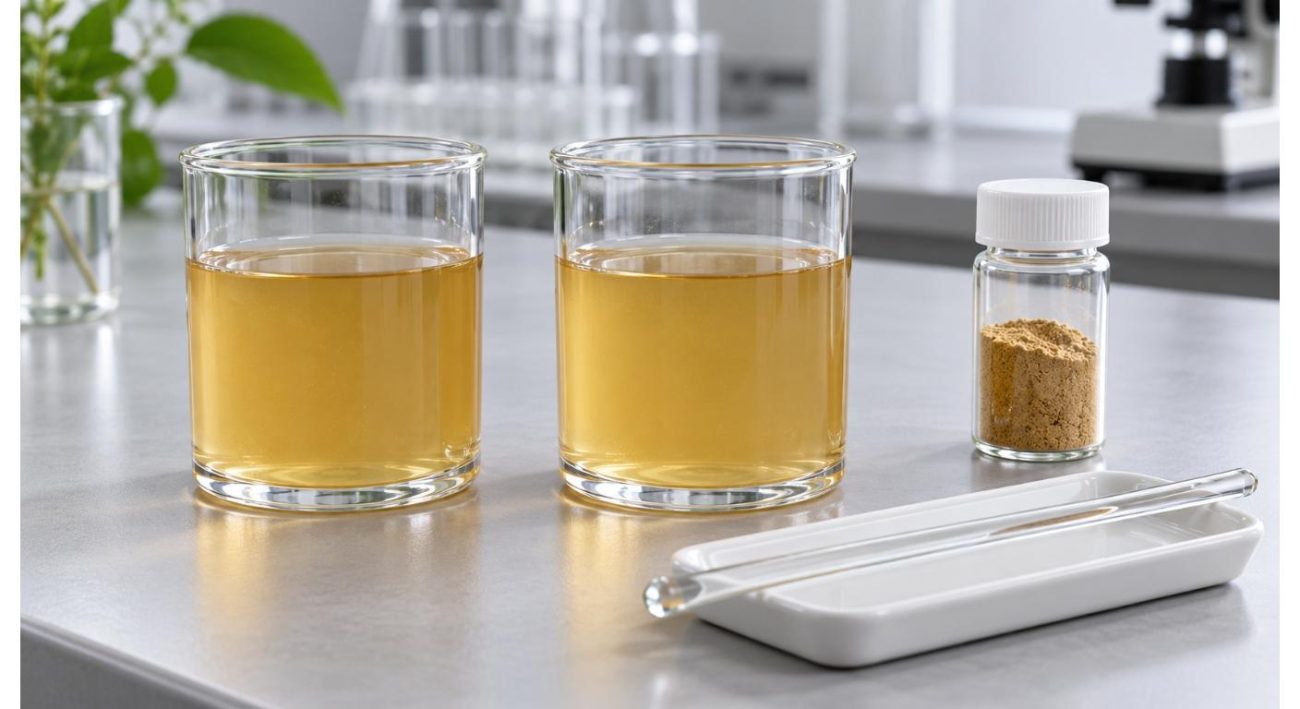
For the flavored powder or liquid idea, more focus is on the taste, appearance and dispersion. Check the actual extract in proposed base. The list of applications on the website does not imply full solubility, transparency of the drink or a specific taste for this grade.
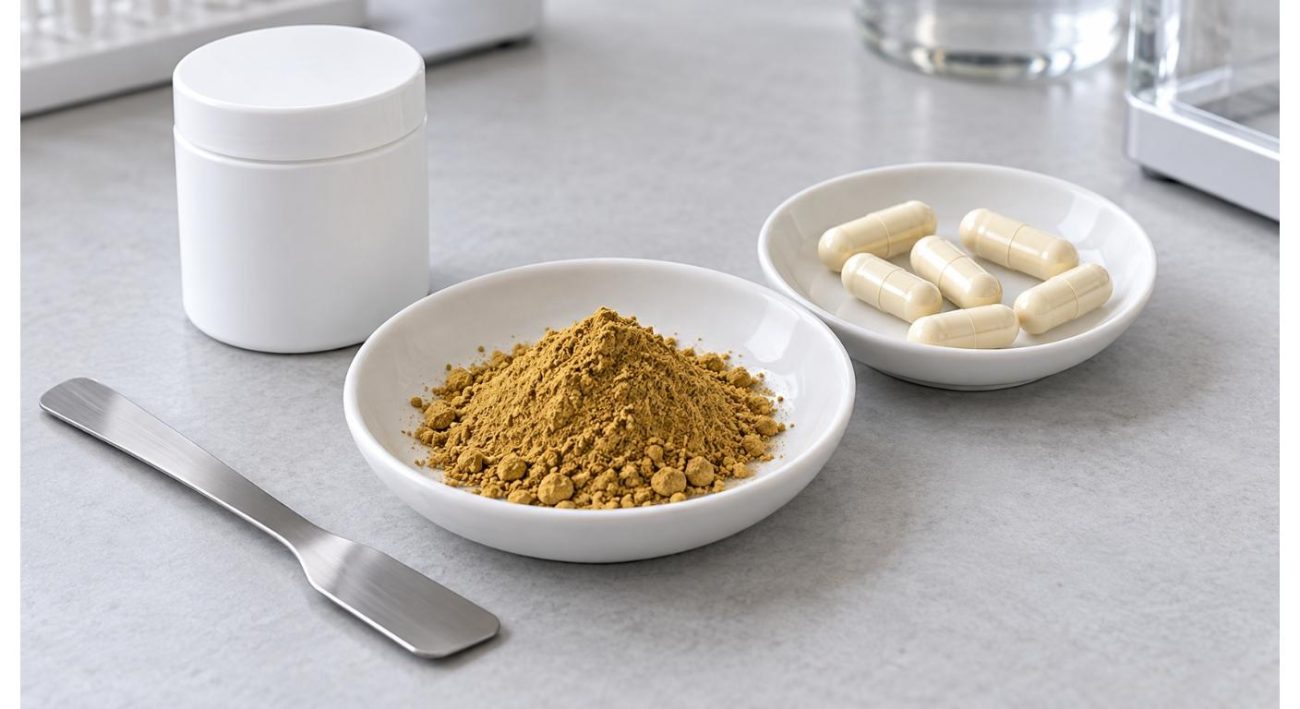
If a combination product, then consider the whole mixture after considering the individual ingredients. Only in the final matrix changes in flavor balance, moisture behavior/appearance can be seen. Write the formula and method used that was successful, so that other samples may be compared fairly.
Use TLC for the purpose it is designed to do: Quality
TLC—thin-layer chromatography is the test method listed on B-Thriving. Explain how and under what conditions the given extract can be identified. Use of an identity test and a quantitative marker assay should be used to ask different questions and should not be used interchangably.
This helps identify this herb extract in the supplier’s herb extract range. But there is no same analysis package across products by means of the category membership. Ask for current specification and batch certificate of analysis of the specific grade of lemon balm.
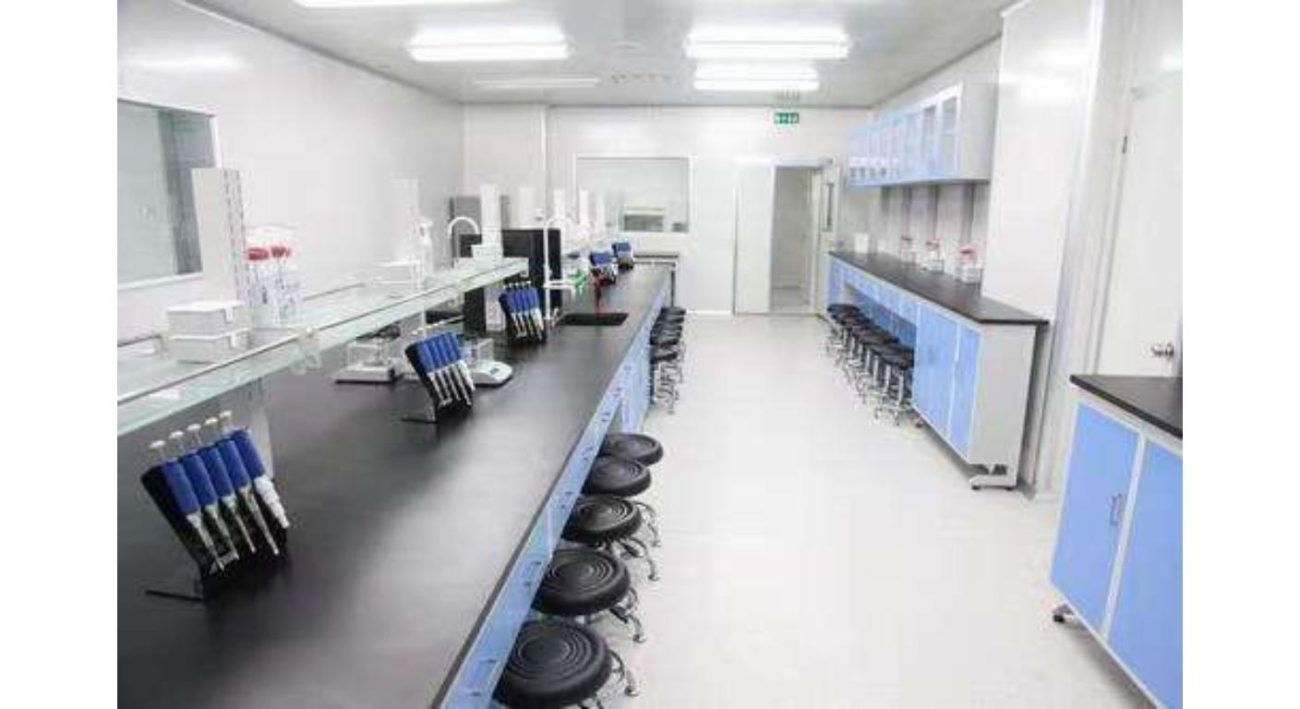
As part of its quality approach, B-Thriving has laboratory testing. Confirm with this discussion relevant quality limits, composition, microbiological results and any documentation regarding solvents. Match the desired information to the actual preparation and do not take a checklist of a preparation from essential oils or another botanical extract.
Use the Approved Preparation as a model to make the Commercial Brief.
The website contains information about packaging size (25kg drum) and shelf life (3 years). Verify storage conditions, packaging information and arrangements for packages which have been opened. The shelf life of the raw ingredient should not be carried over to a finished capsule, blend or liquid product.
Test the chosen formula in the expected sales package, include stability and finished product quality testing. Maintain approved ingredient specification and keep it in conjunction with these records. If a change of either the extract composition or method of manufacture is made, it may be necessary to review even if the common name is not changed.
Give the technical enquiry team a memo that briefly details the proposed format, the ingredients and their definition and documentation requirements. Offer anticipated use and when projects are to be anticipated, if the preparation is sufficiently clear for similar commercial offers.
Conclusion
When botanical identity, extraction ratio and product positioning are maintained, it is easier to choose between lemon balm extracts. Use the preparation listed and work out what the specification does not specify and test the chosen format. That provides a more solid basis for development than just the recognition or reputation of the plant.
FAQs
Q1. What’s the difference between lemon balm extract and Melissa officinalis extract?
The names are the same whatever botanic origin they come from. Always check plant part and preparation as commercial preparations can vary.
Q2. Is the ratio 10:1 a statement of how much rosmarinic acid is in it?
No. A numerical marker content needs to be specified separately and an appropriate quantitative test.
Q3. Is this powder an essential oil?
No. The yellow-brown powder listed is a product of extraction: check with supplier.
Q4. Is there a marker percentage at TLC?
Not by itself. Inquire about identification and quantitative methods that can be used with the given grade.
Q5. Does the powder dissolve to make a drinkable clear liquid?
That doesn’t mean that the product page has determined it. Test dispersion and appearance/stability in the beverage base of choice.

