

It’s not difficult to know what an anserine ingredient is by name, but it’s not all that hard to mispronounce by weight. A formulation that specifies a given amount of anserine does not necessarily specify a given amount of commercial powder. This difference is critical if the grade provided has 5% anserine.
The first task for supplement developers and functional food manufacturers will thus be a mass balance. Determine the contribution of the powder, the other components included and whether the amount of the powder is suitable for the product. Those answers provide a good starting point to assess samples and offers from the market.
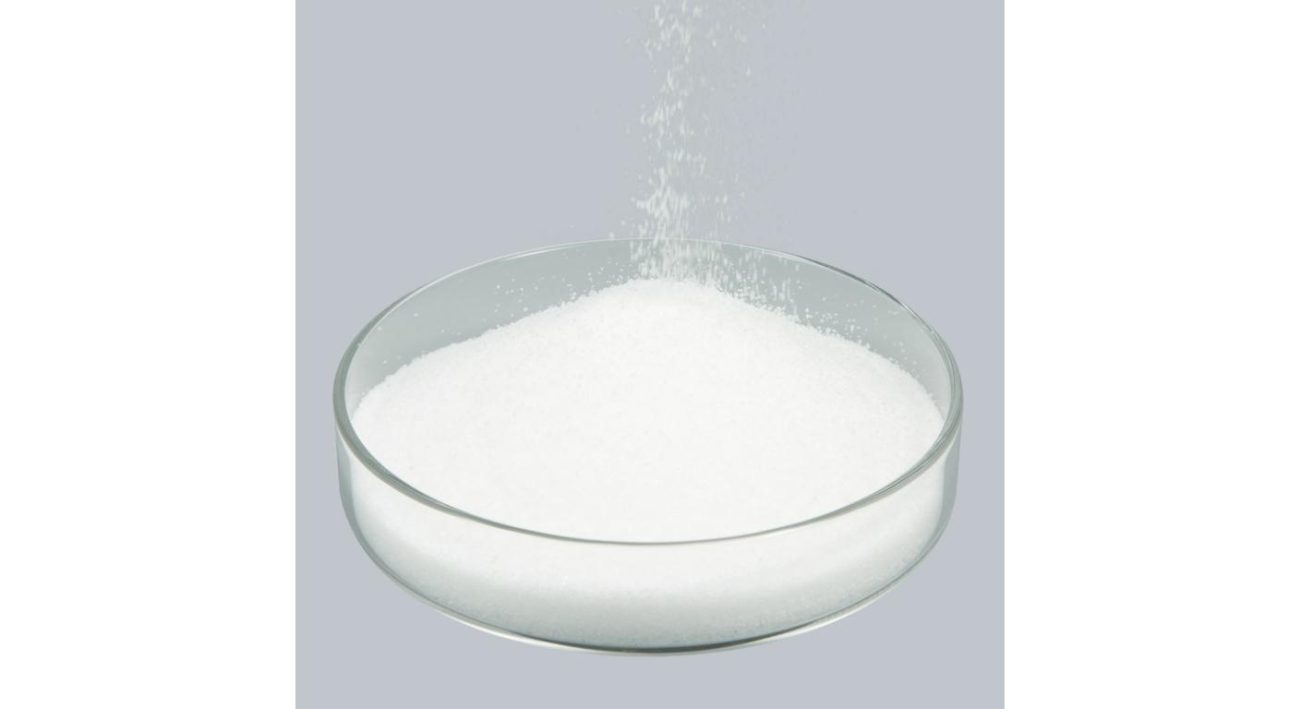
Use the Published 5% Grade to begin.
The B-Thriving product details anserine content as 5%, HPLC as test method and white powder as appearance. The specification should be kept with the ingredient name throughout the process of development. Otherwise, a brief can easily go from a formulated preparation to an assumption of high purity material.
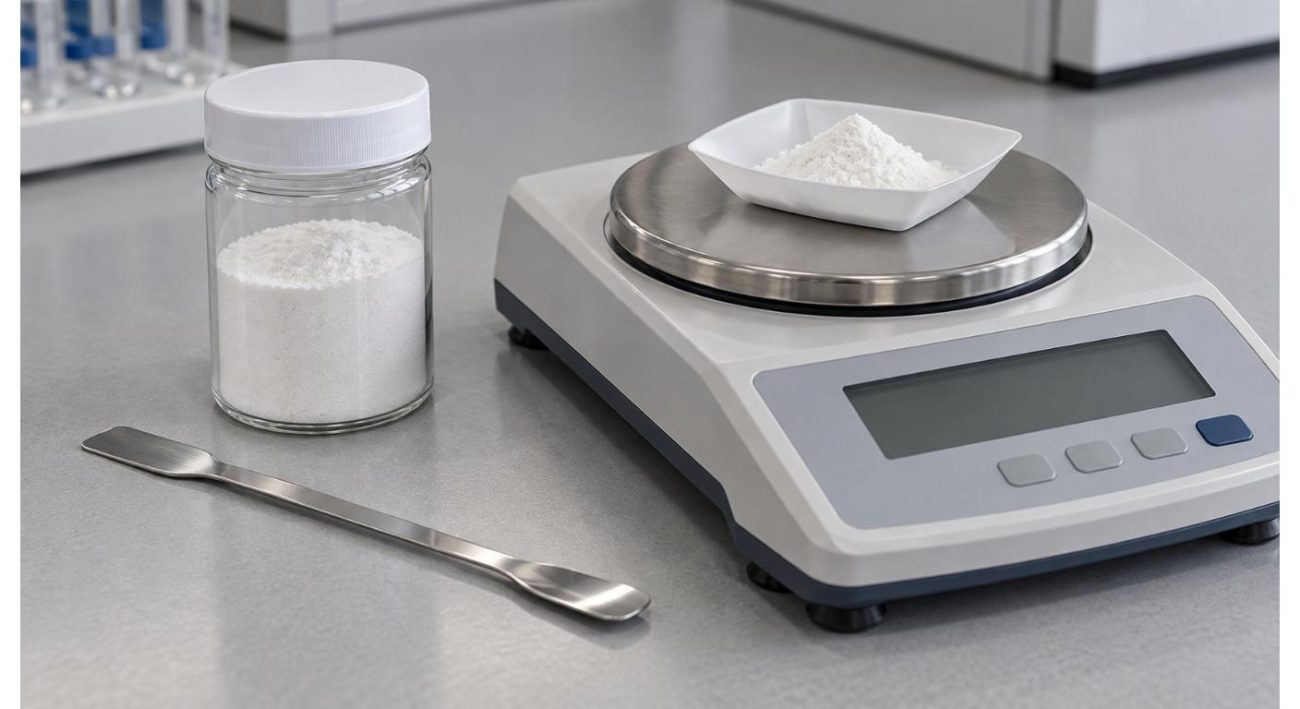
As a rule, for preliminary calculations, a powder that has 5% anserine by weight adds 1/20th of the weight of the powder as anserine. Be sure to check with the supplier what the reporting basis is and what will be accepted before using that calculation for production. There is a difference between the nominal value and the batch assay result.
Record quantity of ingredients and quantity of anserine in separate fields in formulation record. This simplifies reviewing serving size, batch requirements and purchasing costs without the confusion of the amount of commercial powder vs the amount of the named peptide.
| Commercial Powder Quantity | Calculation | Theoretical Anserine Contribution |
| 1 g | 1,000 mg × 5% | 50 mg |
| 2 g | 2,000 mg × 5% | 100 mg |
| 4 g | 4,000 mg × 5% | 200 mg |
Recognise the remainder of the preparation.
The 5% declaration doesn’t give out the majority of the ingredients on the public product page. Never presume that the rest is a specific carrier, protein fraction or other peptide. Ask for a full composition statement for the commercial grade of offered.
That information does more than just impact the ingredient listing. Other constituents may affect taste, ease of handling, dissolution characteristics and compatibility with other ingredients. Test the entire preparation prior to making a decision on how it will work in a capsule, sachet or liquid.
Inquire about the presence of carnosine and, if it’s present, how it is measured. When purchasing, a total peptide figure is not a valid way of specifying anserine when carnosine is included. The analytical record should specify what the percentage is a measure of.
When getting email addresses, verify origin without assuming it is the sender.
Anserine is a naturally occurring dipeptide which occurs in animal tissues, but this does not specify the source of a supplier’s commercial product. It is not possible to state a specific animal species, extraction source or production route with the product name.
Ask for the appropriate sources and making statement before making dietary positioning choices. Solve fish, poultry, vegetarian or religious certification/allergen issues if a project contains fish, poultry, vegetarian, or religious certification/allergen requirements. Don’t depict an unconfirmed origin as if it were confirmed.
This site only gives a description of anserine in general, but not an entire process for this preparation. Extraction, synthesis, fermentation, purification and drying information should therefore be confirmed and not pieced together into a story for manufacturing from disjointed industry information.
Determine if there is sufficient space in the Serving Format.
After composition knowledge, check if there is sufficient serving capacity for the required composition of ingredients. Other actives and excipients (as may be required) must also occupy space in a capsule formula. The powder weight should be considered in conjunction with bulk density and practical filling behaviour.
A sachet or food format is going to give an extra level of physical room, but brings up other questions. Judging taste, texture and quantity of “extra” material added by the preparation. The anserine in the formula is only part of the recipe, so increasing the amount of powder affects the entire recipe.
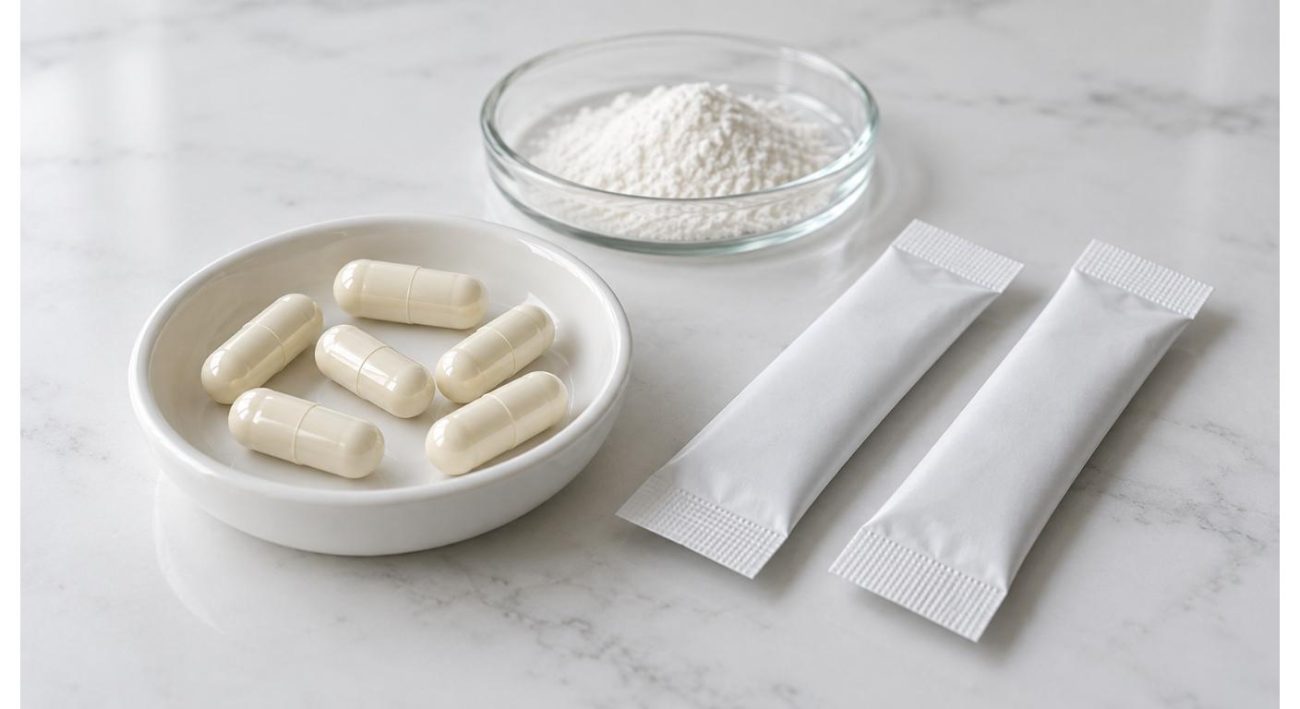
Test the actual grade in the base and process for a beverage concept. White helps to make a clear solution and acceptable taste. Do not assume that the ingredient name will predict dispersion, sediment/storing behavior.
Read Research (Preparation Level)
Anserine is found in nutritional applications studies, such as the use of mixtures with carnosine. In such studies, it is important to have preparation details. Before discussing findings in relation to another product, a combination formula, its ratio of parts and the study population must be taken into consideration.
Never use results of a studied mixture to extrapolate to a 5% commercial powder. Initially compare identity, composition and the amount of the respective components. When there are significant differences between the test material and proposed formulation, a matching ingredient name is not enough.
B-Thriving mentions nutraceutical, sports nutrition and skin care uses of anserine. Consider these as development directions, which need separate evidence and consideration for suitability. Before building a product claim, choose one intended use, such as a cosmetic or an ingestible nutrition product, since there are differences in the work that you need to do.
Apply HPLC to respond to a particular purchasing question.
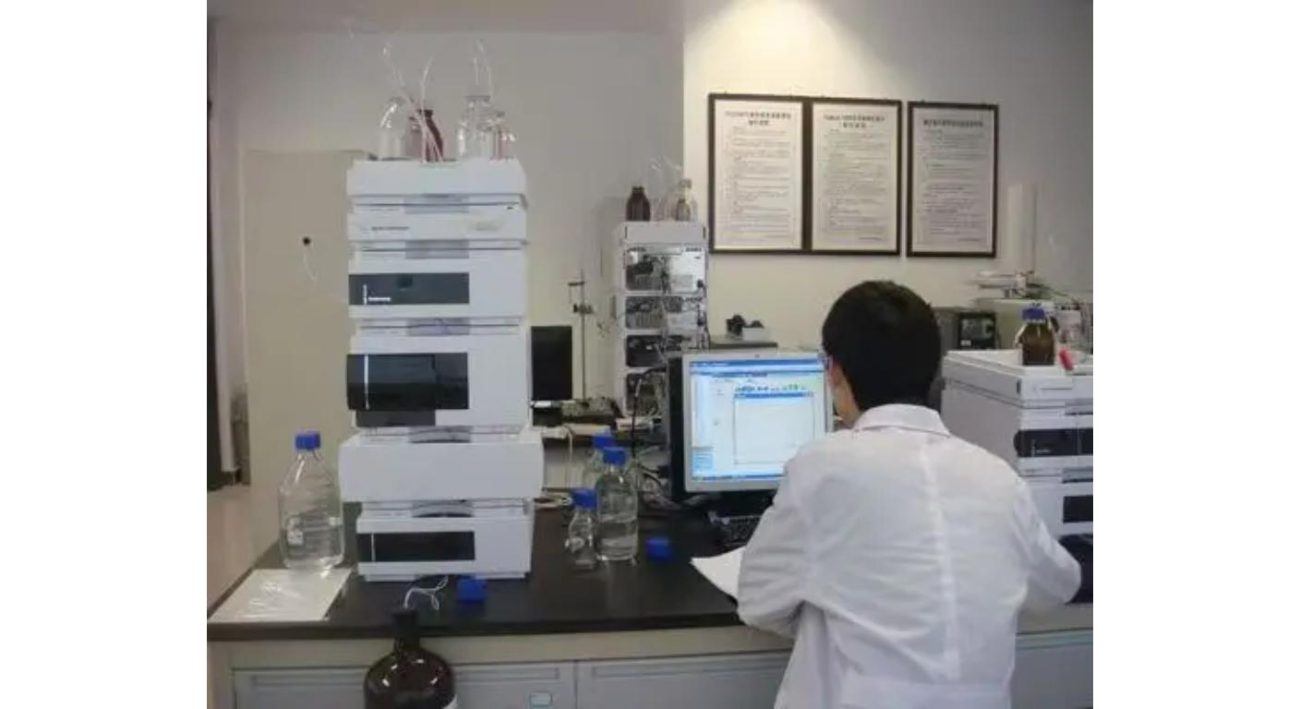
The HPLC method listed is intended to be used as a starting point for an analytical discussion. Seek an explanation for how the method is performed, basis and specification of anserine content. Check whether the percentage reported is a mass assay or another way of reporting the chromatography before calculating ingredient contribution.
If there are related compounds, explain how the method is able to separate anserine from these compounds. A general chromatogram or an undefined percentage of the peak should never be considered as a complete composition statement. Discuss the evaluation of batch results against specification agreed.
Thriving is part of its quality approach when testing in its lab. Ask for the batch certificate of analysis and other supporting quality documents for the preparation offered. Make sure the analytical review corresponds to the source declaration/composition information and they provide information on the same material.
Use the Finished Formula to compare with the Commercial Offers
Consider price based on the agreed content basis and usable formulation, not powder price. A lower kg price may involve a different quantity of the ingredient, a different capacity of serving or add more development work. Before choosing an offer, make sure to compare the practical implications.
The website provides 1 kg bag packaging, and a shelf life of 2 years. Verify storage requirements, packaging structure and handling of opened packaging material. The details of these raw ingredients do not determine the shelf-life of the final supplement or drink.
If you make contact with the technical enquiry team, please give the format you are planning on using as well as composition requirements and estimated use of ingredients. Check the availability of the grade and documentation prior to drafting the purchase brief. Keep the approved sample and specification as references for the future deliveries.
Determine the method of communicating changes in composition, source or analytical method. When reordering material, check for changes in the material and review any associated changes in the application, especially if an application was successful with a previous version of the material.
Conclusion
The first step in sourcing anserine is to know what is in the powder being purchased. Grade 5% is composition and serving size are issues. Link those choices to an appropriate assay, proven provenance and realistic application testing and compare supply offers with the formula that the business actually wants to produce.
FAQs
Q1. Hence how much anserine is in 100 mg of this powder?
No. Anserine in powder at 5% by weight would mean 5mg of anserine per 100mg of powder.
Q2. Does it say a goose in the name?
No. Ask for a source declaration for the grade provided, don’t assume a source based on the name.
Q3. Can anserine be used to replace carnosine?
No. Specify and calculate with different identities and quantities separately.
Q4. Does HPLC automatically make a full composition?
No – verify the assay definition and get independent details of the other components of the preparation.
Q5. Will this grade be acceptable in a clear beverage?
That means that application testing is needed. Check for all ingredients and assess the actual formulation of the beverage.

