
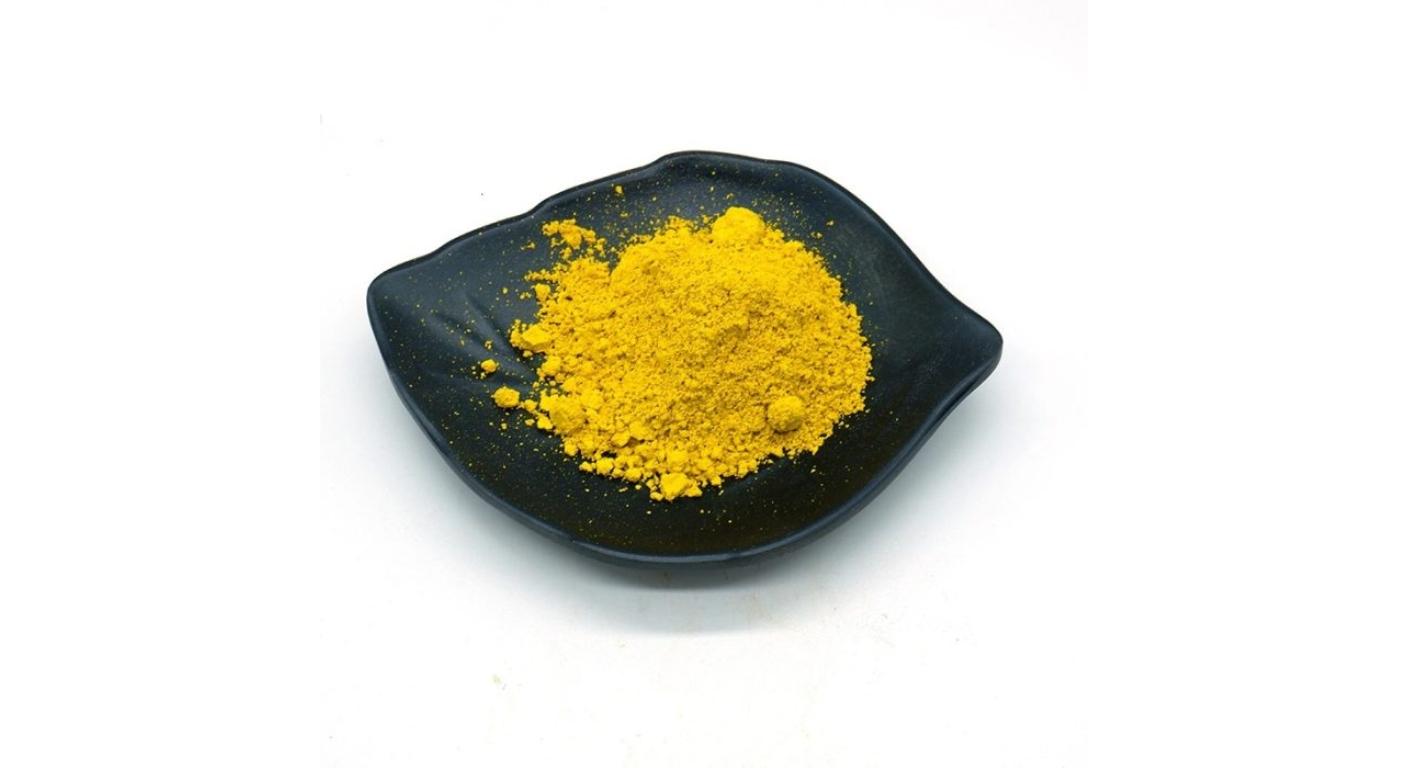
Often the simplest aspect of the ingredient sourcing process is obtaining a good sample.
Three months later, the more challenging question.
Will the initial production drum still be the drum that your R&D team agreed to? Will the next delivery be of the same specification? Can the supplier explain something unusual in a timely manner, if QA discovers such?
This is a better way to determine a Smoke Tree Extract Supplier.
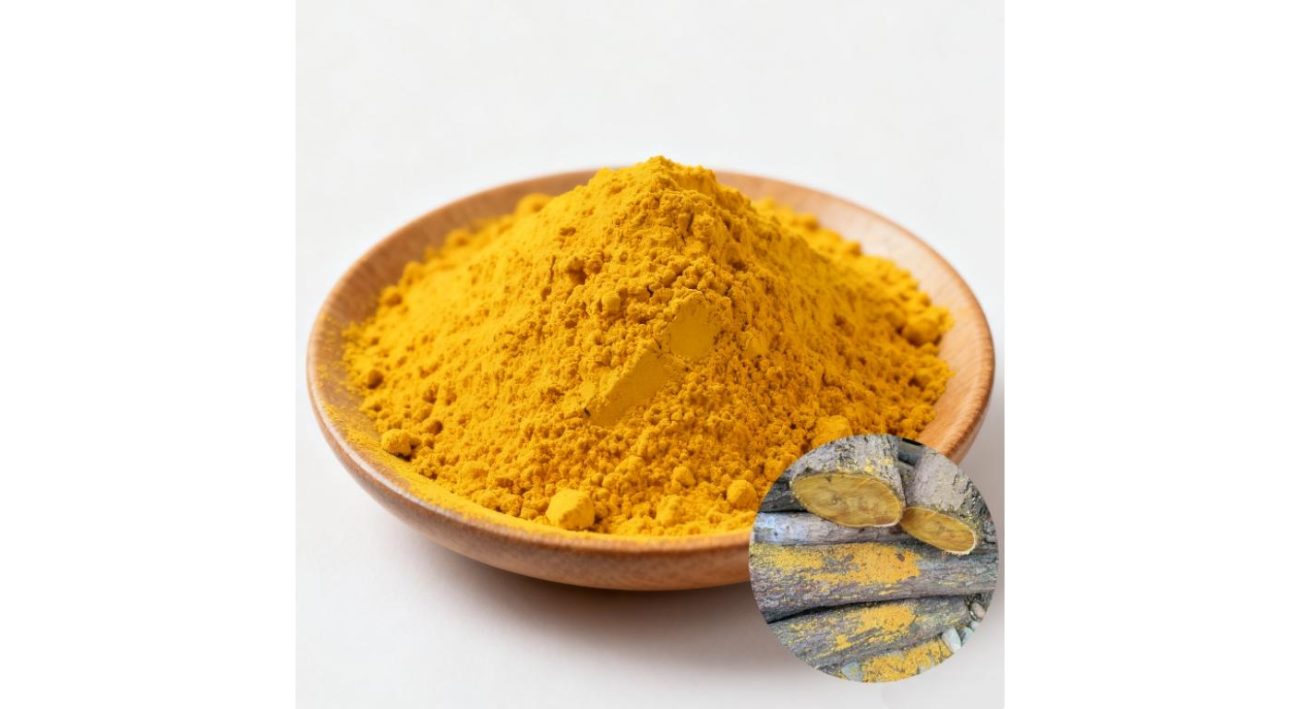
The current specification of B-Thriving’s Smoke Tree Extract is from the trunk of Cotinus coggygria var. cinereus Engl. with fisetin specifications of 2.5% and 5.0%, HPLC testing and is a yellow-brown fine powder. Those numbers give an initial specification. The process of supplier selection starts from what happens after that specification agreed.
A Perfect Sample can not be Converted to Repeat Supply
A lab sample’s sole purpose is to provide your team with a sample to assess.
It isn’t all you need to know about routine purchasing.
When sampling, make sure that your supplier tells you which specification the material is to. Do not label an approved sample 5% fisetin if you are testing 5% fisetin. The grade that you use on your formulation notes, quotation, sample label etc., and the grade on the future PO should be the same.
Smoke Tree Extract falls under B-Thriving’s Herb Extract Monomer category where the definition of the active-compound takes on greater significance during sourcing discussions.
It saves an amazing amount of emails later on as a result of that little bit of discipline.
Include Fisetin in Buying Specification as soon as possible.
Fisetin isn’t a post purchase discussion.
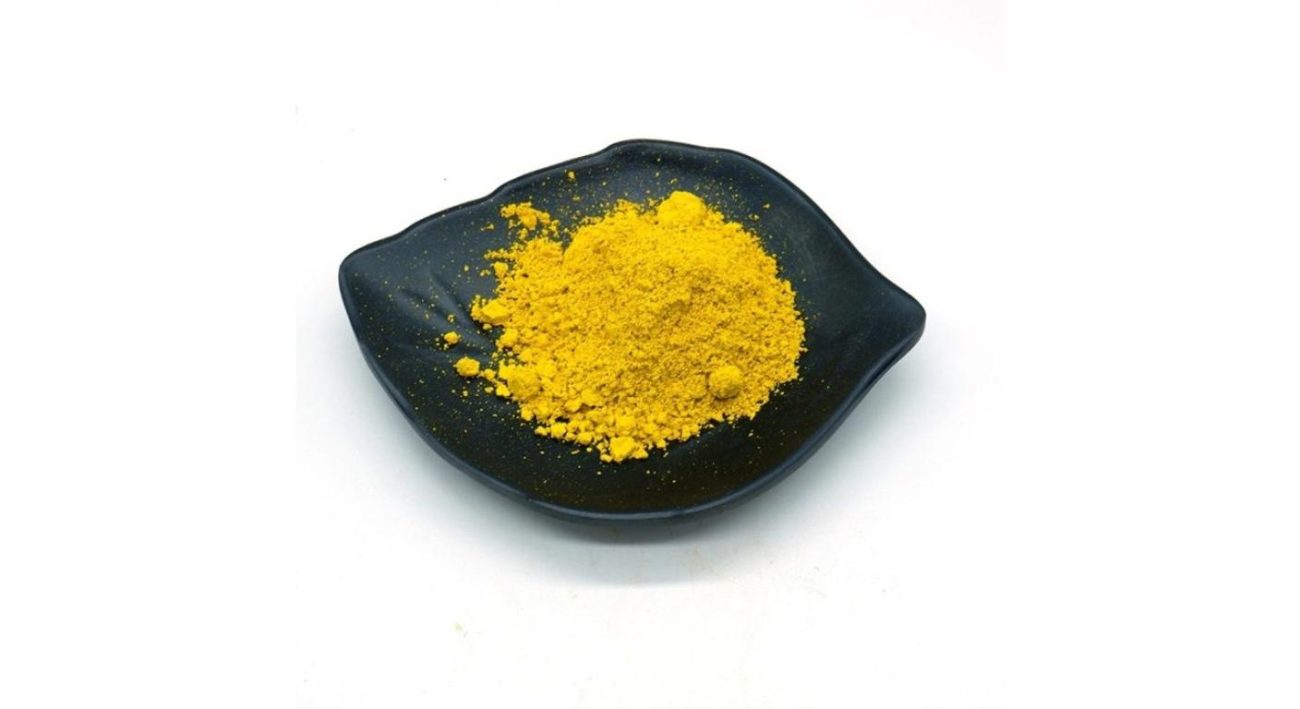
B-Thriving shows both 2.5% and 5.0% grades of fisetin and HPLC as the test method for this product. Procurement must purchase the qualified concentration, not the version of the commercial product that is qualified.
This is where a helpful RFQ takes a turn for the worse.
Instead of asking:
Please quote Smoke Tree Extract.
A buyer should be able to include the plant source, part utilized, needed specification of the fisetin, analytical method, quantity, destination market, needs for documentation and requesting samples.
Once people are quoting the same thing, it is much more meaningful to compare prices.
| RFQ Field | What Buyer Should State |
| Ingredient | Smoke Tree Extract |
| Botanical Source | Required botanical identity |
| Plant Part | Required plant part |
| Fisetin Grade | Target concentration |
| Test Method | Required analytical method |
| Trial Quantity | Sample requirement |
| Commercial Quantity | Expected order volume |
| Destination | Import market / country |
| Documents | Required QA and compliance files |
Attention to the Jump From Sample Bag to Drum
A psychological disconnect exists with regard to botanical sourcing.
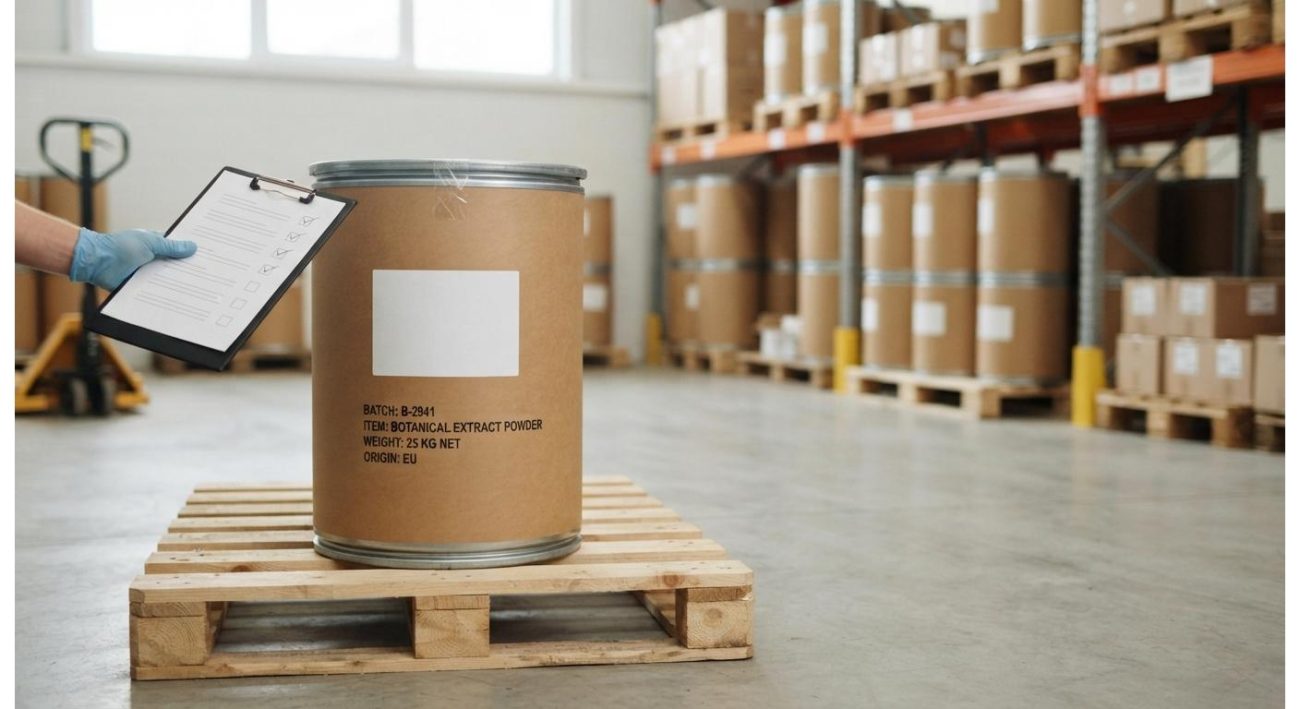
R&D is a 100 gram sample.
Production drum is similar to supply chain.
B-Thriving is now offering 25 kg/drum packaging and has information on their Smoke Tree Extract saying it is extracted using low temperature ethanol-water gradient extraction then spray dried. As a project progresses towards bulk orders, the buyer should begin to consider issues such as inspection, identifying the lots to be ordered, commercial batch storage, integrity of the packaging, and how the commercial batch will be compared to the approved reference.
This is where a supplier relationship either becomes easier – or one starts to create additional work.
| Sourcing Stage | Record to Keep | Why Keep It |
| Sample Approval | Approved sample ID + spec revision | Creates the reference point |
| First Bulk Lot | Lot number + incoming review | Checks sample-to-bulk continuity |
| Repeat Order | PO spec + latest COA | Prevents silent specification drift |
| Technical Issue | Photos + batch ID + supplier response | Speeds investigation |
| Formula Change | New sample + revised approval | Separates old and new specifications |
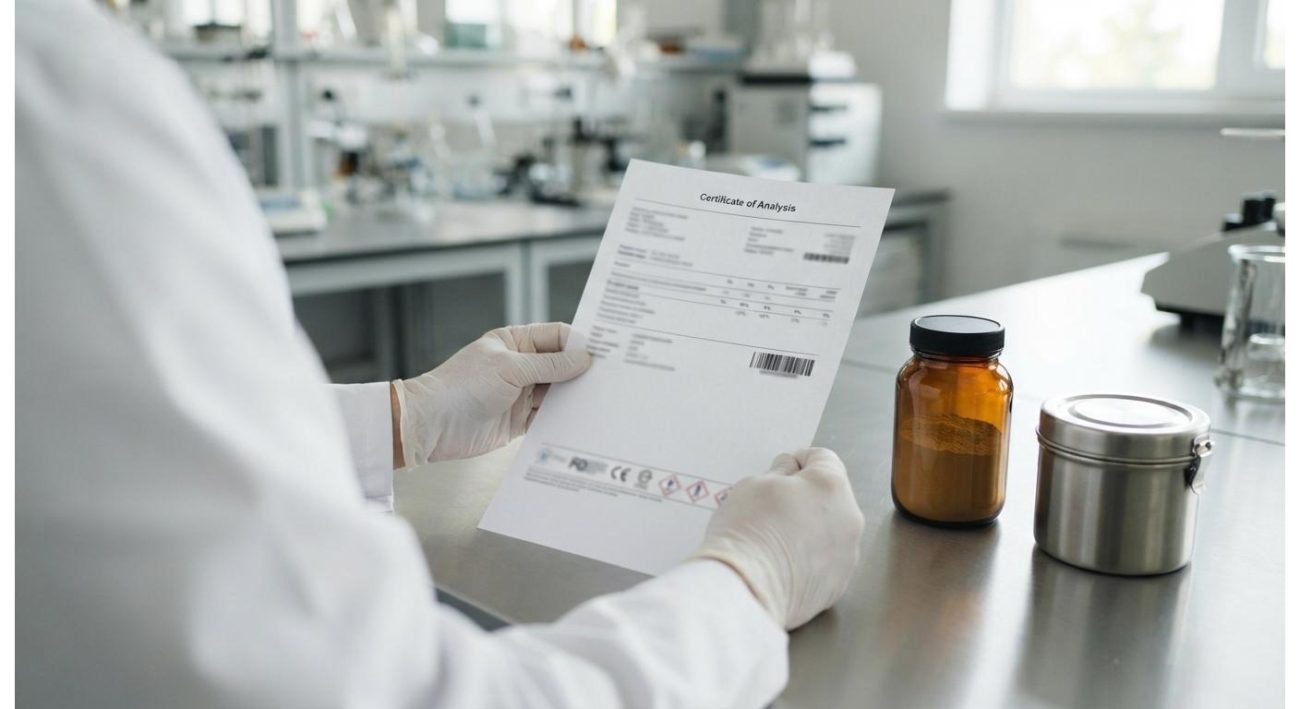
The documents should reach before QA has to go on a document hunt.
When good documentation works, it’s hardly noticeable.
No one recalls the supplier that has sent the correct COA and accompanying paperwork on time. We’ve all had experience with a supplier holding up production for one of us to dig through old email chains to find a missing document.
When sourcing plants internationally the documentation needed is dependent upon the product and market. B-Thriving’s guide to sourcing plant extracts suggests that during the procurement process, supplier’s certifications, testing, COAs, traceability and other supporting documentation should be checked.
The nice old trick is to have a document package defined before the PO—before the goods are in flight.
Inquire about the Awkward Batch Handling.
Suppliers’ capabilities can best be determined during normal conditions.
The more significant when it isn’t.
What if the material you receive is a little darker, or not exactly the same shade, as your approved reference; or a document requires clarification or your forecast changes? Who answers? Does the sales contact have to wait three days, to get the technical team? Is there someone with whom QA can communicate directly who understands the specification?
Such a response time is not normally found on a product datasheet, but is important during commercial production.
This is where customization capability can come in handy, too. In the article about custom plant extracts from Chinese suppliers, B-Thriving describes custom concentration, custom formulation-ratio, custom extraction-method, testing and custom R&D support.
It’s likely that you never need a custom version. It will always be helpful to understand the supplier’s technical change strategy.
Go beyond One Purchase Order.
When a project is just in an Excel spreadsheet, the lowest quote may be appealing.
The procurement team once sales starts, focuses on different things.
Is the supplier able to supply re-orders? Are the same technical terms used throughout the product – from quotation to COA? Does the company support in the event of a change in the formulation? Does there exist a person back end of the sales inbox who knows plant extracts?
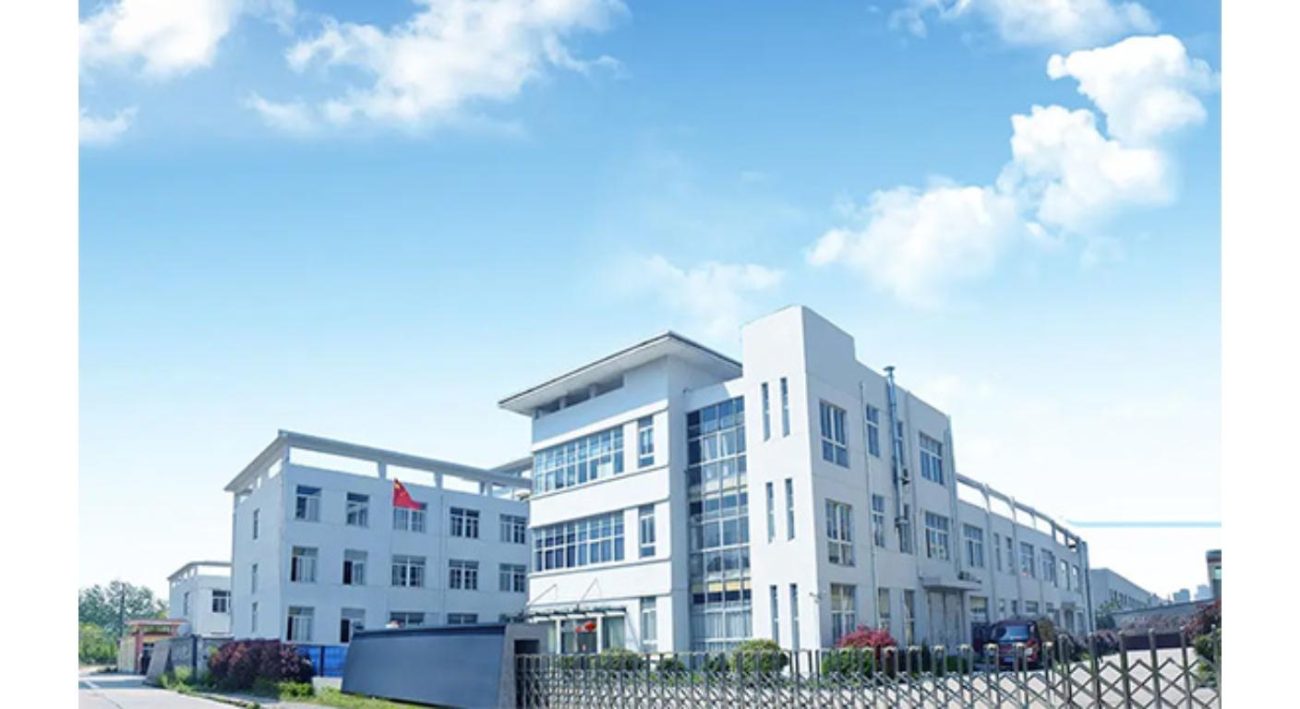
B-Thriving claims on its About Us page that it has been providing herbal extracts and natural ingredients to support their manufacturing since 2010 and has an in-house lab for manufacturing and extraction support.
For a buyer the bigger question isn’t does a supplier look large? Whether the supplier’s systems are compatible with your company’s purchasing of ingredients.
Ensuring the PO is successful prior to releasing it.
Spend half an hour and look at the project as if you were the third order and not the first sample!
Do you know the approved grade if you don’t open up an old e-mail?
Is the specification of procurement and QA the same?
Are you aware of what should be received each batch?
Are you aware of who you should call for technical clarification of the material?
Those answers should be obvious and the supplier relationship is already much improved.
Conclusion
One good sample doesn’t make a good Smoke Tree Extract supplier.
The supplier must maintain an agreed specification throughout the sampling, quotation, bulk production process, documentation, shipment, receipt and repeat purchasing, without you having to continually redefine it.
Smoke Tree Extract offers testing for level of fisetin and HPLC, providing consumers with technical anchors. The true sourcing decision is whether the supplier will be able to maintain those anchors once the project turns into a run-of-the-mill commercial project.
That’s what makes an ingredient supplier a viable supply partner.
FAQs
Q1. When looking for a Smoke Tree Extract Supplier, what should I look for?
Verify bottle details, plant part, concentration of fisetin, method of analysis, COA provided, sample support, and repeat supply available. The price has to be compared after aligning the technical specification.
Q2. From which B-Thriving is it possible to get fisetin specifications?
The Smoke Tree Extract page currently shows two titers for fisetin, which are 2.5% and 5.0%, both tested by HPLC. When asking for a sample and/or quotation, the buyer should indicate the grade that is required.
Q3. B-Thriving is using what part of the smoke tree?
The product specification (current version) mentions the use of the trunk part of the plant. The consistent information in the specification, sample label and COA helps to avoid any sourcing confusion.
Q4. Smoke Tree Extract is supplied in bulk how?
Currently the packaging size of B-Thriving is 25kg/drum. When enquiring for a commercial quotation, buyers should make sure to check the final packaging and shipping details.
Q5. Is it OK to buy a supplier on sample only?
No. The sample should be followed by a document review, formulation testing, commercial-batch verification and an evaluation of the supplier’s repeat order and technical questions.

