
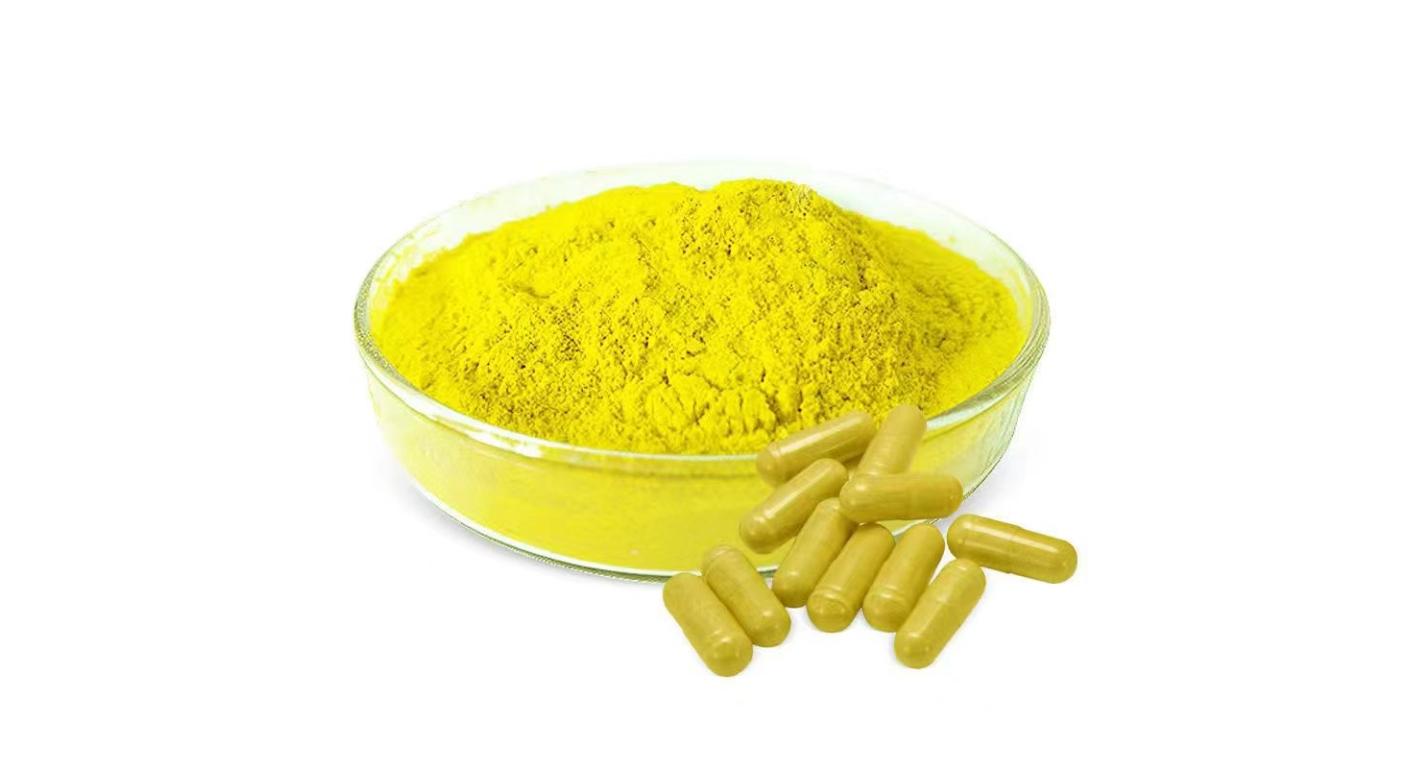
The 98% is very easy to approve.
The number is high. It sounds good on paper, but. But when there are two different versions of the same ingredients side by side, it’s pretty natural to think that the ingredient with the higher percentage must be the better choice.
Formulation planning does not need to be difficult when using fisetin powder, but this shortcut can make it so.
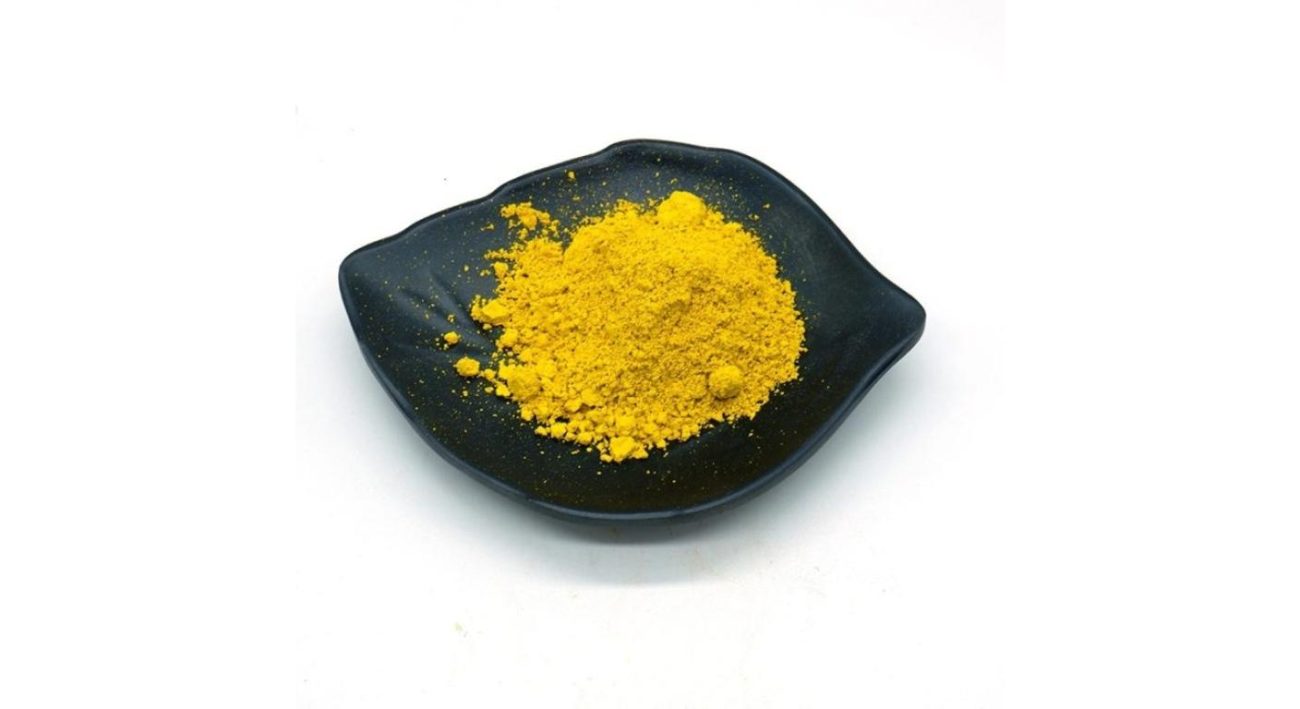
Currently, B-Thriving sells Fisetin at both 50% and 98%, the analytical method is listed as HPLC and the physical appearance is listed as yellow fine powder. The important question is not, however, just “Which purity is higher?”. It is ‘Which specification are we making?’.
Calculate the percentage from a formula and the value of the quantity.
The purity should be as per the product brief.
If the capsule is quite small the formulation team may be forced to go with a more concentrated material. Different constraints can be imposed on a multi-ingredient powder. Target ingredient loading, excipient space, processing behavior, finished-product appearance and cost might also be factors in balancing a development project.
This is where the 50% and 98% are two specifications not “standard” and “premium.”
Fisetin is part of B-Thriving’s Herb Extract Monomer line, which has more concentrated or isolated compounds from plants. That makes it more critical for the formulator than it would be if he or she was purchasing a wide botanical powder.
Prior to asking for a quote, estimate the final formula!
One step saves several changes of samples.
Students are not expected to solve every problem, but solve some problems 98% of the time
There’s a good reason to take a look at a pure powder of fisetin.
A higher concentration may be needed if there is limited space within the dosage form. It can also simplify the formulation of the active-material when the formulation is based on fisetin itself.
Purity doesn’t necessarily reveal all about a powder, though.
However R&D must consider the handling, blending, dispersing and effect that the material has on the product. An adequate analytical method and batch documentation is yet to be established in QA. Procurement must also be aware if the approved specification is available on a consistent basis.
That is, 98% responds the following question: How much fisetin is in this material?
Does not respond to all of the questions that follow.
| Formulation Question | 50% May Be Considered When | 98% May Be Considered When |
| Formula Space | More ingredient space is available | Space is tightly limited |
| Active Loading | Moderate concentration fits the brief | Higher concentration is required |
| Multi-Ingredient Formula | Formula contains several botanicals | Fisetin is a central active |
| Development Priority | Balance among ingredients matters | Concentration is a key priority |
| Final Choice | Confirm through prototype testing | Confirm through prototype testing |
HPLC Matters – Percentage Needs Evidence
As soon as a formulation has a numerical active-content specification, then testing becomes background information.
This is incorporated into the product definition.
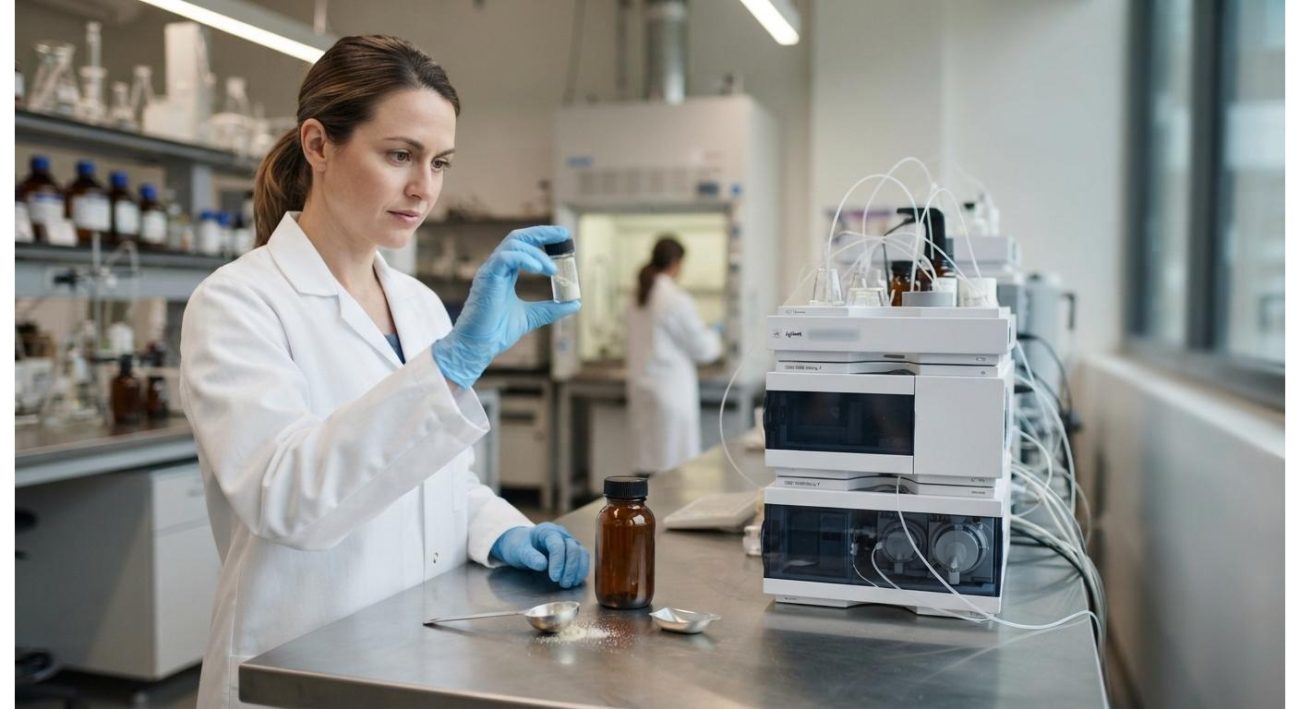
B-Thriving states that it uses HPLC—High Performance Liquid Chromatography—as the test method for its 50% fisetin specification as well as its 98% specification.
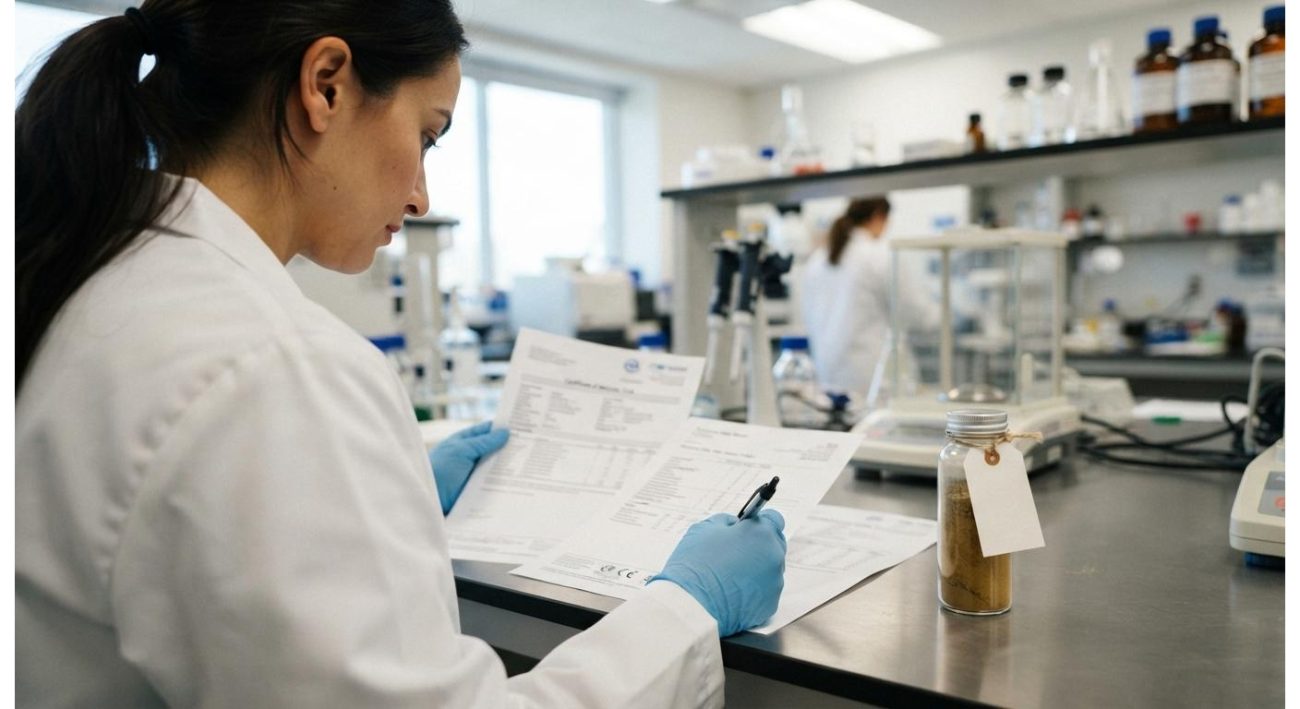
Once you receive your sample, check the COA, specification sheet and label. They will be able to identify the same material and the same agreed grade.
That’s why B-Thriving’s article on verifying the authenticity of plant extracts is not just applicable to traditional plant extracts. If the purchasing decision is based on an active level as stated in the analytical documentation, the documentation is integrated in the purchasing process and is not an administrative add-on.
The next choice is powder format which is all up to you.
The issue of 50% vs 98% can be a debate that begins too early.
The bigger issue might be if using the traditional fisetin powder format is even the most suitable choice.
B-Thriving also sells a product called Liposomal Fisetin, which contains 70% fisetin, and is HPLC-tested. That is, the product developer could have to make at least two choices: the active concentration and type of delivery.
Do not make those decisions into one comparison.
The formulation goal, processing considerations, cost structure and/or label strategy of a conventional powder project might differ from that of a liposomal product. If you need a specific delivery system, choose this at the beginning of your brief, rather than optimising the wrong raw material.
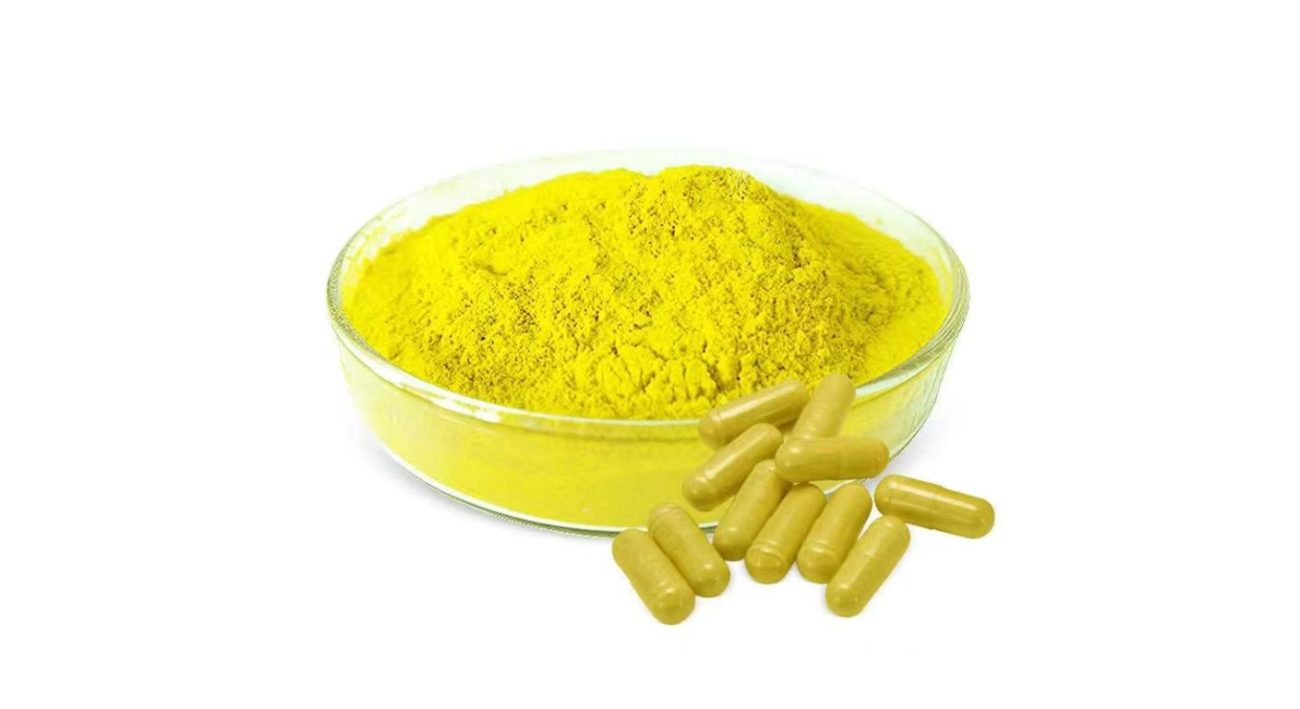
Use the Yellow Powder in the Product, NOT on White Paper.
Fisetin powder naturally contains a good yellow color.
It’s easy to see when the raw material is on a laboratory dish. Can get less apparent when someone creates a light colored capsule shell, a light colored powder mixture or any other format that has to do with how it looks.
Therefore, include the ingredient in the prototype as soon as possible.
Test the requirement of material of the formula. Add it to the real companion foods. Observe uniformity of blend and the appearance of the finished product. Think about how you process (not judge fineness between your fingers).
At present B-Thriving offers its traditional fisetin in 1kg_bags or 25kg_drums, too, making it easy to differentiate between quantities for development and commercial purchase.
Sample has only been successful if it has answered a formulation question.
| Review Point | What to Record |
| Approved Grade | 50%, 98%, or defined alternative |
| Test Method | Analytical method used |
| Sample ID | Supplier sample / batch reference |
| Formula Trial | Dosage form and trial version |
| Appearance | Effect on finished-product color |
| Processing | Blend, dispersion, or handling observations |
| QA File | Specification and COA revision |
Compare Cost in Formula Level.
It’s one place where you can be mistaken by the spreadsheets.
It is not the case that the lower cost per kg necessarily represents the lower cost finished-product and the higher purity material is necessarily the more economic choice.
It is the amount of the ingredient that your formula needs to achieve the desired specification, and how this affects the other ingredients of the formula, that is important.
Hence, the buyers should pay attention to the cost contribution per finished unit rather than quotation of raw materials.
This shifts the discussion from:
“What’s the lower price of the two kinds of fisetin?”
to:
“What is the right kind of fisetin specification which will make the end formula work?”
Much more useful procurement question!
Ensure Approved Grade is easily visible
After R&D validation of formulation, eliminate ambiguity.
Don’t buy a product with the label “Fisetin Powder.
Check the format of the material approved – 50%, 98% or other. Write the method of analysis. Retention of approved sample information and revision of specification to be retained with project.
This straightforward practice will avoid a common issue that occurs when the formulation is ready for production: everyone knows it was approved, but no one recalls which one.
- Thriving’s About Us page explains to companies looking at longer-term ingredient support its approach of providing in-house lab testing and raw material to finished product testing.
Conclusion
The percentage listed on the specification sheet doesn’t necessarily indicate the best fisetin powder.
Use the formula that you have already completed. Determine the amount of fisetin required in the product, the amount of formulation space desired, if conventional powder is the correct method of delivery and how the raw material reacts in a real test.
Then select 50%, 98% or other suitable format.
Purity is a requirement.
Fit equals purchase.
FAQs
Q1. What is the availability of specifications of fisetin powder?
Currently B-Thriving has 50% and 98% fisetin powder available. Supplied as yellow fine powder and both of these specifications tested by HPLC.
Q2. So is 98% fisetin always better than 50%?
No, a higher purity may be beneficial in cases where space for the formulation or concentration of the active is critical and the finished product is taken into consideration.
Q3. What testing is done for Fisetin powder?
According to B-Thriving, it is using HPLC as the analytical method for its fisetin powder. Please note that a Buyer should check the specification needed against the batch COA prior to commercial approval.
Q4. What’s the difference between Fisetin powder and liposomal Fisetin?
They are not alike format of ingredients. Conventional fisetin powder is based on raw active specification and liposomal fisetin has an encapsulated delivery system and should be considered separately as a route of delivery.
Q5. What questions shall I ask prior to purchasing bulk fisetin powder?
Ask for the desired purity level, specifications, COA, sample, packaging details and necessary quality documents. Try the approved grade before going on to bulk purchasing.

