A buyer is able to get a quotation of melatonin in 5 minutes.
The more challenging question is, is the project ready for one?
So, what product are you making? Where will be it be sold? How much melatonin is needed in the formulation? What are the documents that QA will require? Also, has the regulatory team vetted the planned product pathway prior to R&D investing weeks polishing it?
Those questions would be asked prior to supplier comparison.
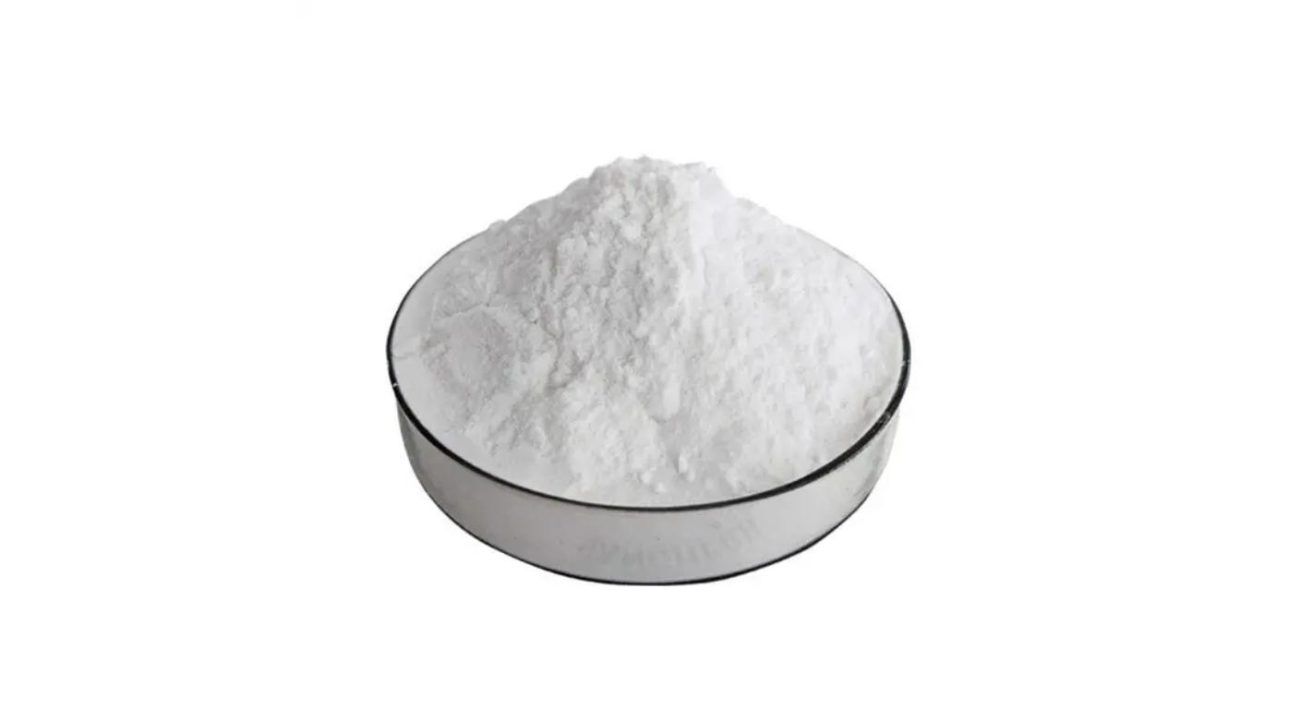
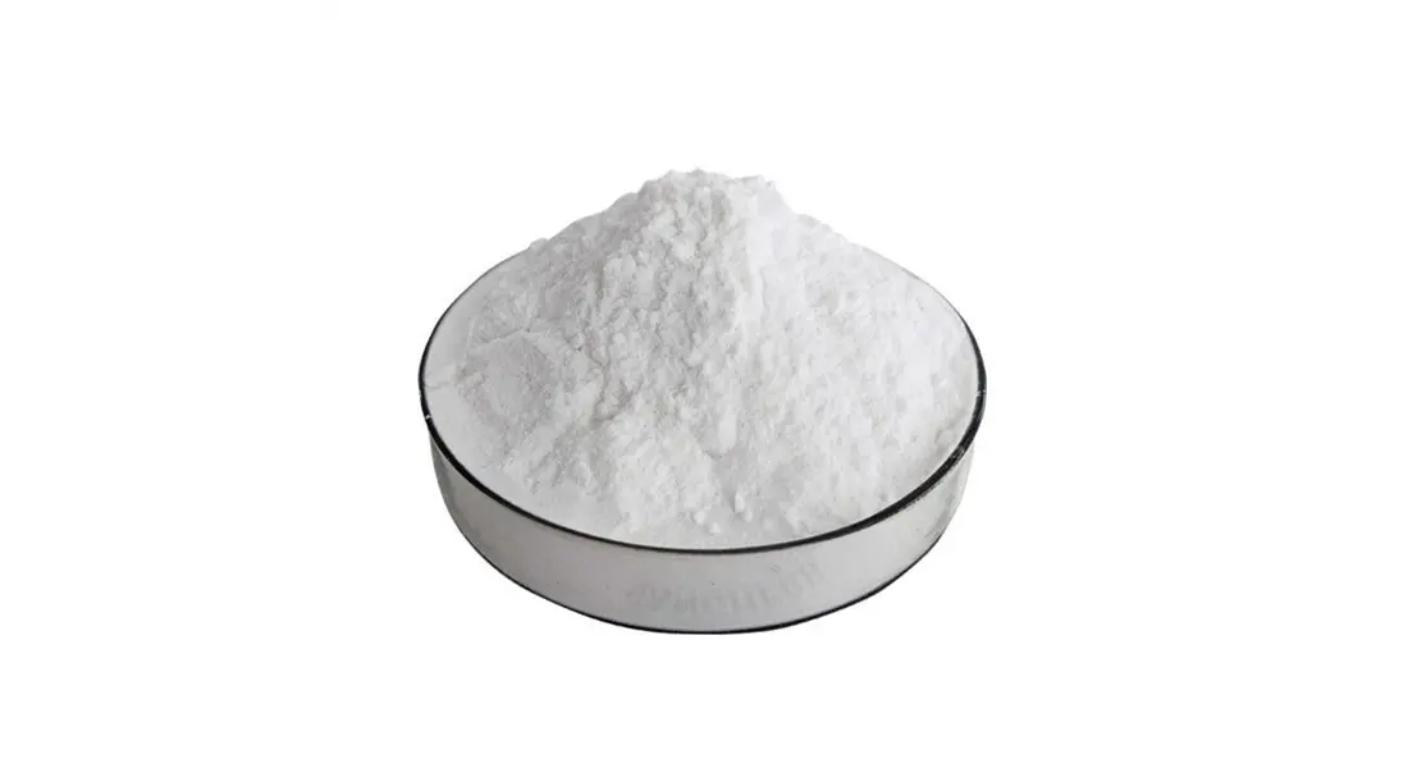
B-Thriving’s current listing of its Melatonin is 99% material tested by HPLC; white to off-white crystalline powder. That provides a buyer with a good starting point in terms of raw materials. The remainder of the sourcing brief must be from the finished-product project.
Do not begin with the sleep story, begin with the market!
A marketing team can easily get the concept of Melatonin.

That can in actual fact make procurement more difficult.
Product ideas can start out as a “sleep-support supplement,” but R&D and purchasing requires something more specific. They require the market they’re going to be sold to, dosage form, label directions, desired formulation, production levels, and in-house compliance rules.
Depending on the market and product route, classification and finished-product positioning may not be permissible, so it is important that regulatory review is done at an early stage prior to the final sample approval.
This is important as B-Thriving has integrated melatonin into its Active Pharmaceutical Ingredient portfolio, which also includes other high purity ingredients, which need to be identified and controlled analytically.
So, a good sourcing brief always starts with the destination of the ingredient – NOT the marketing headline.
| Project Item | What the Buyer Should Define |
| Target Market | Country or sales region |
| Finished Format | Capsule, tablet, powder, or other format |
| Formula Target | Required melatonin level in the finished product |
| Quality Route | Internal QA requirements |
| Documentation | Files required before commercial approval |
| Trial Stage | Lab sample, pilot, or production |
| Forecast | Expected commercial purchasing scale |
When everyone means 99%, it is useful, otherwise no.
It’s easy to compare when the purity number is high.
However, “Melatonin 99%” must be linked to the agreed analytical method, specification, sample and batch document.
B-Thriving has now made HPLC the test method on their 99% melatonin. When it comes to procurement, it means that the quotation doesn’t actually end at the percentage. The buyer should be sure to verify which version of the specification is being quoted and to ensure that the same material is indicated on the sample label, on the specification sheet and COA and subsequently on the purchase order as well.
Those records can become a production problem if they go off track – a surprisingly small naming problem.
Therefore, don’t use the words ‘melatonin powder’ in one document and expect everyone to recall the entire approved specification.
Write it in such a way that another colleague would be able to order it properly 6 months later, without having to ask R&D what they meant.
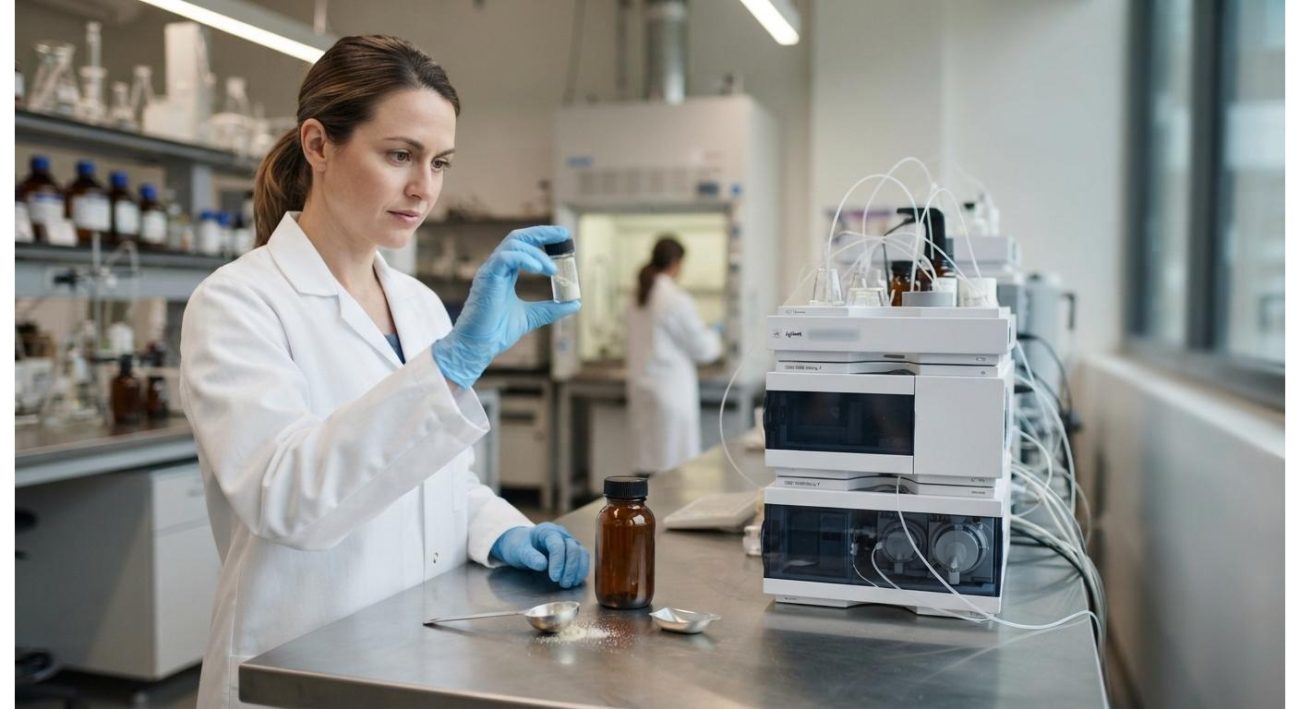
R&D/ QA and Regulatory – should meet before sample.
If each department is in sequential order, then it will be difficult to make the melatonin projects efficient.
R&D has asked for a sample.
Formula is worked out.
Procurement obtains a price.
Then a question is asked by QA/Regulatory which changes the brief.
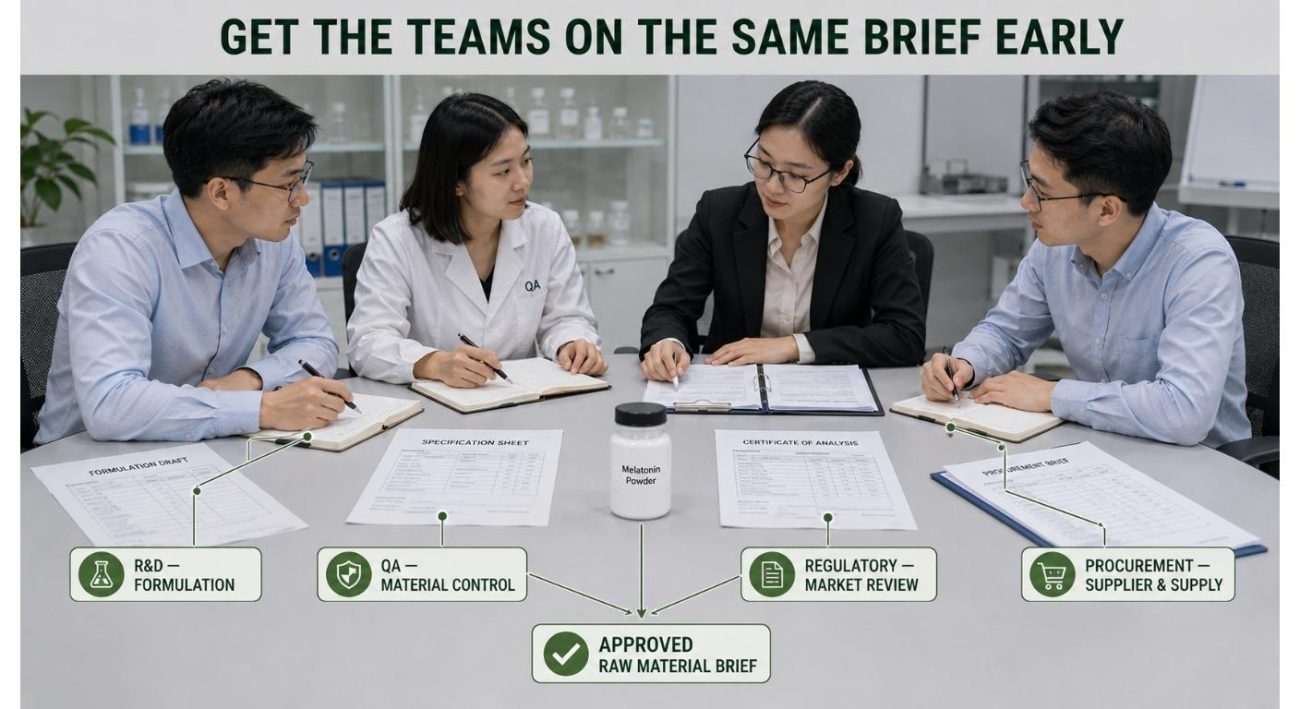
A better process: put the teams around the same brief earlier, rather than later.
Definition of the formulation need is done by R&D. Incoming criteria and material documentation is defined by QA. The planned marketing pathway is reviewed by regulatory/compliance. The RFQ is the result of the requirements of the procurement.
That will mean the supplier’s response is more valuable starting with the initial e-mail.
- Thriving’s guide to certifications when sourcing plant extracts also highlights that decisions on the plant source are not only based on price, but include documentation, traceability, quality systems and market requirements.
Incorporate COA into the Sample Approval process
A powder sample should be examined in conjunction with a document package.
The physical sample gives R&D an idea as to if the material functions in development or not. The specification and COA provides QA with specific details as to what that sample represents.
Look for identity, assay, analytical method, batch, appearance and any other quality criteria which your finished product stipulates.
The idea isn’t to produce documents for the sake of documents.
It is to ensure that upon receipt of the commercial batch, your receiving staff has an approved reference to compare the batch to.
The batch-specific COA is one of the purchase control measures suggested in B-Thriving’s article on how to minimize the risk of counterfeit or adulterated ingredients, along with supplier verification, laboratory testing, traceability, and documentation.
| Stage | Key Record | Approval Question |
| RFQ | Defined ingredient specification | Are suppliers quoting the same material? |
| Sample | Sample ID + specification | Is this the grade R&D will test? |
| QA Review | COA + technical documents | Is the sample clearly documented? |
| Pilot | Formula trial record | Does the material work in production conditions? |
| Commercial PO | Approved spec revision | Can purchasing reorder without ambiguity? |
| Incoming Lot | Batch COA + lot ID | Does the shipment match the approved reference? |
Please be aware that the 25 kg Drum will be delivered in mid-January.
Laboratory quantities are forgiving in that they are not significant.
This is not the case with commercial quantities.
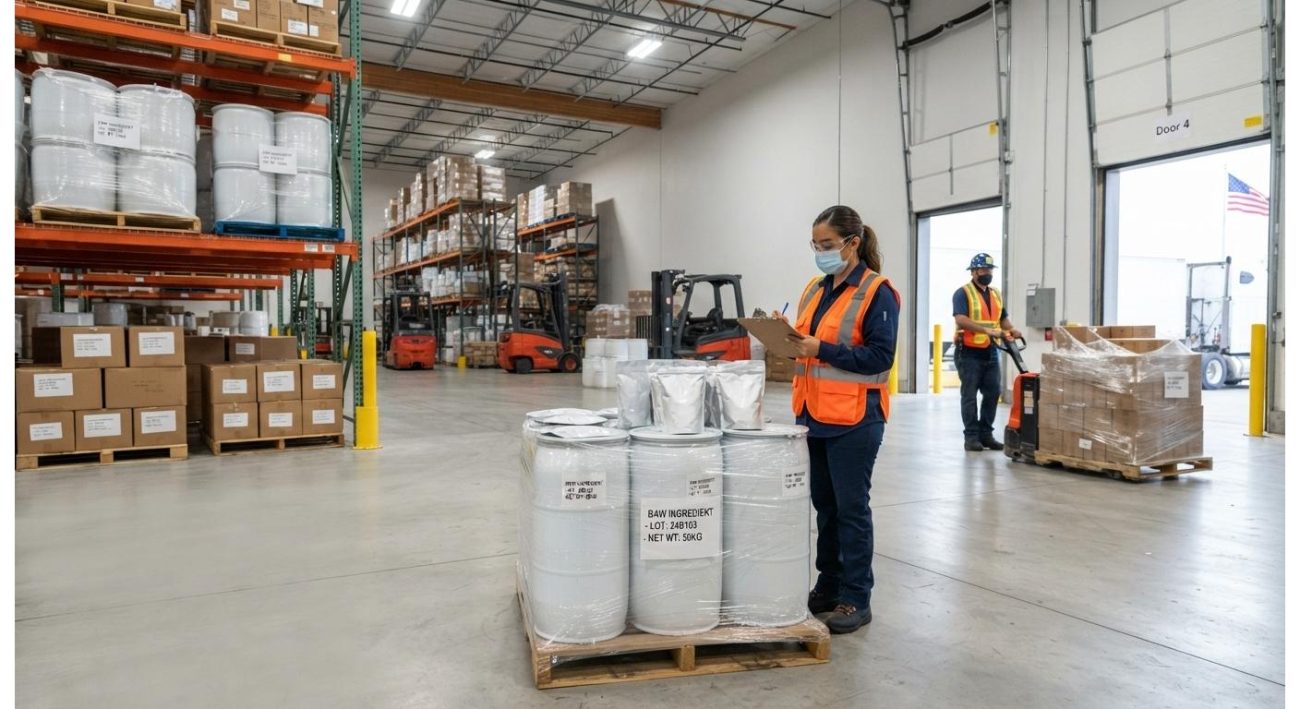
B-Thriving’s current packaging is 25 kg/drum with a 2 year shelf life for its melatonin product. When a project leaves the development phase the buyer needs to consider actual usage rate, internal storage, batch identification, dispensing, and if the quantity purchased is appropriate to the production schedule.
This is particularly important with a high content ingredient.
It’s not just a question of whether or not you can afford to purchase a complete drum.
Whether your production and quality systems can accommodate, recognize, store and utilize it properly.
It is not necessarily better buying to purchase more material.
Client asks the Supplier Questions that Expose the Workflow
When customers call suppliers, they tend to pose the simple questions:
What is your price?
What is your MOQ?
What’s your fastest turn around time?
Don’t omit those questions, but throw in some that will show how the project will really operate.
Does the supplier have a sample which matches the quoted specification? Are there any technical questions that can be answered prior to the order? Are the appropriate batch documents able to accompany commercial shipments? If there is a change in your documentation needs prior to launch, what happens?
B-Thriving describes this within its About Us section, highlighting in-house laboratory testing, manufacturing support and quality control, from raw materials to the final product.
Those capabilities are most important to buyers when they minimize the development/repeat production uncertainty.
As part of the 2018 election, voters will vote to approve a supply route, not just the powder.
By the time the first commercial PO comes out, all of the melatonin projects should be boring!
All students are familiar with the grade level.
All students are using the same specification.
QA is aware of the documents that he should expect.
The formulation team is aware/knows of what raw material was accepted.
Procurement is aware of the packaging and quantity for commercial.
The supplier has no other obligations to provide.
That is the point.
The sourcing of Melatonin should get clearer, as the project progresses towards production, NOT more complicated.
Conclusion
Selection of a melatonin powder supplier begins even prior to supplier comparison.
Firstly, the finished product, the target market, the formulation route and the internal documentation requirements. Then validate the 99% specification, HPLC method, sample, COA, packaging and commercial supply process.
The high purity powder is only a component of the project.
It is the best supplier relationship that enables R&D, QA, regulatory and procurement to be working from the same material definition all the way into production.
FAQs
Q1. How pure is the melatonin B-Thriving offers?
Currently, B-Thriving has Melatonin 99% on its product page. HPLC is used as the test method.
Q2.What does Melatonin powder appear like?
It is currently reported to be a crystallized powder, white to off white. However, it is important that the physical appearance be checked in conjunction with the batch specification and COA.
Q3. Why target market must be determined prior to ordering?
Finished product route and intended market may impact compliance, labelling, documentation and formulation decisions. A raw material brief that has to be changed later on is avoided due to an early review.
Q4. Which papers must I request from a melatonin powder supplier?
Start off with the specification sheet, and batch COA, and then verify any other quality or compliance document that is mandated by your company and market.
Q5. What information should be checks prior to placing a bulk melatonin order?
Ensure the approved specification, HPLC method, sample reference, documentation package, quantity, packaging, storage plan and receiving criteria are confirmed prior to releasing the commercial PO.

