
Uric acid is the end product of purine breakdown in man. There are multiple factors that determine uric acid concentration, such as exogenous and endogenous purine catabolism, renal and intestinal excretion, metabolic state and lifestyle.
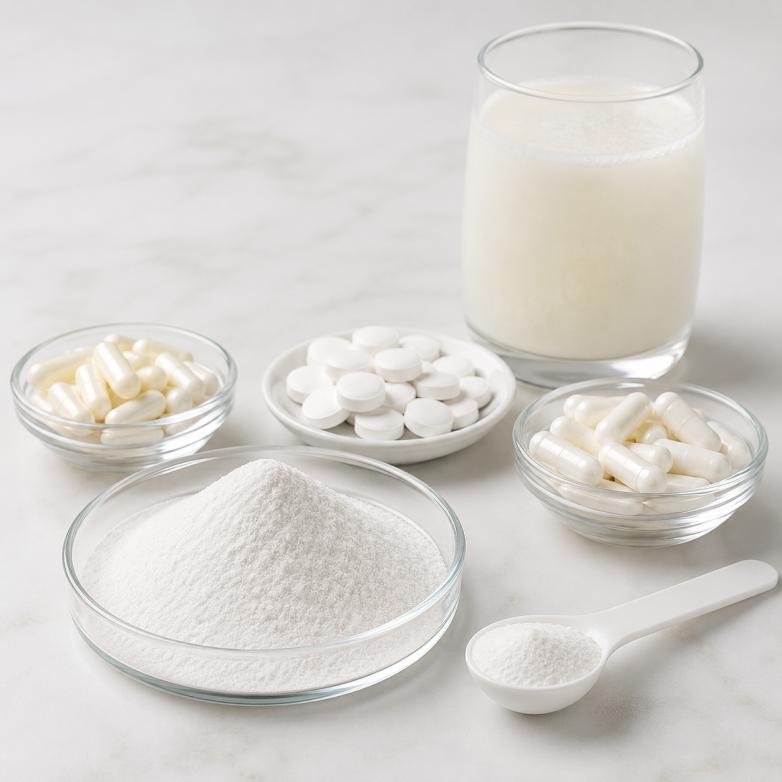
With the growing interest in nutrition and metabolic health, Pure Anserine Powder has been proposed as a metabolically active ingredient to aid in the management of uric acid levels. Pure Anserine Powder is a nutritional ingredient and should not be considered a drug or as an alternative to professional medical advice and treatment.
What Is Pure Anserine Powder?
Anserine is a naturally occurring, biosynthesized dipeptide containing histidine, which has the structure of beta-alanine and 1-methylhistidine. It is found in large amounts in the skeletal muscles of a number of vertebrate species, including waterfowl (e.g., geese, ducks), and certain fish such as tuna, bonito, and mackerel.
Anserine, like carnosine, is a histidine-containing dipeptide. Due to the fact that anserine is a methylated structure, it may have more stability and different metabolic characteristics compared to carnosine.
Commercial Pure Anserine Powder is generally produced through extraction, separation, purification, and standardization. It may be incorporated into capsules, tablets, solid beverages, functional foods, and blended nutritional formulas.
| Parameter | Typical Consideration |
| Ingredient | Anserine |
| Product Form | Fine powder |
| Purity or Content | Confirm according to supplier specification |
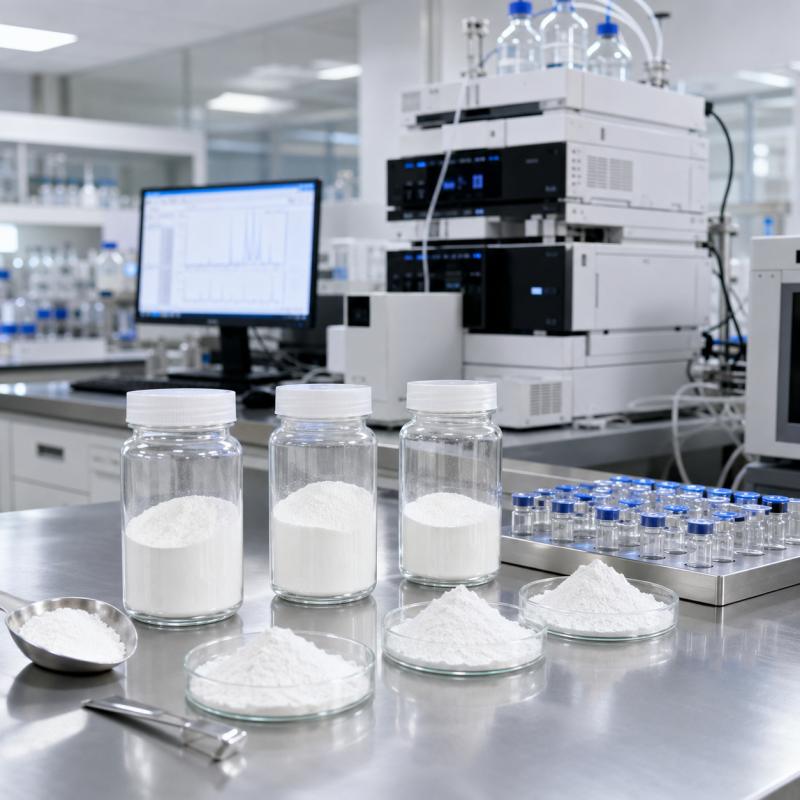
| Test Method | HPLC or another validated analytical method |
| Application | Dietary supplements and functional foods |
| Storage | Store in a cool, dry place away from light |
Buyers should evaluate anserine content, identification methods, contaminants, supporting documents, and batch-to-batch consistency before commercial use.
Production and Metabolism of Uric Acid
Formation of Uric Acid
Uric acid production begins with hypoxanthine and xanthine, and the purine derivative the methylxanthines is transformed to uric acid.
The concentration of uric acid in the body is dependent upon the differential production and the clearance of uric acid.
•Uric acid production: Uric acid formation primarily occurs following the metabolic degradation of purines, which may be of exogenous origin (from food) or of an endogenous origin. Personal metabolism may further influence uric acid production.
•Uric acid clearance: The kidneys and intestines are primarily responsible for clearing uric acid.
•Equilibrium: Blood concentrations of uric acid depict the equilibrium of uric acid production and clearance.
As a result, researchers have been interested in the ways in which dietary constituents can influence the modulation of antioxidant capacity and metabolic transport and inflammation within the kidneys and metabolic balance.
How Pure Anserine Powder Helps Manage Uric Acid Levels
Potential Effects on Enzymes that Produce Uric Acid
Limited experimental studies have focused on anserine and its possible effects on the production of uric acid. These studies provide some possible direction on the mechanism, but should not be interpreted as evidence that powdered anserine lowers uric acid and/or gout.
Effects seen in lab models should be considered in the context of study design, concentration, quality of the raw material, and the biological model.
Potential Support for Uric Acid Excretion
Some studies have also considered anserine and its possible effects on uric acid transport and excretion. Supporting the elimination of uric acid would, in theory, support the balance of uric acid levels.
Results from studies in cells and animals should not be interpreted as effects in humans. Additional controlled clinical studies are needed to clarify the relationship between Pure Anserine Powder and uric acid excretion.
Antioxidant Activity
Researchers have focused on anserine’s unique structure in the context of both its protective and antioxidant activity.
•Free radical balance: Anserine may promote the maintenance of balance of free radicals and normal oxidative stress under specific conditions of metabolism.
•Metal ion interaction: The structure of anserine that contains histidine has been studied for its possible metal ion-binding activity.
•Cellular stability: There are investigations about the ability of anserine to provide a defense to cells against oxidative stress and/or metabolic stress.
These properties may be relevant because oxidative balance is closely connected with broader metabolic health.
Inflammatory Balance
Elevated uric acid may be associated with inflammatory signaling in some biological contexts. Because anserine is studied for antioxidant and metabolic properties, Pure Anserine Powder has become an ingredient of interest in nutritional formulations focused on metabolic balance.
It should not, however, be described as an anti-inflammatory drug or a treatment for inflammatory disease.
Anserine Compared with Related Compounds
| Compound | Structural Feature | Main Research Areas | Formulation Considerations |
| Anserine | Methylated histidine-containing dipeptide | Uric acid metabolism, antioxidant support, sports nutrition | Purity, stability, content, and dosage-form compatibility |
| Carnosine | Beta-alanine and histidine dipeptide | Muscle buffering, antioxidant activity, glycation research | May be affected by carnosinase activity |
| Histidine | Essential amino acid | Protein synthesis and general metabolism | Commonly used as a basic nutritional ingredient |
| Beta-Alanine | Carnosine precursor | Exercise performance and muscle buffering | May cause dose-related tingling sensations |
Although anserine and carnosine are structurally related, they should not be considered interchangeable. Their stability, metabolism, intended dosage, and evidence base may differ.
What Does Current Research Suggest?
Research on anserine and related processes has focused on laboratory and animal studies in the following areas:
•Production, transport, and renal excretion of uric acid
•Markers of oxidative stress
•Metabolic conditions of the kidneys
•Signaling of inflammation
Research on humans is limited. Results may vary based on dosage, length of intervention, diet, baseline levels of uric acid, participants, and the product tested.
Current evidence also has limitations, including:
•Small sample sizes
•Short research durations
•Variability in the anserine source and purity
•Variability in the measures of outcomes
•Limited data on long-term dosing and safety
Therefore, Pure Anserine Powder should be considered as an emerging functional ingredient for the reduction of uric acid.
Potential Uses of Pure Anserine Powder
Potential uses for Pure Anserine Powder for supplement manufacturers and functional food producers are:
•Uric acid support supplements: After evaluating compatibility, may be combined with certain vitamins, amino acids, and/or botanicals.
•Healthy aging: Incorporates metabolic health and antioxidant protection.
•Sports nutrition: Nutrition for exercise-related muscle metabolism and recovery considerations.
•Functional food: Use in the context of functional powders assuming appropriate assessments are done for solubility, flavor, pH, and stability.
Dietary supplements in the form of tablets and capsules.
Formulation Considerations
The use of Pure Anserine Powder in a formulation should consider human studies, anserine content, regulations, the target market, and the recommended daily value.
Ingredients that may complement the existing formulation include vitamin C, extracts derived from berries and cherries, quercetin, amino acids, proteins, minerals, and electrolytes. The described formulations require validation as a primary step. Synergistic effects pertaining to the lowering of uric acid should be investigated through appropriate testing.
Developers should assess:
•Sensitivity to temperature and humidity
•pH of the product
•Hygroscopicity
•Flavor and solubility
•Stability of the product for long-term storage
•Compatibility of the product to the intended packaging
Why Choose B-Thriving?
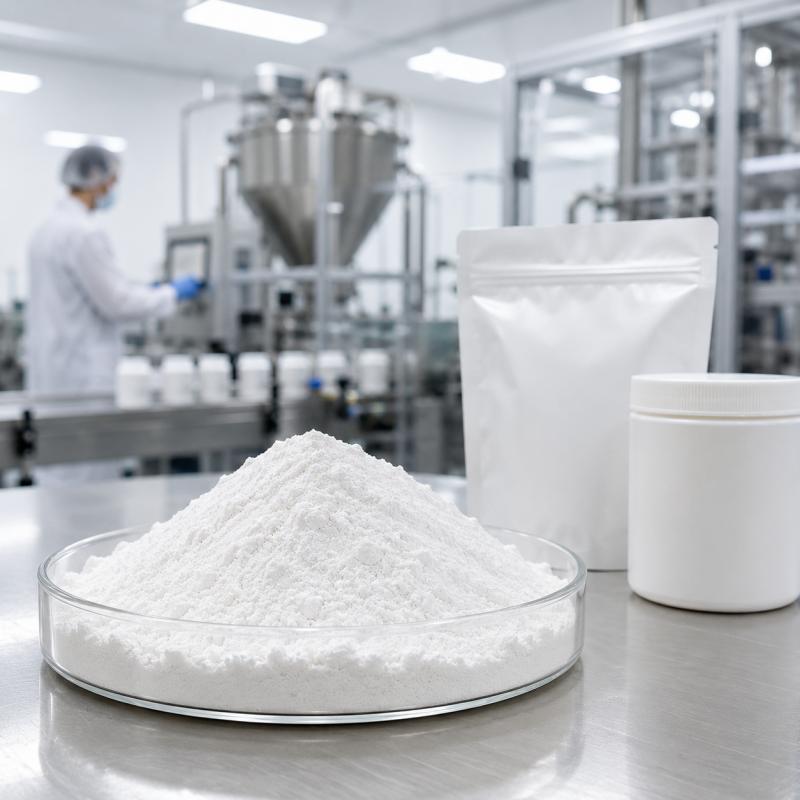
B-Thriving offers anserine powder for use in developing dietary supplements and functional foods. The company offers standardized testing as well as quality documentation. We provide customized services with order support.
| Product Specification | Details |
| Test Method | HPLC |
| Anserine Content | 5% |
| Appearance | White powder |
B-Thriving’s quality-control process is intended to help buyers evaluate ingredient identity, specified content, and batch consistency. Customized packaging, technical communication, and delivery support can also help brands manage product development and commercial sourcing requirements.
Closing Words
Develop a responsible uric acid support, sports nutrition, or healthy aging product with standardized Pure Anserine Powder. Contact B-Thriving to discuss specifications, testing documents, formulation requirements, customized services, and reliable supply support.
FAQs
Q1. What is Pure Anserine Powder?
Anserine is a dipeptide that appears naturally in the body. Pure Anserine Powder is a commercial product that provides a pure, standardized form of this ingredient.
Q2. What is the relationship between Pure Anserine Powder and uric acid management?
Studies have examined the role of anserine in normal uric acid metabolism by balancing antioxidants and affecting the enzymes and pathways of uric acid production and excretion.
Q3. Does Pure Anserine Powder have the ability to reduce uric acid?
The ability of Pure Anserine Powder to reduce uric acid is not supported by the current body of evidence. It is strongly recommended that the product be classified as a food supplement and not a pharmaceutical product.
Q4. Where can anserine be found in nature?
Anserine can be found in the skeletal muscles of almost all vertebrates, especially in waterfowl (ducks and geese) and in certain fish (tuna, bonito, and mackerel).
Q5. Are anserine and carnosine the same?
No, Anserine and carnosine are histidine-containing dipeptides. However, Anserine is more stable due to the presence of methylhistidine and may differ in metabolism and in the formulation.

