
Choosing a Monk Fruit Extract Supplier In USA can feel simple at first: you want a plant-based sweetener and a clean ingredient list. In real production, however, “clean label” becomes a practical promise. It means your sweetness must stay stable from batch to batch, your paperwork must be clear, and your ingredient story must hold up in audits, retailer reviews, and customer questions.
From B-Thriving’s perspective as a manufacturer, the best supplier relationships start with shared expectations: measurable quality, transparent testing, and processing that protects what matters. Below is a beginner-friendly way to evaluate a supplier—without getting lost in technical language.
1) Start With a Clear Definition of Clean-Label Sweetness
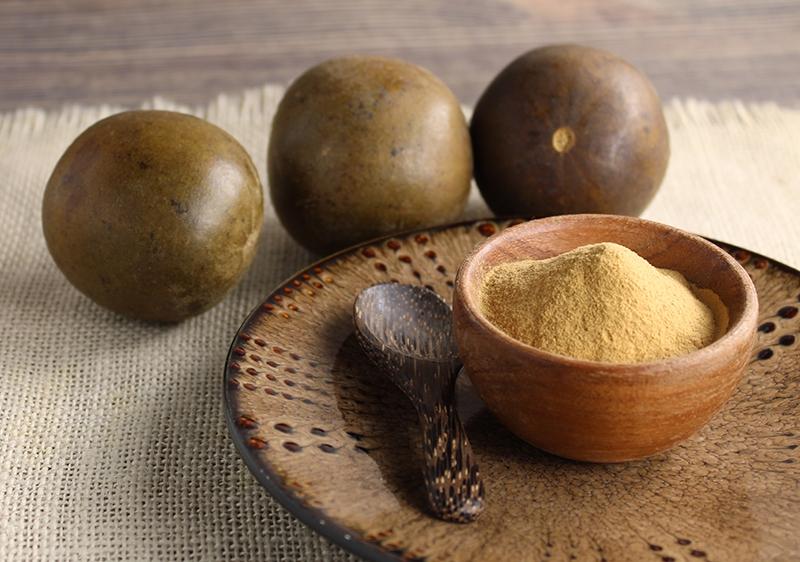
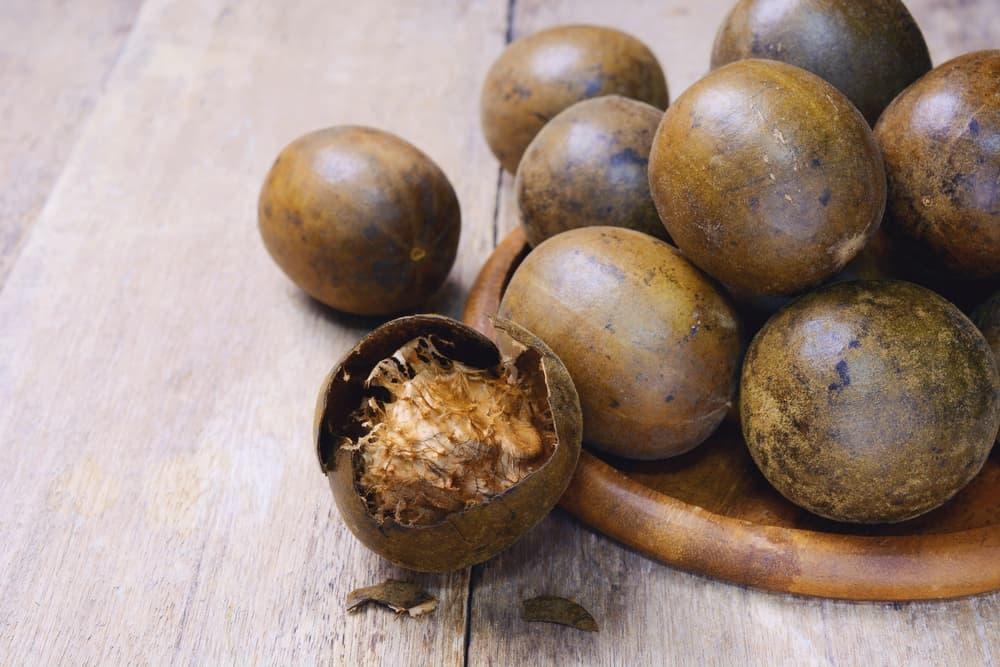
A clean label product usually aims for fewer additives, familiar ingredient names, and a more natural positioning. Monk fruit supports this approach because its sweetness comes mainly from mogrosides, naturally occurring compounds in the fruit.
One fact helps beginners understand why monk fruit is popular: mogroside V is about 100 to 250 times sweeter than sucrose, yet it is described as virtually calorie-free. This allows brands to reduce sugar while keeping sweetness in a workable range.
But sweetness alone is not your only requirement. Clean label also implies “no surprises.” That includes fewer taste shifts, fewer supply disruptions, and fewer quality disputes. A reliable Monk Fruit Extract Supplier In USA should be able to explain where monk fruit performs best—such as beverages, powders, gummies, or tablets—and where you may need extra formulation work for taste balance.
What To Ask Early
✓ What product formats do you support most often (drink mixes, RTD, gummies, tablets)?
✓ Do you have consistent batch-to-batch documentation that a brand team can file and reuse?
✓ Can you explain common taste challenges in simple terms, not only in lab language?
2) Verify What You Are Buying: Active Range and Testing Method
For buyers, “clean label” becomes much easier when the ingredient is measurable. That is why the active-ingredient range and test method matter. If a supplier cannot show clear results, you may face inconsistent sweetness, reformulation costs, and delays.
At B-Thriving, our Monk Fruit Extract is specified with practical, production-friendly details:
✓ Active Ingredient: Mogroside IV 5–50%
✓ Test Method: HPLC (High Performance Liquid Chromatography)
✓ Appearance: Yellow Or Off-White Fine Powder
HPLC is widely used to quantify active compounds, which means your quality conversations become more objective. When a Monk Fruit Extract Supplier In USA can provide repeatable HPLC data, your team can scale from sampling to repeat orders with less uncertainty.
Beginner Tip: A COA should clearly state mogroside content and the test method. If you receive vague numbers or unclear labels, treat it as a risk signal. “Clean label” products still need strict measurement behind the scenes.
3) Look Past the Spec: Evaluate Processing That Protects Mogrosides
Many beginners focus on a single spec line and miss what controls that spec in real life. Plant extracts can drift if processing is rough or if moisture control is weak. This is especially relevant for botanical powders that can absorb moisture easily.
B-Thriving uses advanced pulverizing technology to help preserve volatile herbal oils and active compounds during milling. We also apply modern drying techniques to reduce common risks such as microbes, heavy metals, and foreign matter. These steps are not “factory details.” They protect your finished product experience—sweetness stability, powder handling, and storage performance.
Here is what good processing means for your business:
✓ More stable sweetness and fewer taste shifts across seasons
✓ Better flow and blending behavior in powders and nutrition formats
✓ Lower risk of rework due to moisture-related clumping or instability
✓ A clearer quality story when your customer asks “how do you ensure purity?”
When you compare a Monk Fruit Extract Supplier In USA, do not only ask, “What is your spec?” Ask, “What controls your spec?”
4) Confirm Packaging, Shelf Life, and Day-To-Day Supply Reliability
Clean label products often run on tight launch schedules. Your packaging and shelf life need to support realistic warehousing, shipment timing, and repeat purchasing.
- Thriving’s standard commercial setup includes:
✓ Packaging Detail: 25 KG/Drum
✓ Shelf Life: Three Years
These points matter because they reduce friction. Drum packaging reinforces product protection for powders during transport and storage.
With a three-year shelf life, demand forecasting is more predictable for multi-SKU pipelines and mixed customer timetables.
A dependable Monk Fruit Extract Supplier In USA should also communicate storage guidance clearly—especially for hygroscopic powders—and explain how they maintain product integrity after packaging. If you receive only “generic storage advice,” you may struggle later when your warehouse conditions vary.
Practical Questions To Ask
✓ What storage conditions are recommended for long shelf life in real warehouses?
✓ How do you reduce quality drift after packaging?
✓ How do you handle repeat orders to keep the sweetness profile consistent?
5) Match the Extract to Your Application: Food, Beverage, or Sports Nutrition
Monk Fruit Extract is widely used in food, beverages, dietary supplements, and cosmetics because consumers understand it as a natural alternative to sugar. For clean label teams, it supports multiple goals at once: sweetness, sugar reduction, and a better nutrition story.
Common positioning benefits include:
✓ Zero-Calorie Sweetener: Up to 250× sweeter than sucrose, supporting calorie reduction
✓ Health-Oriented Formulas: Often used in products that aim to reduce sugar intake
✓ Sports Nutrition: Popular in pre-workout and post-workout supplements where sweetness is needed without added calories
The most important beginner lesson is this: always test in the exact system you sell. A drink mix has different taste release than a gummy. A tablet has different masking needs than a protein powder. A capable Monk Fruit Extract Supplier In USA should help you think through sweetness intensity, taste balance, and how to reduce lingering notes through practical formulation guidance.
If a supplier only talks about “how sweet it is,” but cannot talk about end-use performance, you may pay for that gap later in reformulation time.
6) Choose a Supplier Built for Compliance, Consistency, and Long-Term Support
A supplier is not simply a product source. In clean label markets, your supplier becomes part of your brand’s proof system: test results, process discipline, and continuous improvement.
Founded in 2010, B-Thriving manufactures and supplies herbal extracts, natural products, and APIs, supported by an advanced in-house lab that tests throughout production—raw intake to final release. We follow standards aligned with the Chinese Pharmacopoeia and applicable regulations and invest in continuous R&D in medicinal plant pharmacology.
Buyer benefit: fewer quality calls, clearer documentation, and a more stable transition from concept to repeat production.
CTA: Partner For Clean-Label Monk Fruit. If you’re evaluating a Monk Fruit Extract Supplier In USA, contact B-Thriving with your product format, target sweetness, and documentation needs (COA, HPLC method, packaging, shelf-life planning). Our team will recommend a realistic specification and quality approach—so you can reduce sugar confidently, keep your label simple, and scale your product line with fewer surprises.

