
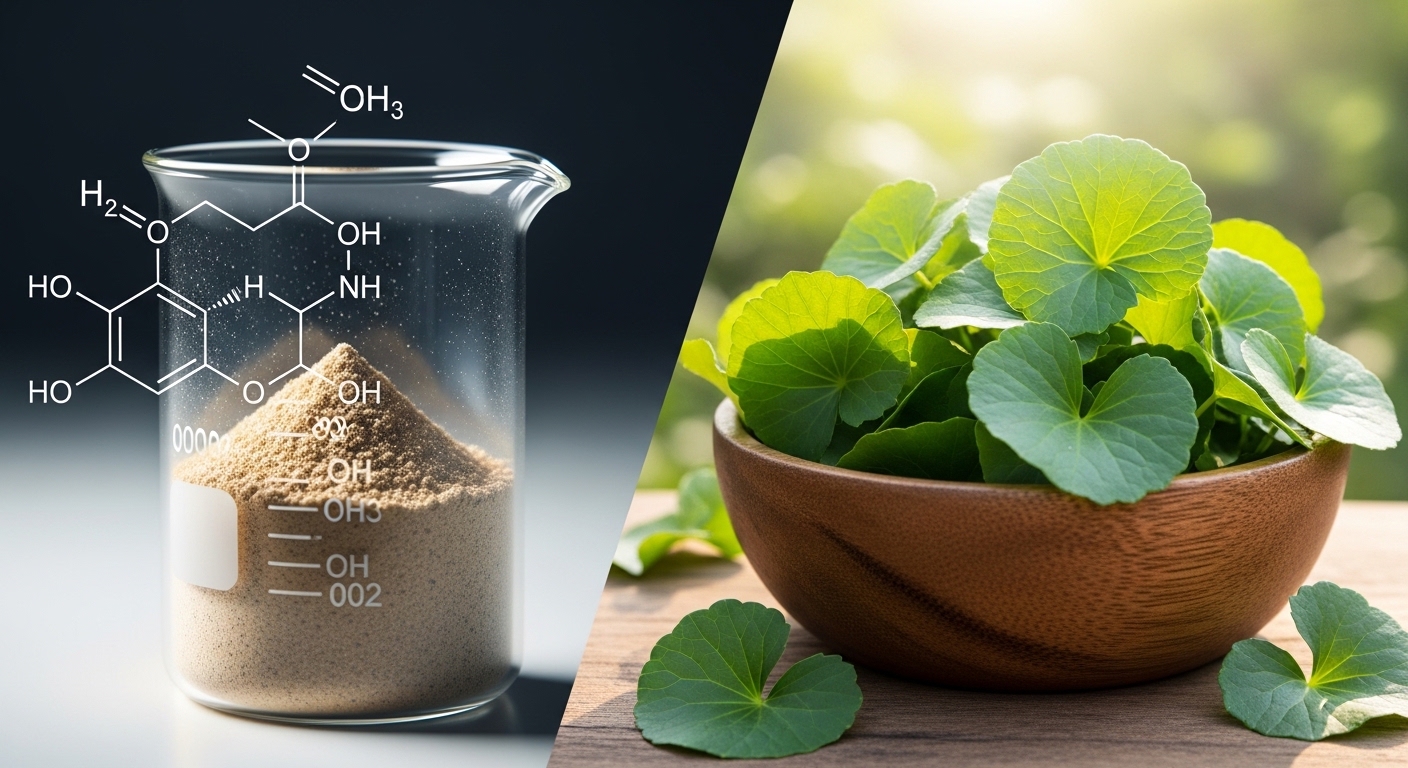
Deciding between gotu kola standardized extract vs whole herb depends on whether you prioritize consistent clinical potency or the traditional synergy of the entire plant. While the whole herb offers a broad spectrum of natural compounds, standardized extracts guarantee a specific concentration of active triterpenes, such as asiaticoside, ensuring reliable results for cognitive and skin health.
Gotu Kola (Centella asiatica) has been a staple in Ayurvedic and Traditional Chinese Medicine for centuries. Often called the “herb of longevity,” it is used to sharpen the mind and heal the body. However, modern science has introduced a fork in the road for consumers. Do you take the plant as nature intended, or do you opt for a lab-verified extract? This guide breaks down every nuance to help you make an informed choice for your bio-thriving journey.
What is the Primary Difference Between Gotu Kola Standardized Extract and Whole Herb?
The main difference lies in potency and predictability. Whole herb gotu kola consists of the dried, powdered leaves containing all the plant’s natural constituents in varying amounts. In contrast, a standardized extract is processed to ensure a guaranteed percentage (usually 10% to 40%) of active medicinal compounds like triterpenes.
The Whole Herb Experience
When you consume the whole herb, you are getting the “entourage effect.” This means all the phytochemicals, fibers, and minerals work together. However, the concentration of the “good stuff”—the asiaticosides—can vary wildly based on where the plant was grown, when it was harvested, and how it was dried.
The Standardized Extract Advantage
Think of a standardized extract as a “precision tool.” If a clinical study says you need 60mg of triterpenes to improve venous insufficiency or memory, an extract allows you to hit that exact number every time. Much like ginkgo biloba standardized extract benefits, gotu kola extracts provide a level of reliability that raw powders simply cannot match.
How Does the Chemical Profile of Gotu Kola Impact Your Results?
The effectiveness of Gotu Kola is driven by its active triterpenoid saponins, specifically asiaticoside, madecassoside, and asiatic acid. Standardized extracts isolate these specific molecules to therapeutic levels. Whole herbs contain these same molecules but at much lower, fluctuating concentrations, often diluted by the plant’s structural cellulose and inactive matter.
| Compound | Primary Benefit | Found Highest In |
| Asiaticoside | Collagen synthesis & wound healing | Standardized Extract |
| Madecassoside | Anti-inflammatory & skin hydration | Standardized Extract |
| Asiatic Acid | Neuroprotection & antioxidant | Standardized Extract |
| Flavonoids | General antioxidant support | Whole Herb |
If you are looking for specific medicinal outcomes, such as reducing anxiety or improving circulation, the concentration of these saponins is non-negotiable.
Is Gotu Kola Standardized Extract Better for Cognitive Enhancement?
Yes, standardized extracts are generally superior for cognitive enhancement because they provide the high doses of asiaticosides required to stimulate nerve growth factors. By guaranteeing active levels, these extracts consistently support “dendrite arborization,” which is the process of neurons branching out to communicate better, leading to improved memory and focus.
Boosting Brain Power
In my experience working with nootropic protocols, users often report a “subtle clarity” within 30 minutes of taking a high-potency extract. The whole herb, while nutritious, often requires much higher doses (several grams) to achieve the same neurological “spark.” This is a similar dilemma faced when comparing ashwagandha standardized vs whole root, where the concentration of withanolides dictates the stress-relief response.
- Standardized: Best for brain fog, memory recall, and intense focus.
- Whole Herb: Best for long-term, gentle tonic use and general wellness.
Which Form is More Effective for Skin Health and Wound Healing?
Standardized extracts are the preferred choice for skin health due to their concentrated madecassoside content, which significantly boosts collagen production. While whole herb poultices are traditional, modern clinical trials on stretch marks and wound recovery almost exclusively utilize standardized extracts to ensure the biological “triggers” for skin repair are sufficiently present.
The Science of Collagen
Gotu Kola is often called “the plant version of retinol.” It doesn’t just hydrate; it actually talks to your fibroblast cells.
- Topical Use: Most high-end serums use a standardized extract (often 95% triterpenes) because the raw leaf powder would be too gritty and weak.
- Oral Use: Taking an extract internally supports the skin’s structural integrity from the inside out.
Are There Any Benefits to Using Whole Herb Gotu Kola?
The primary benefit of whole herb Gotu Kola is its holistic synergy and lower processing level. It contains co-factors, minerals, and fibers that are often stripped away during the extraction process. For those who prefer “food-based” medicine and are not targeting a specific medical condition, the whole herb offers a balanced, gentle approach.
When to Choose the Whole Herb
- Culinary Use: In Sri Lanka, “Gotu Kola Sambol” is a delicious salad. You can’t eat an extract for lunch!
- Sensitivity: Some people find concentrated extracts too stimulating. The whole herb is much milder on the system.
- Cost: Whole herb powders are significantly cheaper than high-tech extracts.
Much like the comparison of milk thistle standardized vs whole herb, the whole plant is often viewed as a “maintenance” tool, while the extract is the “repair” tool.
How Do Dosing Requirements Compare Between the Two Forms?
Dosing for gotu kola standardized extract is typically much lower, usually 30mg to 120mg taken two to three times daily. For the whole herb powder, the dosage must be significantly higher to achieve therapeutic effects, often ranging from 1,000mg to 4,000mg per day, which can be difficult to consume in capsule form.
| Feature | Standardized Extract | Whole Herb Powder |
| Typical Daily Dose | 60–180 mg | 1,000–4,000 mg |
| Capsules Needed | 1–2 small capsules | 4–8 large capsules |
| Potency per gram | Very High | Low |
| Consistency | Lab-Guaranteed | Seasonally Variable |
What Should You Look for on a Gotu Kola Supplement Label?
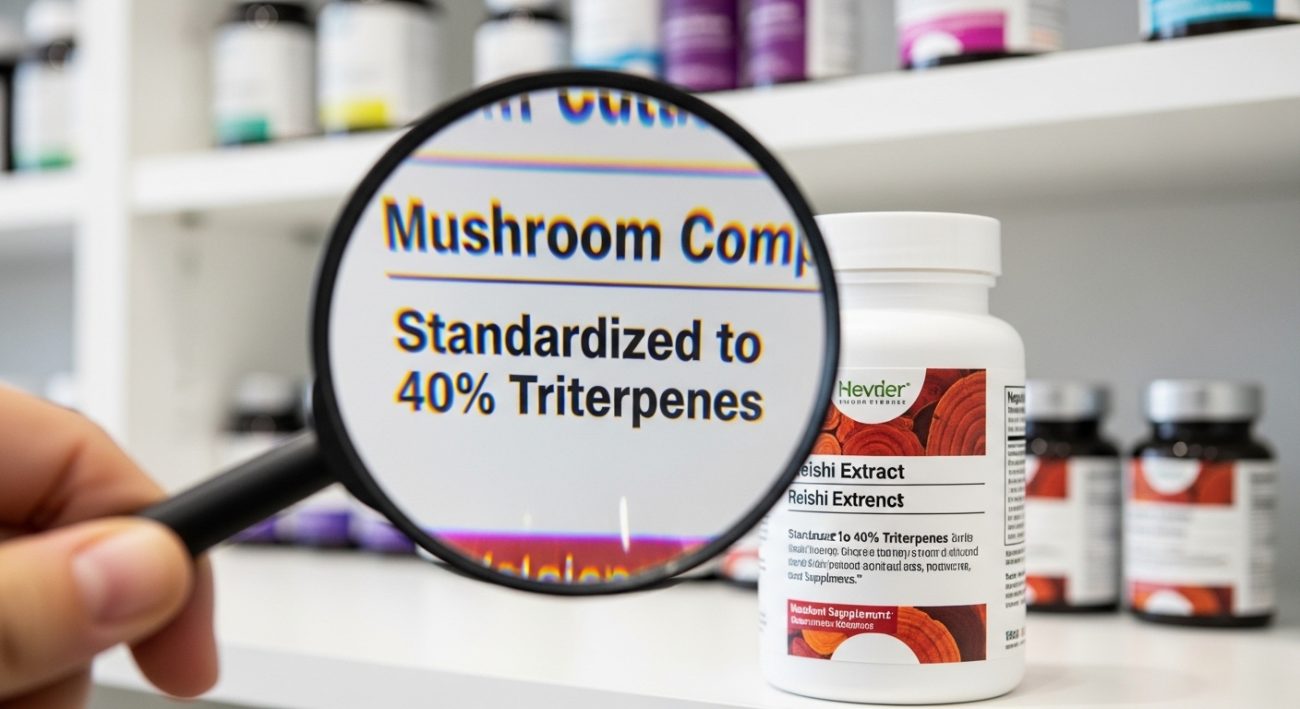
When shopping, look for “Standardized to [X]% Triterpenes” or “Contains [X]% Asiaticosides.” If the label only says “Gotu Kola (Centella asiatica),” it is likely a whole herb product. Ensure the manufacturer provides third-party testing for heavy metals, as Gotu Kola is a bio-accumulator that can soak up toxins from the soil.
Red Flags to Avoid
- “4:1 Extract”: This is a ratio extract, not a standardized one. It means 4kg of herb made 1kg of powder, but it doesn’t guarantee the amount of active compounds.
- No Origin Mentioned: Knowing where the herb is sourced helps ensure it wasn’t grown in polluted marshlands.
If you are also looking at anti-inflammatory herbs, checking for similar labeling standards in turmeric standardized extract benefits can help you build a high-quality supplement stack.
Are There Side Effects to Consider for Each Type?
Both forms are generally safe, but standardized extracts carry a slightly higher risk of mild side effects like dizziness or headaches due to their high potency. Whole herbs are less likely to cause acute reactions but may cause digestive upset if consumed in the large quantities required to see results.
Pro-Tip: Always start with a half-dose of a standardized extract to see how your brain chemistry reacts. Because it crosses the blood-brain barrier effectively, the “clarity” can sometimes feel like a mild caffeine buzz.
Final Verdict: Which One Should You Buy?
If your goal is biohacking, cognitive recovery, or treating a specific venous issue, the Gotu Kola standardized extract is the clear winner. Its precision and potency provide the “clinical edge” needed for measurable results. However, if you are looking for a nutritional boost to add to smoothies or a gentle daily tonic for general longevity, the whole herb remains a beautiful, time-tested option.
Summary Checklist
- Choose Standardized if: You want memory focus, skin repair, or leg circulation help.
- Choose Whole Herb if: You want a cheap, natural tonic or enjoy the “food-as-medicine” philosophy.

