
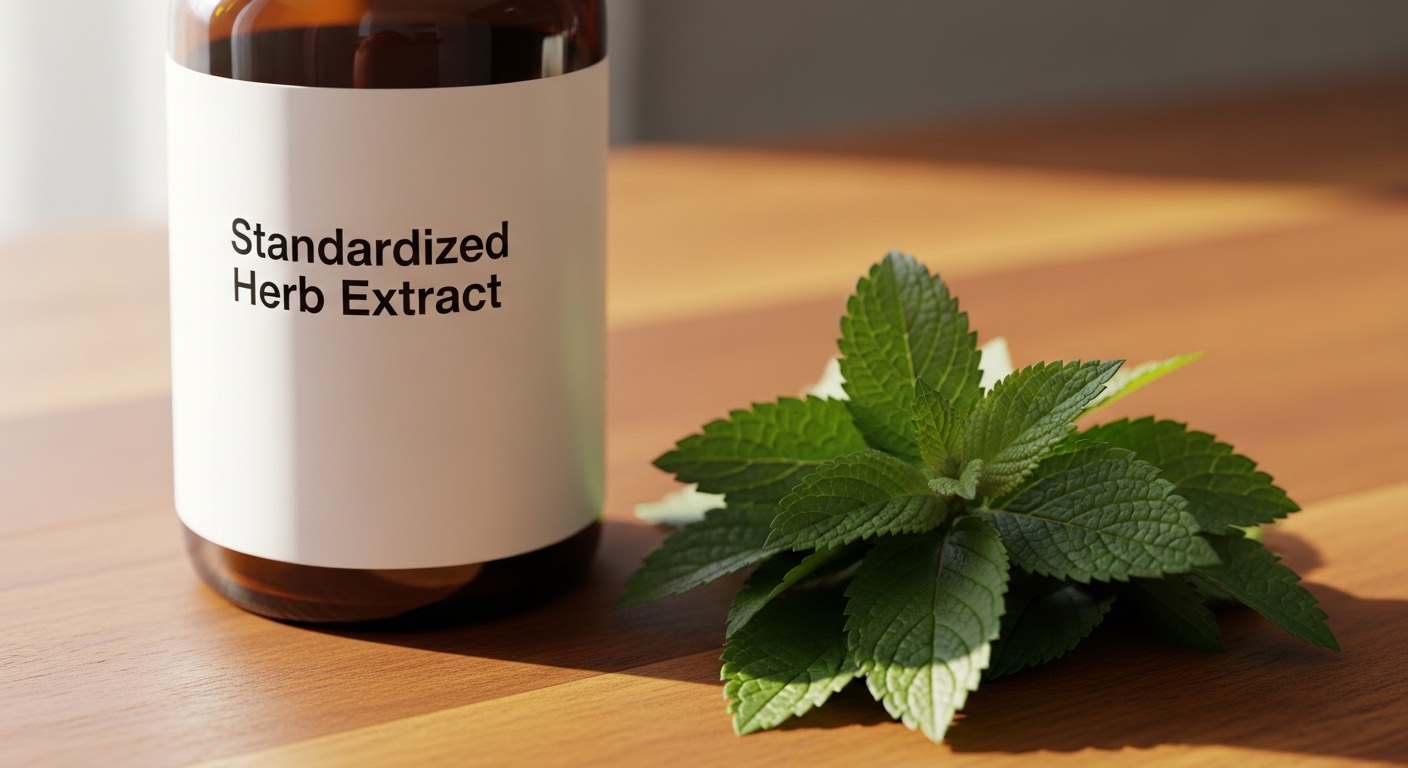
To use standardized herb extracts effectively, start by identifying the specific active compound (like curcumin in turmeric or ginsenosides in ginseng) that meets your health goals. Because these extracts provide a guaranteed, consistent potency, you should strictly follow the dosage instructions on the product label or those provided by a healthcare professional. Most standardized extracts are taken orally in capsule or tablet form, usually with water or a meal to enhance absorption. Unlike raw herbs, these are concentrated; therefore, “less is more” often applies. Always check for the “percent standardization” on the label to ensure you are getting the precise therapeutic dose required for results.
What are Standardized Herb Extracts?
Standardized herb extracts are botanical supplements processed to contain a specific, measurable amount of a primary active ingredient. While raw plant material can vary in potency due to soil quality or harvest time, a standard-herb-extract provides a “guaranteed” level of the herb’s medicinal markers.
Why Consistency Matters in Herbalism
In traditional herbalism, one batch of tea might be stronger than the next. Standardization removes this guesswork. It allows scientists and consumers to know exactly how much of a chemical constituent—such as silymarin in milk thistle—is present in every dose. This precision is why medical researchers prefer standardized versions for clinical trials.
How to Determine the Right Dosage
Using these extracts requires a shift in mindset from “food-based” herbs to “supplement-based” extracts. Because the active ingredients are concentrated, the volume of powder you consume is significantly lower than if you were using the whole root or leaf.
- Read the Percentage: Look for a label that says something like “25% Anthocyanins.” This tells you the concentration of the power within the extract.
- Follow Manufacturer Guidelines: Most reputable brands calibrate their capsules to match the dosages used in successful clinical studies.
- Consult a Professional: Especially if you are taking prescription medications, as concentrated extracts can interact with drugs more potently than whole herbs.
Is it better to take standardized extract or whole herb?\
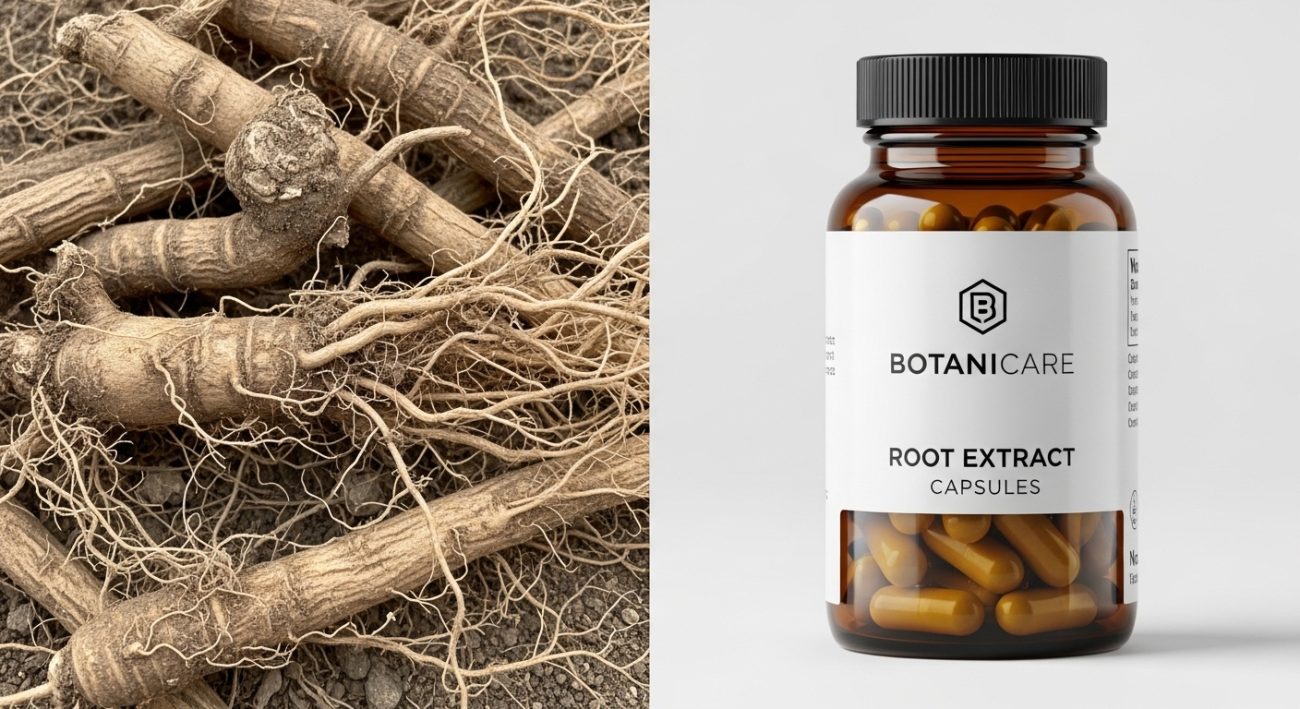
Standardized extracts are generally better for targeting specific health concerns that require a precise dose, while whole herbs are often preferred for general wellness and the “entourage effect” of the plant’s full chemistry. The choice depends on whether you need a guaranteed therapeutic punch or a holistic, broad-spectrum approach.
For example, when looking at gotu kola standardized extract vs whole herb, the extract is often used for clinical skin healing or venous insufficiency, whereas the whole herb is used in traditional cooking and general tonics.
How do you know if an extract is high quality?
A high-quality extract will clearly list the botanical name, the part of the plant used, and the specific marker it is standardized to. Look for third-party testing certifications (like USP, NSF, or Informed-Choice) which verify that the bottle actually contains what the label claims without heavy metal contamination.
In the case of ginkgo biloba standardized extract benefits, the industry standard is usually 24% ginkgo flavone glycosides and 6% terpene lactones. If a product doesn’t list these percentages, it may just be ground-up leaf powder rather than a true extract.
Comparing Popular Standardized Extracts
To help you decide which format fits your needs, here is a breakdown of how common herbs are standardized compared to their raw forms.
| Herb | Standardized Marker | Common Usage | Whole Herb Comparison |
| Ashwagandha | Withanolides | Stress & Cortisol | ashwagandha standardized vs whole root |
| Turmeric | Curcuminoids | Inflammation | turmeric standardized extract benefits |
| Milk Thistle | Silymarin | Liver Support | Whole seeds have low bioavailability. |
| St. John’s Wort | Hypericin | Mood Support | Tea varies wildly in potency. |
Are standardized extracts safe for long-term use?
Most standardized extracts are safe for long-term use when taken within the recommended dosage range, but “cycling” (taking a break every few months) is often recommended for certain adaptogens. Because they are potent, your body may need a rest period to prevent desensitization or minor side effects like digestive upset.
Frequently Asked Questions
What does “standardized to 95%” mean?
This means that 95% of the extract’s weight consists of the specific active compound mentioned (e.g., 95% curcuminoids). The remaining 5% is usually other plant matter or natural binders.
Can I open the capsules and put them in food?
Yes, but be aware that many standardized extracts are very bitter or have strong flavors. Also, some extracts are designed in “delayed-release” capsules to survive stomach acid, so opening them might reduce their effectiveness.
Do standardized extracts contain chemicals?
While “standardized” sounds industrial, it usually refers to a natural extraction process (using water, alcohol, or $CO_2$) to concentrate the plant’s own chemistry.
Key Takeaways
- Consistency is Key: Standardized extracts ensure you get the same therapeutic dose every time.
- Check the Label: Look for the specific active compound and its percentage (e.g., 5% withanolides).
- Start Small: Because they are concentrated, always start with the lowest recommended dose.
- Bioavailability Matters: Some extracts, like turmeric, often need healthy fats or black pepper for better absorption.
Conclusion
Standardized herb extracts offer a bridge between traditional herbal wisdom and modern pharmacological precision. By focusing on specific active compounds, you can target health goals—from reducing inflammation to improving memory—with much higher confidence in your results.
Ready to upgrade your supplement cabinet? Always cross-reference your products with the clinical standards mentioned above to ensure you’re getting the most for your money.

