

To read herbal supplement labels effectively, start by identifying the Supplement Facts panel. Focus on three critical elements: the common name of the herb, the part of the plant used (e.g., leaf vs. root), and whether the product is a whole herb or a standardized extract. A high-quality label will clearly state the concentration of active compounds, such as “24% ginkgo flavone glycosides,” which ensures you are getting a consistent dose. Always check for the serving size, the amount per serving, and the “Other Ingredients” list to identify fillers or allergens. Finally, look for third-party certifications (like USP or NSF) to verify that the ingredients inside the bottle match what is written on the outside.
What Information is Required on a Supplement Label?
The FDA regulates dietary supplement labeling to ensure consumers have access to specific nutritional information. Every label must include a Statement of Identity (the name of the supplement), the Net Quantity of Contents, and a Supplement Facts panel.
The most important section for your health is the Supplement Facts. This is where you will find the “Amount Per Serving.” Unlike food labels, herbal supplements often list the weight of the herb in milligrams (mg). However, weight alone doesn’t tell the full story—you also need to know the form of the herb, which dictates how well your body can use it.
How to Tell the Difference Between Whole Herbs and Extracts
When you look at a label, you’ll see the herb listed as either “whole herb powder” or “extract.” A whole herb is simply the dried plant ground into powder. While natural, it may not contain high levels of the specific compounds that provide health benefits.
An extract, however, is processed to concentrate those beneficial compounds. For example, when looking at ginkgo biloba standardized extract benefits, the label will specify that the extract is concentrated to a certain ratio. This ensures you aren’t just eating plant fiber, but receiving the active “medicine” of the plant.
Why Standardized Extracts Matter
Standardization is a process where manufacturers guarantee that a specific amount of an active ingredient is present in every capsule. If you are comparing gotu kola standardized extract vs whole herb, the standardized version offers more predictable results. This is crucial for maintaining a steady wellness routine.
What does “standardized” mean on a supplement label?
“Standardized” means the manufacturer has verified that a specific chemical marker or active compound is present in a consistent, measurable amount. This ensures that every batch of the supplement provides the same level of potency and efficacy.
When you see a standard-herb-extract on a label, it usually follows a format like “Herb Name (Standardized to X%)”. For example, a Turmeric label might say “Standardized to 95% Curcuminoids.” This level of transparency is a sign of a high-quality product.
How do I know how much of an herbal supplement to take?
The recommended dosage is found under the “Suggested Use” section of the label, but it should be cross-referenced with the concentration of active ingredients. Always start with the manufacturer’s suggestion unless directed otherwise by a healthcare professional.
To dive deeper into specific measurements, you can consult a standardized herb extract dosage guide. It’s important to remember that more isn’t always better; the goal is to find the “therapeutic window” where the herb is effective without causing side effects. Knowing how to use standardized herb extracts correctly is the key to long-term safety.
Decoding the “Other Ingredients” List
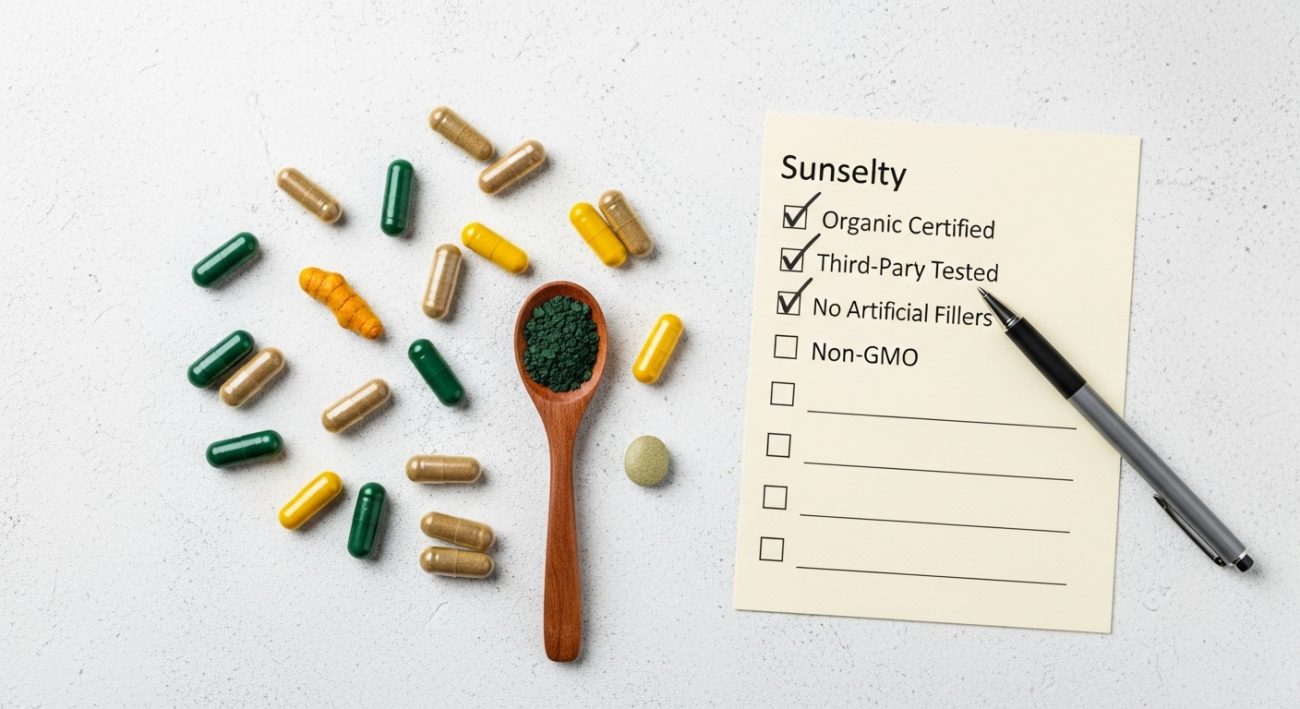
The “Other Ingredients” section is located just below the Supplement Facts. These are the “inactive” substances used to create the capsule, prevent clumping, or preserve the product. Common items include:
- Magnesium Stearate: A flow agent that prevents ingredients from sticking to machinery.
- Silicon Dioxide: An anti-caking agent.
- Hypromellose/Cellulose: The material used to make vegetarian capsules.
- Rice Flour: Often used as a filler to take up space in a capsule.
While these are generally safe, individuals with specific allergies (like corn or soy) should scan this list carefully, as “natural flavors” or fillers can sometimes contain hidden allergens.
Whole Herb vs. Standardized Extract Comparison
| Feature | Whole Herb Powder | Standardized Extract |
| Composition | Entire plant part (dried/ground) | Concentrated active compounds |
| Potency | Variable (depends on soil/harvest) | Consistent (guaranteed markers) |
| Labeling | Lists only total weight (mg) | Lists weight AND % of active compound |
| Best For | Gentle, traditional support | Targeted therapeutic results |
Frequently Asked Questions
What is a “4:1 Extract” on a label?
This is a concentration ratio. It means that 4 pounds of the raw herb were used to create 1 pound of the concentrated extract. It is a way of showing the strength of the product without identifying a specific chemical marker.
Does the “Part of Plant Used” really matter?
Yes. For many herbs, the active compounds are only found in specific areas. For example, Valerian root is used for sleep, while the leaves are generally ineffective. If a label doesn’t specify the plant part, it may be a lower-quality “aerial parts” mix.
What are third-party seals like USP or NSF?
These seals indicate that an independent lab has tested the product to ensure it contains the ingredients listed, dissolves properly in the body, and is free from contaminants like heavy metals or pesticides.
Key Takeaways
- Look for Standardization: Ensure the label lists a percentage of active compounds (e.g., 5% Ginsenosides).
- Check the Plant Part: Verify that the label specifies “Root,” “Leaf,” or “Flower” to match traditional use.
- Scrutinize “Other Ingredients”: Watch for unnecessary fillers, artificial colors, or allergens like soy and gluten.
- Verify with Third-Party Seals: Look for NSF, USP, or Informed-Choice logos to guarantee purity.
Conclusion
Learning how to read herbal supplement labels is the most important skill you can develop as a natural health consumer. By looking past the marketing claims on the front and focusing on the standardized markers and plant parts on the back, you can ensure you’re buying a product that is both safe and effective.
Always consult with a healthcare provider before starting a new regimen, and check out our full range of guides to find the right extracts for your needs.

