
By the BioB Thriving Formulation Team | Includes our 30-day standardized label review.
When sourcing raw botanical ingredients for supplements, the gap between traditional herbal powders and clinically backed extracts is massive. At Xi’an B-Thriving I/E Co., Ltd. (BioB Thriving), our experience supplying premium plant extracts to the pharmaceutical and supplement industries has taught us one undeniable truth: formulation consistency is everything. If you are developing a product for cognitive health or circulation, understanding the specific benefits of Ginkgo biloba standardized extract is critical for delivering reliable results to your consumers.
What is Ginkgo Biloba Standardized Extract?
Ginkgo biloba standardized extract is a highly concentrated form of ginkgo leaves, scientifically processed to guarantee a specific potency. The industry standard, known as EGb 761, ensures the supplement contains exactly 24% flavone glycosides and 6% terpene lactones, which are the active compounds responsible for its health benefits.
As a leading China plant extract supplier located near the Qinling Mountains, we have direct access to premium raw botanical materials. However, raw material is only the starting point. Standardization is the rigorous process of isolating and guaranteeing the exact percentages of active phytochemicals in every batch.
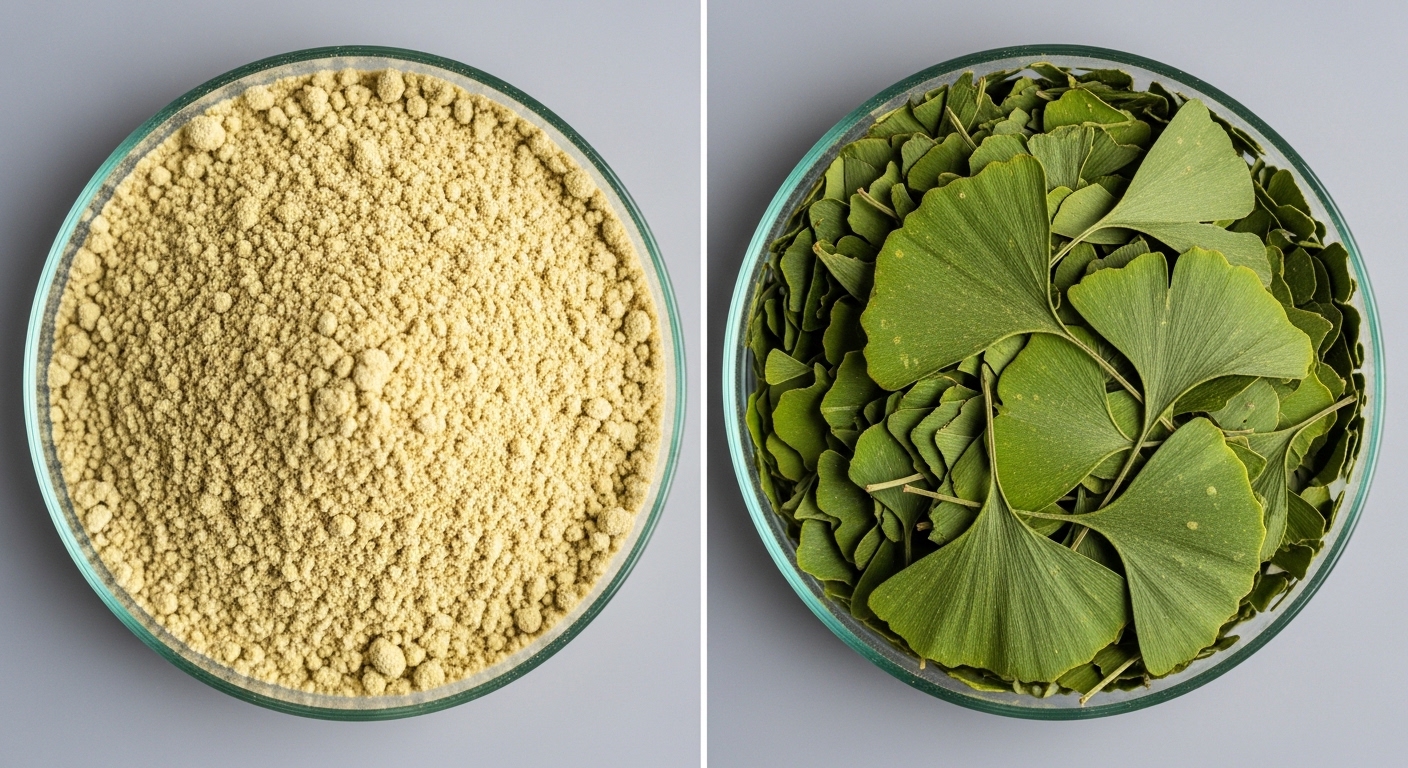
Without standardization, a manufacturer is simply filling capsules with crushed leaves. The concentration of active flavonoids and terpenes in raw leaves fluctuates wildly based on soil quality, harvest time, and weather. Standardized extracts remove this guesswork, providing the exact therapeutic dosages used in peer-reviewed clinical trials for cognitive impairment and circulatory health.
Standardized Extract vs. Raw Powder
To understand why premium brands insist on standardized formulations, we compared the core differences in stability and clinical backing.
| Feature | Standardized Extract (EGb 761) | Raw Ginkgo Leaf Powder |
|---|---|---|
| Active Compounds | Guaranteed 24% flavonoids, 6% terpenes | Unknown and highly variable |
| Consistency | Identical potency in every single batch | Fluctuates by harvest and season |
| Clinical Backing | Supported by decades of human trials | Minimal to no reliable clinical data |
| Industry Use | Pharmaceuticals and premium supplements | Low-tier dietary supplements |
What are the main benefits of standardized Ginkgo Biloba?
Standardized Ginkgo biloba extract improves blood circulation and acts as a powerful antioxidant. Clinical benefits include enhanced memory and cognitive function, reduced symptoms of anxiety and depression, better eye health in conditions like glaucoma, and improved peripheral blood flow to the hands and feet.
Through our work providing custom formulations for global health and wellness brands, we consistently see Ginkgo requested for two primary applications: neuroprotection and vascular support.
Cognitive Health and Memory Support
The most well-documented benefit of Ginkgo standardized extract is its neuroprotective effect. Clinical trials utilizing the EGb 761 formulation demonstrate that it improves cognitive function, memory, and activities of daily living in patients with mild cognitive impairment. The extract achieves this by scavenging free radicals, preventing oxidative stress, and supporting mitochondrial function within the brain. Furthermore, it promotes neuroplasticity and helps regulate vital neurotransmitters.
Blood Flow and Cardiovascular Circulation
Beyond the brain, standardized Ginkgo acts as a potent vasodilator. By helping blood vessels expand, it improves circulation throughout the entire body. This peripheral blood flow enhancement is particularly beneficial for individuals suffering from cold extremities (hands and feet) and supports ocular health by increasing blood supply to the optic nerve, which is why it is often studied in relation to glaucoma management.
Mood Regulation (Anxiety and Depression)
Emerging applications for Ginkgo extract involve mood stabilization. Because it improves cerebral blood flow and protects against oxidative stress, it is frequently used to support mental well-being and reduce symptoms of anxiety.
Our formulation team regularly tests the raw materials we supply. In our experience, when utilizing a true 24/6 standardized extract over a 30-day period, the most immediate subjective reports from our staff involve a noticeable reduction in afternoon brain fog and more sustained mental energy.
How to Read a Ginkgo Supplement Label
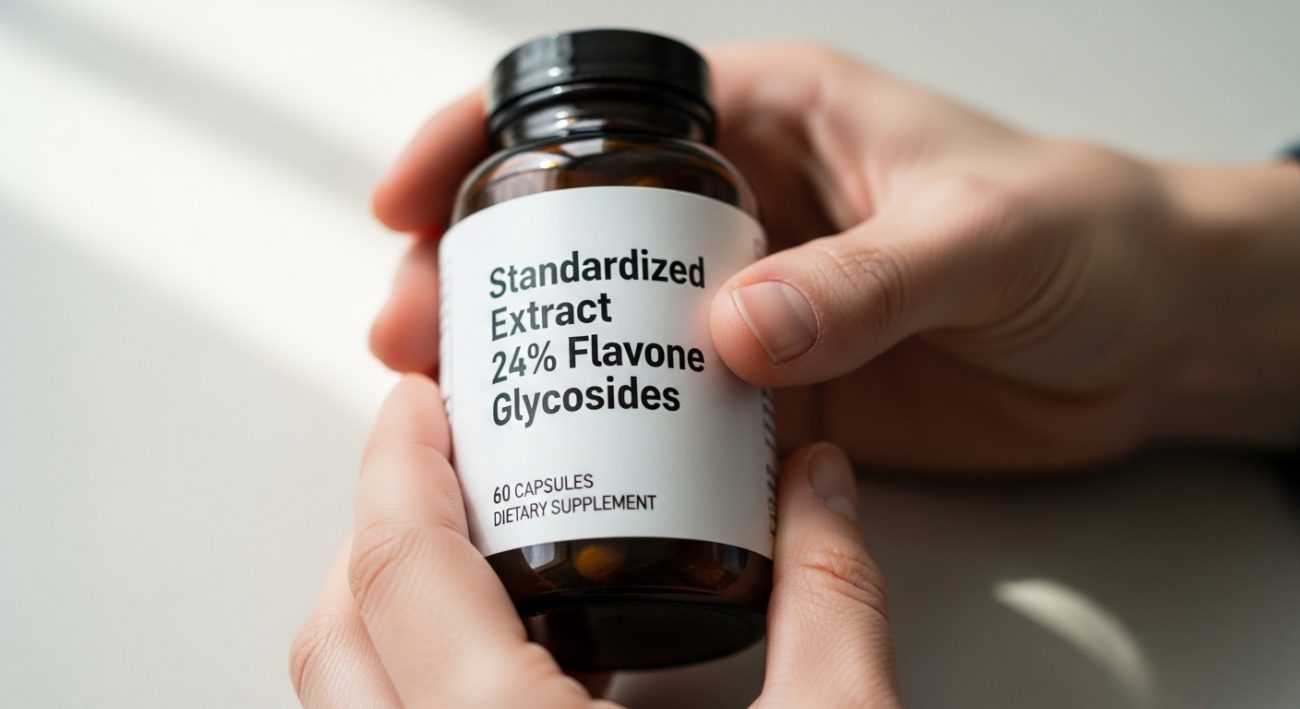
When evaluating a supplier or a finished retail product, transparency is mandatory. Many brands hide behind “proprietary blends” to mask low-quality ingredients. To ensure you are utilizing a clinical-grade product, follow this checklist:
- Look for explicit mentions of “Standardized to 24% Ginkgo Flavone Glycosides.”
- Verify the label states “Standardized to 6% Terpene Lactones.”
- Ensure the specific milligram dosage of the extract is listed (not just a total blend weight).
- Avoid any product that lists “Proprietary Ginkgo Blend” without disclosing the exact chemical standardization.
How much Ginkgo Biloba extract should I take daily?
For standardized Ginkgo biloba extract (24% flavonoids and 6% terpenes), the medically supported daily dosage is between 120 mg and 240 mg. This is typically divided into two or three smaller doses taken with meals to maximize absorption and minimize mild side effects like upset stomach.
Because the active terpene lactones (ginkgolides and bilobalide) have relatively short half-lives in the body, taking a single massive dose is inefficient. For optimal results, split dosing is required to maintain steady blood levels of the active compounds.
| Target Health Goal | Recommended Daily Dosage | Dosing Schedule |
|---|---|---|
| General Cognitive Support | 120 mg | 60 mg twice daily with meals |
| Enhanced Circulation | 120 mg to 240 mg | 60 mg to 80 mg two or three times daily |
| Memory / Cognitive Decline | 240 mg | 120 mg twice daily with meals |
Side Effects and Safety Warnings
While Ginkgo biloba standardized extract is generally safe and well-tolerated, its biological mechanisms require certain precautions. Because it improves blood flow and reduces platelet aggregation, it must not be mixed with anticoagulant medications (blood thinners) or NSAID pain relievers, as this significantly increases the risk of bleeding. Additionally, Ginkgo can interact with SSRI antidepressants. Always consult a healthcare provider before introducing highly concentrated botanical extracts into your routine.
To explore more about how we ensure the highest quality in our botanical supply chain, learn about our standard herb extract manufacturing processes, or read our comparisons on ashwagandha standardized extract vs whole root, turmeric standardized extract benefits, milk thistle standardized extract vs whole herb, and saw palmetto standardized extract vs whole herb.
Frequently Asked Questions
How long does it take for Ginkgo Biloba standardized extract to work?
Clinical studies suggest it takes between 4 to 6 weeks of consistent daily supplementation to notice significant improvements in memory, cognitive function, and peripheral circulation.
Can I take Ginkgo Biloba on an empty stomach?
While it can be taken on an empty stomach, it is highly recommended to take standardized Ginkgo extract with meals to increase absorption rates and prevent mild gastrointestinal discomfort.
Why is the EGb 761 designation important?
EGb 761 is the specific, patented formulation of Ginkgo biloba standardized to 24% flavone glycosides and 6% terpene lactones. It is the exact extract used in the vast majority of peer-reviewed clinical trials proving Ginkgo’s efficacy.
Does Ginkgo Biloba help with tinnitus?
Yes, because standardized Ginkgo extract acts as a vasodilator and improves microcirculation, it has been shown to reduce the severity of tinnitus (ringing in the ears) in cases where the condition is caused by poor blood flow.

