

Eco-friendly natural plant dyes and pigments are high-purity colorants derived from botanical sources like berries, roots, and flowers, offering a sustainable alternative to petroleum-based synthetic dyes. For B2B manufacturers in the food, cosmetic, and textile sectors, these ingredients provide a path to regulatory compliance and consumer-driven “clean label” status. Shifting to botanical pigments requires a technical understanding of stability, solubility, and standardized extraction to ensure batch-to-batch consistency in industrial applications.
Why Shift to Sustainable Natural Pigments in B2B Manufacturing?
Global regulatory bodies and consumer advocacy groups are increasingly scrutinizing synthetic azo dyes. European procurement managers now prioritize eco-friendly natural plant dyes and pigments to meet Corporate Social Responsibility (CSR) goals and minimize environmental footprints. Unlike synthetic counterparts, plant-based colorants are biodegradable and typically carry a lower carbon footprint during production.
Beyond sustainability, these pigments offer a unique marketing advantage. Using natural dyes from plant pigments allows brands to align with the “nature-identical” trend. However, the transition involves technical hurdles. Manufacturers must balance the “eco-friendly” narrative with the reality of industrial processing, where heat, light, and pH levels can alter the final hue. Success in large-scale production depends on sourcing standardized extracts that provide predictable results.
Key Sources of High-Performance Natural Plant Dyes
Selecting the right botanical source is the first step in successful formulation. We categorize these pigments based on their chemical families, as each group behaves differently under processing conditions.
Anthocyanins and Flavonoids: The Chemistry of Reds and Purples
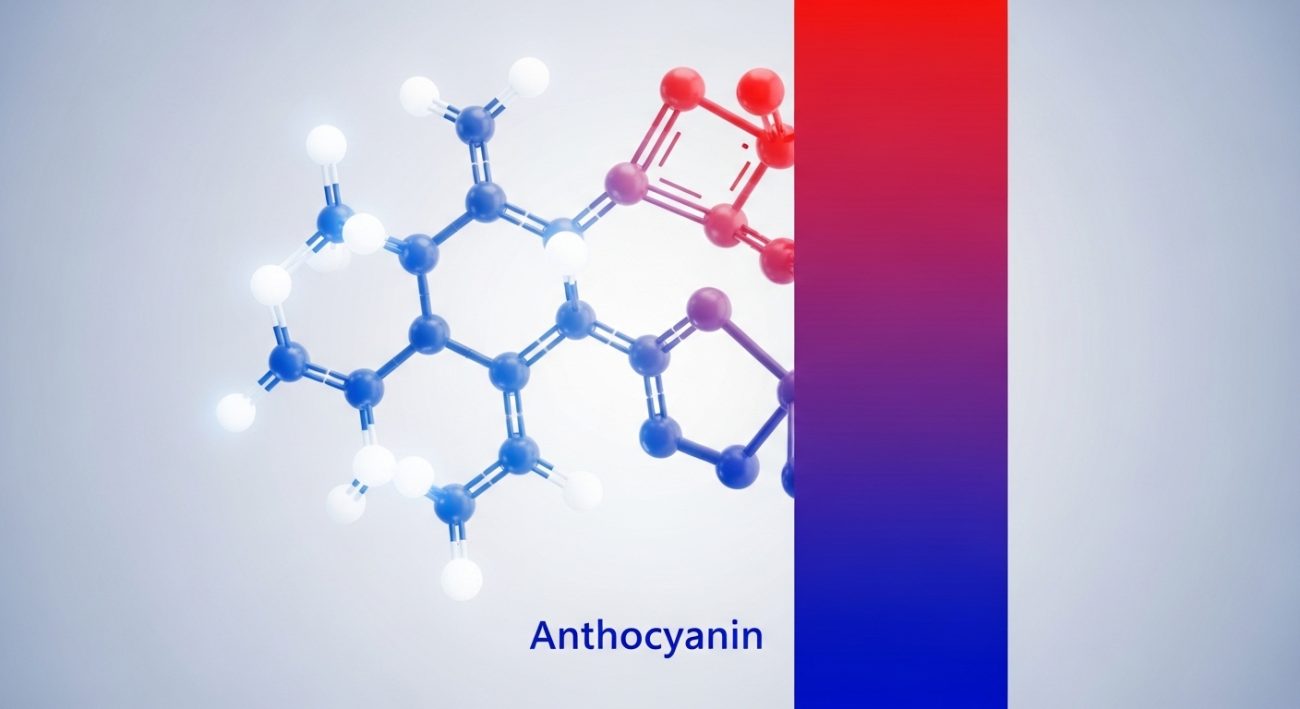
Anthocyanins are the most prevalent water-soluble vacuolar pigments in the plant kingdom. Sourced from bilberries, black carrots, and grapes, they provide a spectrum ranging from bright red to deep violet. These pigments are highly valued in the beverage and nutraceutical industries for their vibrant hues and antioxidant properties.
When formulating with anthocyanins, pH level is the critical variable. In acidic environments (pH 1-3), they appear reddish, while shifting toward a neutral pH moves the color toward blue and green. This sensitivity makes them ideal for targeted applications where the medium’s acidity is tightly controlled.
Carotenoids and Curcuminoids: Achieving Stable Yellows and Oranges
For yellow and orange applications, carotenoids and curcuminoids are the industry standards. Curcumin, extracted from turmeric (Curcuma longa), provides a brilliant yellow that is highly sought after in the food and supplement sectors. Carotenoids, found in marigolds and carrots, offer excellent oil solubility, making them perfect for fat-based cosmetic or food formulations.
As a leading natural plant pigment supplier, we ensure these extracts are standardized to specific active markers. This precision allows formulators to calculate exact dosage rates, ensuring that every production run matches the approved master sample.
Technical Evaluation: Stability and Solubility in Formulations
The primary challenge in replacing synthetic dyes is maintaining stability. Natural pigments are sensitive molecules that can degrade when exposed to oxygen, UV light, or high temperatures.
Overcoming pH Sensitivity in Natural Colorant Applications
As mentioned, pH levels dictate the visual outcome of many plant extracts. To achieve a stable “true red” or “sky blue,” formulators must often use buffers or acidity regulators. In complex matrices like skincare or functional beverages, the interaction between the pigment and other ingredients can cause precipitation or fading. Testing for these interactions at the R&D stage prevents costly failures during mass production.
Advancements in Microencapsulation for Enhanced Pigment Longevity
To solve the stability issue, Xi’an B-Thriving utilizes advanced microencapsulation and liposomal delivery technologies. By coating the pigment particles in a protective lipid or polymer shell, we shield the color from oxidative stress and thermal degradation. This technology is particularly effective for plant based pigments for natural makeup, where the color must remain vivid on the skin throughout the day.
Procurement Criteria: Sourcing Eco-Friendly Pigments for the EU Market
European B2B buyers operate under some of the world’s strictest safety standards. Procurement leads must look beyond the price per kilogram and evaluate the supplier’s quality management systems.
Regulatory Compliance: REACH, ISO, and Heavy Metal Testing

For any botanical ingredient entering the EU, compliance with REACH (Registration, Evaluation, Authorisation and Restriction of Chemicals) is non-negotiable. Furthermore, plant-based dyes must undergo rigorous testing for heavy metals, pesticide residues, and microbial count. At B-Thriving, every batch is accompanied by a comprehensive Certificate of Analysis (COA) that validates these safety parameters. This transparency simplifies the QA/RA approval process for our clients, accelerating their time-to-market.
Logistics and Bulk Supply Chain Reliability from China
Transitioning to natural plant pigments for textile dyeing or food production requires a stable supply chain. Seasonality can affect the availability and price of raw botanicals. We mitigate this risk by maintaining strategic stockpiles and long-term contracts with organic cultivation bases. This ensures that our European partners receive consistent bulk shipments, regardless of harvest fluctuations.
Frequently Asked Questions
Natural plant dyes vary in light-fastness; however, using stabilized extracts or microencapsulated forms significantly improves their resistance to UV fading. Our technical team provides specific light-stability data for each pigment category to help you choose the right fit for your packaging type.
Most botanical extracts used as colorants are compliant, provided they meet specific purity standards and are registered correctly. We provide full regulatory documentation for all our pigments to ensure seamless import into the European Union.
Microencapsulation creates a physical barrier around the pigment molecule, protecting it from heat, oxygen, and light. This process can extend the shelf life of a sensitive pigment by up to 24 months in some formulations.
Yes, we provide a Certificate of Analysis (COA) with every sample request. This allows your QA team to verify purity, active content, and safety markers before moving to a full-scale purchase.
Typical lead times for sea freight are 4-6 weeks, while air freight for urgent samples or smaller batches usually takes 7-10 days. We provide real-time tracking and logistics support for all international orders.

