
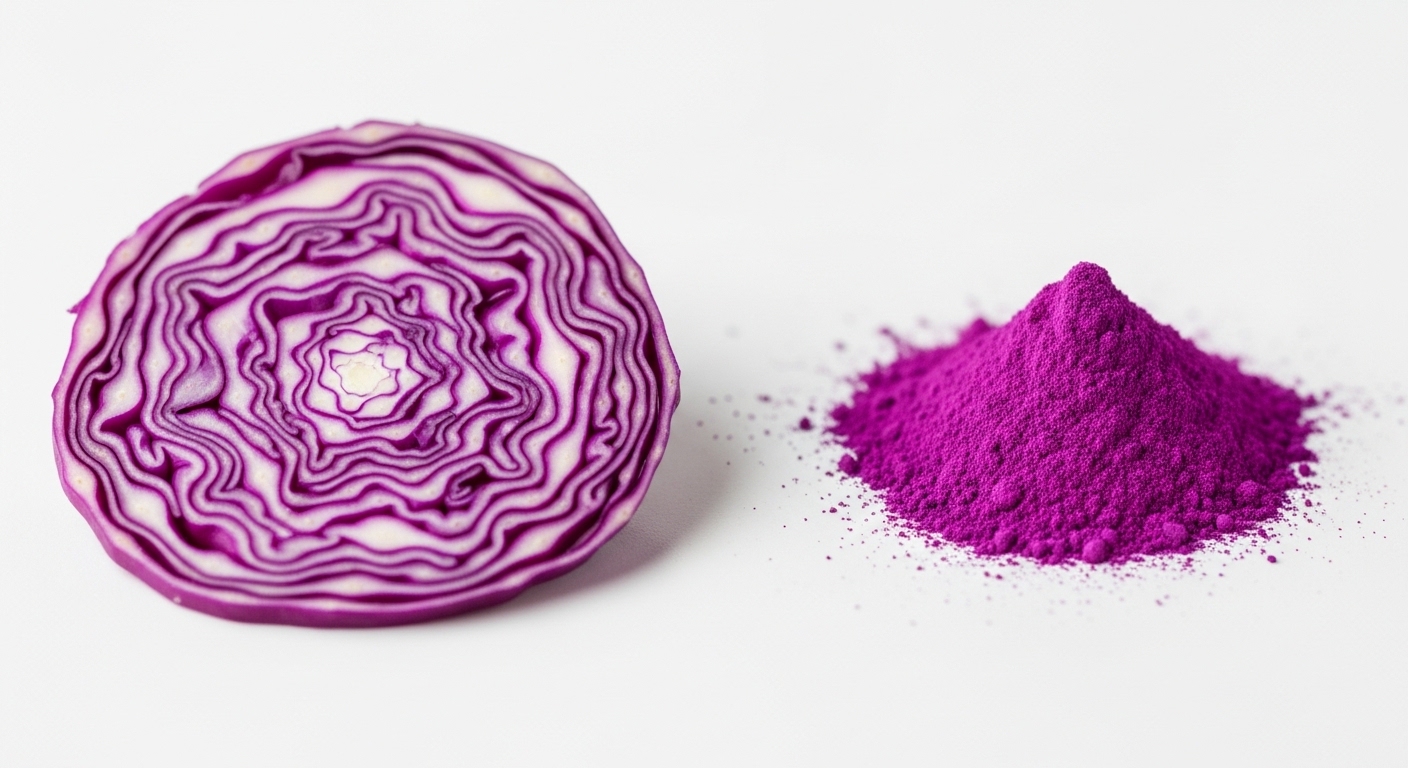
The global shift toward sustainable manufacturing has reached a tipping point in 2026. As regulatory bodies tighten restrictions on petroleum-derived colorants, the debate between natural plant pigments and synthetic dyes has evolved from a purely aesthetic choice to a critical strategic decision for “Clean Label” brands prioritizing consumer safety and environmental health.
The Core Chemistry: Bio-Based vs. Petroleum-Derived
Natural plant pigments are organic compounds like anthocyanins and carotenoids derived from renewable botanical sources, offering bioactive health benefits. In contrast, synthetic dyes are chemically synthesized from petroleum or coal tar. While synthetics provide intense vibrancy, plant pigments are now preferred for their non-toxic, biodegradable, and antioxidant-rich molecular profiles.
At BioB Thriving, our focus on sustainable extraction highlights the fundamental differences in molecular stability. While synthetic azo dyes are engineered for permanence through heavy metal fixation, plant-based alternatives utilize complex organic structures that interact safely with biological systems.
Comparison Matrix: 2026 Material Standards
| Feature | Natural Plant Pigments | Synthetic Dyes |
| Primary Source | Fruits, Roots, Algae, Flowers | Petroleum & Coal Tar |
| Molecular Base | Carbon-based Organic Chains | Azo Compounds |
| 2026 Regulatory Status | FDA/EFSA Recommended | Restricted / Phase-out initiated |
| Bioactivity | Antioxidant & Anti-inflammatory | Inert or Potentially Allergenic |
| Biodegradability | 100% Compostable | Requires Chemical Treatment |
Stability & Performance: Can Plants Compete?
Traditionally, natural plant pigments faced challenges with UV and pH sensitivity, but 2026 innovations in nano-encapsulation have bridged the performance gap. By shielding organic molecules within plant-based proteins, manufacturers can now achieve color fastness that rivals synthetic alternatives without compromising the “all-natural” status required for premium market positioning.
In our experience developing natural dyes from plant pigments, we have identified that stability is highly dependent on the “mordanting” process. We utilize natural tannins and mineral salts to lock colors into fibers, ensuring that eco-friendly textiles maintain their integrity through repeated wash cycles.
The pH Sensitivity Factor
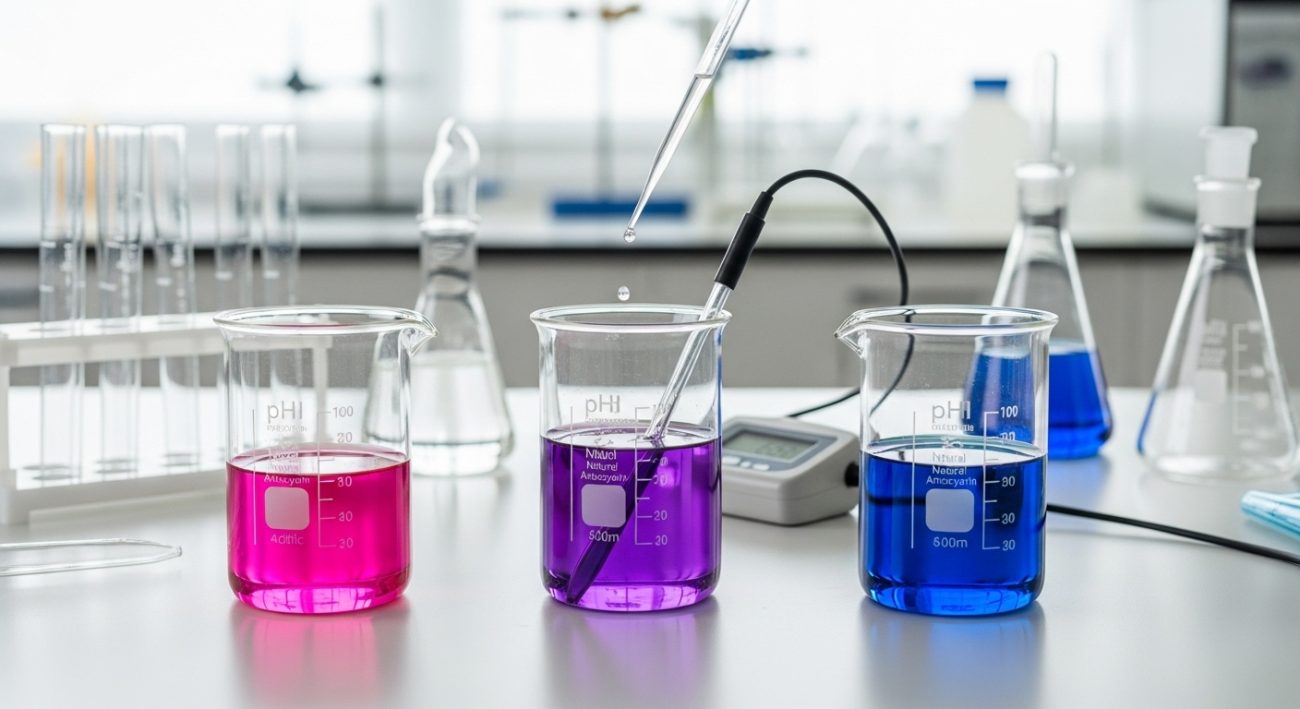
- Anthocyanins: Shift from red to purple/blue depending on acidity.
- Betalains: Maintain high stability in low-moisture environments.
- Chlorophyll: Requires copper-free stabilization for lasting greens.
Health & Environmental Impact
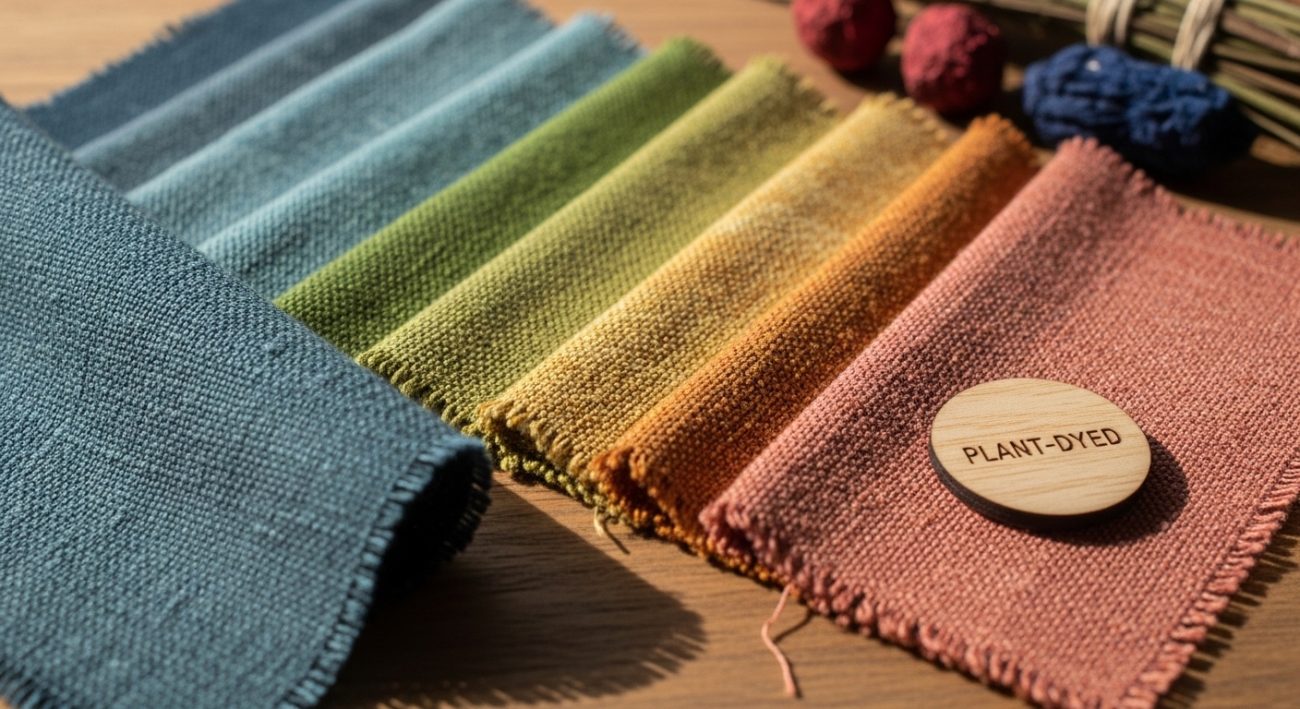
The environmental impact of natural plant pigments is significantly lower because they eliminate the discharge of toxic aromatic amines into water systems. Furthermore, the 2026 Clean Label Initiative rewards brands that replace synthetic Red 40 or Yellow 5 with plant-derived alternatives, as consumers increasingly link synthetic dyes to behavioral and metabolic health issues.
As a leader in eco-friendly plant dyes and pigments, BioB Thriving advocates for a “closed-loop” production model. Our research into natural plant pigments for textile dyeing shows that moving away from petroleum-based synthetics reduces a product’s carbon footprint by up to 60%, satisfying both ESG goals and consumer transparency demands.
Top 5 Natural Pigments to Watch in 2026
- Anthocyanins: Derived from berries and red cabbage; the primary source for blues and purples.
- Carotenoids: Sourced from carrots and algae; providing stable oranges and yellows.
- Curcumin: Extracted from turmeric; a powerful, bioactive yellow pigment.
- Chlorophyllin: The gold standard for natural-plant-pigment green shades.
- Phycocyanin: A rare, vibrant blue extracted from Spirulina algae.
Conclusion: Making the Switch for Your Brand
The transition from synthetic to natural is no longer a compromise on quality. With the advent of 2026 stabilization technologies, natural-plant-pigment solutions provide a safer, more ethical, and increasingly durable alternative for food, cosmetics, and textiles. At BioB Thriving, we remain committed to advancing these bio-based technologies to ensure a vibrant, non-toxic future.
Frequently Asked Questions
While the initial raw material cost for natural pigments is typically higher than mass-produced petroleum dyes, the total “Value-in-Use” is often higher in 2026. This is due to reduced toxic waste disposal fees, higher consumer price points for clean-label products, and compliance with new environmental taxes on synthetic chemicals.
Achieving high-intensity neon shades remains a challenge for pure plant extracts. However, by using high-purity phycocyanin and curcumin blends, we can produce remarkably vibrant teals and yellows. Most brands in 2026 are shifting their aesthetic toward these “earth-vibrant” tones which signal authenticity to the consumer.
Look for certifications such as ISO 16128 (Natural and Organic Cosmetics) or GOTS (Global Organic Textile Standard). At BioB Thriving, we provide full traceability for our pigments, ensuring they are derived from non-GMO botanical sources without the use of harmful chemical solvents during extraction.

