

Industrial extraction methods for natural plant pigments primarily include Supercritical Fluid Extraction (SFE-CO2), Ultrasonic-Assisted Extraction (UAE), and Microwave-Assisted Extraction (MAE). These technologies replace traditional maceration to improve yield, maintain molecular stability, and ensure compliance with strict EU safety regulations. For B2B procurement, the choice of method directly impacts the color intensity, shelf-life, and purity of the final botanical ingredient.
Why Extraction Technology Determines Pigment Stability and Purity
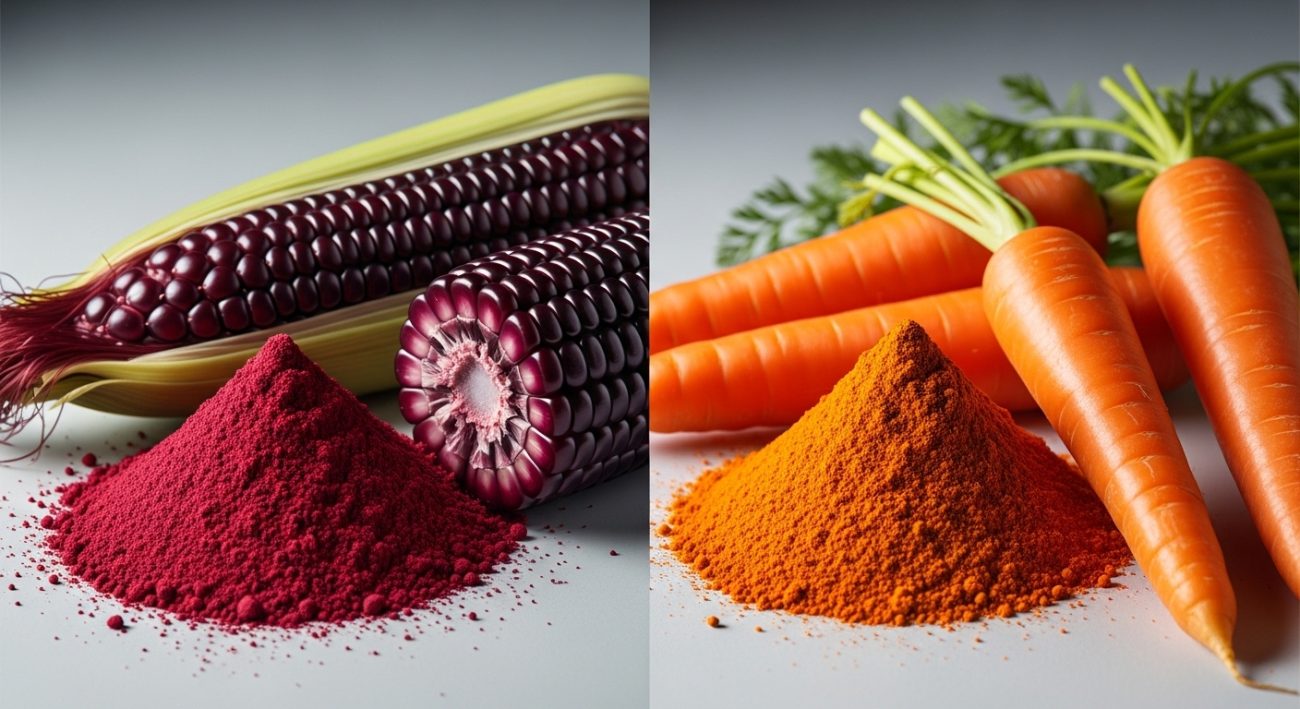
The method used to isolate a pigment from its botanical matrix dictates the ingredient’s performance in final formulations. In the B2B sector, “quality” is defined by the retention of the pigment’s bioactive properties and its resistance to environmental stressors. When comparing natural plant pigments vs synthetic dyes, the primary challenge is maintaining the vibrant hue without the use of heavy stabilizers.
Extraction technology acts as the first line of defense against degradation. Improper handling during the raw material stage can lead to oxidation or unwanted chemical shifts. Manufacturers must balance the need for high extraction efficiency with the delicate nature of the plant’s cellular structure. Achieving a high-purity concentrate requires a deep understanding of how pressure, temperature, and solvent polarity interact with specific pigment classes.
Overcoming Thermal Degradation in Heat-Sensitive Pigments
Many high-demand natural colors, such as betalains from beetroot or certain carotenoids, are highly thermolabile. High temperatures during traditional solvent recovery can cause these pigments to brown or lose their tinctorial strength. To prevent thermal degradation, modern manufacturers utilize “cold” extraction techniques. These processes operate at lower temperatures to preserve the integrity of the molecular chains, ensuring that the natural-plant-pigment retains its true-to-nature shade upon delivery to the formulator.
5 Essential Industrial Pigment Extraction Methods
Selecting an extraction method is a strategic decision based on the target pigment’s solubility and the required volume of production. For large-scale B2B supply, efficiency and reproducibility are the two most critical factors.
Supercritical Fluid Extraction (SFE-CO2) for High-Purity Carotenoids
Supercritical CO2 extraction is the gold standard for lipid-soluble pigments like carotenoids and chlorophylls. By bringing carbon dioxide to its supercritical state, it acts as a solvent with the high diffusion rate of a gas and the dissolving power of a liquid.
This method is entirely solvent-free; once the pressure is released, the CO2 evaporates, leaving behind a pure, concentrated extract with zero residue. For European buyers prioritizing clean-label ingredients, SFE-CO2 provides a premium solution that eliminates the risks associated with petrochemical solvents.
Ultrasonic-Assisted Extraction (UAE) for Enhanced Yields
Ultrasonic-Assisted Extraction uses high-frequency sound waves to create cavitation bubbles in the extraction solvent. When these bubbles collapse near the plant tissue, they create micro-jets that rupture cell walls. This mechanical action allows the solvent to penetrate the plant material more deeply and quickly. UAE is highly valued for its ability to increase yields while reducing the total processing time, making it a cost-effective choice for large-scale botanical production.
Microwave-Assisted Extraction (MAE): Speed and Efficiency
Microwave-Assisted Extraction leverages electromagnetic radiation to heat the moisture within the plant cells rapidly. The resulting internal pressure causes the cells to burst from the inside out, releasing the pigments into the surrounding medium. MAE is exceptionally fast, often completing in minutes what traditional methods take hours to achieve. This speed minimizes the pigment’s exposure to oxygen, which helps maintain a superior antioxidant profile in the finished product.
Enzyme-Assisted Extraction for Delicate Anthocyanins
Enzyme-assisted extraction uses specific enzymes—such as cellulase or pectinase—to break down the complex carbohydrate structures of plant cell walls. This “biological scissor” approach is particularly effective for extracting water-soluble eco friendly natural plant dyes and pigments, such as anthocyanins from berries or purple sweet potatoes. Because it operates under very mild conditions, it is an ideal choice for maintaining the structural nuances of delicate colorants.
Solvent Extraction: Balancing Efficiency with EU Compliance
Traditional solvent extraction remains a staple for natural plant pigments for textile dyeing and certain food applications due to its scalability and lower cost. However, B2B buyers must ensure that the manufacturer uses food-grade solvents like ethanol or water. Modern vacuum evaporation systems are now used to strip these solvents down to parts-per-million levels, ensuring the final powder or liquid meets stringent safety thresholds for heavy metals and residual chemicals.
Evaluating Solvent Safety and “Green Extraction” Standards
The movement toward “Green Chemistry” has redefined how botanical manufacturers approach pigment isolation. A “green” extraction is characterized by the use of renewable raw materials, the elimination of toxic solvents, and reduced energy consumption. For procurement managers, verifying these standards is a key part of supplier qualification.
Biobthriving prioritizes sustainable extraction paths that reduce the environmental footprint of the manufacturing process. This commitment to green standards not only protects the end consumer but also aligns with the Corporate Social Responsibility (CSR) goals of our European partners.
Navigating EU Regulatory Frameworks for Botanical Pigments
Compliance in the European market requires adherence to specific directives, such as Directive 2009/32/EC, which governs the solvents used in the production of foodstuffs and food ingredients. Every batch of pigment must be accompanied by technical documentation that proves the absence of prohibited substances. QA/RA leads often require detailed flowcharts of the extraction process to verify that no cross-contamination occurs during the purification stages.
Choosing the Right Extraction Partner for OEM/ODM Pigments
A reliable B2B partner does more than just supply a product; they provide the technical transparency required for product registration and formulation success. When selecting a supplier for OEM/ODM projects, evaluate their ability to provide consistent potency across different harvests. Xi’an B-Thriving ensures that every extraction run is monitored for precision, providing the stability needed for long-term manufacturing contracts.
Critical Quality Metrics: COA, HPLC, and Purity Testing

The Certificate of Analysis (COA) is the most important document in the procurement process. It should include High-Performance Liquid Chromatography (HPLC) results to verify the exact concentration of the active pigment. Beyond color intensity, testing should cover microbial loads, heavy metal limits, and moisture content. These metrics provide the empirical proof that the extraction method has successfully isolated the desired compound without introducing impurities.
Frequently Asked Questions (FAQ)
Enzyme-assisted extraction combined with acidified water or ethanol is generally the most efficient method for anthocyanins because it breaks down the cell matrix while maintaining the low pH levels required for pigment stability.
Yes, provided the manufacturer uses food-grade solvents (such as ethanol) and employs advanced stripping technology to ensure residual levels fall well below the limits set by EU Directive 2009/32/EC.
CO2 extraction uses pressurized carbon dioxide as a solvent, which leaves absolutely no chemical residue, whereas traditional solvent extraction uses liquids like ethanol that must be evaporated and may leave trace amounts behind.
The shelf-life is primarily impacted by the extraction temperature, the presence of residual oxygen, and the final stabilization method (such as spray drying or the addition of natural antioxidants)
Yes, ultrasonic-assisted extraction is highly scalable using flow-through reactors that allow for continuous processing of large botanical volumes without losing the benefits of cavitation.
You can verify purity by reviewing the manufacturer’s HPLC (High-Performance Liquid Chromatography) data on the Certificate of Analysis (COA), which quantifies the pigment content and identifies any impurities.

