
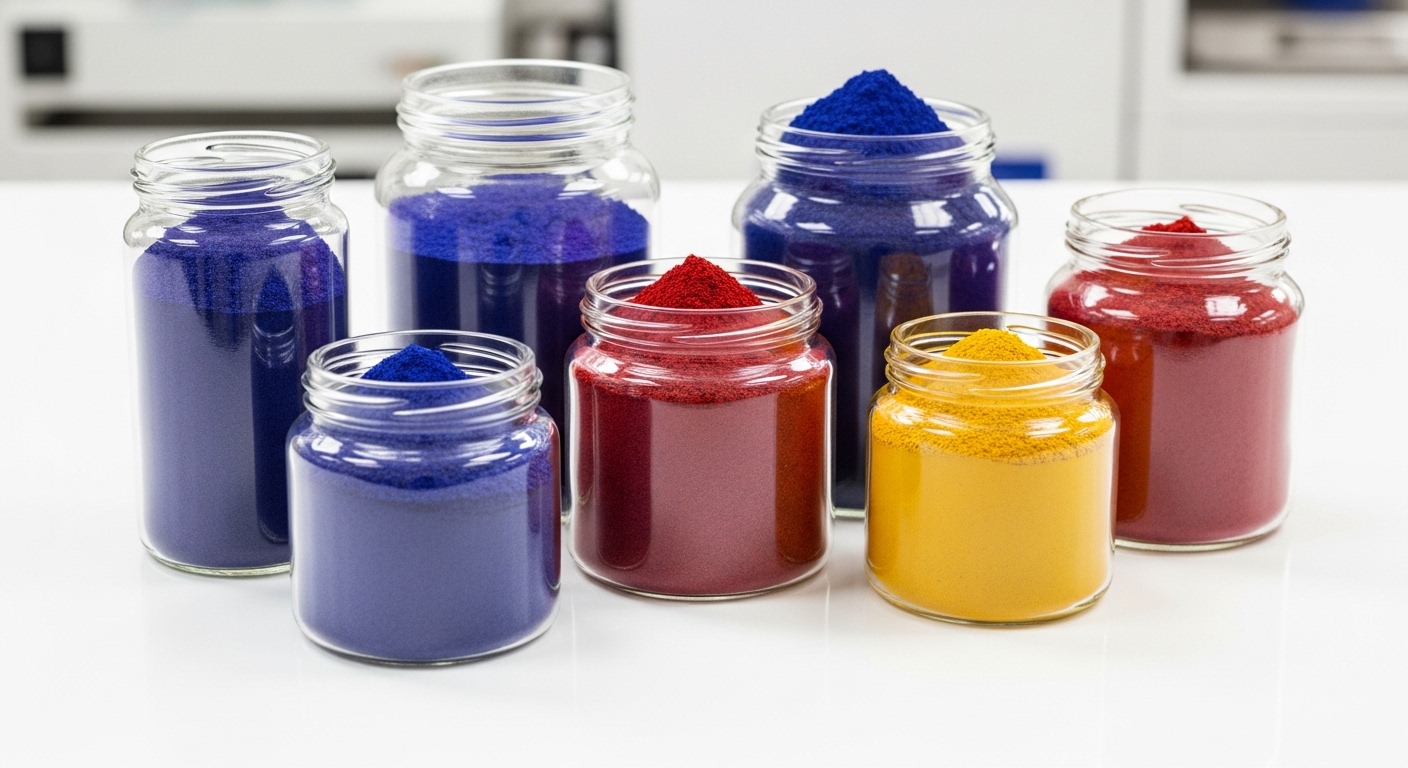
Natural plant pigments for textile dyeing are concentrated botanical extracts used to provide sustainable, biodegradable color to fabrics like cotton, silk, and wool. Unlike synthetic dyes, these pigments are derived from renewable sources such as Indigo, Madder root, and Quercetin, offering a lower carbon footprint and reduced chemical toxicity. For industrial textile applications, high-quality plant pigments must meet rigorous standards for color fastness, batch consistency, and REACH compliance to satisfy the demands of the European B2B market.
The Shift to Sustainable Botanical Colorants in European Textiles
The European textile industry is undergoing a fundamental transformation driven by the EU Strategy for Sustainable and Circular Textiles. Procurement managers and product developers are increasingly moving away from petroleum-based synthetic dyes due to tightening environmental regulations and consumer demand for “clean” fashion. Botanical colorants offer a viable path toward circularity, but the transition requires a shift from artisan methods to industrial-grade reliability.
Modern textile manufacturers require pigments that integrate seamlessly into existing machinery. The challenge lies in balancing ecological benefits with the technical performance required for high-volume production. By utilizing standardized natural dyes from plant pigments, manufacturers can significantly reduce the wastewater treatment costs associated with heavy metals and toxic aromatic amines found in conventional synthetics.
Core Varieties of Natural Plant Pigments for Bulk Supply
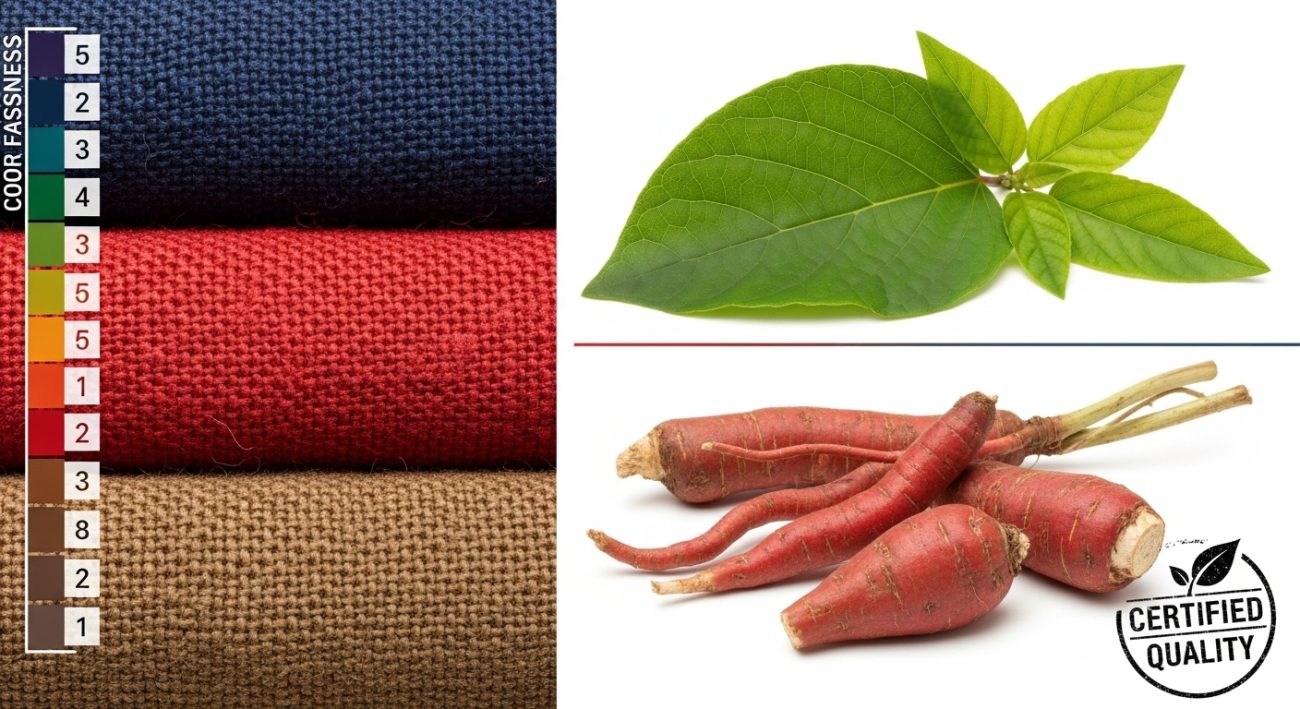
Selecting the right botanical source is the first step in ensuring a stable production cycle. At Xi’an B-Thriving, we focus on providing high-purity extracts that offer predictable color yields. Understanding the chemical structure of these pigments—such as flavonoids, carotenoids, and alkaloids—is essential for formulators who need to predict how a dye will react with specific fiber types.
Blue and Purple Pigments: Indigo and Logwood Extracts
Indigo remains the gold standard for natural blues. Industrial-grade Indigofera tinctoria extract provides deep, saturated navy tones with excellent light fastness when applied correctly. For those seeking purple or violet hues, Logwood (Haematoxylum campechianum) provides a versatile range of shades. These extracts are processed into fine powders to ensure rapid solubility and uniform distribution within the dye bath, preventing the “specking” often seen in lower-grade botanical materials.
Yellow and Orange Tones: Quercetin and Curcumin Derivatives
Yellow pigments are frequently derived from flavonoid-rich plants. Quercetin, sourced from various botanical precursors, offers a bright, vibrant yellow with surprising durability. Similarly, Curcumin (derived from turmeric) provides intense orange-yellow shades. While Curcumin is widely known for its application of natural plant pigment in hair dyes, our industrial textile grade is refined specifically for fiber affinity. These pigments are often used as base layers for creating complex greens when over-dyed with indigo.
Red and Earth Tones: Madder Root and Anthocyanin Sources
Madder root (Rubia tinctorum) is the primary source for natural reds, containing the stable pigment alizarin. For B2B buyers, the key is the concentration of these active coloring agents. Standardized Madder extracts allow for repeatable “Turkey Red” results across thousands of meters of fabric. For softer pinks and purples, anthocyanins from various berries and grapes are used, though these often require specific pH adjustments to maintain color stability during the finishing process.
Technical Specifications: Fastness, Stability, and Mordanting
The most common concern for European QA/RA leads regarding natural plant pigment is color fastness. To compete with synthetics, botanical dyes must resist fading from UV exposure and repeated washing. This performance is largely determined by the use of mordants—substances that “fix” the dye to the fiber—and the inherent molecular weight of the pigment itself.
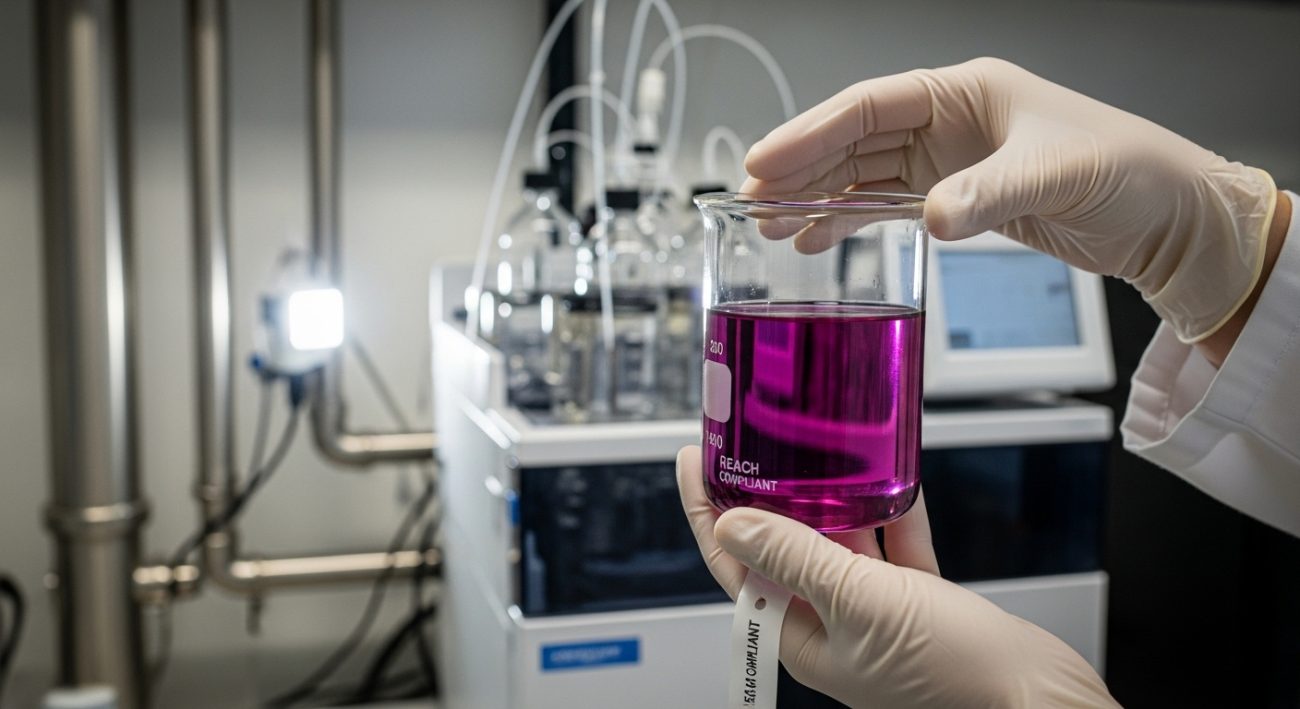
We conduct rigorous testing to ensure our pigments meet the technical requirements of the textile industry. Using HPLC (High-Performance Liquid Chromatography), we quantify the active pigment content in every batch. This transparency allows formulators to adjust their recipes with precision, ensuring that a 500kg order of pigment performs identically to the initial sample. For buyers also looking into the cosmetics sector, these same standards of purity apply to our plant based pigments for natural makeup.
Sourcing and Logistics for European Textile Manufacturers
Reliable sourcing is the backbone of any B2B supply chain. Moving from synthetic to natural dyes involves managing the inherent variability of nature. Xi’an B-Thriving bridges this gap by managing the entire supply chain, from botanical cultivation to advanced extraction and final quality control. This end-to-end oversight ensures that European manufacturers receive a consistent product that fits into a Just-In-Time (JIT) manufacturing model.
Ensuring REACH and OEKO-TEX Compliance
Compliance is non-negotiable for the European market. Our plant pigments are screened for restricted substances to ensure they meet REACH (Registration, Evaluation, Authorisation, and Restriction of Chemicals) requirements. Furthermore, our extracts support manufacturers in achieving OEKO-TEX Standard 100 certification, proving that the final textile is safe for skin contact and free from harmful residues. We provide all necessary documentation to streamline the regulatory approval process for your procurement team.
Quality Control: COA and Batch Consistency
Every shipment of our natural pigments is accompanied by a comprehensive Certificate of Analysis (COA). This document outlines the physical and chemical properties of the batch, including moisture content, ash content, and pigment concentration. We understand that in industrial dyeing, a 2% variance in pigment strength can ruin a production run. Therefore, we utilize standardized extraction ratios to maintain a tight tolerance for color intensity across all bulk orders.
Requesting Samples and RFQs for Large-Scale Production
We invite procurement managers and textile engineers to test our pigments in their specific production environments. Our technical team is available to assist with formulation advice, particularly regarding mordant selection and temperature curves. Whether you are developing a new sustainable fashion line or transitioning an existing product, we provide the samples and technical data sheets (TDS) necessary for a successful pilot run.
Frequently Asked Questions about Natural Textile Pigments
Indigo, Madder (Alizarin), and Weld (Luteolin) are considered the most stable natural pigments, offering high resistance to light and washing. These pigments have been used for centuries because their molecular structures form strong bonds with natural fibers, especially when used with appropriate mordants like alum.
Most natural pigments have a higher affinity for natural fibers like cotton, silk, and wool; however, they can be applied to synthetics like recycled polyester with specialized binding agents. Achieving high colorfastness on synthetics usually requires a modified dyeing process or the use of micro-encapsulated pigments.
Consistency is ensured through standardized extraction processes and HPLC testing to verify the concentration of active coloring agents. By blending batches to meet a specific “standardized” pigment percentage, we provide a uniform product that eliminates the variability typically associated with raw plant materials.
When stored in a cool, dry place away from direct sunlight, bulk botanical pigment powders typically have a shelf life of 24 to 36 months. We use vacuum-sealed, UV-protected packaging for our bulk shipments to ensure the pigment remains stable during transit and storage.
The majority of plant pigments, including Madder, Quercetin, and Logwood, are “mordant dyes” that require a mineral salt to fix the color to the fiber. Indigo is a notable exception; as a “vat dye,” it adheres through an oxidation-reduction process rather than a chemical mordant bond.
Yes, our high-purity botanical extracts are designed to meet or exceed OEKO-TEX Standard 100 criteria. Because they are free from toxic heavy metals and prohibited aromatic amines, they are an ideal choice for manufacturers aiming for the highest level of consumer safety certification.

