

What is Dihydroberberine?
When it comes to Dihydroberberine, related suppliers supply a hydrogenated version of berberine, also known as dihydroberberine, or DHB for short. Berberine is a naturally occurring isoquinoline alkaloid in a few botanical plants such as Coptis chinensis, Phellodendron amurense and Berberis aristata.
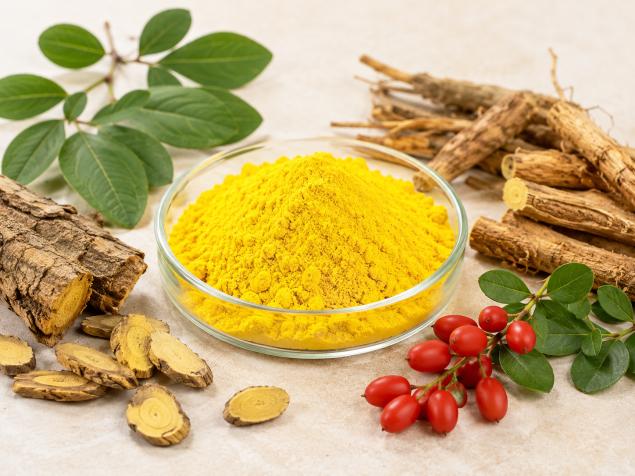
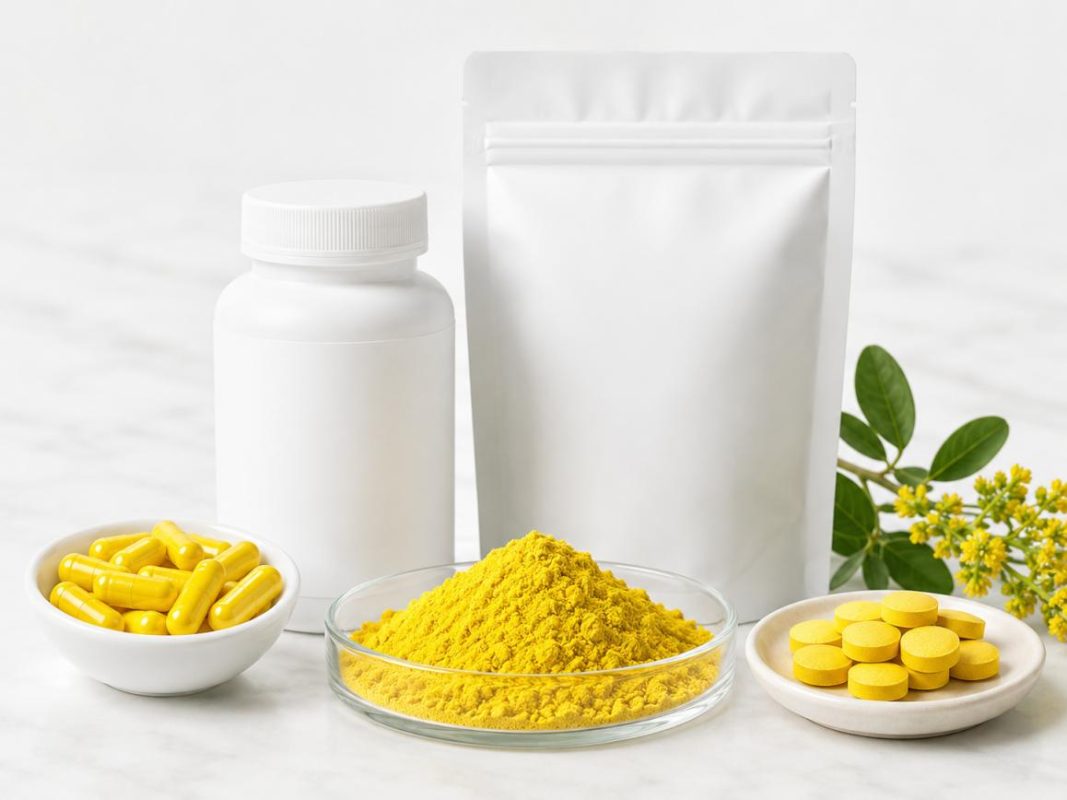
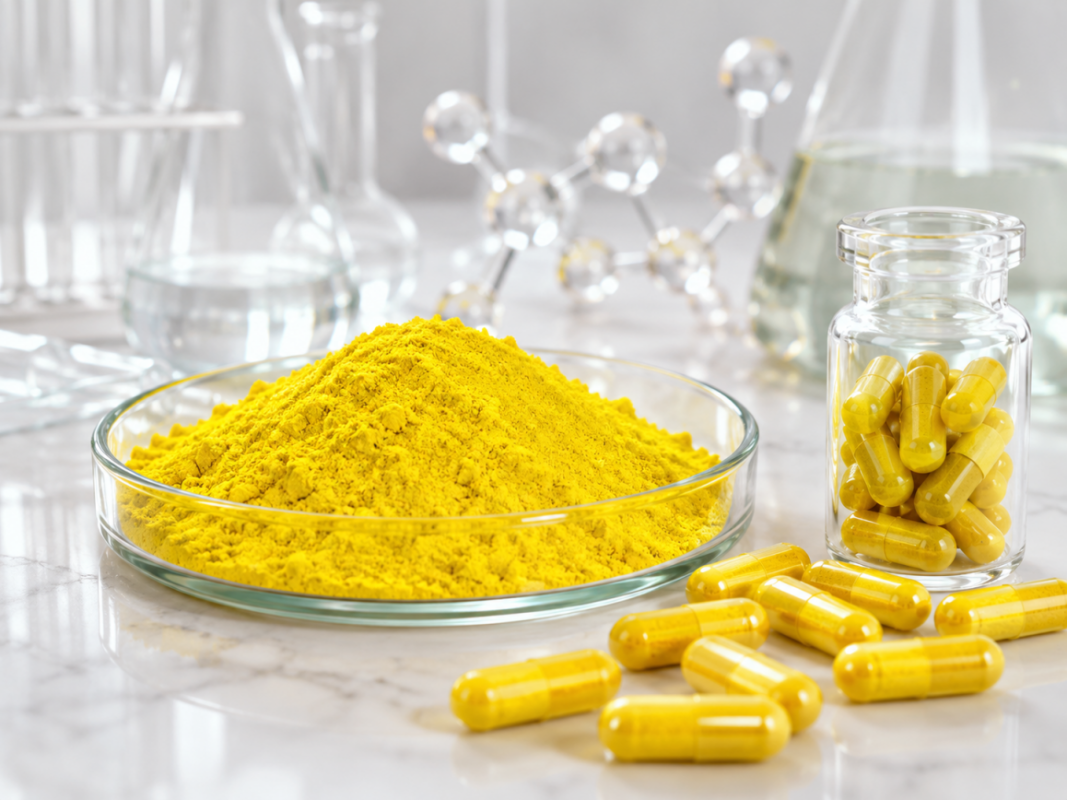
Dihydroberberine is mainly supplied as a yellow to pale-yellow powder and can be assessed primarily for dietary supplements, functional formulations, and metabolic health.
Basic Information Details
| Parameter | Specification |
| Product Name | Dihydroberberine Powder |
| CAS Number | 483-15-8 |
| Molecular Formula | C₂₀H₁₉NO₄ |
| Molecular Weight | 337.37 g/mol |
| Typical Appearance | Yellow to pale-yellow powder |
| Common Assay | ≥98% by HPLC |
As Dihydroberberine Powder Supplier provides, there has been demand as supplement brands investigate further into dihydroberberine as it is suggested to have better absorption than traditional berberine.
Why Does Bioavailability Matter?
Traditional berberine possesses subpar absorption upon oral administration. Dihydroberberine became a more favorable option to use as it may be more easily absorbed and more available systemically.
After dihydroberberine is absorbed, it may then be converted to active berberine in the system. This may then provide a greater concentration of berberine in the system as compared to traditional berberine.
Some of the advantages of using dihydroberberine, based on available research, include:
Improved Absorption
Higher systemic availability (Some studies indicate that dihydroberberine may possess a greater systemic availability than traditional berberine by 3-5 times)
Greater Flexibility for Formulations
Possibly a faster onset of action than traditional berberine.
However, long-term human clinical evidence remains limited. Product claims and serving recommendations should therefore be reviewed according to the intended market and applicable regulations.
Typical Dihydroberberine Powder Specifications
A professional Dihydroberberine Powder Supplier should provide measurable specifications rather than relying only on general purity statements.
| Quality Parameter | Typical Specification | Test Method |
| Dihydroberberine Assay | ≥98% | HPLC |
| Appearance | Yellow to pale-yellow powder | Visual |
| Loss on Drying | ≤1.0% | USP method |
| Residue on Ignition | ≤0.5% | USP method |
| Heavy Metals | ≤10 ppm | ICP-MS or equivalent |
| Total Plate Count | ≤1,000 CFU/g | USP microbial method |
| Yeast and Mold | Buyer-defined limit | Microbial testing |
| Identification | Conforms | HPLC, FTIR, or equivalent |
Specifications may vary according to the supplier, production process, final application, and destination market. Buyers should approve a detailed specification sheet before placing a commercial order.
Quality Control Documents to Request
Selecting a Dihydroberberine Powder Supplier requires more than reviewing the assay value. Essential documentation allows the buyer to evaluate the identity, purity, safety, and consistency of the relevant batches.
•Certificate of analysis (CoA): CoA’s must include results for assays and tests for appearance, moisture content, heavy metals, and microbial limits for the specific batch.
•HPLC Chromatogram: A HPLC chromatogram is a supplement to the evidence of the purity of dihydroberberine.
•Identification data: Purity may be verified by the use of FTIR, mass spectrometry, and/or other similar techniques.
•Heavy Metals Report: Following analysis by ICP-MS, it may be possible to quantify lead, arsenic, cadmium, mercury and total heavy metals.
•Microbial Report: Testing should include a total count of viable bacteria, yeast, and mold along with applicable pathogens.
•Stability Data: The assessment of shelf life and storage along with the proper packaging may be aided by the availability of stability data.
Independent third-party testing may be used for initial supplier qualification and for high-volume purchasing.
How to Evaluate a Dihydroberberine Powder Supplier
1. Manufacturing and Quality Systems
A Dihydroberberine Powder Supplier should be capable of maintaining a system to control and document the quality of their production processes.
•Facilities should be built and controlled according to the supplier’s GMP, HACCP, ISO or other applicable food safety management systems.
•Batch traceability requires the ability to trace all raw materials, production records, test results, and packaging.
•Buyers should be notified of any significant changes in raw materials, production, testing, or packaging.
•Deviation control: A documented system should exist for the investigation of uncharacteristic results.
Certifications such as Halal, Kosher, or Organic should only be considered when appropriate to the final product formulation and market.
2. Production and Supply Capacity
A sample that fulfilled a buyer’s specifications does not guarantee a reliable supply in the future.
Evaluate the ability of the supplier to fulfill the following:
•R&D Quantities: The supplier must be able to provide small amounts of materials necessary for the buyer to perform the required formulation and stability studies.
•Commercial Production: The supplier must be able to provide the buyer with the ability to fulfill the buyer’s projected monthly or yearly sales.
•Lead-Time Planning: The supplier must be able to set the production and delivery schedules well in advance of the buyer’s intended product launch.
•Inventory Control: The supplier must be able to communicate to the buyer if a product is made to order or available in the supplier’s inventory.
•Packaging Options: The supplier must be able to provide packaging options which include sealed foil bags, fiber drums, and bulk packaging.
3. Regulatory Support
The regulatory support of Dihydroberberine may differ by jurisdiction and product.
A Dihydroberberine Powder Supplier may support a buyer by providing the following:
•Technical Support: Supplier should be able to provide product specifications, COAs, SDSs, and allergen statements.
•Market-Specific Testing: Suppliers should be able to help buyers with testing for the required limits for the presence of heavy metals, microbes, solvents, and other residue.
•Labeling: Suppliers should be able to provide labeling which contains ingredient names and product claims that are acceptable for the target market.
•Import Paperwork: Suppliers should be able to provide a country of origin declaration, packing lists, invoices, and transport documents.
The finished-product company remains responsible for confirming legal use, dosage, claims, and registration requirements.
Common Applications
Dihydroberberine powder is mainly considered for nutraceutical and research-oriented formulations.
| Application | Typical Product Forms |
| Dietary Supplements | Capsules, tablets, sachets, and powder blends |
| Metabolic Health Formulas | Glucose-management and weight-management products |
| Sports Nutrition | Body-composition and energy-metabolism formulas |
| Functional Products | Premixes and specialized nutrition formulations |
| Research Use | Preclinical and formulation-development studies |
Compatibility, stability, taste, dosage, and interactions with other ingredients should be evaluated during formulation development.
Why Choose B-Thriving for Dihydroberberberine Powder
B-Thriving has Dihydroberberberine Powder available for B2B product development and sourcing. On top of that, our advanced manufacturing system allows for a whole host of quality assurances, in addition to the option for technical communications and specifications for batch consistency.
B-Thriving Product Attribute Specification
| Parameter | Specification |
| Active Ingredient | Dihydroberberine |
| Test Method | HPLC |
| Appearance | Yellow powder |
| Supply Type | R&D and support for bulk procurement |
•Assurance of purity: Dihydroberberine is tested at 98% and confirmed by HPLC for each batch.
•Assurance of batch: The variability of production is confined to the establishment of standards for processing and quality control.
•Technical support: For qualified projects, we offer the documentation of product technical communications.
•Procurement: We offer samples and support for the procurement of commercial quantities, including shipping and packaging.
•Supply: We adjust planned production and shipping to the size of the order and its destination.
Final Thoughts
The selection of a Dihydroberberine Powder Supplier requires the buyer to conduct a thorough examination of the supplier to assess authenticity, purity, the absence of contaminants, quality of manufacturing, as well as the supplier’s system of regulatory documentation and capacity to meet demand.
Although traditional berberine attracts metabolic health supplement brands, B-Thriving suggests buyers source Dihydroberberine per supporting test data and market compliance.
As a Dihydroberberine Supplier, B-Thriving supports the sale of 98% Dihydroberberine with HPLC testing and offers technical support, quality control and supply support.
FAQs
Q1. What is dihydroberberine powder?
Dihydroberberine powder is a hydrogenated derivative of berberine. It is typically supplied as yellow to pale yellow powder for dietary supplements and formulation-development.
Q2. What purity does B-Thriving offer?
B-Thriving supplies dihydroberberine powder with a typical active ingredient specification of 98% with HPLC testing as a validation method.
Q3. Why is HPLC testing important for dihydroberberine?
HPLC testing determines the concentration and the purity of dihydroberberine. It serves a critical function for buyers as it assesses whether the specification is met for each production batch.
Q4. What documents should Dihydroberberine Powder Suppliers provide?
The common documents that should be provided are a Certificate of Analysis, a product specification sheet, a safety data sheet, HPLC test results, and an allergen statement along with any other quality or compliance documents.
Q5. What is the appearance of B-Thriving dihydroberberine powder?
B-Thriving dihydroberberine is most often supplied as a yellow powder. There may be slight color variations among different production/storage batches.

