
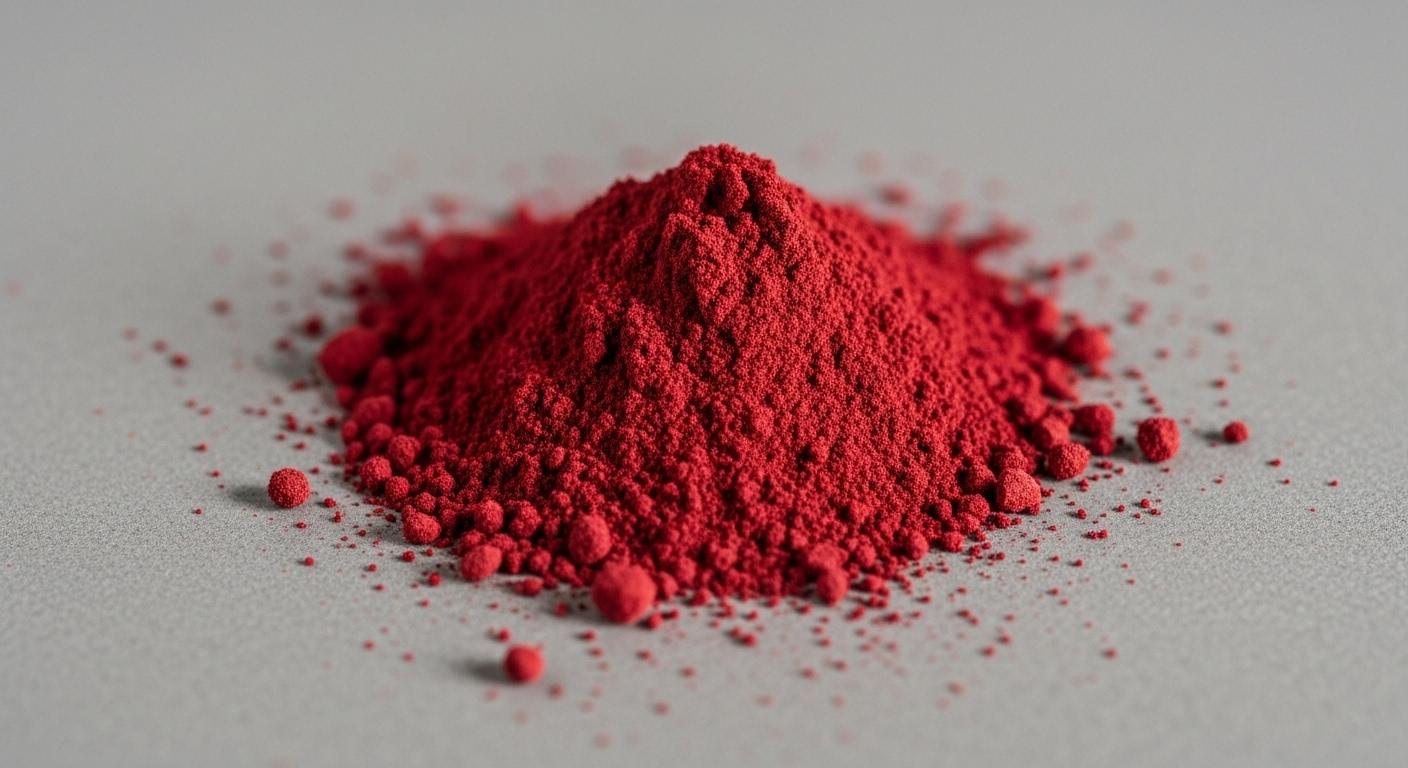
PQQ cognitive function is often discussed as a “brain-support” topic, but the real story is simpler: PQQ (pyrroloquinoline quinone) is a small compound studied for how it may help cells manage energy, stress, and signaling—processes that can influence how clearly we think over time. At B-Thriving, we manufacture PQQ-based formulations for brands and distributors who want a science-aware, beginner-friendly product story. In this guide, we explain what PQQ may do in the brain, what human studies actually measured, and how to build a responsible supplement message.

PQQ Cognitive Function: Start With Cell Energy, Not “Magic Brain Pills“
When people say “focus,” “memory,” or “mental clarity,” they are describing outcomes. But the body starts with inputs—especially energy production and oxidative balance inside cells. PQQ has been researched for its antioxidant activity and its relationship to mitochondrial function (mitochondria are the “energy centers” inside cells). Reviews describe PQQ as a “vitamin-like” biofactor that may influence mitochondria-related pathways and broader metabolic processes.
A useful beginner model is this: if brain cells manage energy and stress signals better, then certain cognitive tasks may feel easier. That does not mean PQQ is a cure, a drug, or a guaranteed result for everyone. It means PQQ cognitive function research often focuses on mechanisms that could support normal brain performance, especially in aging-related contexts.
What Researchers Mean By “Cognitive Function“ In PQQ Studies
Cognitive function is not one single skill. In clinical research, it is measured using structured tests. Depending on the study, outcomes may include attention, working memory, processing speed, and judgment.
Here are a few examples of what has been studied in humans:
✓Attention and working memory tests (including Stroop-type attention tasks in an older-adult trial)
✓Composite memory and verbal memory outcomes in a 12-week, placebo-controlled trial using 20 mg/day
✓Multi-domain cognitive measures (memory, attention, judgment) reported in a randomized, placebo-controlled study in middle-aged to older adults who felt “more forgetful”
This is why responsible messaging matters. “Brain health” claims should be connected to what was actually tested, in which population, and for how long.
What PQQ Cognitive Function May Do in the Brain: A Practical Mechanism Map
To keep it clear for beginners, think of PQQ’s potential impact in three layers:
1) Cellular protection and signaling
PQQ is widely described as having antioxidant-related activity. That may matter because the brain is sensitive to oxidative stress and inflammation signals over time.
2) Mitochondria and energy support
Several research discussions link PQQ to mitochondria-related pathways (“mitochondriogenesis” is frequently mentioned in the scientific literature). The practical takeaway: better mitochondrial efficiency is one plausible route by which PQQ cognitive function effects could appear in tests of attention or speed.
3) Blood flow and “brain workload” patterns
In one human study, a preliminary near-infrared spectroscopy (NIRS) observation suggested changes consistent with increased prefrontal cortex blood flow after PQQ intake, alongside cognitive testing in older adults. This is still an early area, but it shows how researchers look beyond “feeling better” to measurable physiological signals.
These layers are not promises; they are a logical framework that matches how PQQ cognitive function is discussed in the science.
What Human Data Says: Dosage, Timeline, and Who It May Fit Best
Many consumer products highlight “10–20 mg,” but the key detail is study duration and participant type.
A consistent pattern in multiple reports is 20 mg/day used for around 12 weeks in placebo-controlled designs.
In a Food & Function paper, 20 mg/day for 12 weeks was associated with improvements in composite and verbal memory, with age-stratified differences (some changes appearing earlier in younger adults, and later in older adults).
Another randomized, double-blind, placebo-controlled study in middle-aged to elderly participants reported improvements across several cognitive domains (memory, attention, judgment).
So, a realistic, professional message looks like this:
- PQQ cognitive function benefits—when observed—tend to be gradual (weeks, not days)
- Results vary by age, baseline status, and test type
- PQQ is best positioned as a supporting ingredient, not a standalone “instant focus” claim
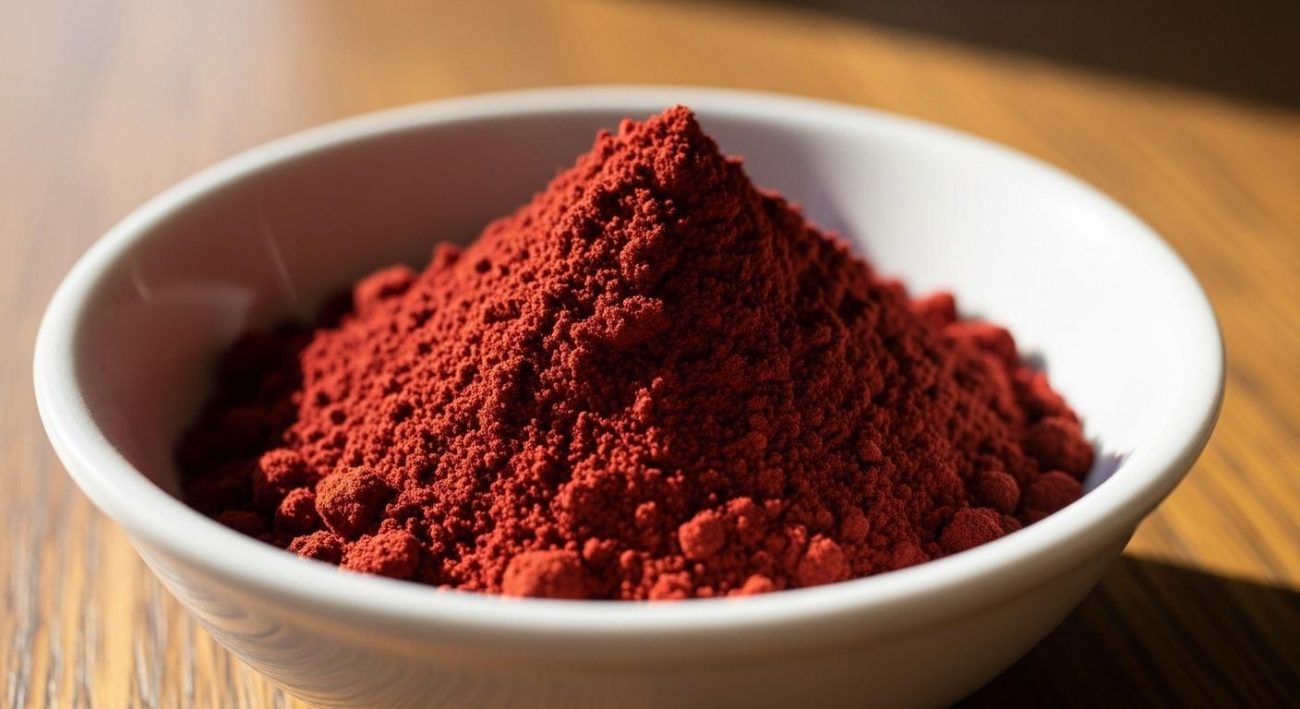
Safety and Compliance: The Part Many Brands Forget to Explain
For any ingredient tied to brain claims, safety language must be as strong as the marketing.
In Europe, EFSA concluded that pyrroloquinoline quinone disodium salt is safe under its intended conditions of use as a novel food.
EFSA also noted that in human studies where healthy adults received 20 mg/day for up to 24 weeks, no adverse effects were reported (while also pointing out limitations such as renal-function evaluation not being comprehensive in those studies).
In the U.S., PQQ has been the subject of FDA GRAS notice documentation for certain uses, reflecting how brands often build regulatory confidence for food/supplement positioning.
At B-Thriving, our manufacturing mindset is simple: a PQQ cognitive function product story should include clear labeling, standardized raw material documentation, and realistic claims that match the evidence.
How B-Thriving Builds A Better PQQ Cognitive Function Product Story
A strong PQQ product is not only about the ingredient—it is about how you package the science into something buyers trust.
Here is what we recommend for a clean, modern formula strategy:
✓Anchor the story to 20 mg/day and a 12-week “evaluation window,” because that is common in published trials
✓Use claim language like “supports cognitive performance,” “supports memory and attention,” and avoid disease language
✓Consider pairing PQQ with complementary, well-understood supports (your final choice depends on your market and compliance rules)
CTA: Build Your 2026 PQQ Line With B-Thriving
If you are developing a PQQ cognitive function supplement for 2026 retail, e-commerce, or private label programs, talk with B-Thriving. Share your target market (age range, lifestyle, stress level), your dosage goal (commonly 10–20 mg/day), and your compliance requirements. We can recommend a formulation and documentation package aligned with human-study patterns and responsible labeling—so you launch with confidence, not hype.

