

The application of natural plant pigment in hair dyes involves extracting bioactive colorants—such as lawsone, indigotin, and anthocyanins—to create sustainable, PPD-free coloring systems. For B2B formulators, the primary challenge lies in achieving standardized color depth and wash-fastness while maintaining compliance with EU cosmetic regulations. By utilizing stabilized botanical extracts, manufacturers can replace synthetic oxidation dyes with scalp-friendly alternatives that meet the growing demand for “clean beauty” in the professional salon and retail sectors.
Key Plant-Based Pigments for Permanent and Semi-Permanent Formulations
Selecting the right botanical source is the first step in industrial hair dye formulation. Unlike synthetic dyes, plant pigments behave differently based on their molecular structure and affinity for keratin.
Manufacturers primarily focus on three categories of natural colorants:
- Naphthoquinones (Lawsone): Derived from Lawsonia inermis, lawsone is the gold standard for orange-red tones. It migrates into the hair cuticle and binds strongly to keratin, providing high levels of permanence.
- Indigoids (Indigotin): Extracted from Indigofera tinctoria, these pigments provide deep blue and violet hues. When blended with lawsone, they create the full spectrum of browns and blacks required for professional color charts.
- Flavonoids (Anthocyanins and Quercetin): Found in berries and certain barks, these are used for tonal shifts. While typically semi-permanent, they are essential for neutralizing brassy tones in natural formulations.
As a leading supplier of natural plant pigment, Biobthriving ensures these extracts are standardized for pigment concentration. This consistency allows formulators to achieve predictable results across different production batches.
Technical Challenges: Solubility, Stability, and Color Fixation
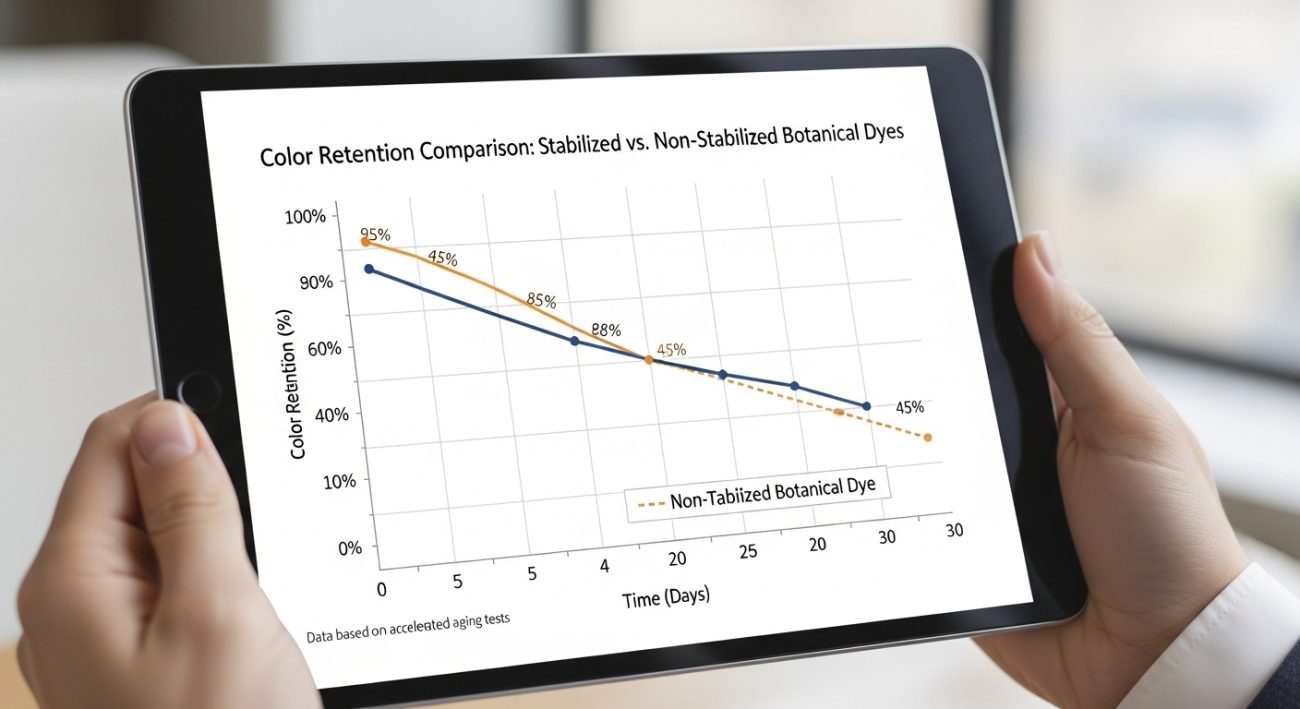
Transitioning from synthetic to botanical pigments requires a deep understanding of molecular stability. Standard plant extracts often face degradation when exposed to UV light or alkaline environments, which are common in traditional hair care routines.
The solubility of plant pigments for cosmetics dictates the delivery system—whether it be a cream, powder, or aqueous gel. For instance, anthocyanins are water-soluble but highly sensitive to pH changes. To improve the longevity of the color, formulators often incorporate natural mordants like tannins or mineral salts. These compounds act as a bridge between the hair fiber and the pigment molecule, significantly enhancing wash-fastness.
Furthermore, microencapsulation technologies are now being applied to sensitive monomers. This technical support from the raw material supplier helps prevent premature oxidation, ensuring the pigment only activates upon application to the hair.
Optimizing pH Levels for Maximum Pigment Deposition
The pH level of a hair dye formulation is the most critical factor for successful color uptake. Synthetic dyes often use high-pH ammonia to open the hair cuticle, but natural pigments generally perform best in slightly acidic to neutral environments.
For example, lawsone requires an acidic environment (pH 4.5 to 5.5) to maximize its binding affinity with hair proteins. Conversely, certain betalains natural plant pigments in functional foods that are being adapted for temporary hair tints show better stability at a neutral pH. Research and Development teams must calibrate the buffer system of the final product to match the specific pKa value of the primary plant pigment being used.
Compliance and Safety Standards for the European Market
For European B2B buyers, regulatory readiness is as important as color performance. The EU Cosmetic Regulation (EC) No 1223/2009 places strict limits on the types of substances allowed in hair colorants. Procurement managers must ensure that every botanical extract is accompanied by a comprehensive technical dossier.
Biobthriving prioritizes transparency by providing a Certificate of Analysis (COA) for every shipment. This documentation includes heavy metal analysis, microbiological testing, and HPLC-verified pigment content. By sourcing FDA approved natural pigments for food coloring and cosmetic-grade extracts from a GMP-certified facility, manufacturers can streamline their QA/RA approval processes. This compliance-first approach reduces the risk of product recalls and ensures that the final hair dye meets Annex III safety requirements.
Sourcing Bulk Botanical Pigments: Why Biobthriving?
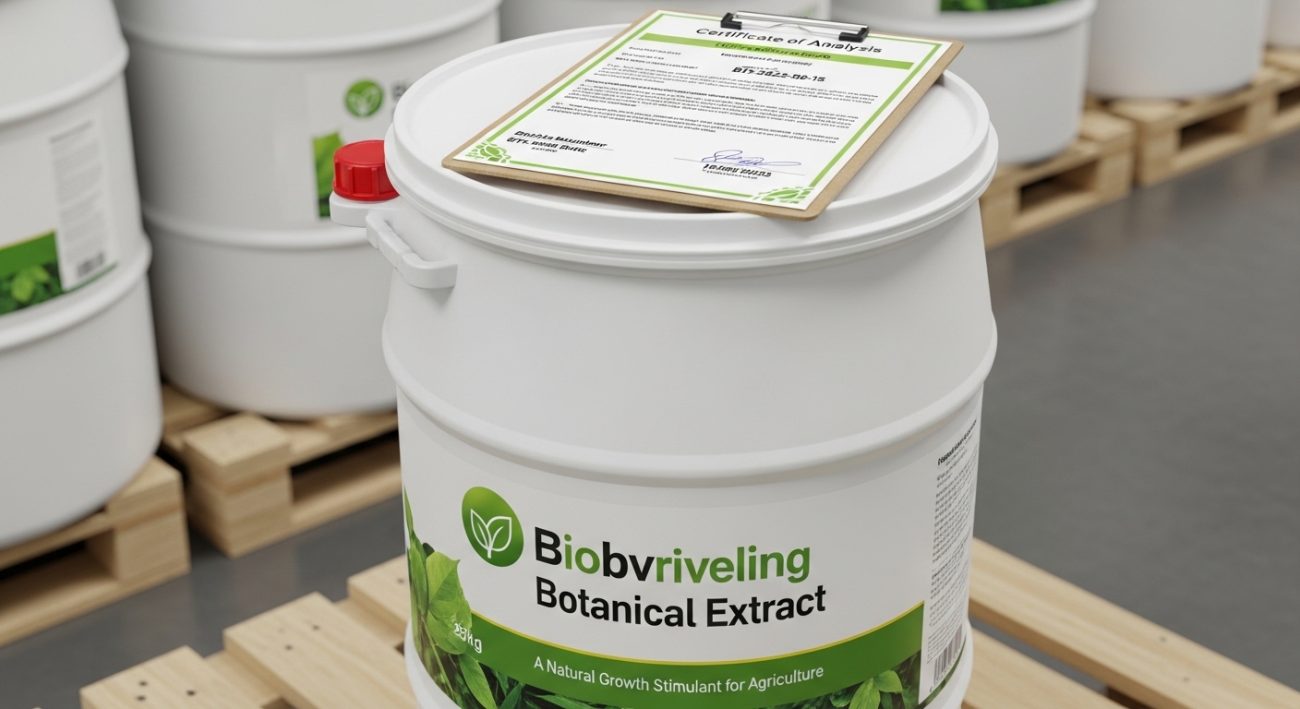
Xi’an B-Thriving I/E Co., Ltd. serves as a strategic partner for B2B buyers seeking high-purity botanical colorants. We understand that procurement managers face pressure to find reliable, high-volume suppliers who can maintain quality across multi-ton orders.
Our facility offers both OEM and ODM support, allowing brands to develop custom pigment blends tailored to specific market trends. Whether you are developing a professional PPD-free salon line or a retail “color-depositing” conditioner, we provide the technical data and sample quantities needed for rigorous pilot testing.
Beyond the raw material, we offer formulation guidance to solve common issues like uneven deposition or rapid fading. Our logistics team ensures that European buyers receive their orders with all necessary customs documentation, minimizing lead times and production delays.
Frequently Asked Questions
Natural plant pigments can achieve professional-grade results, particularly for tone-on-tone and semi-permanent applications. While they lack the lifting power of ammonia-based synthetics, they offer superior scalp safety and hair health benefits by avoiding harsh chemicals like PPD and resorcinol.
Lawsone (henna) and Indigotin (indigo) are the most effective pigments for permanent natural hair coloring. These molecules have a unique ability to bind with the hair’s keratin structure, making them resistant to shampooing and environmental fading when applied correctly.
Stability is maintained through standardized extraction processes and the use of natural antioxidants. In many industrial applications, microencapsulation or the addition of natural chelating agents is used to protect the pigment from oxidation and pH-induced color shifts.
In the EU, plant-based hair dyes must comply with the Cosmetic Regulation (EC) No 1223/2009. This requires detailed safety assessments, ingredient labeling (INCI), and proof that the botanical extracts are free from prohibited contaminants, heavy metals, and pesticides.
Yes, botanical pigments are highly versatile and can be integrated into various OEM formats including powders, creams, masks, and shampoos. Biobthriving provides custom OEM/ODM services to help brands develop unique, “natural-first” hair color products.

