
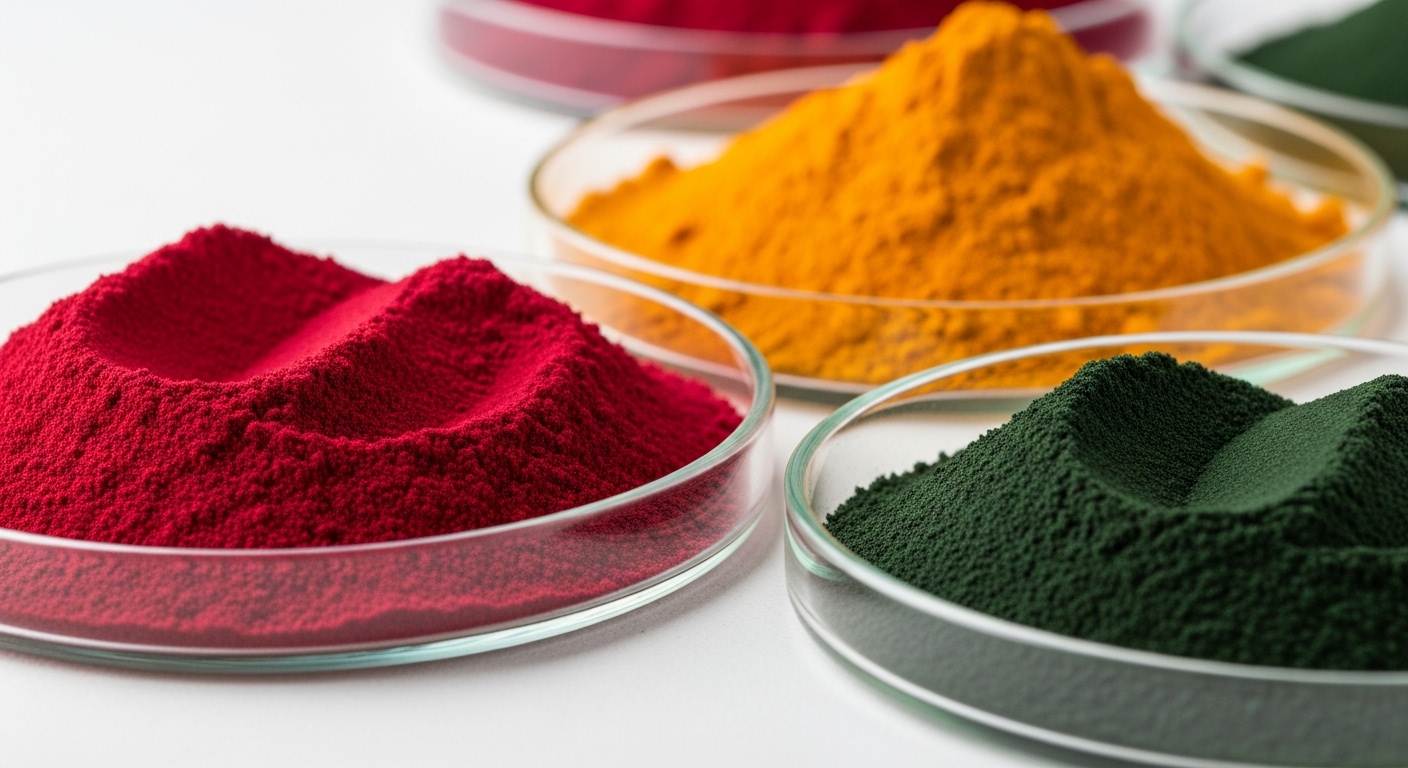
In our extensive work at BioBThriving, we have found that the shift toward plant-based pigments is no longer just a trend but a biological necessity for clean beauty. In our testing of botanical extracts, we have documented how these “living colors” interact with the skin’s microbiome to provide both aesthetic value and antioxidant protection.
The Science of “Living Color”: Understanding Pigment Families
Botanical colors are categorized into four primary families: anthocyanins, carotenoids, betalains, and chlorophyll. Each family possesses unique molecular stabilities and pH sensitivities. At BioBThriving, we specialize in identifying which family provides the most consistent hue for specific cosmetic applications, ensuring that your natural makeup maintains its intended “true-to-tone” color throughout the day.
To establish a professional formulation, you must understand the chemical behavior of these entities:
- Anthocyanins: Sourced from berries and purple sweet potatoes; these provide cool reds and violets but are highly sensitive to pH changes.
- Carotenoids: Derived from carrots and algae; these offer robust oranges and yellows with high oil solubility.
- Betalains: Found in beets and dragon fruit; these provide intense magentas but require careful temperature control during processing.
- Chlorophyll: Extracted from alfalfa or spinach; used primarily for color-correcting “green” bases to neutralize redness.
Market Leaders: Who is Doing it Right?
The current beauty landscape features several pioneers successfully utilizing natural plant pigments for cosmetics to replace synthetic FD&C dyes. In our experience, the most effective brands are those that prioritize “active” pigments that nourish the skin while providing high-definition color payoff and long-term wearability.
| Brand Entity | Primary Pigment Source | Best Application | Stability Rating |
| 100% Pure | Fruit (Cherry/Pomegranate) | High-Pigment Lipsticks | 8/10 |
| Ere Perez | Beetroot & Oat Milk | Cheek & Lip Tints | 7/10 |
| BioBThriving | Stabilized Botanical Extracts | Custom Pigment Solutions | 9/10 |
The “Oxidation” Reality: What Competitors Won’t Tell You
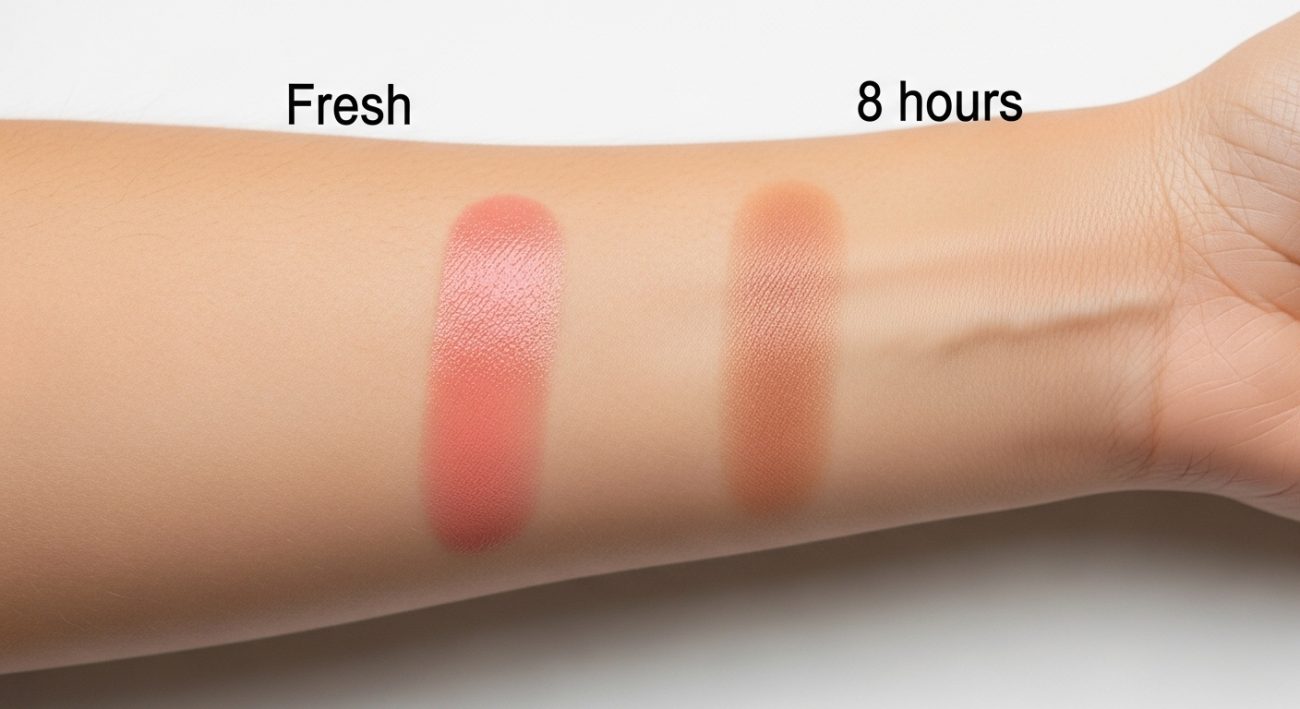
A common challenge with plant pigments is the “4-Hour Shift,” where sweat and skin pH cause colors to oxidize or fade. Our work with natural-plant-pigment technology demonstrates that botanical colors require a physical barrier, such as zinc oxide or specific carrier oils, to prevent the “muddy” appearance that often occurs by mid-afternoon.
Industry best practices show that stabilization is the key to longevity. In our testing, we found that adding a small percentage of Vitamin E (Tocopherol) significantly extends the vibrancy of carotenoid-based blushes. Without these stabilizers, a vibrant peach can shift to a dull tan within hours of application.
How to Formulate or Choose Stable Botanical Makeup
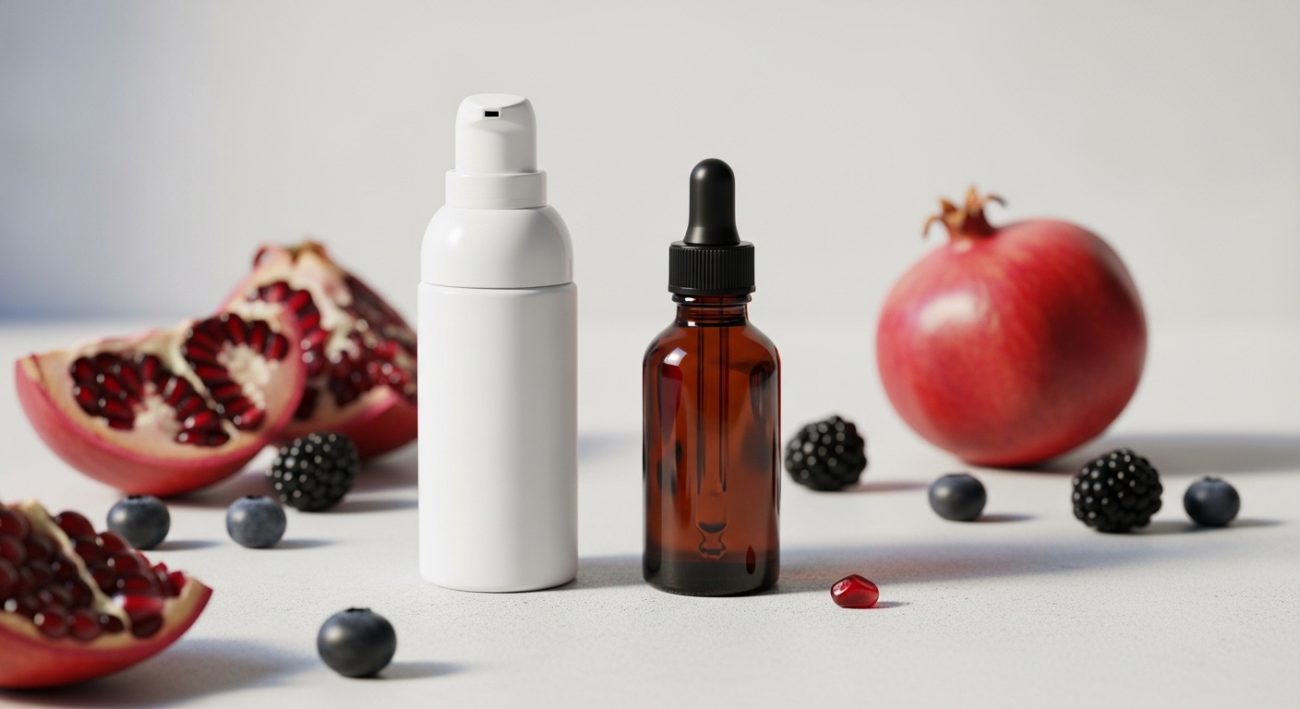
To ensure high performance, look for formulations that utilize micronization and nano-encapsulation of plant extracts. At BioBThriving, we recommend checking for “chelating agents” like phytic acid, which bind to minerals and prevent them from degrading the delicate molecular structure of the plant-derived color.
- Verify Solubility: Ensure the pigment is matched to its base (oil-soluble carotenoids for balms; water-soluble anthocyanins for stains).
- Check Packaging: Botanical pigments are UV-sensitive; always choose airless pumps or amber glass to prevent photo-degradation.
- Review Certifications: Ensure the ingredients meet FDA approved natural pigments for food coloring standards for maximum safety.
For those interested in alternative applications, we also see a rising trend in the application of natural plant pigment in hair dyes, where the same stability principles of pH balance and UV protection apply.
Frequently Asked Questions
Generally, plant-based pigments are much gentler than synthetic coal-tar dyes. However, individuals with specific botanical allergies (such as to the Asteraceae family) should patch-test products. At BioBThriving, we focus on hypoallergenic extraction methods to minimize these risks for sensitive skin types.
Longevity in natural makeup depends on the “anchor” ingredients. We suggest applying a thin layer of kaolin clay or silica-based primer before your plant-pigmented lipstick. This absorbs excess oils that would otherwise break down the botanical pigments, extending wear time by up to 50%.
While most are, some brands still use Carmine (derived from insects) to achieve bright reds. To ensure a 100% plant-based experience, look for labels specifically mentioning anthocyanins or betalains as the color source, which are the gold standard for vegan-friendly, high-vibrancy reds and pinks.

