
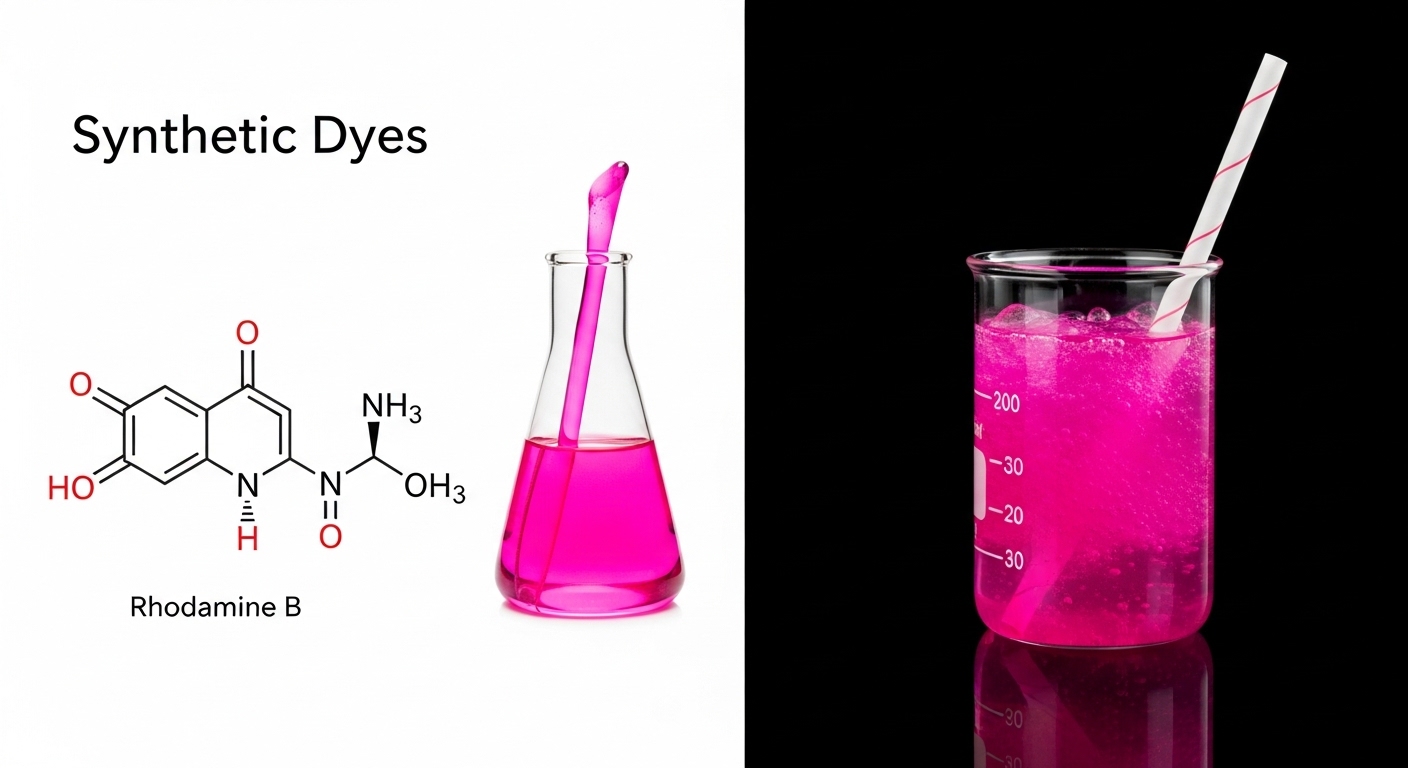
Natural plant pigments for cosmetics are bioactive colorants derived from botanical sources—such as fruits, vegetables, and flowers—used to provide vibrant hues in makeup and skincare. Unlike synthetic dyes, these plant-based ingredients offer antioxidant benefits while meeting the growing consumer demand for clean beauty. For B2B procurement, the primary challenge involves selecting pigments that maintain color stability across various pH levels and temperatures during formulation.
Why Transition to Plant-Based Colorants in B2B Cosmetics?
The shift toward botanical pigments is no longer just a trend; it is a regulatory and commercial necessity for brands targeting the European market. Modern consumers scrutinize INCI lists for synthetic “Lakes” and “Dyes,” often preferring the transparency of natural plant pigments.
Beyond marketing appeal, these compounds provide functional properties. Many botanical colorants double as active ingredients, offering anti-inflammatory and skin-protecting benefits. However, transitioning requires a deep understanding of how these molecules interact with other cosmetic bases. Manufacturers must balance aesthetic vibrancy with the chemical integrity of the final product.
Types of Natural Plant Pigments for Bulk Supply
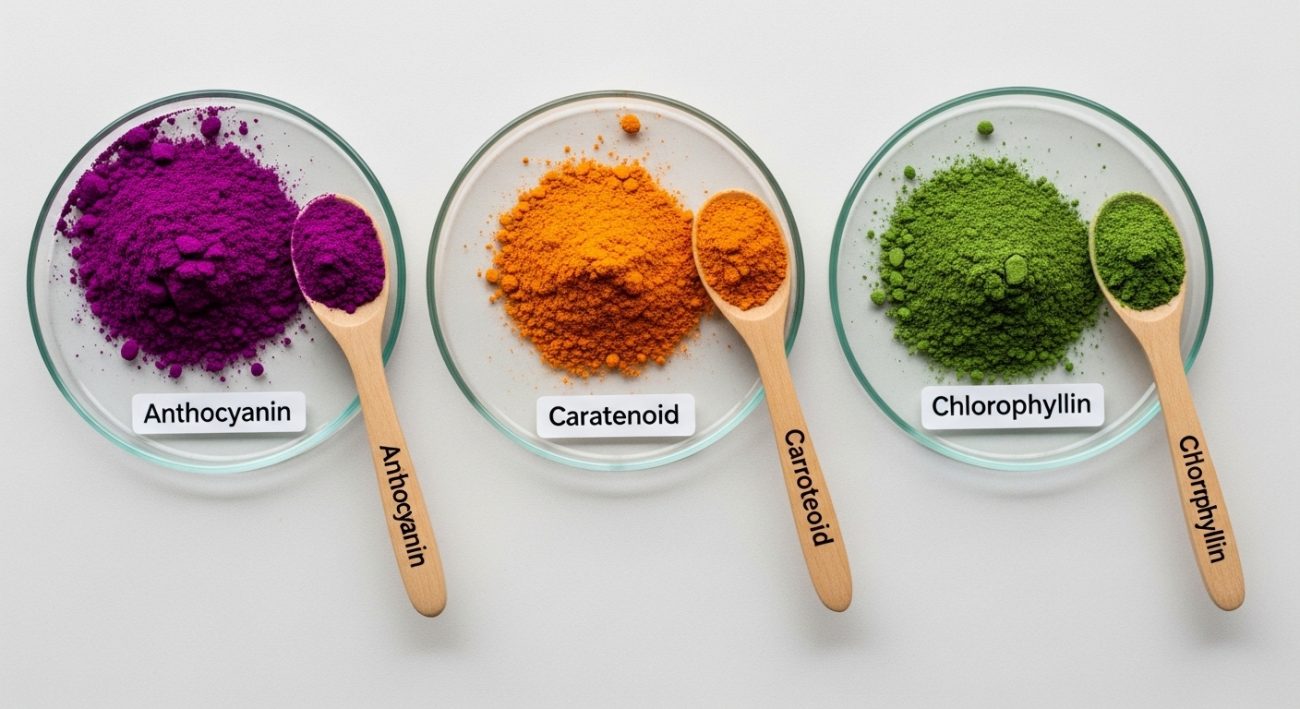
Selecting the right pigment depends on the desired color spectrum and the chemical nature of the formulation. Xi’an B-Thriving provides standardized extracts that ensure batch-to-batch consistency, a critical factor for high-volume cosmetic production.
Anthocyanins: Achieving Vibrant Reds and Purples
Anthocyanins are water-soluble vacuolar pigments found in berries, purple carrots, and hibiscus. They provide a spectrum ranging from soft pinks to deep violets. In the B2B space, these are highly valued for lip tints and water-based serums. Because they are sensitive to alkalinity, they perform best in formulations with a lower pH.
Carotenoids and Curcuminoids: Natural Yellows to Oranges
Derived from sources like marigold, carrot, and turmeric, carotenoids offer excellent oil solubility. These pigments are ideal for oil-based lipsticks, balms, and sun-care products. Specifically, Beta-carotene and Lutein provide warm tones while offering significant UV-stress protection for the skin.
Chlorophyllin: Stable Green Solutions for Skincare
While natural chlorophyll is notoriously unstable, Sodium Copper Chlorophyllin offers a reliable green hue for color-correcting creams and herbal-themed skincare. This derivative maintains its color under light exposure much better than raw plant extracts, making it the industry standard for “forest-green” cosmetic aesthetics.
Solving Stability and Solubility Challenges in Natural Pigments
The most common hurdle for formulators is preventing pigment degradation. Natural colors can fade when exposed to UV light, high processing temperatures, or extreme pH shifts. Achieving a professional-grade finish requires technical precision and the right delivery system.
Temperature and pH Sensitivity Profiles
Each plant pigment has a “safe zone” for stability. For instance, anthocyanins remain red in acidic conditions but shift to blue or green as the pH rises. During the manufacturing of hot-pour products like lipsticks, maintaining a temperature below 80°C is often necessary to prevent thermal degradation of sensitive carotenoids.
Enhancing Shelf Life with Microencapsulation Technology
To bypass stability issues, many B2B buyers now opt for microencapsulated pigments. This process involves coating the pigment particles in a protective shell, preventing them from reacting with the surrounding formula until the product is applied to the skin.
Liposomal Delivery Systems for Pigment Protection
Liposomal technology encapsulates pigments within a lipid bilayer. This not only protects the color from oxidation but also improves the skin penetration of the associated botanical actives. This is particularly effective for betalains natural plant pigments in functional foods and high-end topical cosmetics.
Compliance and Quality Standards for European Markets
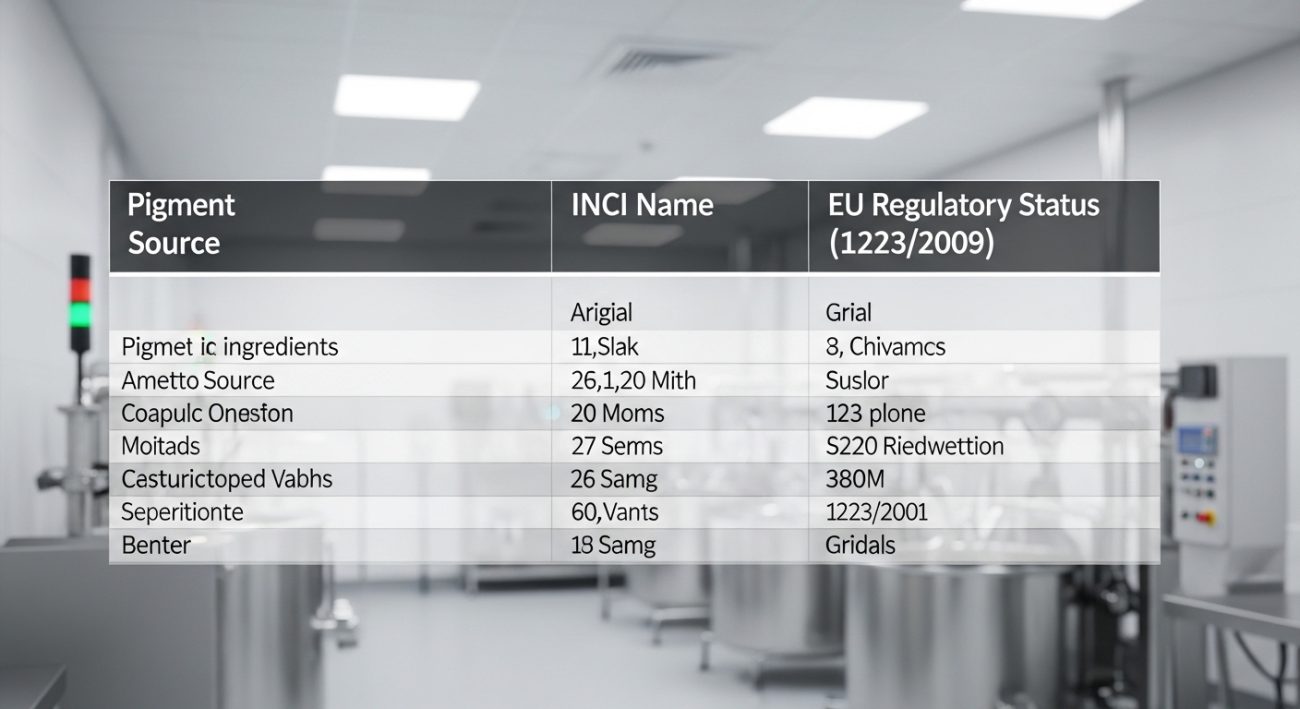
European procurement managers must ensure that every ingredient complies with Regulation (EC) No 1223/2009. Unlike the food industry, where plant pigments for food coloring follow E-number protocols, cosmetic pigments must have clear INCI nomenclature and proven purity levels.
Xi’an B-Thriving adheres to strict GMP standards, ensuring that our pigments are free from heavy metal contamination and illegal solvent residues. We provide comprehensive documentation, including Certificates of Analysis (COA) and Technical Data Sheets (TDS), to support your regulatory filings. If your product line targets the US market, we also offer guidance on FDA approved natural pigments for food coloring that overlap with cosmetic safety lists.
Sourcing and Procurement: RFQ and Sample Process
Finding a reliable wholesale cosmetic ingredients partner is essential for scaling production. Xi’an B-Thriving simplifies the procurement journey for European B2B buyers by offering a transparent, multi-step sourcing model.
We understand that formulators need to test stability in-house before committing to bulk orders. We provide standardized samples for R&D testing, ensuring that the pigment you receive in a 1kg trial matches the quality of a 500kg commercial batch. Our technical team is available to discuss solubility ratios and formulation compatibility to help you reduce time-to-market.
Frequently Asked Questions
Most natural plant pigments are sensitive to UV light and may fade in clear packaging. We recommend using opaque or UV-protected packaging, or utilizing our stabilized/encapsulated pigment variants to extend shelf life.
Natural pigments are derived directly from biological sources through physical extraction. Lake dyes are produced by precipitating a dye with an inert binder, such as aluminum hydroxide, making them insoluble in water but often less “clean” by natural standards.
Common compliant pigments include Alkanet root, Chlorophyll, and certain Carotenoids. Always verify the specific CI (Color Index) number against the latest EU Cosmetic Regulation updates, as the status of botanical extracts can vary based on extraction methods.
Yes, every bulk shipment of hibiscus or other botanical pigments includes a batch-specific Certificate of Analysis. This document verifies the pigment concentration, microbial limits, and the absence of heavy metals to ensure your QA/RA requirements are met.
Some botanical extracts carry a mild characteristic odor. However, our refined extraction processes minimize unwanted scents, allowing your fragrance or essential oil profile to remain dominant in the final formulation.
Standard lead times for bulk botanical pigments typically range from 7 to 14 business days, depending on the volume and specific standardization requirements. We offer expedited air freight options for urgent R&D needs.

