
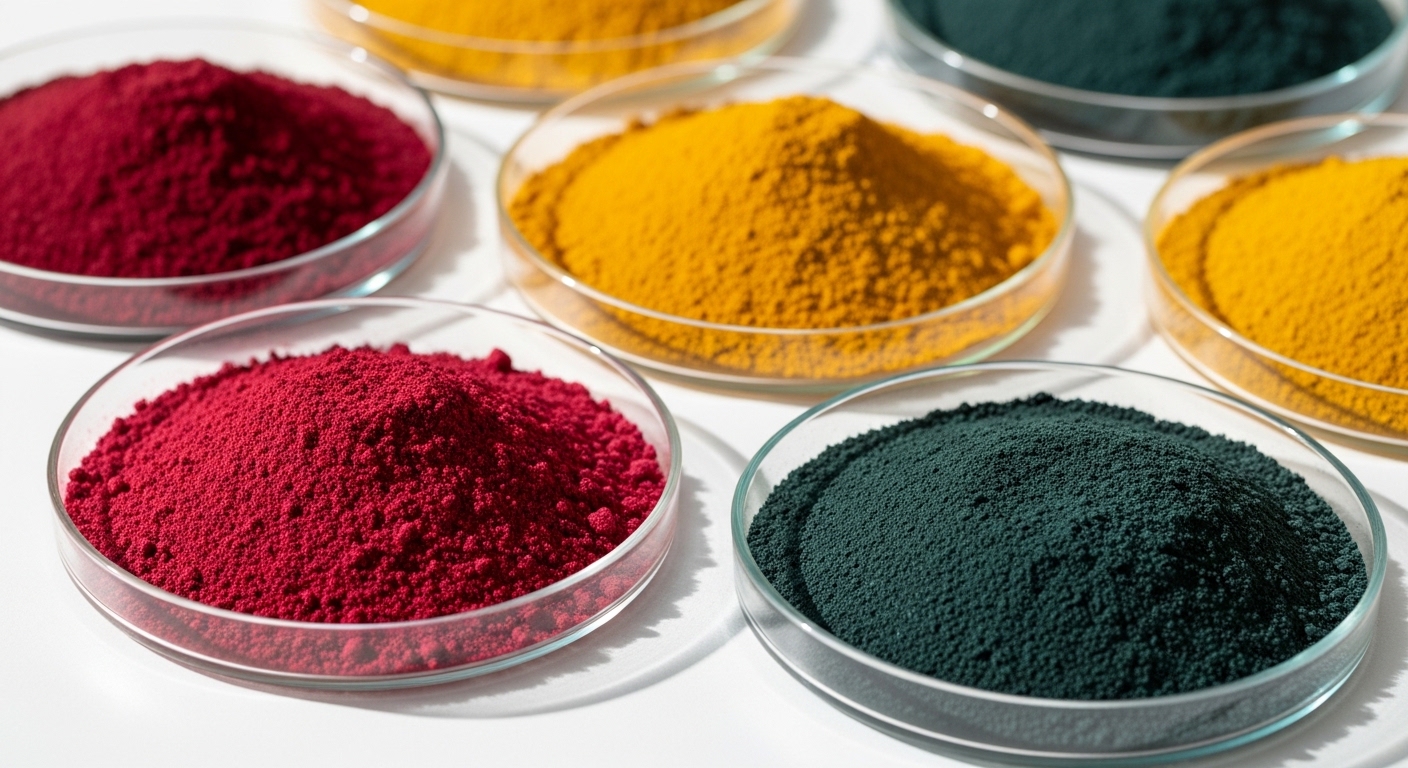
Selecting the right color additives for the US market requires strict adherence to FDA regulations. Unlike the European Union’s E-number system, the US Food and Drug Administration (FDA) categorizes natural pigments as “Color Additives Exempt from Certification.” This means while they do not require batch-by-batch laboratory testing by the FDA, they must still meet specific identity and purity standards outlined in Title 21 of the Code of Federal Regulations (CFR). For B2B procurement managers and formulators, sourcing these ingredients involves verifying botanical origins, solvent residues, and stability profiles to ensure long-term compliance and product quality.
Understanding FDA Regulations for Exempt Color Additives
The FDA regulates all color additives to ensure they are safe for their intended use. Natural pigments fall under 21 CFR Part 73. These are typically derived from plant, animal, or mineral sources. While the industry often calls them “natural,” the FDA does not officially use that term on labels, preferring “Artificially Colored” or specific names like “Annatto Extract.”
Compliance begins with understanding the plant pigments for food coloring allowed in specific applications. For example, a pigment approved for use in candy may not be permitted in beverages. Manufacturers must verify that their chosen botanical extract matches the FDA’s “Listing of Color Additives” to avoid costly recalls or import detentions.
Top FDA Approved Botanical Pigments for Clean Label Formulations
Clean label trends drive the demand for plant-based alternatives to synthetic dyes. European manufacturers exporting to the US often prioritize pigments that provide vibrant hues while maintaining a “natural” image. Each botanical source offers unique chemical properties that dictate its behavior in food matrices.
Anthocyanins and Fruit-Based Pigments (Red to Purple)
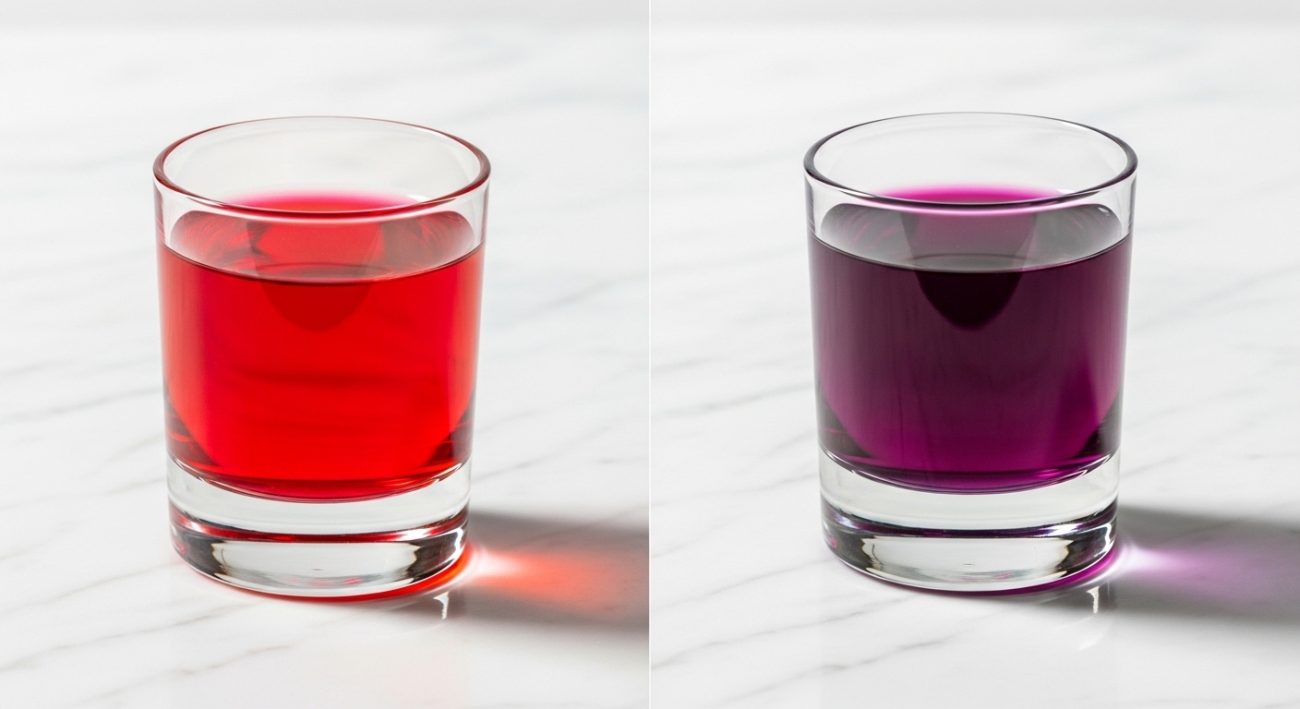
Anthocyanins are widely used for red, purple, and blue shades. Common sources include grape skin extract and red cabbage. These pigments are highly pH-sensitive; they typically appear red in acidic environments and shift toward blue as pH increases. Procurement leads should request stability data, as how to preserve plant pigments like anthocyanins often requires specific packaging or temperature controls to prevent oxidation.
Carotenoids and Curcuminoids (Yellow to Orange)
Carotenoids like Beta-carotene and Annatto provide stable yellow-to-orange hues. These are oil-soluble but often available in water-dispersible forms for beverages and dairy. Curcumin, derived from turmeric, offers a brilliant yellow but is sensitive to light. When sourcing natural-plant-pigment options in this category, manufacturers should check for standardized concentration levels to ensure color consistency across production batches.
Chlorophyllin and Spirulina (Green to Blue)
Sodium copper chlorophyllin is a common choice for green hues, though its use levels are strictly regulated by the FDA. Spirulina extract has gained massive popularity as a rare natural blue. However, the FDA limits its application primarily to confectionery, frostings, and certain beverages. Technical leads must confirm that their dosage levels align with the specific 21 CFR 73.530 requirements for spirulina.
Technical Comparison: FDA vs. EU Natural Color Standards
European B2B buyers often face “regulatory friction” when transitioning products from the EU to the US. While the EU uses E-numbers (e.g., E162 for Beetroot Red), the FDA requires the common or usual name on the ingredient statement. Furthermore, some colors approved in Europe, such as certain Iron Oxides for general food use, face stricter limitations or different purity requirements under FDA oversight.
A critical part of the formulation process is cross-referencing these standards. For instance, betalains natural plant pigments in functional foods sourced from beetroot are generally accepted in both regions, but the carrier oils or solvents used during extraction must also meet FDA “Generally Recognized as Safe” (GRAS) status.
Quality Assurance for B2B Natural Pigment Sourcing
High-quality sourcing goes beyond the pigment itself. Procurement managers must evaluate the supplier’s transparency and technical documentation. Because natural extracts can vary by harvest and origin, rigorous testing is the only way to guarantee a “spec-heavy” product that passes QA/RA audits.
Critical Documentation: COA, MSDS, and Stability Reports
Every shipment must include a comprehensive Certificate of Analysis (COA). This document should verify the pigment’s identity, potency, and physical characteristics like particle size. For manufacturers, a COA acts as the primary shield against adulteration. Additionally, stability reports help formulators understand how the pigment reacts to light, heat, and shelf-life stressors during the OEM/ODM process.
Evaluating Heavy Metal and Pesticide Residue Limits
Since many FDA-approved pigments are botanical, they carry the risk of environmental contaminants. Reliable suppliers use advanced testing like ICP-MS to ensure heavy metals (Lead, Arsenic, Mercury, Cadmium) fall well below regulatory thresholds. Pesticide residue screening is equally vital, especially for products destined for the “Organic” or “Non-GMO” segments of the US market.
How to Request Bulk Samples and RFQs for Natural Pigments
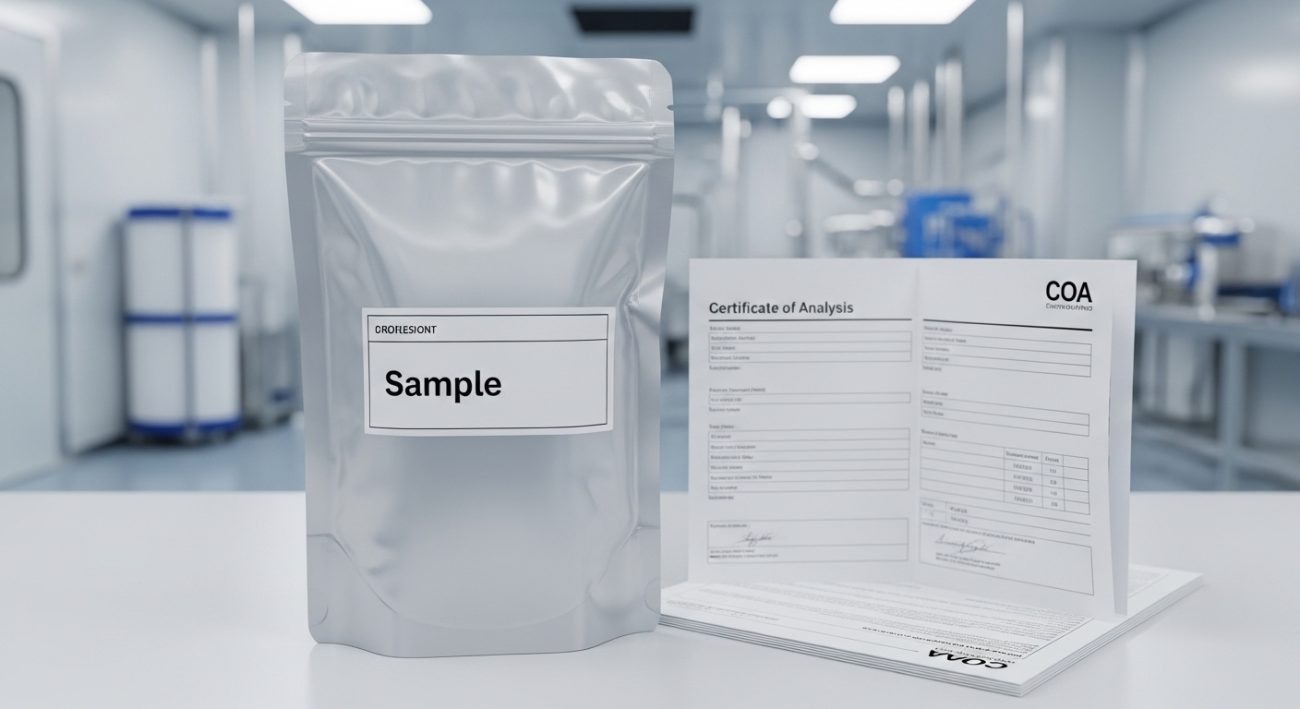
The path from inquiry to production starts with a technical sample. We recommend B2B buyers provide clear application details—such as the target pH, processing temperature, and packaging type—when requesting an RFQ. This allows the supplier’s technical team to suggest the most stable pigment form, whether it is a liquid concentrate or a spray-dried powder.
Standardizing your RFQ process ensures you receive comparable quotes. Focus on lead times, minimum order quantities (MOQ), and shipping logistics from China to Europe or North America. A transparent supply chain is the best foundation for a long-term manufacturing partnership.
Frequently Asked Questions
No, only specific color additives listed in 21 CFR Part 73 are exempt from certification and allowed in food. The term “natural” is an industry descriptor; the FDA evaluates each substance based on its specific botanical source and extraction method.
No, the FDA does not recognize E-numbers for ingredient labeling. Ingredients must be listed by their common or usual names, such as “Beet Juice” or “Turmeric Oleoresin,” as specified in the regulation.
Certified colors are synthetic dyes (like Red 40) that require the FDA to test every batch for purity. Exempt colors are primarily botanical or mineral-based pigments that do not require batch certification but must still meet FDA identity and purity standards.
Yes, Spirulina extract is FDA-approved as a color additive, but its use is restricted to specific categories like candy, frosting, and certain dessert coatings. It is not currently approved for all food categories, so always check the specific application limits.
Natural pigments like anthocyanins are often pH-sensitive or heat-labile. A red pigment may turn purple or blue if the pH rises, or it may fade if exposed to high temperatures during pasteurization without proper stabilization.
Purity is verified through a Certificate of Analysis (COA) that includes testing for heavy metals, microbial load, and solvent residues. Suppliers should use standardized methods like HPLC or ICP-MS to provide these results.

