
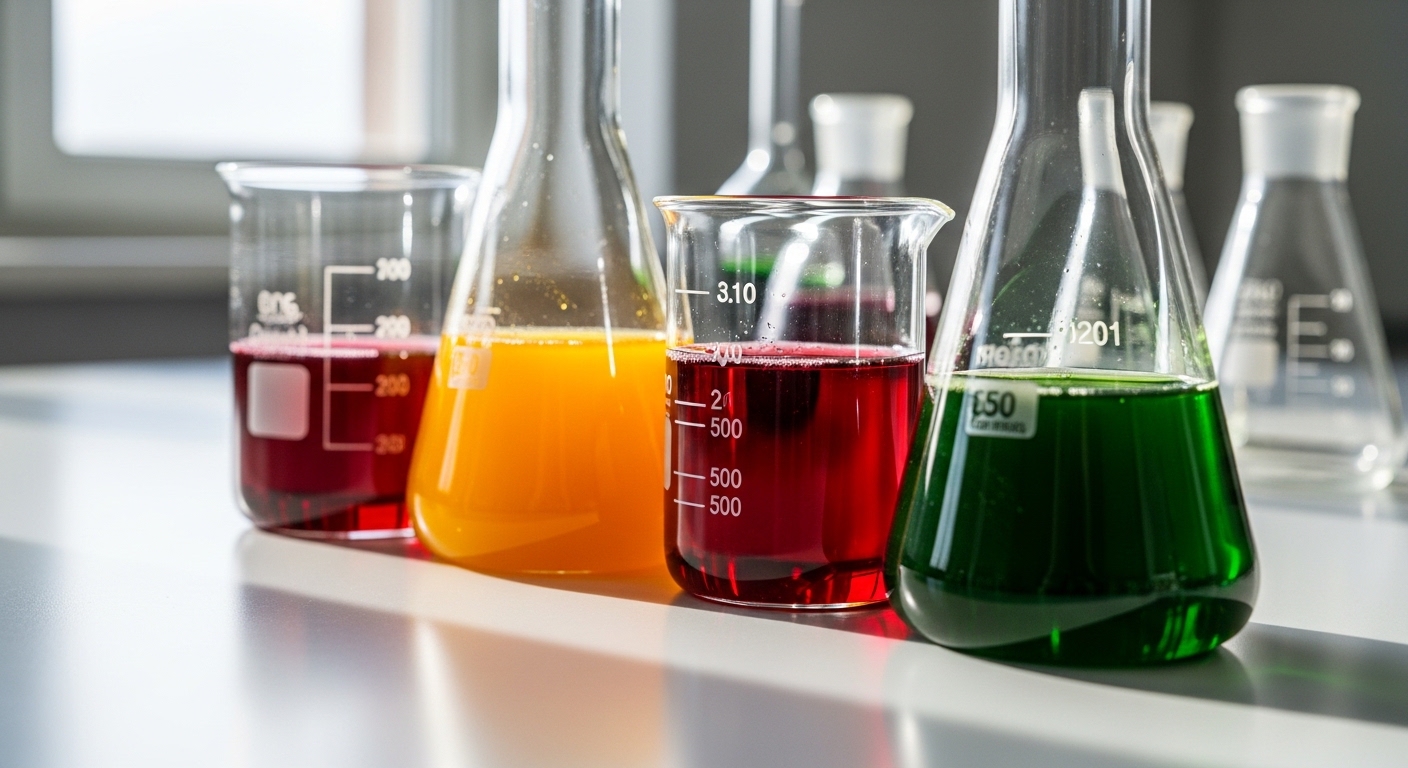
The transition from synthetic dyes to plant pigments as natural food colours is no longer just a consumer trend; it is a regulatory and technical necessity for European food manufacturers. Natural pigments are organic compounds extracted from fruits, vegetables, and botanicals that provide vibrant hues while meeting “clean label” requirements. For B2B procurement managers, sourcing these ingredients requires a balance of tinctorial strength, pH stability, and strict adherence to EU food safety standards.
Xi’an B-Thriving provides high-purity botanical extracts designed to replace artificial azo dyes without compromising the sensory appeal of the final product. By utilizing advanced extraction and stabilization techniques, we help formulators overcome common hurdles like light sensitivity and oxidation.
Why European Food Manufacturers are Switching to Plant-Based Pigments
Consumer demand for transparency has fundamentally altered the European food landscape. Buyers now scrutinize ingredient labels for E-numbers, leading many brands to seek “Coloring Foods”—ingredients derived from edible fruits and vegetables that undergo physical processing rather than chemical extraction.
The primary driver for this shift is the “Southampton Six” study, which linked certain synthetic dyes to hyperactivity in children. Consequently, European B2B buyers prioritize plant pigments to avoid mandatory warning labels. Beyond compliance, natural pigments offer a perceived health halo that aligns with organic and non-GMO product positioning. While synthetic dyes offer high stability at low costs, the long-term value of brand trust and regulatory alignment makes botanical alternatives the superior choice for modern product development.
Identifying the Primary Classes of Botanical Pigments
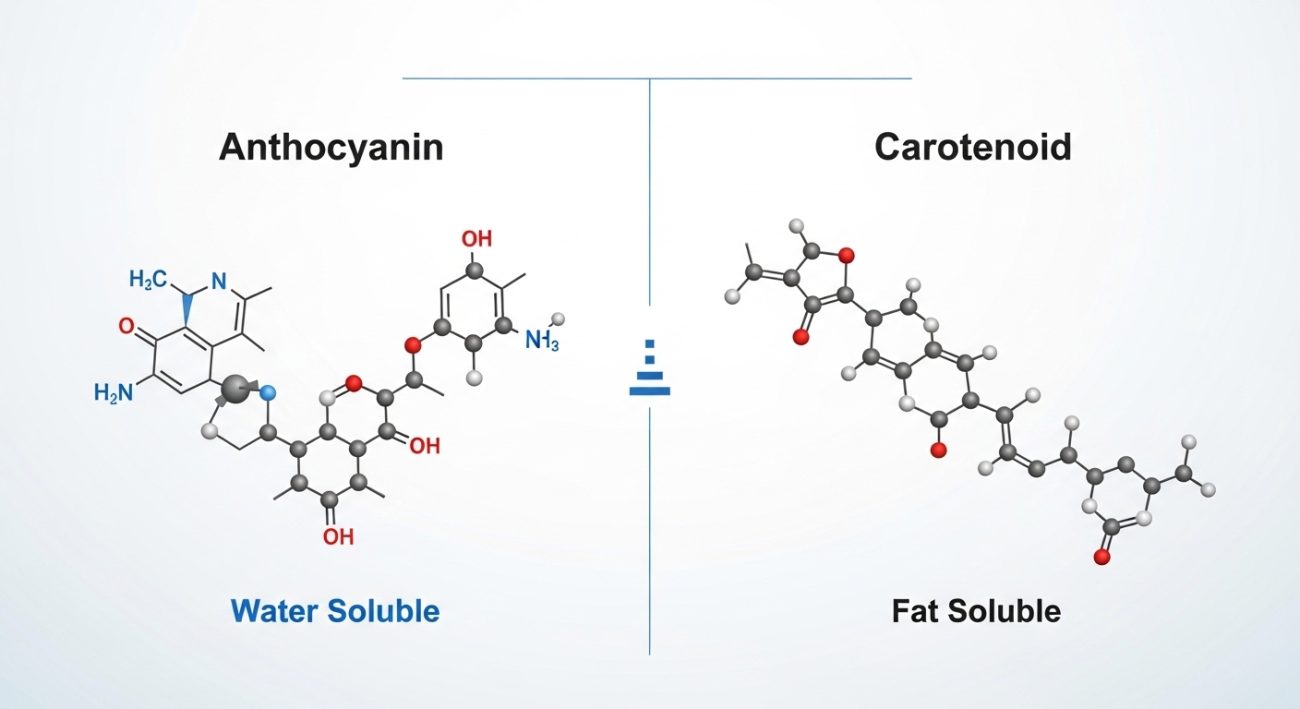
Selecting the right natural plant pigment begins with understanding its chemical classification. Each class of pigment behaves differently under various processing conditions such as heat, light, and acidity.
Anthocyanins for Red and Blue Applications
Anthocyanins are water-soluble vacuolar pigments found in grapes, elderberries, and purple sweet potatoes. They are highly prized for their ability to produce deep reds, purples, and even blues. However, they are sensitive to pH changes. In acidic environments (low pH), anthocyanins appear bright red, while they shift toward blue or green as the pH increases. Procurement teams must verify the specific botanical source to ensure the pigment remains stable during the shelf life of beverages or fruit preparations.
Carotenoids for Stable Orange and Yellow Hues
Carotenoids like Beta-carotene, Lutein, and Lycopene are fat-soluble pigments that provide consistent yellow, orange, and red tones. Unlike anthocyanins, carotenoids offer excellent heat stability, making them ideal for bakery and confectionery applications. Because they are hydrophobic, B2B suppliers often provide them in emulsive or microencapsulated forms to ensure they disperse evenly in water-based food matrices.
Chlorophyll and Copper Chlorophyllin for Green Tones
Chlorophyll is the primary green pigment in all leafy plants. While natural chlorophyll is sensitive to heat and acid—often turning a dull brown—copper chlorophyllin is a more stable derivative used in the food industry. Manufacturers often seek guidance on how to preserve natural plant pigments like chlorophyll to maintain that fresh, “farm-to-table” green appearance in lime-flavored drinks or mint-based sweets.
Overcoming Stability Challenges in Natural Food Color Formulations
The most significant hurdle in replacing synthetics is the inherent instability of botanical extracts. Natural colours can fade when exposed to UV light, high temperatures, or oxygen. Addressing these challenges requires a technical approach to ingredient selection and formulation.
Temperature and Light Sensitivity Solutions
During pasteurization or UHT processing, many plant pigments lose their vibrancy. To mitigate this, formulators often use antioxidants like Ascorbic Acid (Vitamin C) as stabilizers. Additionally, choosing pigments with high polyphenolic content can provide a natural buffer against thermal degradation. Our R&D team recommends conducting stress tests at the prototype stage to determine the exact dosage required to maintain color integrity from the factory gate to the consumer’s table.
Utilizing Liposomal Technology for Enhanced Stability
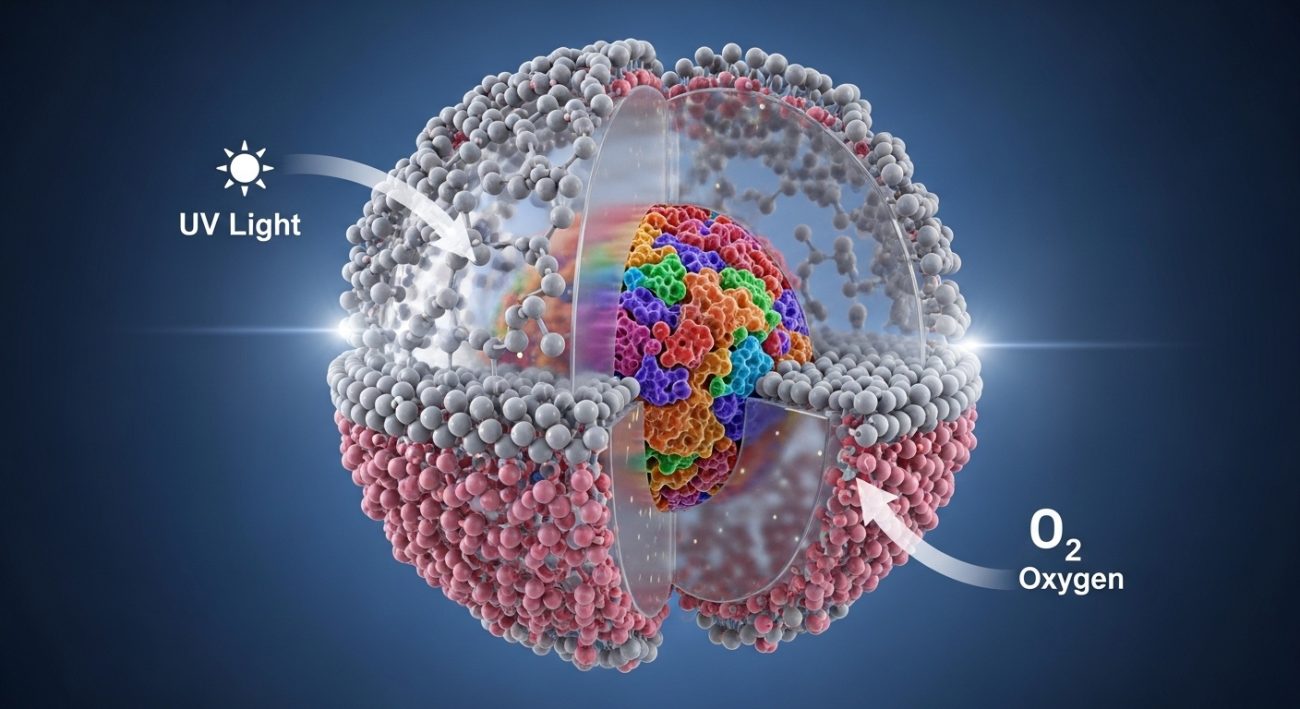
At Xi’an B-Thriving, we employ liposomal and microencapsulation technologies to protect sensitive pigment molecules. By enclosing the pigment in a microscopic lipid shell, we create a barrier against oxygen and light. This technology not only extends shelf life but also allows fat-soluble pigments, such as carotenoids, to become water-dispersible. This technical edge is crucial for B2B buyers who need high-performance ingredients for clear beverages or complex dairy systems.
Compliance and Safety Standards for the EU Market
European B2B procurement is strictly governed by Regulation (EC) No 1333/2008. Understanding the distinction between a “food additive” and a “coloring food” is essential for correct labeling and market entry.
Understanding Coloring Foods vs. Food Additives
“Coloring Foods” are processed from fruits and vegetables and are not considered additives; they do not require E-numbers. In contrast, if a pigment is extracted selectively using chemical solvents, it is classified as a food additive (e.g., E160a for Beta-carotene). Our QA/RA support helps buyers navigate these definitions, ensuring that the Certificate of Analysis (COA) matches the intended label claim. We provide full traceability and documentation for every batch, covering heavy metal limits, pesticide residues, and microbial purity.
Sourcing Bulk Plant Pigments: RFQ and Quality Assurance
Reliable sourcing is the backbone of successful food production. For European buyers, lead times, batch-to-batch consistency, and technical documentation are the top priorities. Xi’an B-Thriving simplifies this process by providing comprehensive support from the initial inquiry to final delivery.
While some hobbyists research how to extract pigments from flowers at home, industrial-scale production requires standardized how to make natural pigments from plants protocols that guarantee tinctorial strength. We offer OEM/ODM services to customize pigment concentrations based on your specific formulation needs.
Frequently Asked Questions
Carotenoids and certain heat-treated beetroot extracts offer high thermal stability, but anthocyanins may fade if exposed to high heat for extended periods. We recommend microencapsulated versions for baked goods to protect the pigment core.
A natural color is often a concentrated additive with an E-number, whereas a coloring food is a food ingredient that retains the essential characteristics of the source material and does not require an E-number.
Spirulina extract and certain pH-stabilized anthocyanins from red cabbage are the primary sources of natural blue. These require specific pH monitoring to prevent shifting toward purple or green.
You can request a Certificate of Analysis by submitting an RFQ through our contact page. We provide detailed specifications for purity, color value (E-value), and contaminant testing for every shipment.
Our MOQ varies by product type, but we typically offer flexible options for pilot runs and samples to ensure the pigment meets your formulation requirements before full-scale production.
Natural pigments should be stored in a cool, dark, and dry environment. We provide specialized vacuum-sealed packaging to protect our bulk extracts from moisture and oxygen during transit and storage.

