
At Xi’an B-Thriving I/E Co., Ltd, we specialize in the high-precision extraction and stabilization of botanical compounds. Drawing from our proximity to the Qinling Mountains’ raw materials, our laboratories have developed advanced protocols to ensure that natural plant pigments maintain their molecular integrity and color vibrancy long after extraction.
The Science of Color Decay: Why Pigments Fade
To successfully preserve natural plant pigments, one must neutralize the primary catalysts of degradation: UV radiation, thermal instability, and oxidation. By creating a chemical barrier or altering the physical state of the pigment through lake extraction or encapsulation, you prevent the molecular “bruising” that turns vibrant botanical hues into dull browns.
Photodegradation occurs when high-energy light waves break the chemical bonds of chromophores. In our testing at B-Thriving, we have found that anthocyanins are particularly sensitive to these shifts. To counter this, professional stabilization involves managing the oxidative window—the critical minutes following cellular rupture where oxygen exposure is highest.
Method 1: The “Lake Pigment” Extraction for Maximum Stability
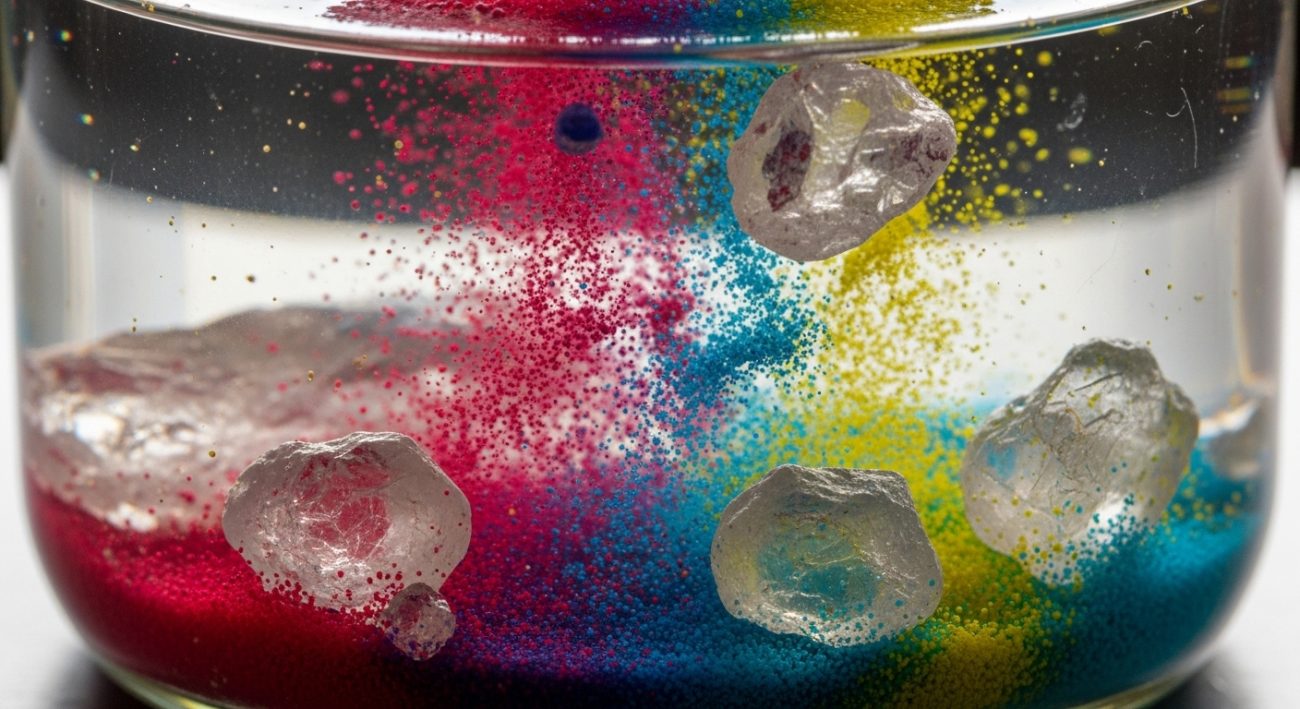
The most effective method for long-term preservation is creating a “Lake Pigment.” By precipitating natural dye with Alum (potassium aluminum sulfate) and Soda Ash, you transform soluble dyes into insoluble pigment particles. This process enhances lightfastness and allows the pigment to be dried into a shelf-stable powder suitable for industrial or artistic use.
In our specialized production facility, we follow a rigorous precipitation protocol to ensure batch consistency. We recommend the following ratio for high-yield stabilization:
| Extraction Step | Key Ingredient | Technical Purpose |
| 1. Aqueous Extraction | Deionized Water + Plant Matter | Release soluble chromophores |
| 2. Mordant Binding | Alum (10g/L) | Anchor dye molecules to a substrate |
| 3. Chemical Precipitation | Soda Ash (5g/L) | Convert liquid dye into solid pigment |
| 4. Vacuum Filtration | Grade 1 Filter Paper | Isolate pure pigment particles |
Our experience with natural-plant-pigment production shows that adding the soda ash too quickly can cause excessive CO2 discharge. We suggest a slow, whisked integration to maintain a stable environment for the precipitate to form.
Method 2: PH-Stabilized Maceration for Liquid Inks
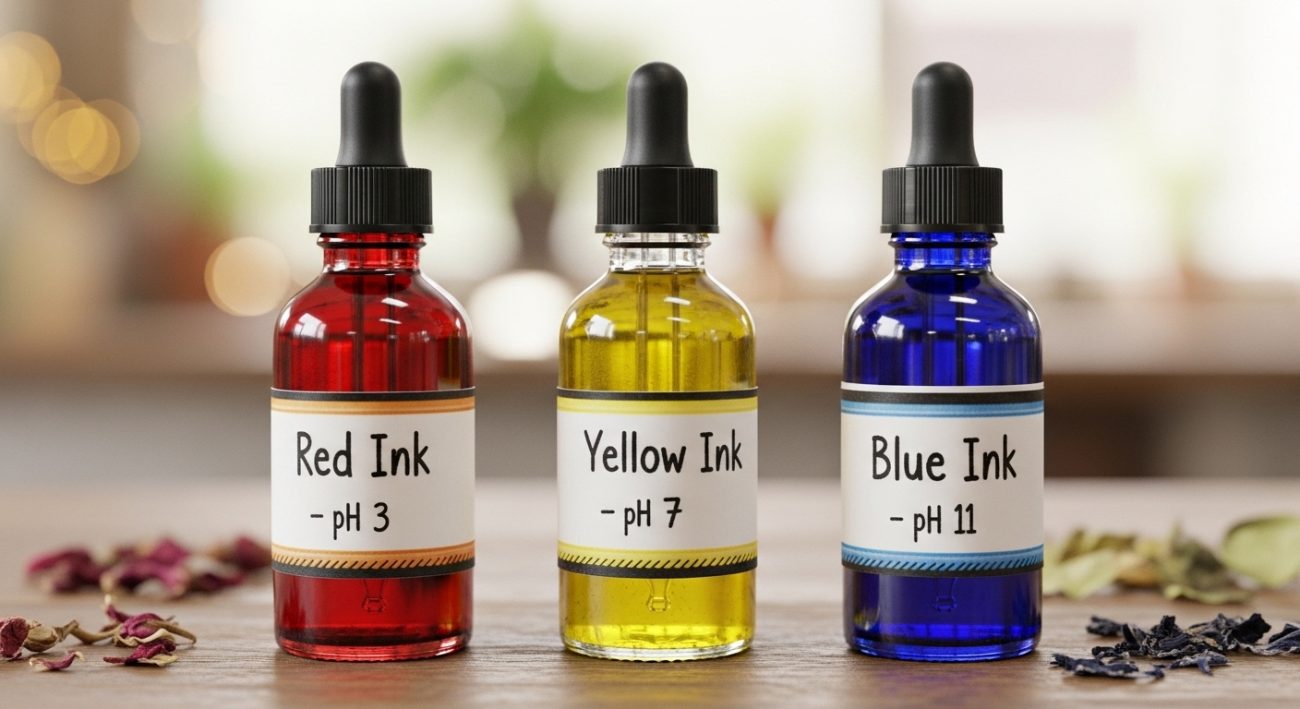
To prevent natural dyes from fading in liquid form, you must address photodegradation and PH shifts. Adding a mordant like alum binds the pigment to the substrate, while maintaining a specific PH (acidic for reds, alkaline for blues) prevents color shifting. Storing finished pigments in UV-protected amber glass further extends vibrancy.
When working with anthocyanins natural plant pigment benefits, we have observed that even minor PH fluctuations can flip a deep purple to a muddy green. For domestic or small-scale applications, using citric acid or distilled vinegar provides the necessary acidic buffer to “lock” the red spectrum.
Method 3: Oil-Based Encapsulation for Carotenoids
Yes, pigments can be preserved without harsh chemicals through low-temperature dehydration or oil encapsulation. Freezing plant material at -18°C breaks cell walls for better extraction, while air-drying in total darkness preserves the chemical structure of carotenoids. However, without a binder, these “raw” pigments remain highly susceptible to oxidation.
Our R&D team recommends utilizing lipid-based carriers like linseed or walnut oil for yellow and orange pigments found in marigold or carrots. Unlike water-based methods, oil encapsulation creates a physical oxygen barrier, significantly extending the shelf-life of the flower-pigment-extraction-at-home process.
Modern Preservation Tech: Bio-Preservatives and Cold Storage
At B-Thriving, we utilize bio-based preservatives to prevent microbial growth in botanical extracts. Incorporating a 1% concentration of wintergreen oil or essential cloves acts as a natural fungicide. This is a critical step when you make natural pigments from plants that are intended for multi-month storage.
Troubleshooting Common Stability Issues
- Issue: My green pigment turned brown instantly.
- Solution: Chlorophyll is extremely heat-sensitive. Ensure your extraction temperature never exceeds 40°C.
- Issue: The powder is gritty or uneven.
- Solution: Use a ceramic mortar and pestle for a minimum of 5-10 minutes post-drying to achieve a micronized texture.
- Issue: The color shifted during drying.
- Solution: This indicates a PH shift during evaporation. Add a secondary buffer like calcium carbonate before the drying phase.
Frequently Asked Questions
Carotenoids (yellows/oranges) and certain flavonoids generally offer higher lightfastness than anthocyanins. However, when converted into a lake pigment using alum, even sensitive pigments like those from berries can achieve professional-grade stability for art and cosmetic applications.
If stored in a cool, dark environment within airtight amber glass, stabilized lake pigments can remain vibrant for 2–5 years. Liquid macerations have a shorter shelf-life, typically 6–12 months, unless fortified with bio-preservatives like wintergreen oil.
While many plants provide edible pigments, the preservation methods involving alum or chemical mordants are intended for external use, such as paints or cosmetics. For food-grade stability, we recommend our specialized, regulatory-compliant natural plant pigments specifically designed for the nutraceutical and food industries.

