
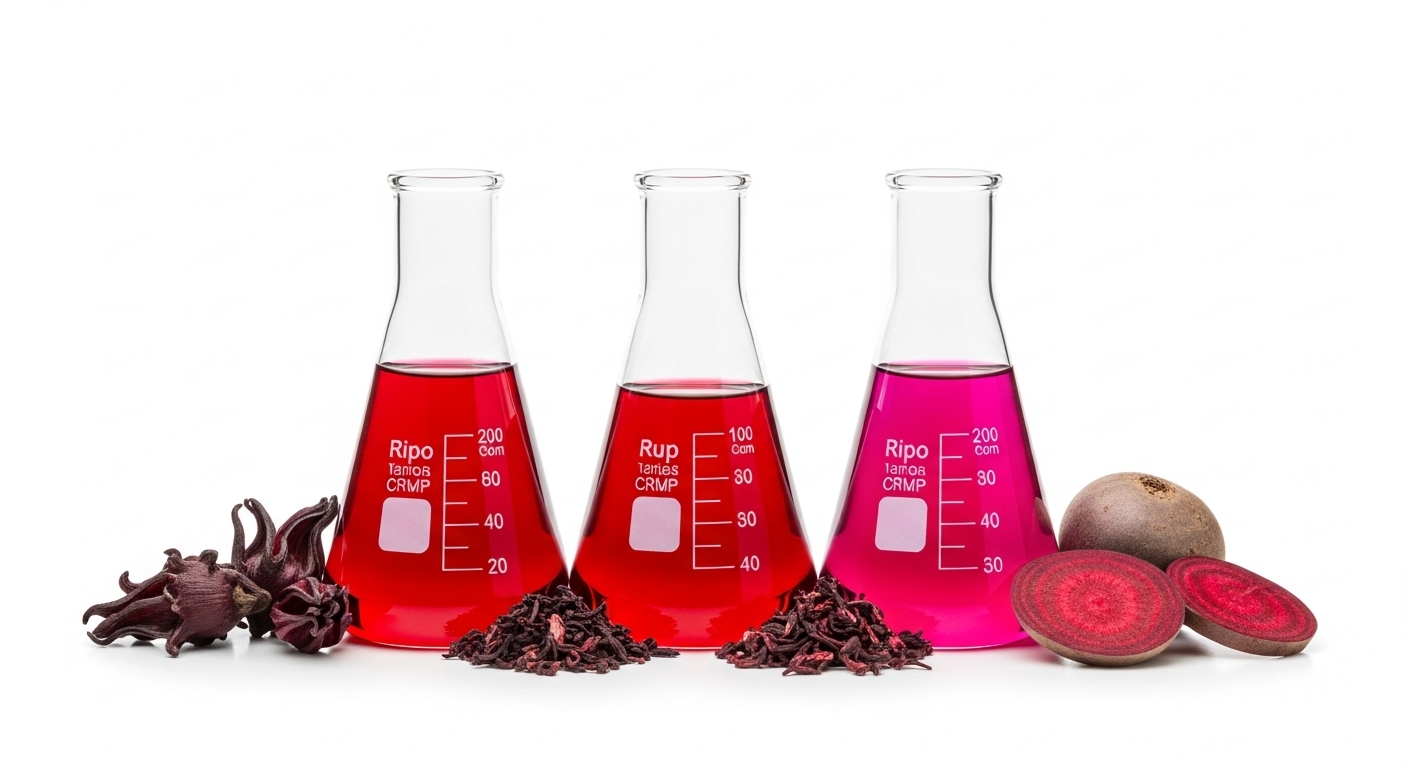
Natural red pigment from plants refers to a diverse group of botanical compounds—primarily anthocyanins, betalains, and carotenoids—used to provide vibrant red hues in food, pharmaceutical, and cosmetic applications. Unlike synthetic dyes, these plant-derived colorants offer a “clean label” profile that meets the growing global demand for sustainable and health-conscious ingredients. For B2B manufacturers, selecting the right natural red involves balancing color intensity with thermal stability and pH sensitivity to ensure a consistent finished product.
Comparing Botanical Sources for High-Stability Red Pigments
Procurement managers must distinguish between the chemical structures of various botanical sources, as each behaves differently during industrial processing. The most common plant-based red pigments fall into three distinct categories: anthocyanins, betalains, and carotenoids. Each source offers unique advantages depending on the moisture content and light exposure of your final formulation.
| Pigment Type | Common Botanical Sources | Solubility | Best pH Range |
| Anthocyanins | Hibiscus, Elderberry, Purple Carrot | Water | 2.0 – 4.5 (Acidic) |
| Betalains | Beetroot, Prickly Pear | Water | 3.0 – 7.0 (Neutral) |
| Carotenoids | Tomato (Lycopene), Paprika | Oil / Fat | 3.0 – 10.0 (Stable) |
Anthocyanins from Berries and Hibiscus
Anthocyanins represent the most widely used natural blue plant pigments and red colorants in the industry. These water-soluble vacuolar pigments change color based on the acidity of the environment. In highly acidic conditions (pH 1-3), anthocyanins produce a brilliant “royal red” or pink. However, as the pH rises toward neutral, the color often shifts toward purple or blue. Manufacturers frequently choose hibiscus or elderberry extracts for beverages and fruit-based snacks where a low pH is naturally maintained.
Betalains from Beetroot (Beta vulgaris)
Beetroot red powder remains a staple for manufacturers requiring a deep red-violet hue in neutral pH applications. Unlike anthocyanins, betalains do not shift to blue when acidity decreases, making them ideal for dairy products, meat alternatives, and dry powder mixes. However, betalains are sensitive to high-heat processes like extended boiling or extrusion. Bio-Thriving provides specialized beetroot extracts with high betanin concentrations to ensure color retention even in shorter thermal cycles.
Technical Challenges: Maintaining Red Vibrancy in Formulations
Transitioning from synthetic Red 40 to a natural red pigment from plants requires an understanding of molecular stability. Formulators often encounter “color fading” or browning if the environmental factors of the production line are not strictly managed. Successful B2B integration depends on matching the pigment’s chemical strengths to the specific stresses of the product’s shelf life.
Impact of pH Levels on Red Color Expression
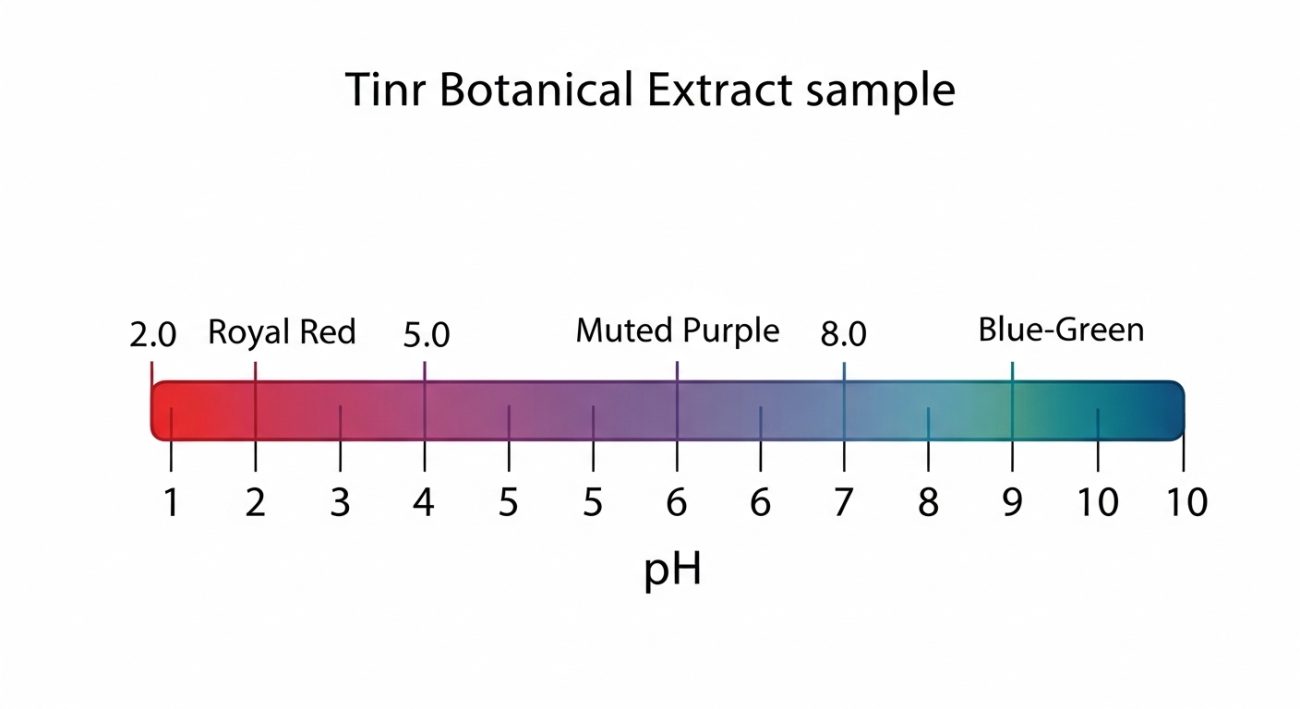
The pH level is the primary driver of color morphology in botanical extracts. If you are formulating a carbonated drink or a gummy candy, the acidic environment will stabilize the red flavylium cation in anthocyanins. If your product is closer to a neutral pH, such as a protein shake, the pigment may require a stabilizing carrier or a shift to a betalain-based colorant. Understanding these natural plant pigments and their uses is essential for avoiding costly batch failures during R&D.
Heat and Light Stability in Large-Scale Manufacturing
Industrial food processing often involves UHT (Ultra-High Temperature) treatment or HTST (High Temperature Short Time) pasteurization. Heat can cause the degradation of the pigment’s chromophore, leading to a dull, brownish appearance. To combat this, many manufacturers utilize microencapsulated pigments or oil-suspended carotenoids like lycopene, which offer superior resistance to thermal stress. Protection from UV light is equally critical, especially for products packaged in transparent glass or plastic, where oxidation can rapidly deplete color intensity.
Compliance and Quality Standards for European B2B Buyers
For European procurement leads, the technical specification of a pigment is as important as the color itself. Regulatory bodies like EFSA (European Food Safety Authority) require strict adherence to purity standards. When sourcing a natural red pigment from plants, buyers must ensure the ingredient aligns with the “Coloring Foods” guidelines or carries a valid E-number for specific additive applications.
Understanding E-Numbers and Clean Label Requirements
In the EU, natural red pigments are often classified by E-numbers, such as E162 for Beetroot Red or E163 for Anthocyanins. However, many brands now prefer “Coloring Foods,” which are concentrates derived from fruits and vegetables processed physically rather than chemically. These allow for labels that read “Beetroot Juice Concentrate” rather than “Color: E162,” supporting the clean-label transparency that modern consumers demand. Recognizing the different types of natural pigments found in plants helps QA teams decide which regulatory path best fits their brand strategy.
Documentation Requirements: COA, MSDS, and ISO Certification
A reliable supplier must provide a comprehensive “Quality Package” with every bulk order. At Xi’an B-Thriving, we provide a detailed Certificate of Analysis (COA) for every batch, documenting pigment content, heavy metal limits, and microbiological safety. Our production facilities adhere to ISO and GMP standards, ensuring that our botanical extracts meet the rigorous safety profiles required for pharmaceutical and nutraceutical exports to the European Union.
Sourcing and Bulk Procurement for Manufacturers
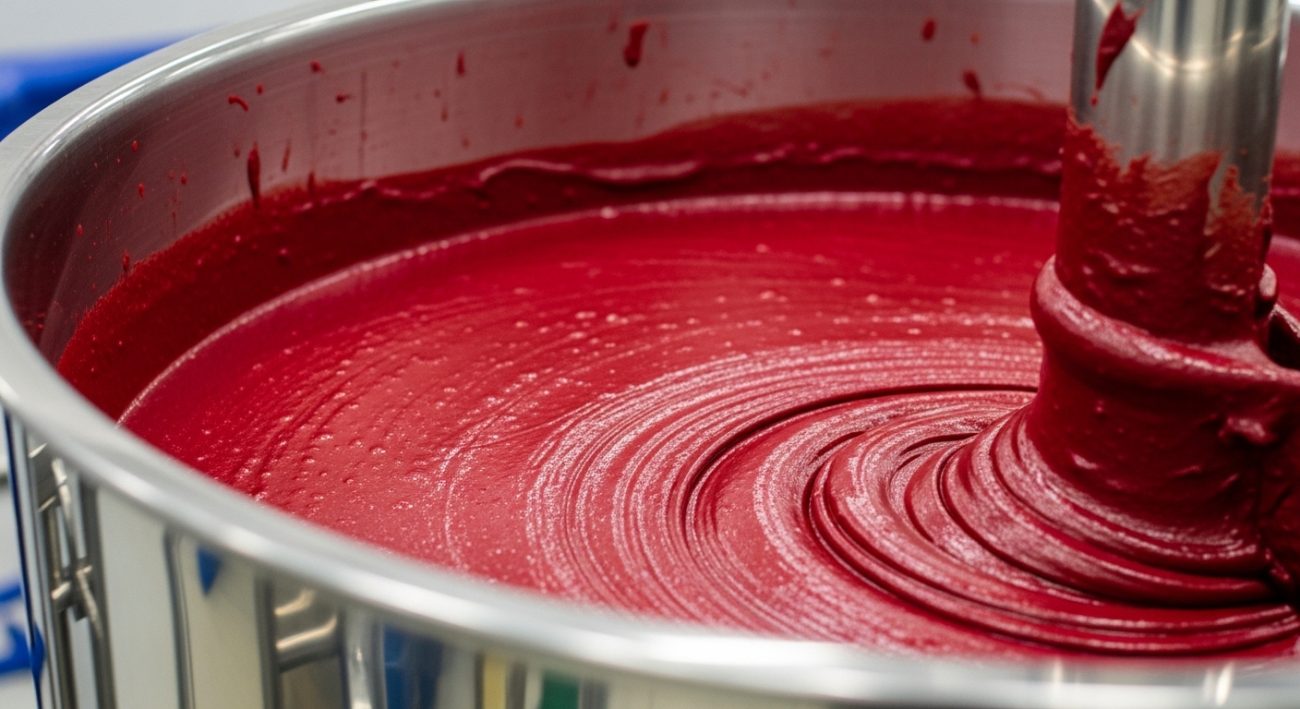
Choosing a natural red pigment from plants is a strategic decision that affects your product’s visual appeal and marketability. As a dedicated B2B partner, Xi’an B-Thriving offers more than just raw materials; we provide the technical support necessary to integrate these pigments into complex formulations. Whether you require a water-soluble hibiscus extract or a fat-soluble lycopene powder, our OEM/ODM services are designed to meet your specific potency and stability requirements.
We maintain a robust supply chain to ensure that your production schedules are never interrupted by raw material shortages. By focusing on high-purity monomers and standardized extracts, we help you maintain color consistency across every batch, protecting your brand’s reputation for quality.
Frequently Asked Questions
Yes, carotenoids like lycopene and paprika oleoresin offer the highest heat stability among natural reds. While anthocyanins and betalains are sensitive to prolonged high temperatures, microencapsulation technologies can significantly improve their thermal resistance in industrial applications.
The brightest red pigments are typically derived from beetroot (betalains) for cool-toned reds and hibiscus or black carrot (anthocyanins) for warm, acidic reds. These plants provide high pigment density, making them cost-effective for bulk manufacturing.
Yes, all red pigments derived directly from botanical sources are inherently vegan and can be certified Halal and Kosher. This makes them a superior alternative to Carmine (E120), which is derived from insects and does not meet vegan or certain religious dietary requirements.
Anthocyanins are best stabilized by maintaining a low pH (below 4.0) and minimizing exposure to oxygen and direct sunlight. In some formulations, adding organic acids like citric or ascorbic acid can help preserve the vibrant red hue throughout the product’s shelf life.
Standardized extracts are usually processed to minimize flavor impact; however, at very high inclusion rates, some pigments like beetroot or hibiscus may impart a slight earthy or tart note. Using high-potency extracts allows for lower dosage levels, effectively eliminating unwanted flavor profiles.

