
Finding a stable natural blue pigment in plants is one of the most significant challenges for modern B2B formulators. Unlike reds or yellows, true blue is rare in the botanical world due to the complex molecular structures required to reflect blue light. For procurement managers and R&D leads, selecting the right source involves balancing color vibrancy with pH stability and regulatory compliance.
Sources of Natural Blue Colorants in the Botanical World
In the industrial production of natural plant pigments and their uses, only a few botanical sources provide a viable blue hue. While hundreds of plants appear blue to the eye, most rely on anthocyanins that shift to purple or green depending on the surrounding environment.
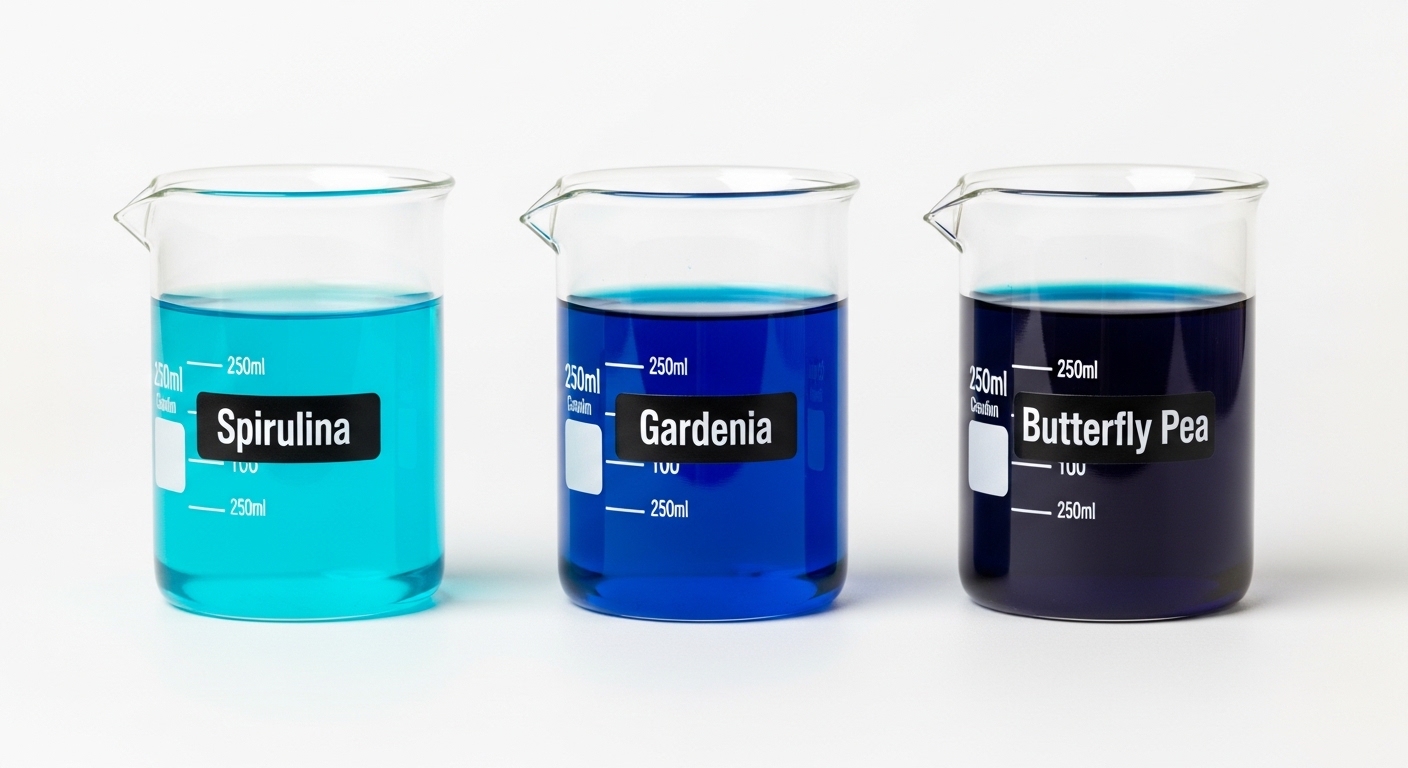
Reliable industrial blue pigments generally come from three primary sources: Spirulina (Phycocyanin), Gardenia (Genipin), and Butterfly Pea Flower. Each source offers distinct advantages regarding solubility and heat resistance. Understanding the chemical nature of these types of natural pigments found in plants is the first step in successful product development.
Phycocyanin: The Gold Standard for Spirulina-Derived Blue
Phycocyanin is a pigment-protein complex extracted from Arthrospira platensis (Spirulina). It remains the most popular choice for “clean label” blue in the European market. Because it is classified as a “coloring food” rather than a synthetic additive, it meets the strict requirements of health-conscious consumers.
For bulk supply, Phycocyanin is often graded by its color value (e.g., E18, E25). Higher grades offer more intense pigment concentration with less carrier material. This extract is highly water-soluble, making it ideal for dairy products, ice cream, and certain confectionery applications where high-heat processing is not required.
Gardenia Blue: Stability Factors for Industrial Use
Gardenia Blue is produced through the enzymatic fermentation of geniposide, which is extracted from the Gardenia jasminoides fruit. Unlike many other natural-plant-pigment options, Gardenia Blue offers excellent stability against light and heat.
This pigment provides a deep, navy-to-royal blue shade that remains consistent across a wider temperature range than Phycocyanin. It is particularly effective in hard candies and flour-based products. However, procurement teams must verify its regulatory status, as it is treated differently than Spirulina extract in some jurisdictions.
Technical Challenges: Why True Blue is Rare in Nature
The rarity of blue in nature stems from the high energy required to produce blue-reflecting molecules. Most “blue” fruits, such as blueberries, actually contain purple anthocyanins that only appear blue due to specific cellular vacuole pH levels or wax coatings.
When these pigments are extracted, they often lose their blue shade. Formulators must account for the “shifting” nature of botanical colors. Without proper stabilization or the use of specific proteins, a natural blue pigment can quickly degrade into a dull grey or brown when exposed to sunlight or oxygen.
Impact of pH Levels on Anthocyanin Color Shifts
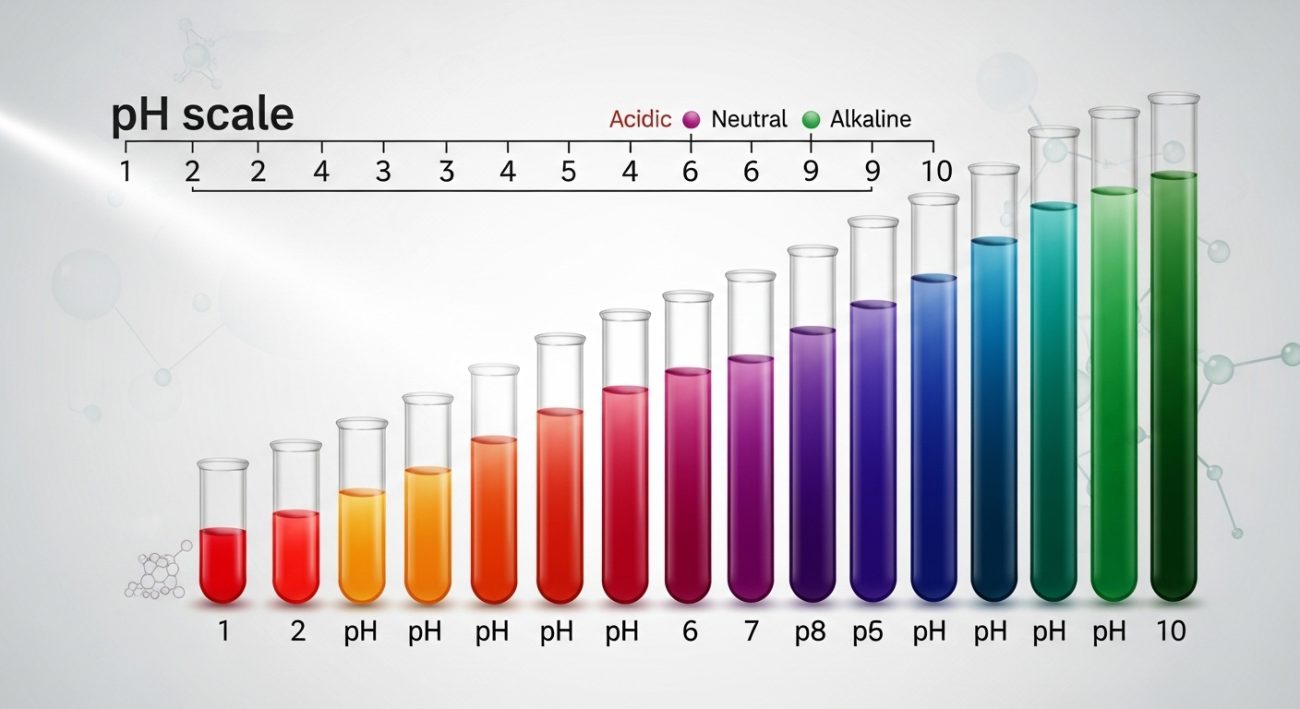
Anthocyanins are the most common pigments in the plant kingdom, but they are notoriously sensitive to pH. In acidic environments (pH 1-3), they appear red. As the pH moves toward neutral (pH 5-7), they transition to purple, and they only reach a blue or green hue in alkaline conditions (pH 8+).
This sensitivity presents a major hurdle for beverage manufacturers. Since most functional drinks are acidic, using a standard anthocyanin-based blue is often impossible without the color shifting to red or pink. Finding a pH-stable natural blue color usually requires moving away from anthocyanins toward more robust complexes like Phycocyanin or metallic-complexed pigments.
How to Stabilize Blue Pigments in Acidic Beverages
To maintain a blue hue in low-pH liquids, formulators often use microencapsulation or specialized stabilizers. Microencapsulation protects the pigment core from the acidic environment of the beverage, allowing the blue color to remain vivid throughout the product’s shelf life. Another approach involves using Phycocyanin specifically formulated for acid stability, which prevents the protein from denaturing and precipitating out of the solution.
Regulatory Compliance for European Nutraceutical Markets
European B2B buyers must navigate complex regulations regarding food colorants. The European Food Safety Authority (EFSA) distinguishes between “Coloring Foods” and “Food Additives.”
Spirulina-derived Phycocyanin is generally classified as a coloring food, meaning it does not require an E-number and supports a “clean label” claim. Gardenia Blue, however, may be classified as an additive depending on the extraction and fermentation process used. Documentation such as a Certificate of Analysis (COA) and a detailed technical data sheet is essential for QA/RA departments to ensure the ingredient meets EU 231/2012 specifications for purity and heavy metal limits.
Procurement Criteria for B2B Natural Pigment Buyers
Selecting a bulk natural blue pigment supplier requires more than just price comparison. Consistency is the most critical factor in industrial manufacturing. A slight variation in the pigment’s color value can lead to noticeable differences in the final product across different batches.
When evaluating a supplier like Xi’an B-Thriving, procurement managers should prioritize:
- Batch Consistency: Ask for historical HPLC data to ensure the color value remains stable.
- Solubility Testing: Ensure the pigment dissolves clearly without leaving sediment in your specific application.
- Microbiological Safety: Verify that the botanical source is free from contaminants like microcystins in the case of algae-derived pigments.
- Logistics: Confirm lead times and shipping conditions, as some blue pigments are heat-sensitive during transit.
FAQ: Common Questions on Natural Blue Pigments
Natural blue pigments turn green when they interact with yellow tones in the base formulation or when the pH shifts toward alkalinity. Using a high-purity blue extract and adjusting the acidity of the carrier can help maintain a true blue shade.
Gardenia Blue is generally considered the most heat-stable natural blue pigment, making it suitable for baking and high-heat confectionery. While Phycocyanin is vibrant, it begins to degrade at temperatures above 60°C.
Yes, Phycocyanin derived from Spirulina is typically classified as a coloring food in the EU. This allows manufacturers to list it as “Spirulina Extract” rather than using a synthetic E-number on the ingredient label.
The standard shelf life for bulk Phycocyanin powder is 24 months when stored in a cool, dry place away from direct sunlight. To ensure maximum stability, it is often shipped in vacuum-sealed, light-proof aluminum foil bags.
Most natural blue pigments, like Phycocyanin, are water-soluble and do not naturally disperse in oil. For oil-based applications like chocolate or lipid-filled capsules, you must use an oil-dispersible version or an emulsified liquid pigment.
You should always request a current Certificate of Analysis (COA), a Material Safety Data Sheet (MSDS), and a Technical Data Sheet (TDS). For European markets, additional statements regarding GMO-free status and heavy metal compliance are often mandatory.

