
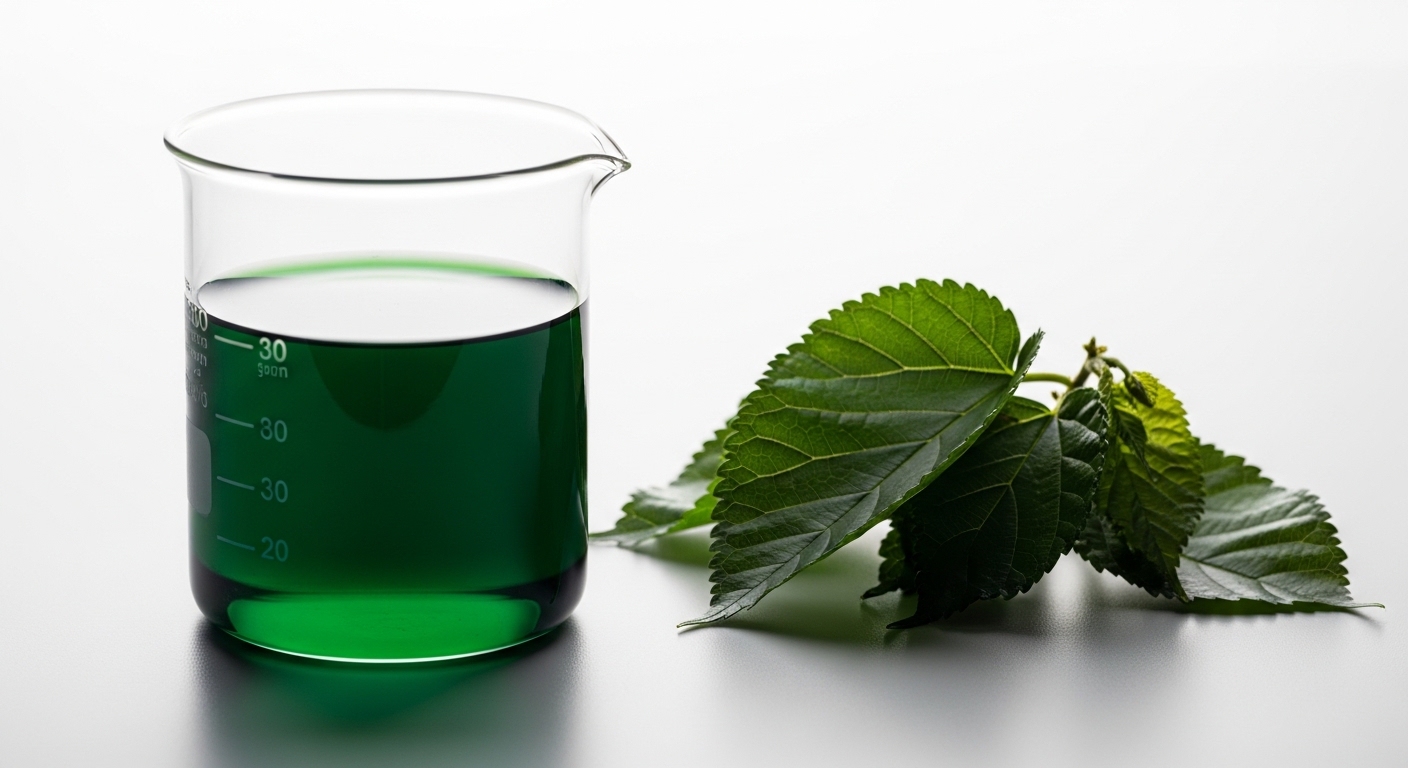
Chlorophyll is the primary natural green pigment in plants, responsible for absorbing light energy during photosynthesis. In industrial applications, it serves as a highly stable, plant-derived colorant used extensively in the food, nutraceutical, and cosmetic sectors. For B2B procurement, chlorophyll is typically sourced as oil-soluble chlorophyll or water-soluble Sodium Copper Chlorophyllin (SCC) to ensure color consistency and heat stability in diverse formulations.
Understanding Chlorophyll as a Natural Colorant for Industry
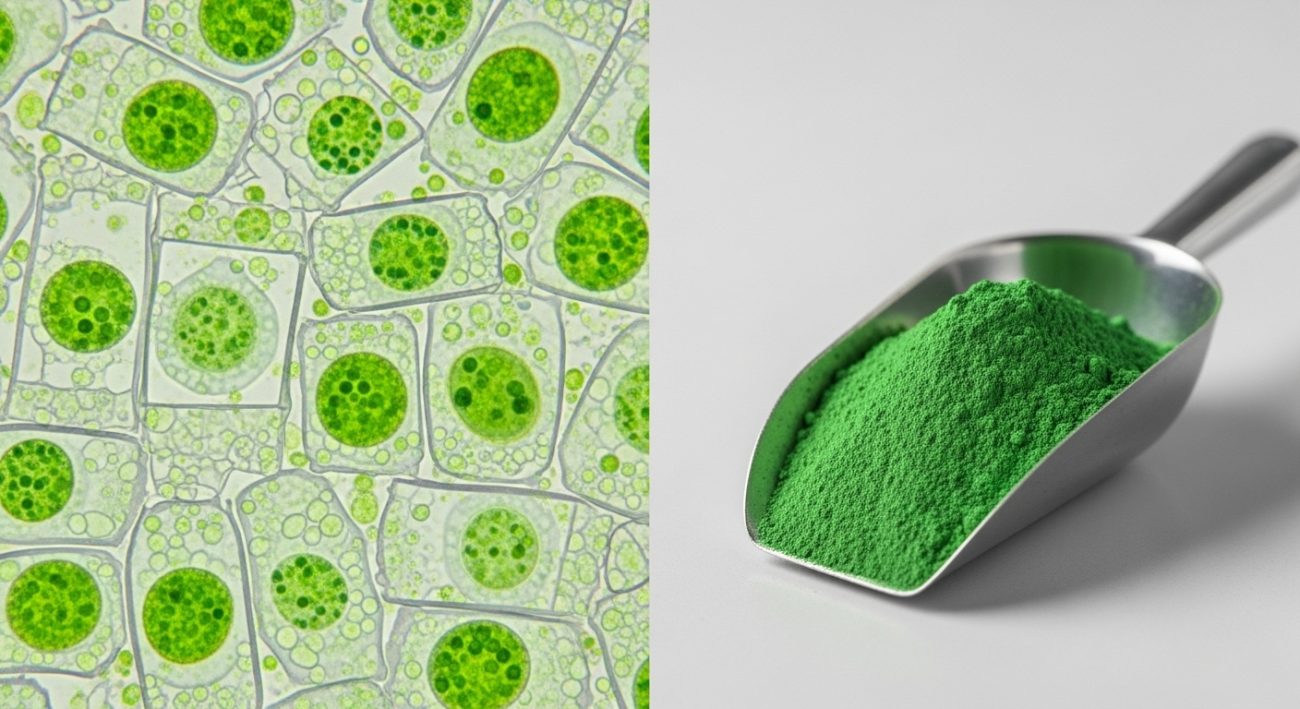
Chlorophyll is more than just a biological necessity for plant life; it is one of the most versatile types of natural pigments found in plants. While native chlorophyll is oil-soluble and relatively sensitive to light and acids, industrial extraction processes have evolved to create stabilized versions.
Manufacturers often convert natural chlorophyll into Sodium Copper Chlorophyllin. This process replaces the central magnesium atom with copper, resulting in a vibrant green pigment that maintains its integrity under high-temperature processing. For European formulators, this shift is critical for achieving a “clean label” status while replacing synthetic dyes like Fast Green FCF or Brilliant Blue mixtures.
Key Applications: Why Formulators Choose Plant-Derived Chlorophyll
The demand for naturality in the European market has pushed chlorophyll to the forefront of the “Coloring Foods” movement. Unlike natural blue pigment in plants, which can be notoriously difficult to stabilize, chlorophyll offers a predictable performance profile across various delivery systems.
Use in Dietary Supplements and Softgels
In the nutraceutical industry, chlorophyll serves a dual purpose. It acts as a natural aesthetic agent for “green superfood” capsules and provides secondary antioxidant properties. For softgel manufacturers, oil-soluble chlorophyll derivatives are preferred. These ensure the shell remains opaque and protects sensitive active ingredients from UV degradation.
Clean-Label Food and Beverage Applications
Food technicians utilize chlorophyll to achieve consistent shades in confectionery, dairy, and dry beverage mixes. Because consumers increasingly scrutinize ingredient lists, using a natural-plant-pigment allows brands to claim “no artificial colors.” This is particularly effective in mint-flavored products, lime-flavored drinks, and vegetable-based snacks.
Heat and pH Stability Considerations
Stability is the primary challenge when working with any natural red pigment from plants or greens. Standard chlorophyll may turn olive-brown in acidic environments (pH below 5.0). To counter this, Bio-Thriving provides specialized Sodium Copper Chlorophyllin grades that remain stable in mid-acidic beverages. This technical edge prevents color precipitation and ensures a long shelf life for the final retail product.
Technical Specifications and Quality Standards for EU Procurement
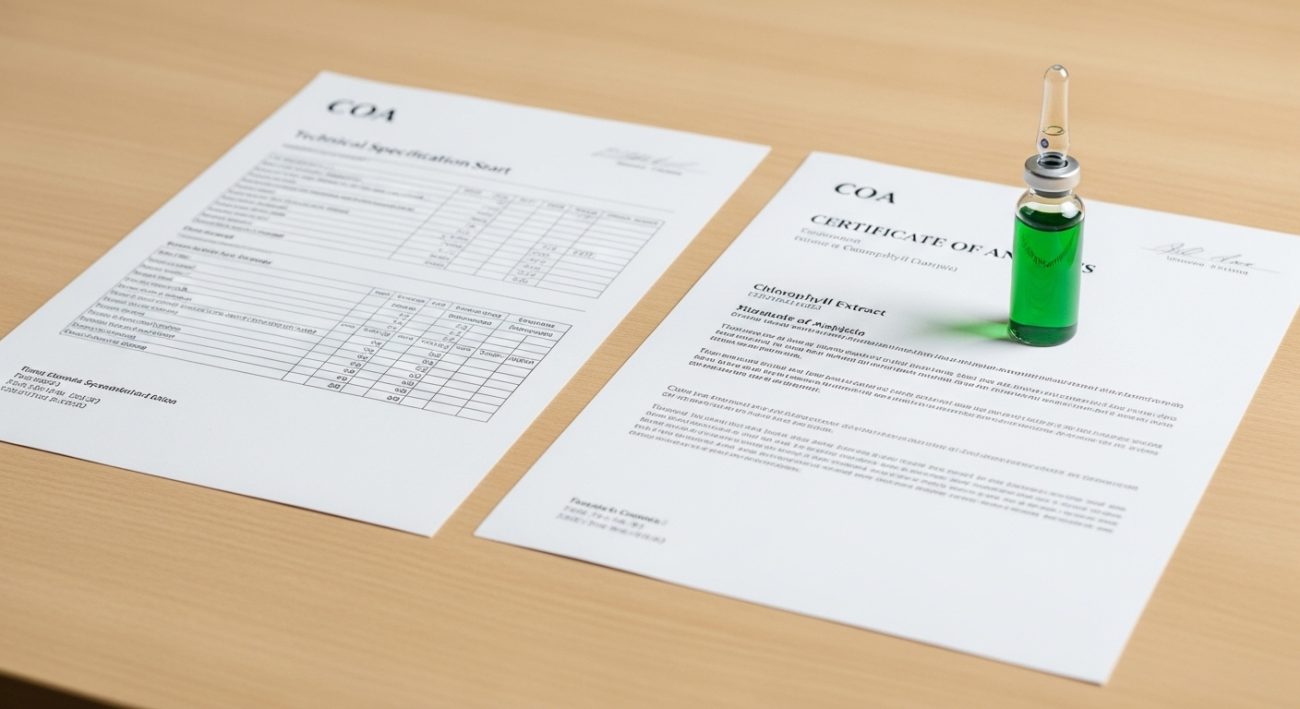
Procurement managers in Europe face strict regulatory hurdles. Quality assurance begins with the raw material source—typically alfalfa or mulberry leaves—and continues through rigorous heavy metal testing.
Extraction Methods and Purity Levels
At Xi’an B-Thriving, we utilize advanced solvent extraction followed by precise filtration to ensure high purity. Our process removes residual plant waxes and odors that could otherwise affect the sensory profile of your formulation. We standardize our chlorophyllin to specific copper content levels, ensuring that every batch meets the precise color intensity required for large-scale production runs.
Regulatory Compliance: E141i and E141ii Standards
For EU buyers, understanding the distinction between E141i (Chlorophyllins) and E141ii (Sodium Copper Chlorophyllin) is vital. Our products comply with European Food Safety Authority (EFSA) specifications. We provide comprehensive documentation to support your regulatory filings, ensuring that your transition from synthetic to natural pigments is seamless and compliant with local labeling laws.
Sourcing Bulk Chlorophyll from Bio-Thriving
Xi’an B-Thriving I/E Co., Ltd. positions itself as more than a supplier; we are a technical partner. Our facility in Xi’an focuses on delivering consistent, high-volume batches that meet the stringent demands of the global pharmaceutical and cosmetic industries.
Custom OEM/ODM Microencapsulation Options
For specialized applications where stability is a concern, we offer microencapsulated chlorophyll. This technology protects the pigment from oxidation and ensures a slow-release profile if required. Our R&D team works directly with your formulators to adjust particle size and solubility, ensuring the pigment integrates perfectly into your unique carrier system.
Logistics and Lead Times for European Buyers
We understand that supply chain reliability is as important as product purity. Bio-Thriving maintains robust logistics channels to serve the UK and EU markets. We provide transparent lead times and hold safety stock for long-term contract partners. From the initial RFQ to the final delivery of bulk containers, our team ensures that all documentation, including COAs and MSDS, is ready for your QA/RA audit.
Frequently Asked Questions
Sodium Copper Chlorophyllin is significantly more heat-stable than raw chlorophyll. It can withstand standard pasteurization and extrusion temperatures without significant color loss, making it ideal for baked goods and processed snacks.
E140 refers to natural chlorophylls and chlorophyllins, which are generally oil-soluble and less stable. E141 refers to copper complexes of chlorophylls, which are modified for enhanced stability, water solubility, and a more intense green hue.
Yes, all chlorophyll products sourced from Bio-Thriving are derived from Non-GMO plant sources such as Alfalfa or Mulberry. They are 100% plant-based and suitable for vegan and vegetarian product labeling.
When stored in a cool, dark environment in original sealed packaging, our bulk chlorophyll extracts typically have a shelf life of 24 months. We recommend avoiding direct sunlight exposure to prevent UV-induced fading.
Absolutely. We provide batch-specific Certificates of Analysis (COA) upon request. This allows your Quality Assurance team to verify purity, heavy metal limits, and microbiological standards before procurement.
We provide 10g to 50g samples for qualified B2B buyers. This allows your product development leads to conduct pilot-scale stability tests and color matching before committing to a full-scale purchase.

