
Introduction
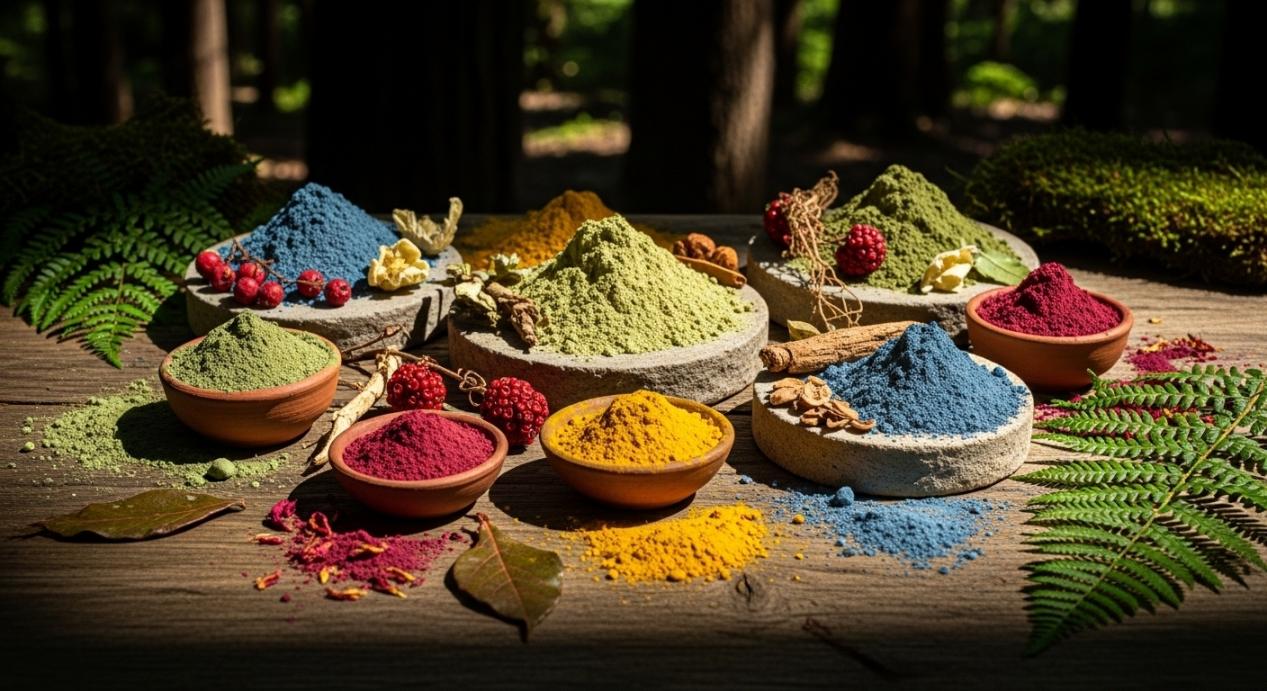
Natural Plant-Based Pigment has gone beyond just being a clean-label marketing advantage. It has become more of a regulatory advantage. Manufacturers from all over the globe are moving away from features added dyes. It is predicted that the natural food coloring market will reach over USD 4.4 billion by the year of 2036. The change of reduced performance for more natural products is now over. Natural Plant-Based Pigment provides dyes that, through advanced growth, stabilization, biotechnology, and extraction, surpass the stability of many synthetic dyes.
Why Synthetic Dyes Are No Longer an Option
Natural food coloring from synthetic dyes has changed drastically. This change is more than just the preferences of consumers; regulatory requirements and retail rules and policies has made this inevitable. Food manufacturers should understand the following:
FDA enforcement discretion basically means opportunity right now. In February 2026, the FDA said that food manufacturers are now able to label products as ‘no added color’ and as long as plant-based colorants are used, then other colorants are not considered added. This is an exciting opportunity to lose the labeling.
•Petroleum-based dyes face a firm sunset timeline: The FDA has committed to phasing out the six remaining certified synthetic dyes (Red 40, Yellow 5, Yellow 6, Blue 1, Blue 2, and Green 3) from the U.S. food supply by the end of 2026.
•Retail policies heighten the pressure: Walmart has committed to forgoing artificial colorings in their private label products, and Target will remove cereals that contain artificial colorings by the close of May 2026. Yet, manufacturers who fail to provide natural alternatives may find their products being unable to sit on the shelves.
•Sensus Naturae consumer health has affected demand: Synthetic Color products contain on average 141% greater concentrations of sugar and the presence of synthetic colors in consumer products has the potential to cause many health issues including neurological problems and hypersensitivity.
How Natural Plant-Based Pigment has Outpaced Synthetic Alternatives
The gap in the industry for Natural Plant-Based Pigments has closed. Innovations have made it easier to provide plant based pigments that have the ability to deliver consistent and industrial processing vibrant colors.
•Non-thermal processing technologies provide noticeable advances: High-pressure processing, pulsed electric fields, and ultrasound are all methods that demonstrate the ability to retain pigment 70% greater and without the degradation that occurs when using conventional thermal methods.
•Microencapsulation has the ability to provide the best protective shield: Claims incorporating microencapsulation of anthocyanin enhance the encapsulation of anthocyanin bioactivity and the functional and visual characteristics to a greater extent in complicated food structures.
•Blue Innovative Algae solves previously challenging hues: To replace petroleum based Blue No. 1 and Blue No. 2 a natural food color, Cornell University scientists invented a stable, vibrant blue food color from a unique blue pigment found in blue green algae, phycocyanin.
Recent progress highlights the incorporation of various natural chemical stabilizers like co-pigments, antioxidants, and metal ion chelators, of other biopolymeric micro- and nanoencapsulation methods. Together they combine physicochemical and biopolymeric micro- and nanoencapsulation methods; a fully developed and sophisticated toolbox to mitigate the instability of Natural Plant-Based Pigments when exposed to extreme pH, high temperature, and photonic stress.
The Competitive Advantage of Natural Plant-Based Pigment
Natural Plant-Based Pigment is grown, not manufactured. This agricultural foundation creates both challenges and strategic advantages for manufacturers who plan ahead. Early ordering secures supply: Naturally coloring is reliant on agricultural commodities. A company’s commitment to early supply agreements is necessary planting and commitment to purchase instead of a spot market.
•Business is tradable and diversified: A supplier who has a global reach and a partnership with farmers will have the ability to absorb climate and geopolitical disruption.
•Traceability is a demand: There is a due-diligence requirement for regulation to trace supply from a specific harvest. It is incumbent upon the buyer to know their supplier and prioritize procurement from implacable due-diligence practices and auditable supply chains.
B-Thriving: the Modern Food Industry and the Natural Plant-based Pigment
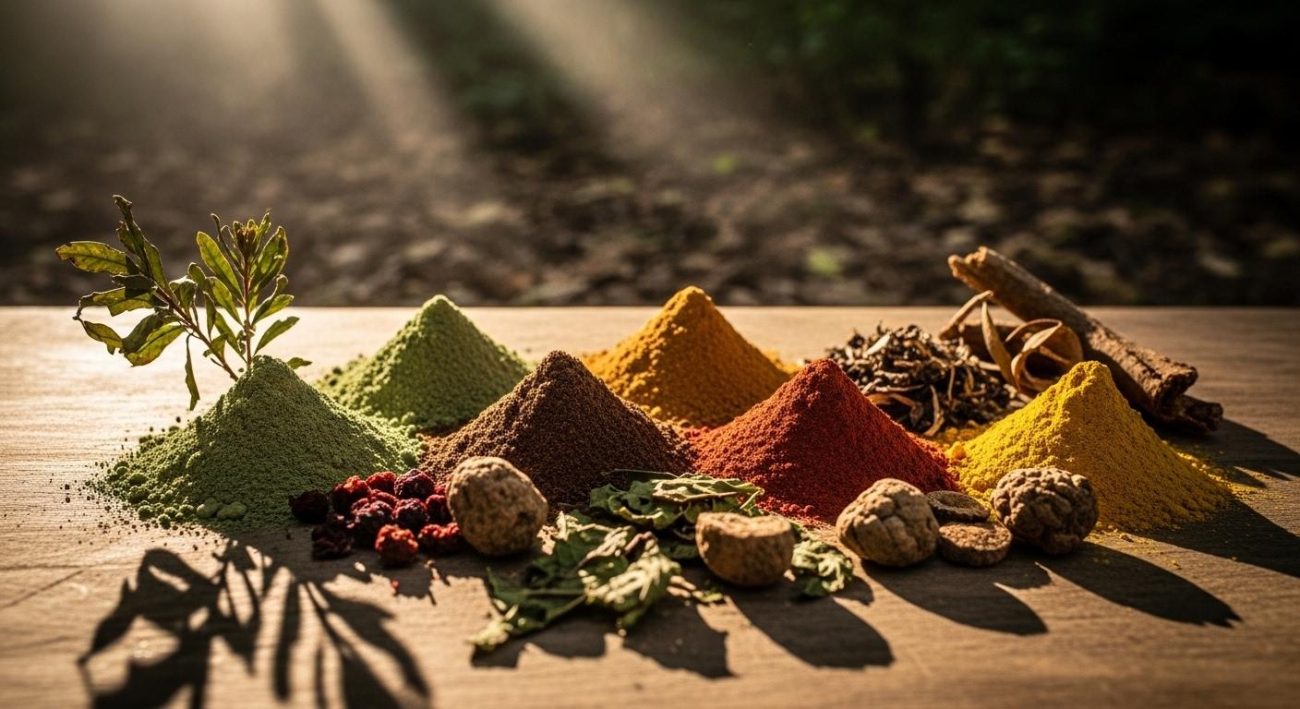
What we do is leverage a combination of the three essential pillars: the natural science of extracting plants, cutting-edge extraction technologies, and future-proof supply chains to develop and manufacture natural plant-based pigments. Our commitment is to deliver products with a high degree of engineering and perfection. Here is the natural innovation we have:
•Broad and deep offering: Our product lines of natural plant-based pigments cover a broad spectrum of pigments from different plants such as Gardenia blue, beetroot extract, purple cabbage, purple potato, acai, elderberry, cranberry, black currant, raspberry, grape skin, β-carotene, chokeberry, bilberry, hibiscus, and lycopene C3G (colorable natural anthocyanins).
•Up-to-date extraction technologies: Our technologies prevent loss of the units of value in the plant – volatile, and heat-labile, the aromatic compounds as well as the units of the value – anthocyanins, betalaine, carotenoids, and chlorophylls.
•Stringent Quality Assurance: Each batch meets the pedantic quality on color intensity, pH balance, and light fastness to ensure that you do indeed receive predictable, repeatable results in every shipment.
We ensure that you receive maximum value for your expenditures by combining competitive pricing with worldwide expedited shipping and the provision of a dedicated technical support team to assist with formulation.
Conclusion
Natural Plant-Based Pigment is the future of food coloring. With the FDA’s phase-out timeline, new retailer policies, and advanced stabilization technologies, the only remaining question is how quickly manufacturers can reformulate. Performance and labeling barriers have been virtually eliminated. Suppliers with proven supply chains are ready to lead the industry. For manufacturers seeking a complete range of Natural Plant-Based Pigment solutions, B-Thriving delivers the commercial security and technical support you need to thrive.
FAQs
Q: Is Natural Plant-Based Pigment really as stable as synthetic dyes?
A: Yes. Most raw pigments reach capsule temperatures of several hundred degrees. Microcapsules withstand several complex temperatures while providing amazing light and humidity stability.
Q: Will switching to Natural Plant-Based Pigment cost more?
A: Not at all. B-Thriving offers progressive pricing and state of the art extraction to keep your ROI up and your retailer and governance rejections down.
Q: How can I guarantee consistent color batch to batch?
A: Management of color stability and consistency is as effortless as the supplier of your choice. B-Thriving tests for light, intensity, pH, and color consistency.
Q: What is the typical lead time?
A: Lead times are ultimately determined by crop seasonality. Supply is guaranteed first and foremost by the early bird, while B-Thriving integrates global express export and direct grower partnerships.
Q: Can Natural Plant-Based Pigment work in my specific application?
A: Most applications—beverages, bakery, dairy, confectionery, and cosmetics—are supported. Fill out the Contact Us form and one of our Technical Mods will be in touch.

