
Active Compound Herbal Extract is developing nutraceuticals, pharmaceuticals, and functional foods from herbs. The global herbal extract market is projected to reach 65 billion from the current valued at 36.14 billion. However, market stats only provide part of the answer to a larger and critical question. What is the real gap in herbal market growth? It’s the gap created between label claim and the bioactive performance. This creates a critical gap for the sourcing professionals. Coming to this understanding is the first step to solve the problem.
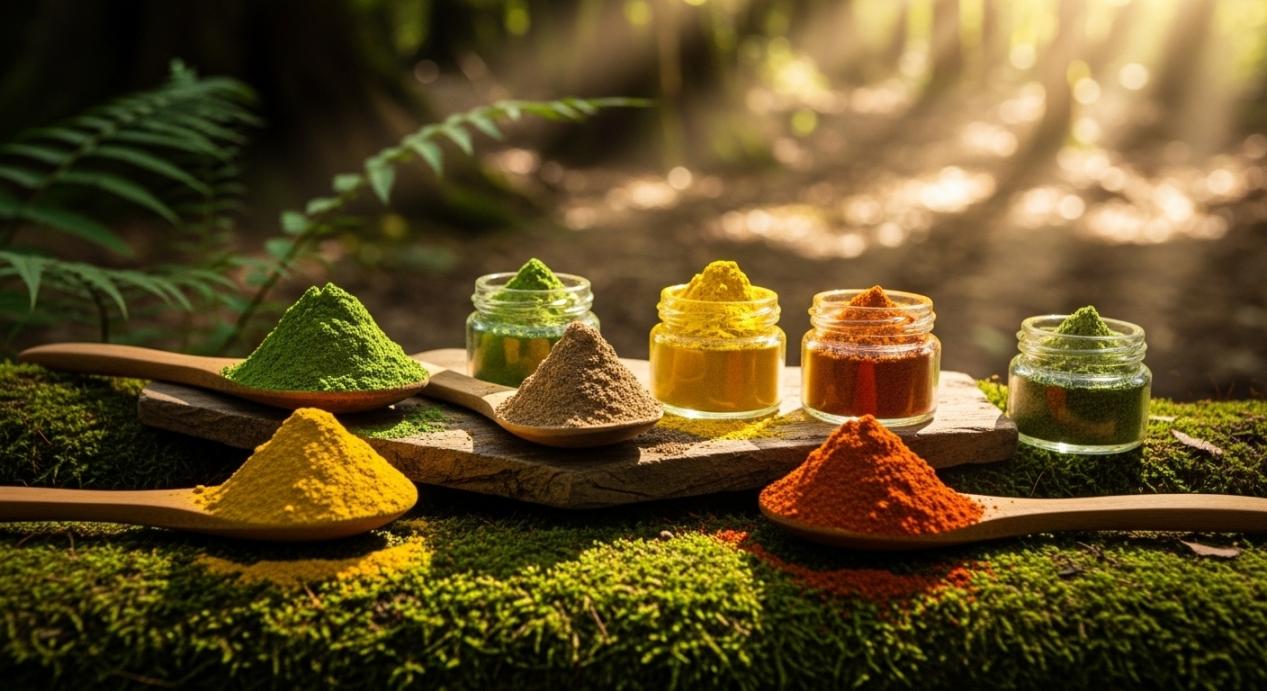
The Hidden Crisis: What 40% of Tested Supplements Reveal
Botanical adulteration remains one of the most serious threats facing the herbal products industry today. Peer-reviewed studies have consistently shown that a significant portion of botanical dietary supplements on the market are adulterated—with some research indicating that up to 40% of tested supplements show identity issues, and a 2013 study found that 59% of analyzed herbal products contained plant material not listed on the label. Industry experts track documented adulteration patterns across widely used botanicals including:
•Echinacea: Species substitution among E. purpurea, E. angustifolia and E. pallida is pervasive, with the American Botanical Council finding label violations in over 30% of commercial echinacea products reviewed.
•Black Cohosh: Substitution with Asian cohosh and other Actaea species has been documented across multiple independent brand audits, with several hepatotoxicity cases linked to products containing misidentified species.
•Ashwagandha and Others: Economic adulteration using cheaper plant parts, dilution with fillers, and even contamination with synthetic compounds or undeclared allergens have become increasingly sophisticated.
These issues often start with aggregated materials that lack proper chain-of-custody documentation, creating what industry leaders describe as “perfect opportunities for sophisticated adulteration schemes”. For global procurement buyers, the takeaway is sobering: even well-designed quality programs can miss identity failures that don’t show up on standard heavy metals or microbial screens.
Standardized ≠ Bioactive: Why Marker Compounds Aren‘t Enough
As one study on botanical dietary supplements notes: “Ideally, a botanical formulation should be standardized, both chemically and biologically, by a combination of analytical techniques and bioassays”. Yet many product specifications focus narrowly on marker compounds rather than the full spectrum of pharmacologically active constituents.
•Active Compound Herbal Extract products that meet label claims for isolated markers often fail to deliver meaningful levels of clinically relevant bioactive ingredients. The result:
•Batch-to-batch variation remains a persistent challenge, with inherent variability in plant materials compounded by inconsistent extraction processes.
•Different extraction and manufacturing processes can cause both quantitative and therapeutic differences between batches of the same product.
•Research confirms that batch-to-batch variation in purified extracts comes from both herb quality variability and the preparation process, with the latter often contributing more to inconsistency.
For buyers, this means that “standardized” on a certificate of analysis does not automatically translate to bioactive performance in finished products.
B-Thriving‘s Methodology: From Seed to Shelf Traceability
B-Thriving stands at the intersection of manufacture science and traditional herbs knowledge. Our production base is in the Qinling Mountain range in China — a region where some of the world’s best herbs grow. Our company is able to control quality from the very beginning by having rigorous access to the highest raw material sources.
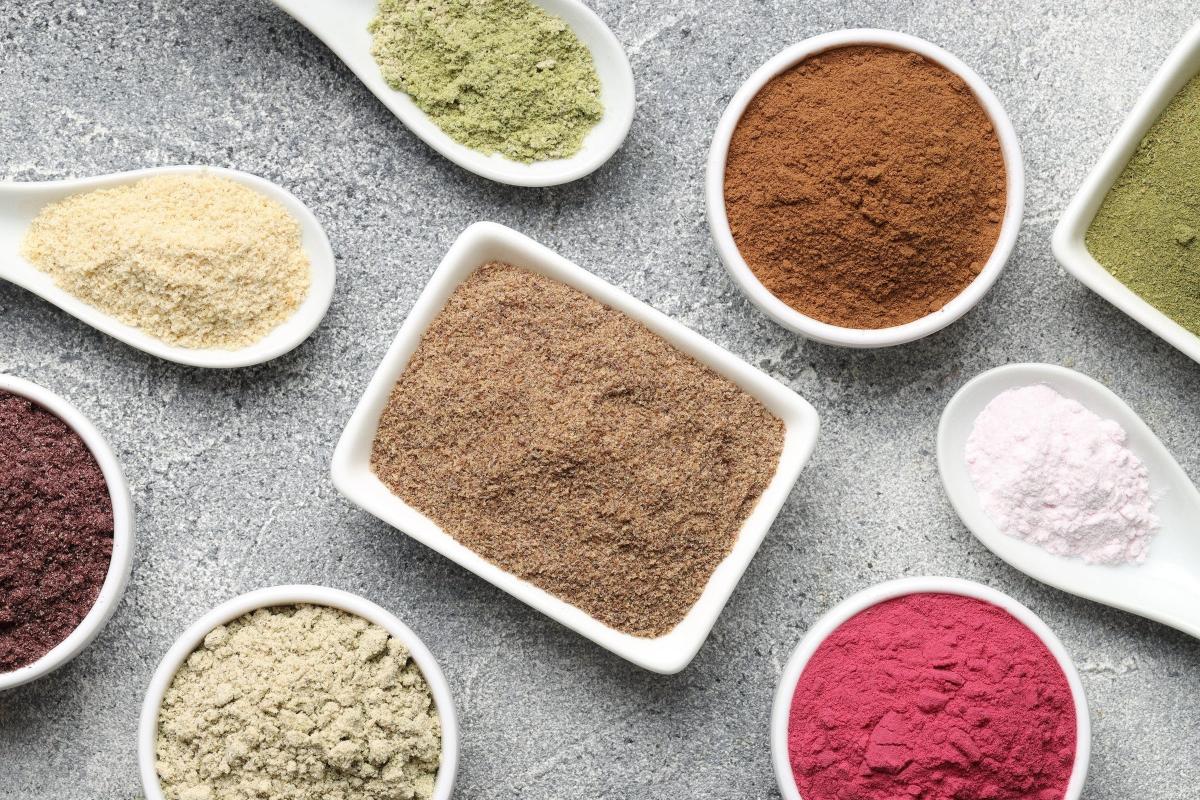
This is how B-Thriving tackles the main problems of Active Compound Herbal Extract sourcing:
•Multi-Layer Identity Verification: In addition to showing a supplier’s Certificate of Analysis (COA), B-Thriving uses chemical fingerprinting and species-level identification verification to prove raw materials are of the declared species identity. This is an issue other systems regularly overlook.
•Process Parameter Control: Batch to batch discrepancies derive from preparation and not raw sources. B-Thriving uses statistical process control to optimize the parameters in the extraction of the herbs in real time.
•Good Manufacturing Practice (GMP) Compliance: B-Thriving operates in a GMP-certified environment and uses a harmonized quality system to comply with all quality standards to ensure that all production is documented.
•All Chain-of-Custody Papers: The B-Thriving supply chain is distinct from the agglomerated supply chains as that material sources remain traceable to the sourcing partner growing; transparency is established to avoid illegitimate actions.
The Importance of Active Compound Integrity to Your Business
For the buyer evaluating Active Compound Herbal Extract suppliers, the main differentiator between reliable and problematic partner suppliers is:
•Do the suppliers remain qualified from the raw goods production to the goods remediation processes?
•Are their quality systems equipped to detect species substitution and adulteration—not just heavy metals and microbes?
•Can they demonstrate batch-to-batch consistency through multi-attribute testing (chemical composition, biological activity, and chromatographic fingerprinting)?
When an Active Compound Herbal Extract supplier fails on any of these counts, the consequences cascade down the supply chain: product performance gaps, regulatory scrutiny from agencies like the FDA or EMA, and ultimately, end-user dissatisfaction and brand erosion.
Looking Ahead: What Sourcing Professionals Need Today
The herbal extract market is only going to get larger, more competitive and more scrutinized by regulators. Buyers who lock into partnerships with manufacturers that emphasize transparency, traceability and scientifically validated consistency will be positioned to thrive. Those who don’t will continue chasing the consequences of batch-to-batch failure—costly reformulations, quality deviations, and reputational damage.
B-Thriving makes Active Compound Herbal Extract sourcing predictable instead of problematic. Through an unbroken seed-to-shelf quality chain, GMP-certified processing, and a scientific approach to active compound retention, the company delivers what forward-looking buyers demand: bioactive results you can count on, time after time.
Discover how B-Thriving’s approach to Active Compound Herbal Extract quality can support your next product launch. Visit HERE to explore their full botanical extract portfolio and sourcing capabilities.
FAQ
Q: What does consistent mean for Active Compound Herbal Extracts?
A: We mean complete traceability from raw material to extract with bioactivity assessed across multiple batches and not just mere analysis of marker compounds.
Q: What can I do to ensure the best herbal extract from a supplier?
A: You should look for identity confirmation at the species level, chemical fingerprint protection, and Quality Management Systems certification.
Q: Does B-Thriving offer records from other firms?
A: Yes. We issue a detailed Certificate/Report of Analysis for each batch to show that it is authentic, pure, and has determined bioactive content.
Q: How long does it take for made to order herbal extracts?
A: The order lead time is between 15 and 25 working days. It depends on the number of orders and the complexity of the order.
Q: Can systems be placed on the B-Thriving website for both R&D and commercial batches?
A: Yes, B-Thriving’s GMP certified facility has a seamless scale-up capability while also preserving the integrity of Active Compounds.

