
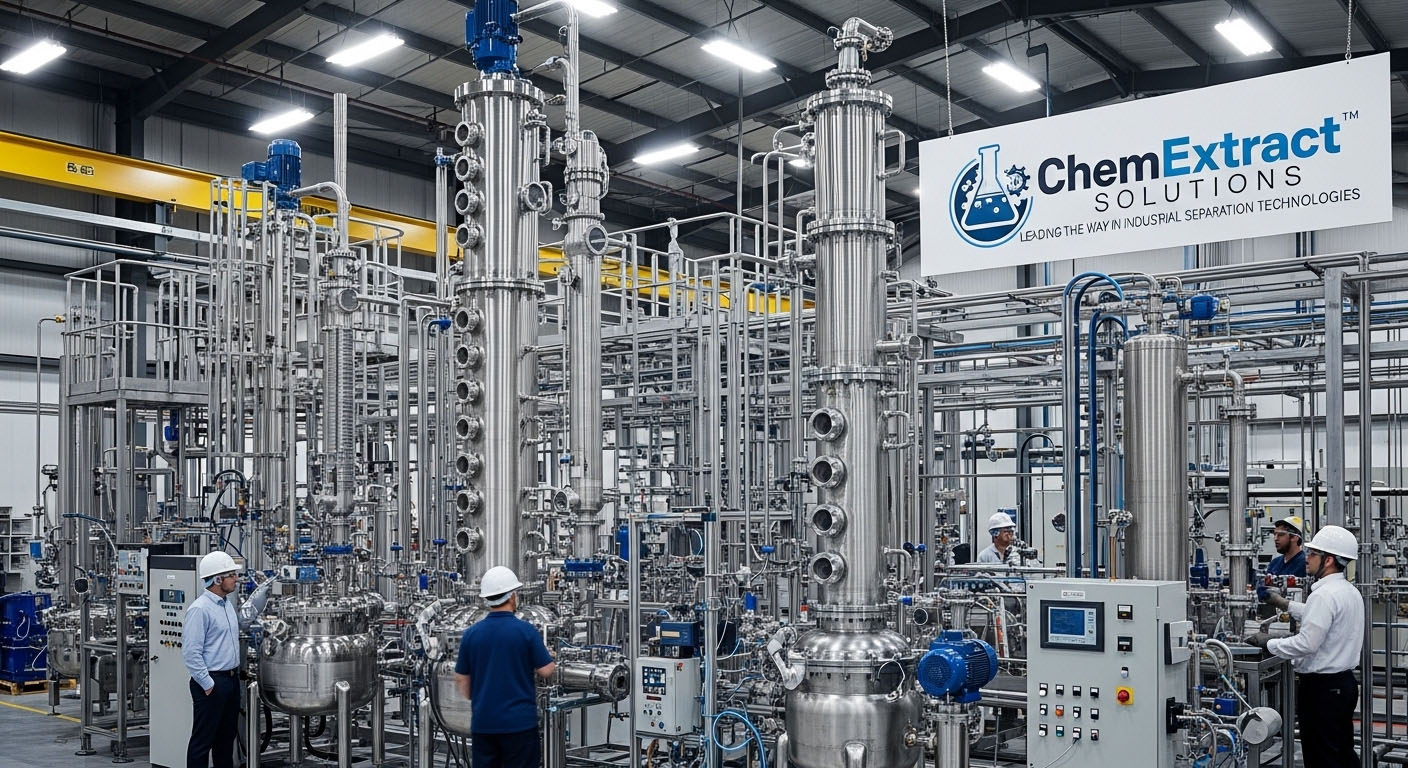
The global demand for botanical extracts, nutraceutical ingredients, and plant-based actives continues to grow across pharmaceuticals, dietary supplements, cosmetics, and functional foods. Behind every standardized herbal extract lies a carefully engineered processing system. For brands seeking consistent quality and regulatory compliance, selecting reliable extraction plant manufacturers is a critical strategic decision.
For companies like BioBThriving, which supply high-purity botanical extracts and active ingredients to global markets, advanced extraction infrastructure forms the backbone of product quality. Understanding how extraction plants operate—and what differentiates professional manufacturers—helps buyers make informed choices.
What Is an Extraction Plant?
An extraction plant is an integrated processing facility designed to isolate, concentrate, and purify bioactive compounds from plant raw materials. Depending on the target compound, extraction may involve water, ethanol, or other approved solvents. Modern facilities combine mechanical, chemical, and thermal processes to maximize yield while preserving active constituents.
A typical botanical extraction production line includes:
- Raw material cleaning and crushing systems
- Solvent extraction tanks
- Filtration and concentration units
- Purification columns
- Spray drying or vacuum drying systems
- Quality testing laboratories
Professional extraction plant manufacturers design these systems to maintain product stability, traceability, and reproducibility across batches.
Core Technologies Used in Botanical Extraction
Different plant materials require different extraction methods. Leading manufacturers provide customized solutions based on botanical properties and end-use requirements.
1. Solvent Extraction Systems
Ethanol and water extraction remain widely used for herbal extracts. Closed-loop stainless steel systems ensure safety, solvent recovery, and consistent extraction efficiency.
2. Supercritical CO₂ Extraction
This technology uses pressurized carbon dioxide to extract sensitive compounds such as essential oils and lipophilic actives. It avoids high temperatures and leaves no solvent residue.
3. Ultrasonic and Enzymatic Extraction
These advanced methods improve extraction speed and yield while protecting thermolabile compounds.
4. Concentration and Drying
After extraction, vacuum concentration and spray drying convert liquid extracts into stable powders suitable for capsules, tablets, or functional beverages.
Reliable extraction plant manufacturers integrate these technologies into scalable systems that comply with GMP and international quality standards.
Key Factors When Choosing Extraction Plant Manufacturers
Selecting a supplier requires more than comparing equipment prices. Consider the following factors:
Engineering Expertise
Manufacturers should provide process design support, layout planning, and technical validation. Experience in botanical processing ensures optimized extraction efficiency and reduced solvent consumption.
Material Quality
Food-grade and pharmaceutical-grade stainless steel (such as SUS304 or SUS316L) is essential to prevent contamination and corrosion.
Compliance and Certification
Facilities should support GMP, ISO, and HACCP requirements. Equipment design must allow cleaning validation and traceability.
Customization Capability
Every plant species has unique extraction parameters. The right partner tailors tank capacity, temperature control, pressure systems, and drying methods according to product needs.
After-Sales Support
Installation guidance, operator training, and ongoing maintenance services ensure long-term performance.
Why Extraction Infrastructure Matters for Ingredient Suppliers
For ingredient companies serving global markets, extraction technology directly influences product consistency and regulatory acceptance. Buyers in North America, Europe, and Asia expect documentation covering solvent residue limits, heavy metal testing, microbiological control, and active compound standardization.
Advanced extraction systems support:
- Controlled temperature environments
- Accurate solvent ratio management
- Automated concentration monitoring
- Batch traceability
- Reduced energy consumption
At BioBThriving, standardized extraction processes help maintain stable active ingredient content across production lots, which supports pharmaceutical and nutraceutical applications.
Trends Shaping the Extraction Industry
The botanical extraction sector continues to evolve. Forward-thinking extraction plant manufacturers are investing in:
Green Extraction Technologies
Reduced solvent usage and energy-efficient systems support environmental compliance and sustainability goals.
Automation and Digital Monitoring
Sensors and digital control systems track temperature, pressure, and solvent recovery in real time, reducing human error.
Modular Production Units
Compact, scalable systems allow manufacturers to expand capacity without rebuilding entire facilities.
Improved Solvent Recovery
Closed-loop recovery systems lower operational costs and minimize emissions.
These advancements not only improve operational efficiency but also enhance product purity and repeatability.
Applications of Botanical Extraction Plants
Extraction plants serve multiple industries:
- Pharmaceutical intermediates and APIs
- Herbal dietary supplements
- Cosmetic active ingredients
- Natural pigments and flavors
- Functional food ingredients
- Animal nutrition additives
Because each application has different purity and regulatory requirements, experienced extraction plant manufacturers design systems that accommodate varying process controls and quality testing standards.
Global Demand and Market Expansion
The global shift toward plant-based health solutions drives expansion in botanical processing capacity. Markets in North America and Europe emphasize compliance and standardized active compounds, while emerging markets prioritize scalable production and cost efficiency.
As international trade grows, ingredient suppliers must demonstrate reliable production capabilities. High-quality extraction infrastructure strengthens credibility and supports long-term partnerships with brand owners and distributors.
Partnering with the Right Manufacturer
When evaluating extraction plant manufacturers, request:
- Detailed process flow diagrams
- Case studies or project references
- Equipment material certifications
- Energy consumption data
- On-site testing or pilot trial options
Transparent communication and technical collaboration help ensure successful implementation.
Conclusion
Extraction plant manufacturers play a central role in the quality and reliability of botanical ingredients. Advanced equipment design, strict material standards, and integrated quality control systems determine extraction efficiency and product consistency.
For companies operating in pharmaceuticals, nutraceuticals, and cosmetics, investing in professionally engineered extraction infrastructure supports regulatory compliance, scalability, and global competitiveness.
As demand for plant-derived actives continues to expand, working with experienced manufacturers ensures stable production, reduced operational risk, and consistent ingredient performance—critical factors for long-term market success.

