

At Xi’an B-Thriving, we understand that for B2B procurement managers and formulators, safety isn’t just a buzzword—it’s a regulatory and ethical mandate. As a global supplier of botanical ingredients, we have spent years refining the balance between high-potency bioactive isolation and consumer safety.
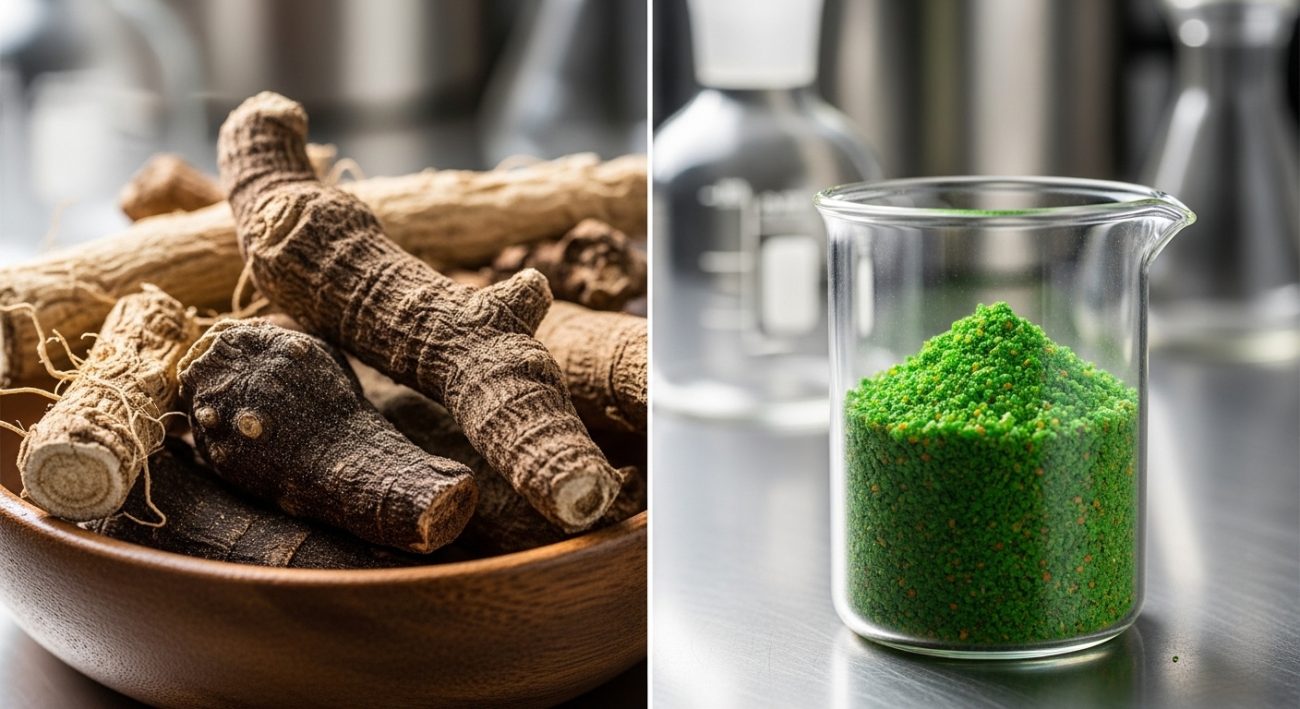
[Image Suggestion: A high-resolution macro shot of standardized herbal powder next to a Certificate of Analysis (COA) document. Alt Text: Xi’an B-Thriving standardized herb extracts and quality assurance documentation.]
The Difference Between “Standardized” and “Safe”
Standardized herbal extracts offer higher dosage consistency and lower microbial risk, but they are not inherently “safer” than whole herbs. While they minimize the risk of under-dosing, their high potency can increase the likelihood of herb-drug interactions. Safety depends on the extraction solvent used and the presence of third-party purity certifications like ISO or GMP.
In our manufacturing facilities, we distinguish between a standardized herb extract and a safe one by looking at the profile of the “Marker Compound.” While a whole plant has natural buffers, a concentrated extract lacks them.
Our experience with the herbal extract standardization process shows that safety is a result of controlled chemistry, not just nature. We prioritize removing contaminants while maintaining the integrity of the active molecules.
Comparative Safety Framework: Extracts vs. Whole Herbs
| Feature | Whole Herb Powder | Standardized Extract | Safety Implication |
| Potency | Low/Variable | High/Consistent | High potency requires precise dosing to avoid toxicity. |
| Synergy | Full Spectrum | Focused on Marker Compounds | High isolation can remove natural “buffer” compounds. |
| Contaminants | Higher Risk (Soil/Microbes) | Lower Risk (Purified) | Standardization processes often include sterilization steps. |
| Bioavailability | Natural/Low | Optimized/Enhanced | Enhanced absorption can strain metabolic pathways. |
3 Red Flags to Look for on an Extract Label
Hidden risks in standardized extracts include residual chemical solvents like hexane, the loss of protective secondary metabolites, and potential liver strain from hyper-concentration. Consumers and formulators should prioritize extracts using CO2 or water-ethanol extraction methods to avoid toxic chemical residues and ensure long-term ingredient stability.
Through our OEM/ODM support services, we frequently audit market samples that fail safety checks due to “Label Padding.” Here is what we advise our partners to look for:
- Vague Standardization: If a label says “Standardized” but doesn’t list the specific percentage of a marker compound, it is a red flag.
- Missing Solvent Statements: High-quality suppliers should explicitly state if an extract is “Solvent-Free” or uses food-grade ethanol.
- Excessive Fillers: Ingredients like Magnesium Stearate or Maltodextrin are often used to reach a specific weight after the extraction process.
[Image Suggestion: An annotated graphic showing a “Clean” vs “Dirty” supplement facts panel. Alt Text: Comparison of clean label herbal extracts versus those with hidden synthetic fillers.]
The “Solvent Secret”: How Your Extract Was Made Matters
The primary safety concern with standardized extracts is the presence of residual solvents used during the concentration phase. While ethanol and water are considered safe (GRAS), industrial solvents like hexane or methanol can leave toxic traces if not purged correctly. Always verify that your supplier meets 2026 EU and FDA residual limit standards.
At Xi’an B-Thriving, we specialize in advanced extraction techniques. When a client asks what does standardized to 95% curcuminoids mean, we don’t just explain the potency; we explain the purification process.
Our internal testing protocols show that using Supercritical CO2 extraction eliminates the risk of neurotoxic residues. In our experience, transparency regarding the solvent lifecycle is the only way to guarantee a “clean” ingredient for high-end nutraceuticals.
Who Should Avoid High-Potency Standardized Extracts?
Specific populations, including those with hepatic conditions, individuals on blood thinners, and pregnant users, should avoid high-potency standardized extracts without medical supervision. The benefits of using standardized herb extracts are significant for healthy adults, but their pharmaceutical-like strength can cause adverse herb-drug interactions in vulnerable groups.
We recommend that product development leads include clear contraindication warnings on their packaging. For example, a concentrated Green Tea Extract (EGCG) is highly effective for metabolism but can be hepatotoxic in high doses on an empty stomach. Our QA/RA teams consistently emphasize “Dose-Dependency”—the principle that the poison is in the dose.
Checklist: How to Vet an Extract in 3 Minutes
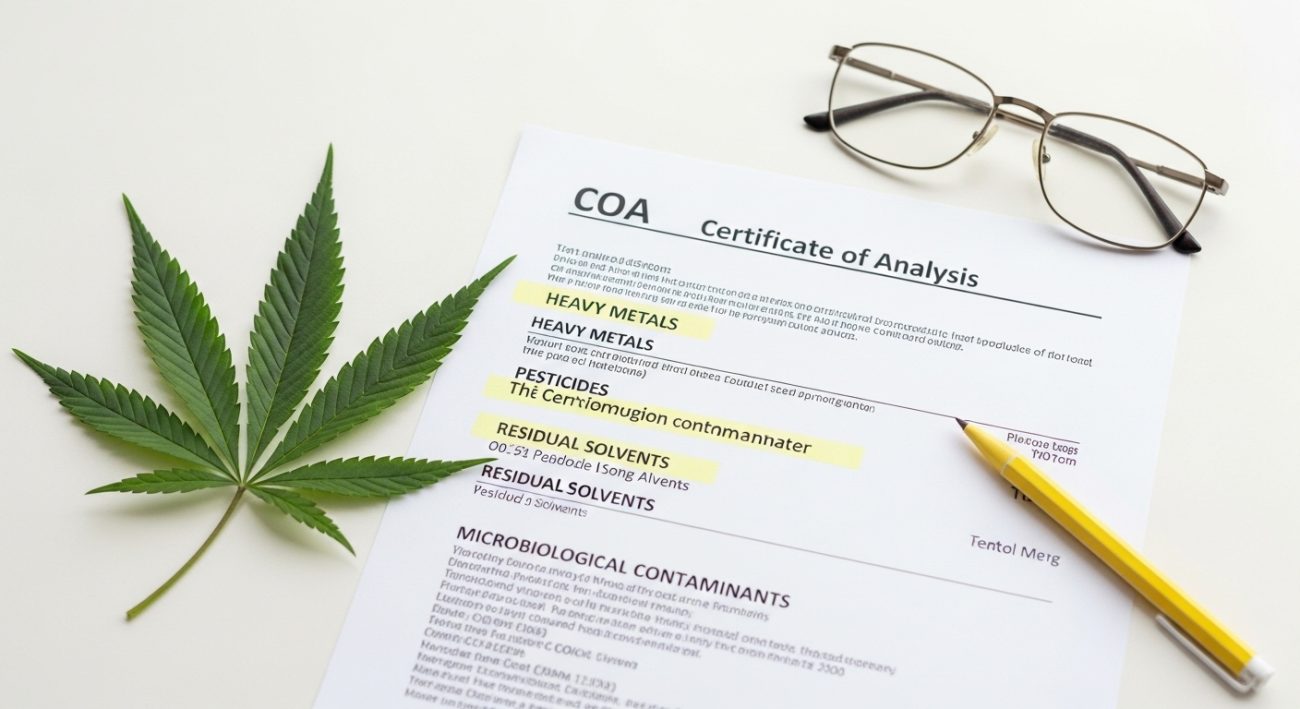
- Request the COA: Does it show heavy metal limits (Lead <0.5ppm)?
- Verify the Marker: Is it standardized to a recognized active (e.g., 5% Ginsenosides)?
- Check for Certifications: Look for ISO, GMP, or Halal/Kosher seals.
- Confirm the Solvent: Ask if the extraction was Water, Ethanol, or CO2-based.
Frequently Asked Questions
Can standardized extracts cause liver damage?
While rare, high-potency extracts like Kava or certain concentrated polyphenols can cause liver strain if taken in excess or if processed with low-grade solvents. Always follow recommended dosages and ensure the product is tested for heavy metals and solvent residues.
Is a 10:1 extract the same as a standardized extract?
No. A 10:1 ratio refers to the amount of raw material used to make the extract, whereas “standardized” refers to a guaranteed percentage of a specific active compound. Standardized extracts are generally more reliable for therapeutic outcomes and safety monitoring.
How long can I safely take standardized herbal extracts?
Most standardized extracts are designed for targeted, short-to-medium-term use. For long-term supplementation, we recommend “cycling” the herbs (e.g., 3 weeks on, 1 week off) to prevent metabolic fatigue and ensure your body maintains its natural homeostatic balance.

