
Cordyceps for endurance is often introduced as a “stamina mushroom,” but the smarter starting point is simpler: learn what Cordyceps really is, which compounds are used to measure quality, and how to pick a consistent extract you can test in real training.
What Cordyceps Is and Why Endurance Users Care
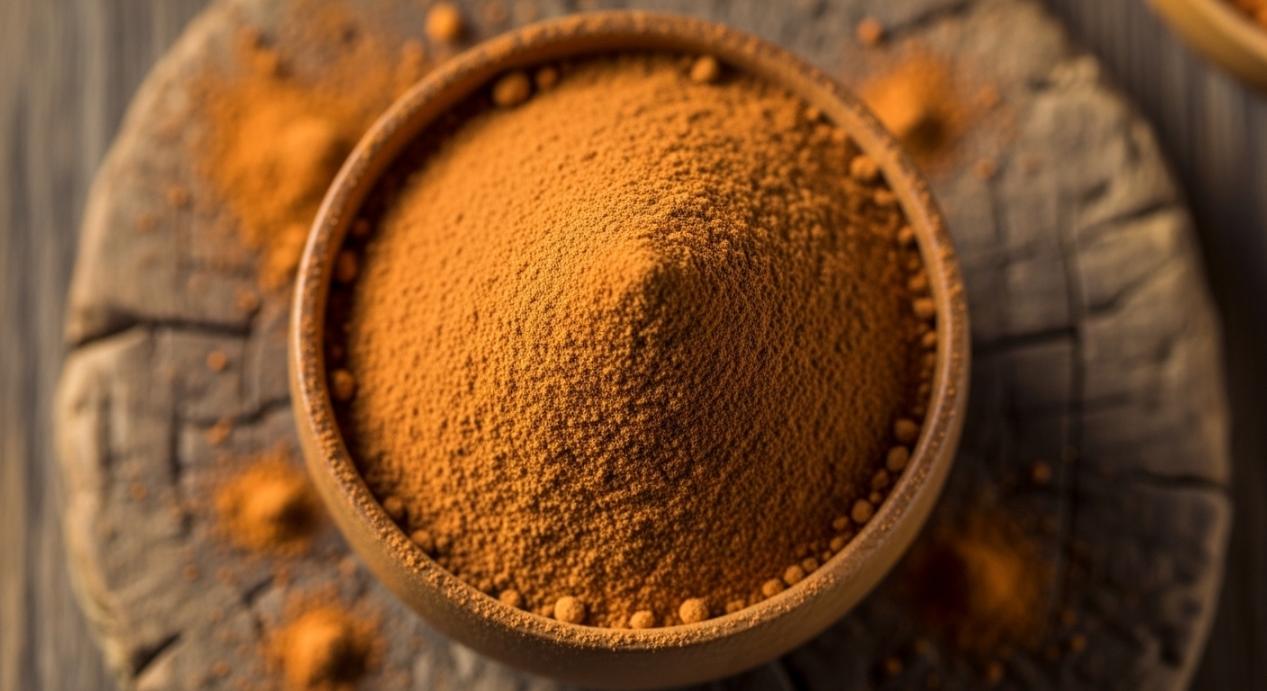
Cordyceps is a fungus long used in Asian wellness traditions, and today it appears in modern nutraceutical supply chains in two common forms. The first is the traditional concept associated with Cordyceps sinensis (Ophiocordyceps sinensis). The second is Cordyceps militaris, which is widely cultivated and frequently used in supplements because it can be produced with more stable sourcing.
For beginners, the key takeaway is that Cordyceps for endurance is not a single “instant energy” promise. Endurance is multi-factor: your body needs efficient oxygen use, steady energy output, and a recovery rhythm that supports repeat sessions. Cordyceps is usually positioned as a support ingredient within that bigger system.
From a manufacturer’s perspective at B-Thriving, we see one pattern again and again: two products can share the same “Cordyceps” label and still behave differently in a formula or a customer’s routine. The difference is often not the marketing. It is the spec—species clarity, marker definition, and batch control. When those fundamentals are clear, Cordyceps for endurance becomes an ingredient you can plan around, not a mystery powder you hope will work.
How Cordyceps for Endurance May Support Stamina in Real Life
When people say “endurance,” they usually mean they want to hold pace longer without their effort feeling like it spikes early. In practical terms, endurance depends on three pillars: oxygen utilization, energy availability, and recovery capacity. Cordyceps for endurance is commonly discussed through these lenses because its composition includes compounds that are used as functional and quality markers.
A well-known compound is cordycepin (3’-deoxyadenosine), often associated with C. militaris. Cordyceps also contains adenosine-related compounds, which is one reason suppliers and brands frequently use adenosine and cordycepin as measurable reference points. This does not mean “more is always better,” but it does mean these markers are helpful for identifying whether two materials are actually comparable.
Most importantly, Cordyceps is rarely positioned as a stimulant. It is generally treated as a support ingredient, which makes expectations easier to set. If a product promises an immediate “pre-workout jolt,” that claim is usually coming from caffeine or other stimulants—not from Cordyceps itself. For a beginner trying Cordyceps for endurance, the most realistic outcome is a gradual improvement in training consistency: fewer days where you feel “flat,” smoother transitions between harder sessions, and a steadier pace when your program is already solid.
What Research Signals to Beginners Without Overpromising
Clinical research on Cordyceps and exercise is still developing, and outcomes depend on the population, product type, dose, and timeframe. Still, beginners benefit from seeing how real studies are structured, because it shows what “reasonable use” looks like.
For example, one randomized, double-blind, placebo-controlled trial in healthy older adults examined a Cordyceps sinensis product (often referenced as Cs-4®) at 3 g/day and reported improvements in exercise performance measures after the intervention. Another study in physically active marathoners reported changes consistent with improved aerobic performance after 2 g/day for 12 weeks.
These points matter for one practical reason: they suggest Cordyceps for endurance is not typically framed as a one-day experiment. Instead, it is often studied and used across weeks, alongside consistent training. That is also why, in manufacturing conversations, we encourage brands to think in terms of a program ingredient rather than a “single-use booster.”
A healthy way to explain this to consumers is straightforward: Cordyceps does not replace training, sleep, or nutrition. It may support stamina and recovery readiness when the product is consistent and the routine is stable. That framing protects trust—and it aligns better with how serious buyers evaluate functional ingredients.
Why Active Compound Numbers Matter More Than the Label
Many first-time buyers assume “Cordyceps is Cordyceps.” In sourcing, that assumption causes most of the confusion. Species differences, growing conditions, extraction steps, and drying methods all affect the final profile. As a result, two batches can carry the same name and still deliver different marker results.
A clear example of the kind of data buyers should look for comes from a 2024 randomized controlled trial paper that reported measured levels in Cordyceps material using HPLC: cordycepin 1373.21 mg/100 g and adenosine 511.15 mg/100 g. You do not need to memorize these numbers. What matters is the principle: serious sourcing uses repeatable testing and publishes verifiable values.
At B-Thriving, when customers ask how to define Cordyceps for endurance in a specification, we usually recommend starting with one primary marker strategy and then building a quality “ecosystem” around it. For many C. militaris programs, cordycepin and adenosine are practical markers because they are measurable and commonly referenced. Then we add supporting controls that protect batch reliability and market compliance.
✓ HPLC marker testing with clear, repeatable methods
✓ Batch-to-batch COA consistency (not a one-time sample result)
✓ Microbial, heavy metals, and residual solvent controls aligned to your market
This is the difference between buying a concept and buying an ingredient you can scale.
How to Use Cordyceps for Endurance in a Practical Routine
Beginners often ask a fair question: “How fast will I feel it?” A practical answer is that Cordyceps is usually not used like a stimulant. Instead, it is often framed as a daily support ingredient. That framing is not just marketing—it matches how many endurance users actually evaluate supplements. If you only take it once before a session, you may not learn much. If you take it consistently while tracking training and recovery signals, your evaluation becomes more meaningful.
Pharmacokinetic research suggests adenosine and cordycepin levels can decrease relatively quickly in blood after administration, which is one reason many brands focus on daily consistency rather than expecting a dramatic same-hour effect. This is also why endurance-oriented programs commonly describe Cordyceps for endurance as a 4–12 week ingredient window, which aligns with the timeframe used in multiple human studies.
A beginner-friendly way to run a “clean test” is simple: keep everything else stable. Do not change your training plan, sleep schedule, and caffeine intake at the same time. Track a few repeatable signals—perceived exertion, recovery between intervals, and how your legs feel the next day. If you change ten variables at once, you will not know what helped.
✓ Take it consistently and evaluate trends, not one workout
✓ Pair it with hydration, sleep, and a structured endurance plan
✓ Choose a standardized product so your trial is actually comparable
This approach is calmer, more scientific, and easier to explain to customers who are new to Cordyceps for endurance.
How to Choose a Cordyceps Product Worth Testing and Scaling
“Cordyceps” on a label is not enough to make a product reliable. A beginner-friendly buying checklist should focus on identity, marker clarity, and manufacturing transparency. If you are building a product line, these same checks protect you during scale-up, when many “nice samples” fail.
Start with identity. Is the product clearly labeled as C. militaris or described in a way that could confuse consumers, such as broad “Cordyceps” language with unclear sourcing? Then look for marker definition. If cordycepin or adenosine is claimed, does the supplier show a method reference and provide batch COAs?
Finally, confirm traceability. A serious supplier can answer questions about batch records, contaminant testing, and how they control variation. Endurance is consistency. Make it measurable and repeatable with the right spec and supply discipline.
• Species clarity: C. militaris vs “sinensis mycelium”
• Marker clarity: cordycepin/adenosine with method citations
• Traceability: lot records + COA + contaminant testing
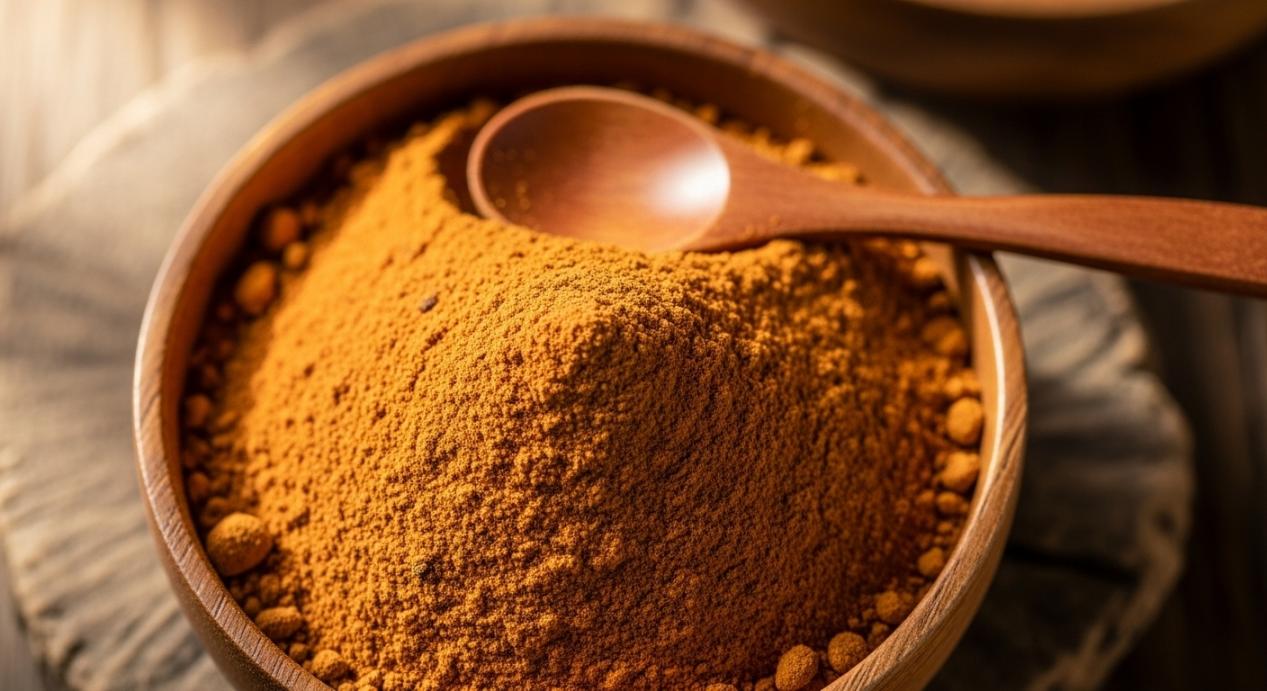
• Form fit: powder, extract, granules
CTA: Build a Consistent Cordyceps Program with B–Thriving
Share market, format, and QA requirements. We’ll recommend a marker-based spec and sourcing plan designed for steady performance and clean, credible COAs.
When your Cordyceps for endurance story is built on measurable markers and repeatable quality, you do not need exaggerated claims. You get something better: a product that can earn trust, batch after batch.

