
The interest in natural brain health supporting compounds began rising over the last few years. One of the compounds is Theanine Powder, which is derived from L-theanine, an amino acid found in green tea (Camellia sinensis). Theanine Powder is a candidate for neuroprotection and cognitive function enhancement. But what does the science say?
How Theanine Powder Works
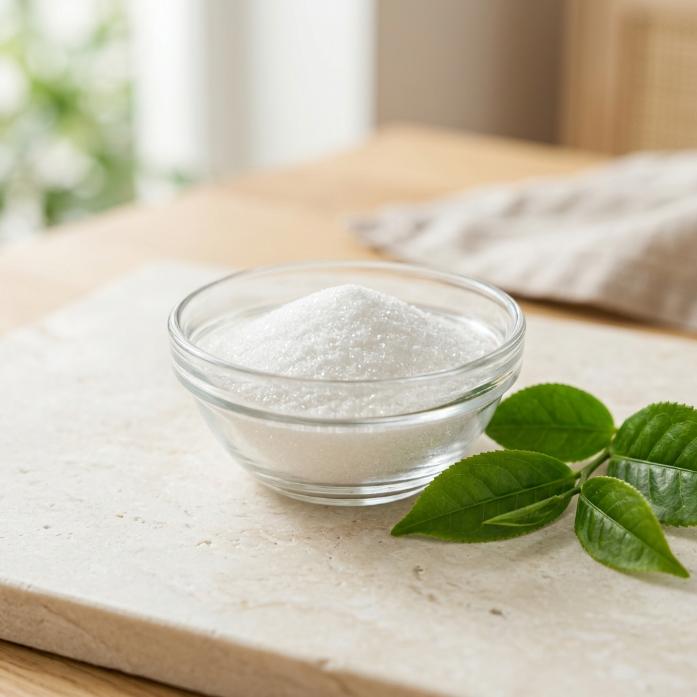
L-theanine is a unique non-protein, non-supplement, tea leaf, and water-soluble amino acid. Many non-protein and non-soluble amino acid supplements do not cross the blood-brain barrier, but Theanine Powder does. Theanine Powder can cross the blood-brain barrier and enter the central nervous system. Once Theanine Powder is in the brain, it can modulate a couple of neurotransmitter systems.
•As a relaxed excitatory neurotransmitter, the brain can even cause L-theanine to calm without sedating it.
•L-theanine shows that the frontal brain region, especially in the case of an acute stress response, may increase alpha brain wave power.
•L-theanine can also increase brain Dopamine and Serotonin levels.
The compounding effect of all the effects listed above can be called “calm focused” as it does not cause the jittery feeling of caffeinated substances.
Neuroprotection
Theanine Powder has been documented to have neuroprotective properties in many preclinical studies. Theanine Powder can help protect neurons from damage due to its anti-oxidant, anti-inflammatory, and anti-aging properties.
1. Combating Oxidative Stress and Ferroptosis
Of the many causes behind neurodegeneration, oxidative stress stands out. In an experiment looking at sleep-deprived mice, L-theanine helped improve learning and memory by blocking NOX4-mediated ferroptosis, a type of regulated neuronal cell death, in hippocampal neurons. This means Theanine Powder may help slow the decline of cognitive performance due to lack of sleep.
2. Reducing Neuroinflammation
Chronic neuroinflammation is seen with many illnesses from depression to Alzheimer’s disease. Theanine helps with:
•Inhibition of the NF-κB signaling pathway: This leads to reduced expression of neuroinflammatory mediators.
•The inhibition of astrogliosis: Theanine reduced astrogliosis and NOS-positive neurons in Parkinson’s disease model and improved the survival of dopaminergic neurons.
•The protection of the integrity of the mitochondria: Theanine helps to maintain the integrity of the mitochondria.
Cognitive Enhancement: Memory, Learning, Attention
With protection, theanine powder is reportedly linked to better cognitive performance. This has been shown in animal studies and human clinical studies.
1. Memory and Learning in Preclinical Models
In preclinical models of Alzheimer’s disease with scopolamine memory deficits, treatment with L-theanine was associated with better memory and learning compared to control in learning tasks such as the Novel Object Recognition task, Y-maze, and the Morris Water Maze. L-theanine was shown to:
•Increase Brain-Derived Neurotrophic Factor (BDNF). BDNF promotes the survival and functioning of synapses and is crucial for memory and learning.
•Promote autophagy: L-theanine stimulated AMPK and LC3II, which resulted in the removal of damaged cellular components and decreased deposition of amyloid-β.
•Decrease amyloid-β: L-theanine in combination with green tea extract, inhibited secretase and subsequently reduced Aβ1-42 levels in the brain which was associated with decreased neurodegeneration.
2. Cognitive Attention in Human Studies
In a double-blind, placebo-controlled, randomized clinical study with a 28-day study period and a 28-day washout, cognitive attention was reportedly enhanced by L-theanine (400 mg). The treatment group (L-theanine) was reported to show improvement in the number of correct responses in the Stroop Test, by 21.79% and 21.33% after 14 days and 28 days of the treatment, respectively.
In a systematic review and meta-analysis, it was concluded that both theanine and theanine with caffeine improved both cognitive and mood functions.
Applications in Neurological and Psychiatric Conditions
The therapeutic use of Theanine Powder can also be extended to various psychiatric and neurological disorders.
1. Alzheimer’s Disease
There are a few methods through which L-theanine may help relieve some of the symptoms of Alzheimer’s disease:
•Prevention of Aβ1-42 apoptosis: L-theanine prevents the death of amyloid-beta-induced neurons by reducing oxidative stress and protecting the integrity of the mitochondria.
•SIRT1 and BDNF modulation: The protective effects of L-theanine against Alzheimer’s disease may be due to its alteration of the profile of SIRT1 and BDNF and its reduction of the AGEs/RAGE signaling pathway.
2. Parkinson‘s Disease
In MPTP-induced Parkinsonian mice, L-theanine (50-100 mg/kg) successfully relieved motor and non-motor symptoms. The following was concluded:
•Dopamine and Serotonin Restoration: L-theanine increased the levels of striatal dopamine and serotonin.
•Dopaminergic Neuron Protection: There was a rise in tyrosine-hydroxylase positive cells in the substantia nigra, indicating a preservation of the survival of dopaminergic neurons.
3. Depression and Anxiety
Both animal and human studies demonstrate that L-theanine has antidepressant and anxiolytic effects. In a reserpine-induced depression model, L-theanine diminished anhedonia and despair and improved cognitive deficits by restoring hippocampal BDNF and decreasing neuroinflammation. Notably, all these effects were reported due to the modulation of the gut-brain axis where L-theanine increased the beneficial gut microbes of the genus Alloprevotella.
In a 28-day human trial, L-theanine at a dose of 400 mg/day, lowered stress and improved sleep. In an archery competition, L-theanine lowered cognitive anxiety and salivary cortisol.
4. Sleep Support
A review of sleep studies showed that 200-450 mg/day L-theanine effectively improved subjective sleep quality at the expense of minimal sleep onset latency and improved sleep efficiency.
Safety and Dosage: What You Need to Know
The safety of Theanine Powder has been determined and the U.S. Food and Drug Administration has designated L-theanine as Generally Recognized as Safe (GRAS). Health and safety recommendations state that the daily intake should be 100-200 mg and for support of sleep, 200-450 mg.
•Upper safety limits: the FDA classified doses at 250 mg/day as GRAS. No health issues should occur if the average healthy adult consumes up to 500 mg/day.
•Supplemental doses: long-term use may be safe at 100-400 mg.
Why Quality Matters – The Right Theanine Powder
Theanine Powder may not be a helpful supplement when selecting the product for its poor quality. Some of the other reasons to choose a Theanine Powder are:
•Purity specifications: A minimum of 98% L-Theanine and/or verified by HPLC (High Performance Liquid Chromatography).
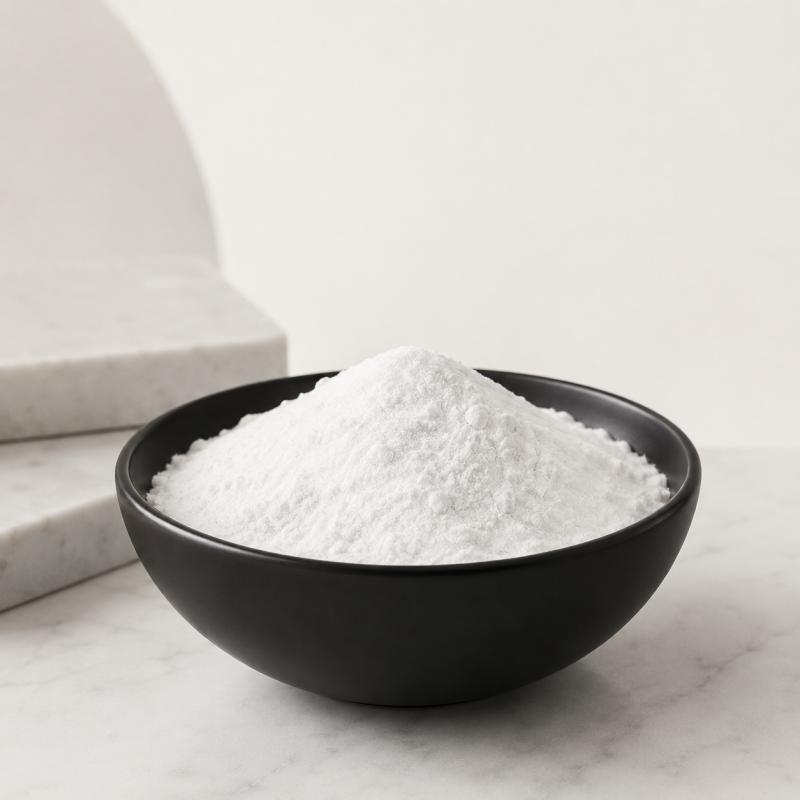
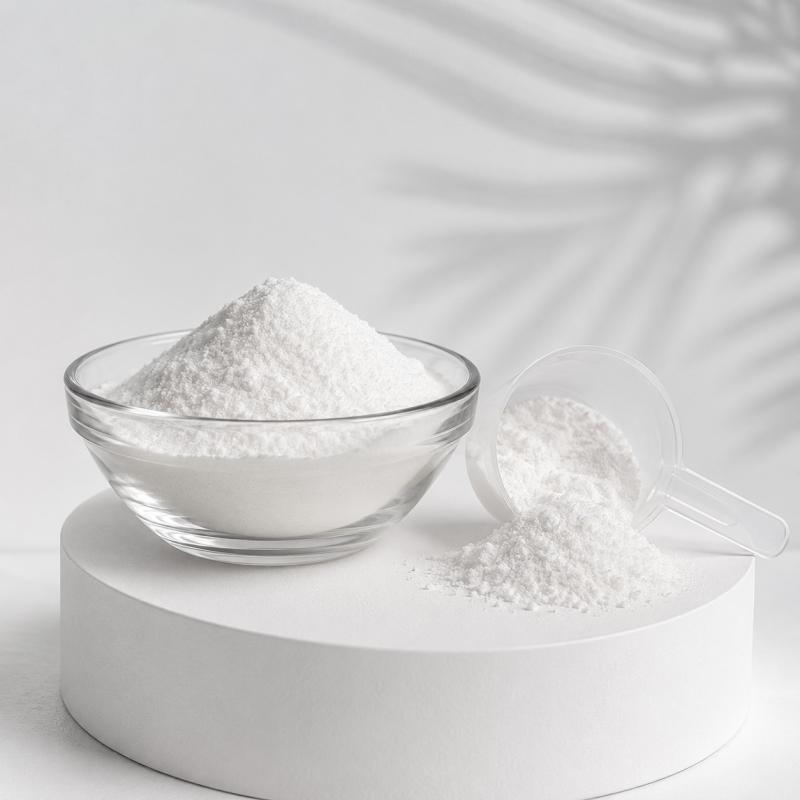
•Appearance: L-Theanine Powder must be white, crystalline powder.
•Manufacturing quality: The manufacturer must have high standards of manufacturing and be willing to document and/or explain their standards of quality.
B-Thriving seeks to satisfy customer demand with high quality products, custom formulations, and timely deliveries made possible by their supply chain management. B-Thriving’s Theanine Powder:
��Active Ingredient: L-Theanine 98%
��Test Method: HPLC (High Performance Liquid Chromatography)
��Appearance: White Crystalline Powder
Manufacturing beyond the specified appearance and active ingredients to these standards of purity and potency ensures a product for neuroprotection and cognitive support.
Conclusion
Theanine Powder is a great supplement for brain health because it protects brain cells from damage and helps improve memory and mood. If you want to help improve your brain’s health, help reduce your brain’s reaction to stress, help improve your quality of sleep, or want to try to improve your brain’s health in a natural way, L-theanine is a great supplement to try. This supplement is safe and really helps. To maximize the potential of this product, first, choose a product from a manufacturer who offers a safe product, invests time in excellence, and offers real help.
FAQs
Q1: What is the optimum daily dose of Theanine Powder?
A: The suggested daily range for general cognitive support is 100–200 mg, with sleep-related studies reporting doses in the range of 200–450 mg. It is advised to take the lowest effective dose.
Q2: Is Theanine Powder safe to take with caffeine?
A: Yes. Whether you prefer a 1:1 or a 2:1 ratio of theanine to caffeine, the combination is excellent for focus, and the theanine smooths out caffeine’s jitteriness.
Q3: What about Theanine Powder with magnesium or GABA?
A: Theanine assists with relaxation and sleep and stacks well with magnesium and GABA. For personalized stacks, it is always best to consult with a qualified healthcare practitioner.
Q4: What is the neuroprotective mechanism of Theanine Powder?
A: Theanine Powder protects the brain from age-related damage by reducing oxidative stress, and neuroinflammation, and preserving mitochondrial function.
Q5: What are the quality indicators of Theanine Powder?
A: Look for ≥98% L-theanine content (HPLC approved), white crystals, and a commitment to transparent manufacturing. One of the most trustworthy and quality driven service supporters is B-Thriving.

