
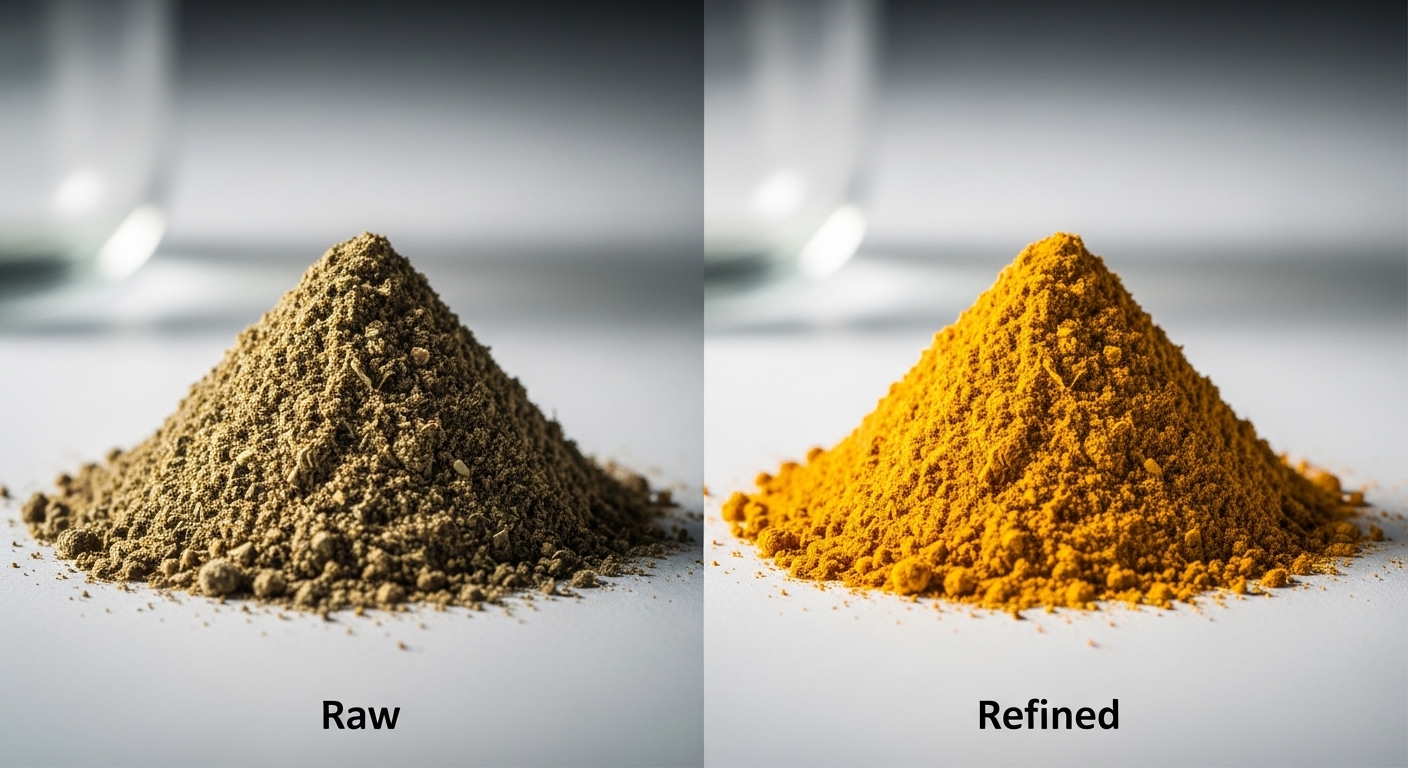
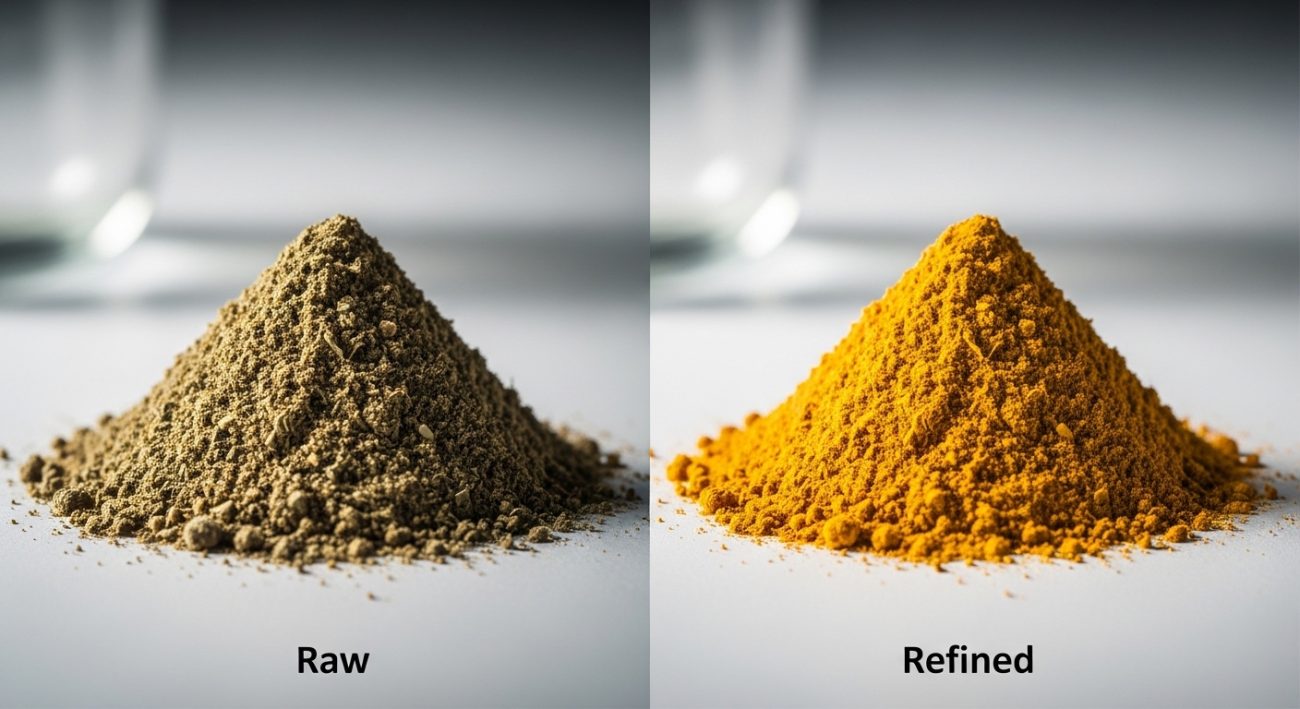
Standardized herb extracts provide guaranteed levels of specific bioactive compounds, ensuring that every batch of a finished product delivers the same potency and efficacy. For B2B buyers in the nutraceutical and pharmaceutical sectors, using these extracts eliminates the unpredictability of raw botanical materials. By transitioning to standardized ingredients, manufacturers achieve higher formulation stability, simplified regulatory compliance, and better cost-control over their supply chain.
Ensuring Batch-to-Batch Consistency in Large Scale Manufacturing
The primary challenge in botanical manufacturing is the natural variability of plants. Factors like soil quality, harvest time, and climate can cause active ingredient levels to fluctuate wildly in raw powders. When you utilize standardized herb extracts, you remove this clinical uncertainty.
Standardization ensures that a specific “marker compound” is present at a constant percentage. This reliability is vital for large-scale production where formula precision dictates the shelf-life and safety of the product. Without this consistency, manufacturers risk producing “hot batches” with too much potency or “weak batches” that fail to meet label claims.
Why European Procurement Leads Prioritize Standardized Botanical Ingredients
In the European market, procurement managers face rigorous scrutiny from both consumers and regulatory bodies. Quality is not just a preference; it is a legal requirement. Standardized extracts allow companies to maintain a clean “Chain of Custody” and provide clear data for quality assurance audits.
Reliability in Clinical Efficacy and Health Claims
European consumers increasingly demand evidence-based products. If a brand claims a health benefit based on a specific ingredient, that ingredient must contain the active metabolites responsible for the effect. Standardized extracts provide the quantifiable data needed to back these claims. Procurement teams favor these because they reduce the risk of consumer dissatisfaction or legal challenges regarding product performance.
Simplifying Regulatory Documentation for EFSA Compliance
Navigating EFSA (European Food Safety Authority) guidelines requires exhaustive documentation. Utilizing extracts with a clear standardized herbal extract definition simplifies this process. These ingredients come with comprehensive technical data sheets and Certificates of Analysis (COA). This transparency speeds up the registration of new products and ensures that the manufacturing process aligns with EC 396/2005 and other relevant botanical regulations.
The Technical Process: How Standardization Guarantees Potency
Achieving a precise concentration of bioactive molecules requires a sophisticated herbal extract standardization process. This is not merely about grinding plants; it involves scientific isolation and concentration of the desired molecules while removing unwanted plant cellulose or impurities.
Selecting the Right Marker Compounds for Bioavailability
A marker compound is a specific chemical constituent used to verify the identity and potency of the herb. For example, understanding what 95% curcuminoids means is essential for formulators. It indicates that the extract has been concentrated to a point where nearly the entire mass consists of active curcuminoids, rather than bulk turmeric fiber.
Primary Metabolites vs. Secondary Metabolites in Extraction
During extraction, we focus on secondary metabolites like alkaloids, glycosides, and polyphenols. These are the compounds that provide the therapeutic or functional value. Standardizing for these specific metabolites ensures that the ingredient remains bioavailable and effective even after the heat and pressure of the tableting or encapsulation process.
Analytical Validation Methods: HPLC, UV-VIS, and TLC
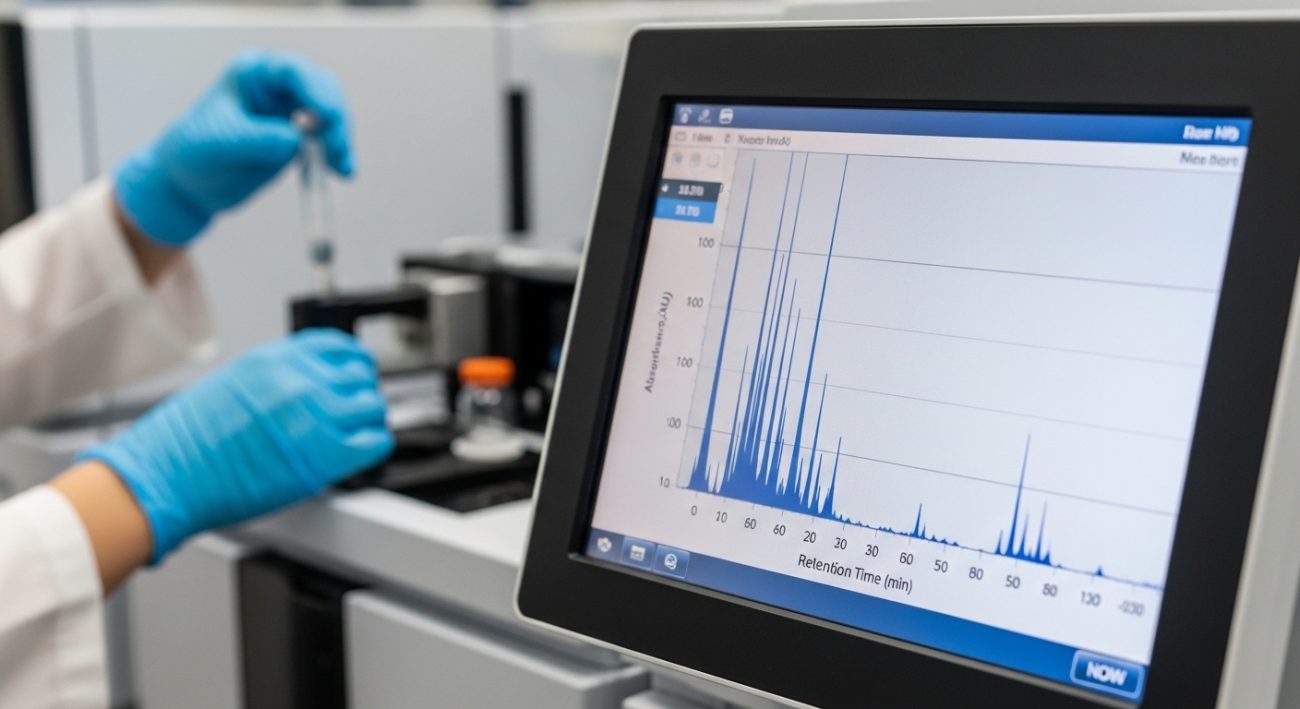
To guarantee that an extract meets its specifications, we employ advanced analytical chemistry. High-Performance Liquid Chromatography (HPLC) is the gold standard for identifying and quantifying marker compounds. We also use UV-VIS spectrophotometry for total content analysis and Thin Layer Chromatography (TLC) for botanical identification. These tests provide the technical proof that European QA/RA leads require before approving a new supplier.
Economic Benefits: Maximizing ROI in Product Development
While standardized extracts may have a higher price per kilogram than raw powders, they are often more cost-effective in the long run. Because they are more concentrated, you use smaller dosages to achieve the same effect. This reduces shipping costs, storage requirements, and the size of the final delivery format, such as a smaller, easier-to-swallow capsule. Furthermore, the reduction in failed batches and laboratory re-testing significantly boosts overall manufacturing ROI.
Selecting a Reliable Global Partner for Standardized Extracts
Choosing the right manufacturer is the final step in securing your supply chain. A reliable partner like Xi’an B-Thriving offers not only the physical ingredient but also the technical support required for complex formulations. We provide comprehensive COAs, transparent testing protocols, and the logistical expertise to support European B2B requirements.
If your product development team requires specific assay levels or custom liposomal delivery systems, our engineering team can provide the necessary data and samples to accelerate your R&D timeline.
Frequently Asked Questions About Standardized Extracts
What is the difference between a ratio extract and a standardized extract?
A ratio extract represents the weight of the raw material used relative to the finished extract, while a standardized extract guarantees a specific percentage of a marker compound regardless of the starting material’s volume.
Why is standardization important for botanical safety?
Standardization allows manufacturers to control the dosage of active compounds precisely, preventing toxicity from over-exposure and ensuring the product remains within safe regulatory limits.
Does standardization affect the natural profile of the plant?
Standardization focuses on concentrating specific actives, which may change the natural ratio of compounds; however, “Full Spectrum” standardized extracts aim to maintain the plant’s natural balance while still guaranteeing a minimum level of the primary marker.
How do I verify the standardization of a bulk ingredient?
You should request a batch-specific Certificate of Analysis (COA) that includes results from HPLC or other validated analytical methods performed by a certified laboratory.
Are standardized extracts more expensive?
While the unit price is higher, they are usually more economical because the higher concentration of active ingredients allows for lower inclusion rates in the final formula.
Would you like to request a specific Certificate of Analysis (COA) for our 95% Curcuminoids or other standardized extracts? Contact our technical team today for a sample and full specification sheet.

