
Humulus lupulus L. is well known for making beer taste good, but it is also a preservative. Humulus lupulus L. also has other beneficial uses. The skincare industry is looking for new innovations to help deal with acne, and products that include Extracted Hops (Alpha Acids; Beta Acids) may be a solution.
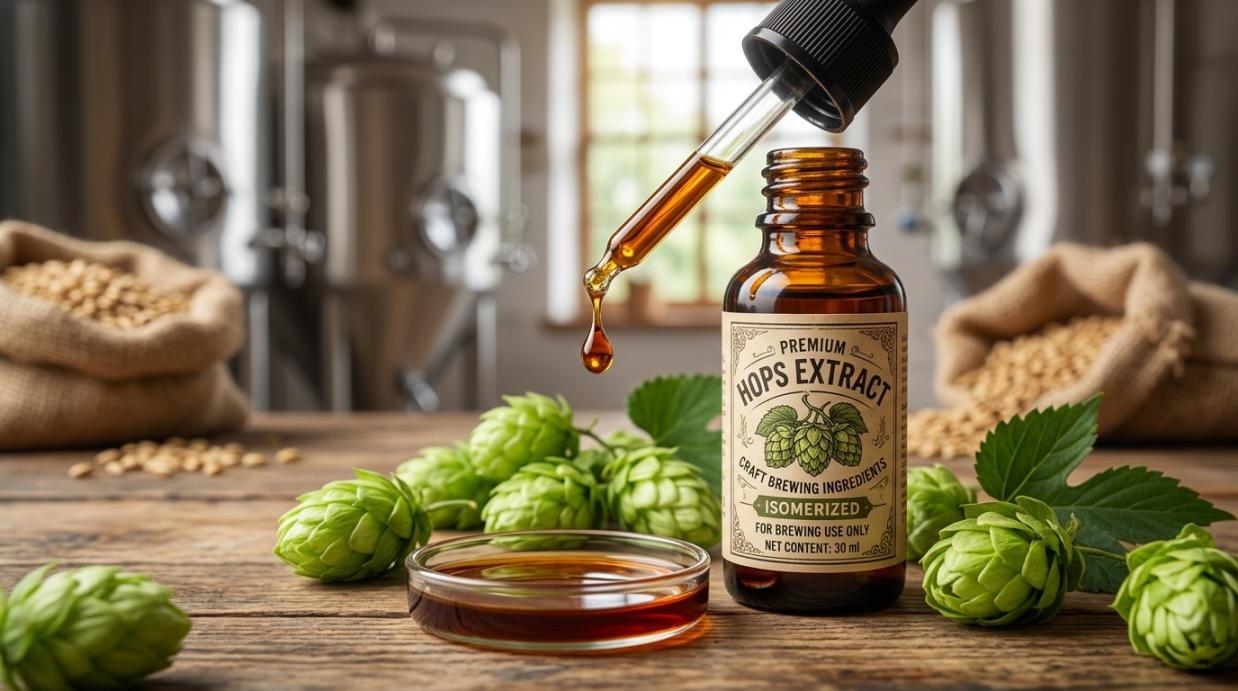
Bitterness in beer comes from Alpha Acids, but Beta Acids (lupulones) may play a bigger role outside brewing. Beta Acids (lupulones) are believed to be an important newly discovered asset to the fight against acne vulgaris as the research in pharmacology and biomedicine advances. In order to find out more, we should analyze why this is so and the science behind it.
The Acne Crisis: Why We Need New Solutions
Acne vulgaris is a multi-faceted inflammatory condition that negatively impacts an individual’s appearance and self-esteem. Acne vulgaris impacts an entire 85 percent of the population and is especially common among adolescents, but it also impacts adults.
Goblet cells and keratinocytes are not the only unwanted residents that impact the skin. Cutibacterium acnes (previously, Propionibacterium acnes) are other unwanted residents that also impact the dermis and skin. This particular genus of bacteria is gram-positive and biofilm-forming. This leads to a blockage of pores and the subsequent development of a variety of issues, due to inflammation and a variety of other factors that further injure and irritate the skin. Dangers further arise from the biofilm because not only does the biofilm provide a shield; but also, the bacteria that form it are up to 1,000 times more resistant to the traditional antibiotics that exist.
C. acnes strains estimate that 50% of cases develop an antibiotic resistance. That leaves the medical and cosmetic industries searching for a botanical solution. Hops Extract (Alpha Acids; Beta Acids) provides that solution with its multi-mechanism approach that synthetic drugs cannot offer.
The Science of Beta Acids vs. Breakouts
Beer’s bitterness can be attributed to Alpha Acids (humulones) whereas Beta Acids (lupulones) exhibit a unique molecular structure that equips them to adeptly combat pathogens. Hops Extract (Alpha Acids; Beta Acids) provides a one-two punch against acne.
1. Broad-Spectrum Antibacterial Power
The studies on the biological activities of compounds of hops have been the most promising to date. A breakthrough 2009 study clearly documented that hops extracts, especially xanthohumol and the lupulones (Beta Acids), displayed remarkably strong inhibitory properties against C. acnes as well as S. aureus, S. epidermidis, and four other strains of acne-causing bacteria. Therefore, Hops Extract (Alpha Acids; Beta Acids) has been shown to handle polymicrobial skin infections.
2. Analysing the ‘Bacterial Fortress’ (Anti-Biofilm Activity)
Beta Acids are different from traditional antibiotics in that they can penetrate through bacterial biofilms. Traditional antibiotics can usually penetrate bacterial walls, but are unable to penetrate the ‘biofilm’ mucus that bacteria deactivate antibiotics with. However, beta acids can stop the biofilm from being secreted.
Research in 2020 concluded that antimicrobial properties and biofilm formation inhibition of a certain Hops extract occurs in the 1 to 16 μg/mL concentration range. The hop extract was shown to inhibit biofilm formation in multi-drug resistant bacterial pathways. Because of this evidence, Hops Extract (Alpha Acids; Beta Acids) has cemented its place as a ground-breaking biofilm-controlling component.
3. The 2026 Breakthrough: Lupulxinones
Recent reviews have found hop’s potential to be much deeper. From the female hop flower, researchers have isolated and described a group of chemicals for the first time, the lupulxinones, and characterized them as Beta-Acid derivatives. The eighth of these, lupulxinone 8, demonstrated the most potent of the anti-acne activities attributed to hops, with an MIC of 1.56 μg/mL and an MBC of 3.13 μg/mL.
Also notable were the anti-inflammatory activities of some of these Beta-Acid derivatives, as exhibited by the decrease in LPS-induced nitric oxide production in macrophages. Because of these findings, Hops Extract (Alpha Acids; Beta Acids) has become the focus of dermatological studies.
4. Beta Acids have Antimicrobial and Skin Repair Properties
Beta Acids perform two functions; they eradicate bacteria and repair the damage. An in vivo study performed in 2026 showed that hop extracts in cosmetic preparations serve as natural anti-irritants, and 10% reduction of skin redness was observed when these extracts were used daily for three weeks. In this regard, Hops Extract (Alpha Acids; Beta Acids) is an antimicrobial and anti-inflammatory as well as a calming agent.
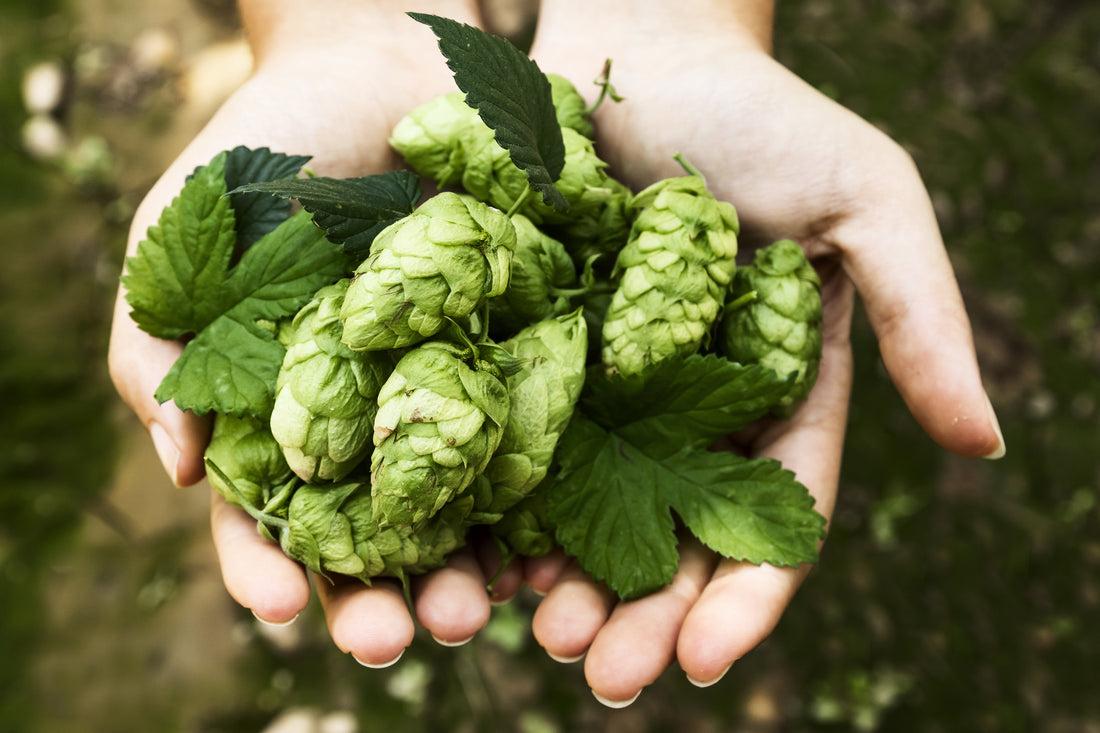
The B-Thriving Extraction Method
When it comes to bioactive compounds with delicate and heat wary attributes, the extraction method is as important as the ingredient. Harsh steam distillation and chemical solvents degrade these precious acids and alter their therapeutic profile.
B-Thriving sets the standard in the industry. Their innovative and refined extraction methods allow for the hop flower to remain fully potent in their premium ingredient which is derived from the Part Used: Flower, allowing for the highest concentration of Lupulin glands.
The extracted Hops (Alpha Acids; Beta Acids) is standardized to the clinically relevant and commercially potent level.
��Active: Alpha Acids 45% ; Beta Acids 13%
��Method of Testing: UV (Ultraviolet Spectrometry)
This extraction method ensures stability of the plant compounds and compliments the plant’s natural synergy, providing a chemical free residue solution. For formulators, choosing Hops Extract (Alpha Acids; Beta Acids) from B-Thriving means consistency, purity, and potent science.
Multidimension Effects of Hops Extract
The actions of Hops Extract (Alpha Acids; Beta Acids) are multiple and may act in synergy.
•Bacteriostatic: Humulone and lupulone are said to cause damage to the cell walls of C. acnes and staphylococci.
•Anti-inflammatory: Beta acid derivatives may help to reduce inflammatory acne by decreasing nitric oxide and other pro-inflammatory cytokines.
•Sebum Control: Hops Extract (Alpha Acids; Beta Acids) leave-on cleansers seem to reduce skin surface oil progressively without causing reactive seborrhea (oily skin rebound).
•Antioxidant Protection: Hops Extract (Alpha Acids; Beta Acids) is rich in polyphenols and flavonoids and demonstrates strong antioxidant activity, protecting the skin from oxidative stress and the signs of aging.
The Sustainable Future of Acne Care
The Beta Acids are completely aligned with the current movement toward “Clean Beauty” and sustainability. Excitingly, recent research from 2026 shows that Hops Extract (Alpha Acids; Beta Acids) made from the byproducts of using craft IPA in brewing retains strong antimicrobial and antibiofilm activities.
The use of brewing byproducts in skincare that is safe, effective and shows measurable results is a true circular economy solution. This means Hops Extract (Alpha Acids; Beta Acids) is effective for the skin and safe for our planet.
Formulation Possibilities & Conclusion
Hops Extract (Alpha Acids; Beta Acids) is an outstanding ingredient that embodies great potential for multiple applications in cosmetics. Beta acids have the ability to heal acne, especially when considering their anti-inflammatory properties; hence, it can be safely used for reactive and sensitive skin.
•Possibilities: Developing anti-acne serums and treatments at a very low Minimally Inhibitory Concentration (MIC).
•Toners formulated to ease skin redness and regulate oil production.
•Microbiome creams: Regulating skin microbes and soothing dermal conditions with high bioburden.
Beta acids moved from hop fields to dermatology with thorough 2026 clinical data and evidence-based manufacturing with companies like B-Thriving, who produce (Active Ingredient: 45% Alpha Acids; 13% Beta Acids) formulations. Beta acids hop extract is no longer a licensed beer ingredient but a sustainable and evidence-based approach to treating acne.
Frequently Asked Questions (FAQ)
Q1: What is Hops Extract (Alpha Acids; Beta Acids)?
A: It is a bioactive ingredient derived from the female flowers of hop plants (Humulus lupulus). Alpha Acids (humulones) lean toward alcoholism and Beta Acids (lupulones) hold the big guns of antimicrobial and anti-biofilm protection – making the extract a powerful candidate for acne-prone skin.
Q2: How do Beta Acids fight acne?
A: Beta Acids do three things: (1) Kill Cutibacterium acne and acne-related bacteria, (2) Dissolve bacterial biofilms that make chronic antibiotics ineffective and (3) Reduce inflammatory and ease painful scabs.
Q3: Is Hops Extract safe for sensitive skin?
A: Yes. Hops Extract (Alpha Acids; Beta Acids) remain well-tolerated, and new studies show a reduction in skin redness. However, as with any new ingredient a patch test is a good idea.
Q4: Can I use Hops Extract if I don’t have acne?
A: In fact, your skin doesn’t have to be acne-prone for you to enjoy Hops Extract (Alpha Acids; Beta Acids). Beyond acne, Hops Extract (Alpha Acids; Beta Acids) is excellent for oily skin, combination skin, aging skin, and offers protection as an antioxidant and an anti-inflammatory agent.
Q5: What is so special about Hops Extract and B-Thriving?
A: B-Thriving uses the Flower with the Part Used: Flower and specializes in the field of extraction to offer Active Ingredient: Alpha Acids 45% ; Beta Acids 13% (tested by UV Spectrometry). This guarantees high bioactivity and consistency from batch to batch without using harsh chemicals.

