
Introduction: An Expanding Epidemic of Metabolic Syndrome
Several risk factors of metabolic syndrome cluster to increase the risk of developing type 2 diabetes, cardiovascular diseases, and cognitive decline. The World Health Organization and the International Diabetes Federation identify the core elements of metabolic syndrome to include central obesity, insulin resistance, dyslipidemia, hypertension, and a pro-inflammatory state. Metabolic syndrome is becoming one of the most public health concerns due to increased sedentary lifestyles and the growing popularity of energy-dense foods.
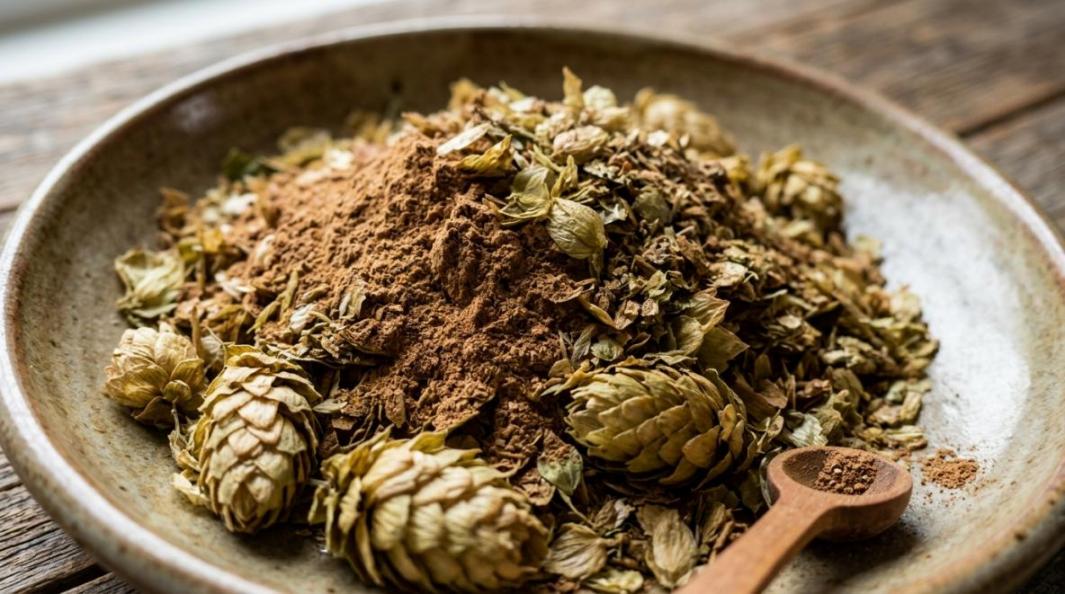
There is a potential solution: Xanthohumol, a prenylated chalcone found in the flowers of the hop plant (Humulus lupulus L.). New information suggests that Xanthohumol may be an effective functional food for metabolic health, as it appears to be anti-obesity, anti-diabetic, and hepatoprotective. The purpose of this article is to show how Xanthohumol functions, as well as provide insight into the interest and energy this innovation brings to researchers and health enthusiasts alike.
Xanthohumol Health Benefits: The AMPK Activation Pathway
Xanthohumol has what some describe as “spicy metabolic benefits” due to its ability to activate AMPK (AMP-activated protein kinase) and is called the body’s “master energy switch”. AMPK assesses the energy status of the cells, and when it is activated, it promotes the breakdown of energy via catabolic pathways, and conversely, it represses ATP-utilizing pathways or anabolic pathways.
Research conducted on 3T3-L1 adipocytes and primary human subcutaneous preadipocytes has found that Xanthohumol has the following effects:
•Induces “beiging” of white adipocytes
•Upregulates genes that encode beige markers such as CIDE-A and TBX-1
•Upregulates UCP1 and the biogenesis of mitochondria and other thermogenic proteins
•Increases metabolic activity as measured by an enhanced oxygen consumption rate
•Induces lipolysis and decreases adipogenesis
Of note, the anti-obesity effects of Xanthohumol are partially mediated by the AMPK signaling pathway.
1. Combating Obesity
Obesity is not simply an increase in body mass; it is defined by an overall deterioration of adipose tissues. This deterioration includes chronic low-grade inflammation, the accumulation of fat in an ectopic fashion, and disrupted metabolic signaling.
Xanthohumol and Obesity:
•Xanthohumol is favorably considered an AMPK activator, lipolytic agent, and anti-adipogenic agent.
•Xanthohumol is an “active beige” fat promoter, a thermogenic agent, and a PGC-1α and UCP1 enhancer.
A 2024 study provided a thorough summary of Xanthohumol’s benefits, stating the prevention of obesity, dyslipidemia, and insulin resistance in both in vitro and animal studies.
2. Glucose Metabolism and Insulin Sensitivity
While it is important for all consumers to know that Xanthohumol is a potent glucose regulator, it is even more important for consumers who are concerned about the potential onset of diabetes.
Hop phytochemicals, and especially Xanthohumol, have hypoglycemic, antihyperlipidemic, and anti-obesity properties. In studies involving Xanthohumol and diet-induced obesity in mice:
•Body weight increase is prevented.
•The profile of lipids in plasma is improved.
•Insulin resistance and glucose tolerance are significantly improved.
XN- or 8PN-rich diets decrease diabetic-related metabolic disturbances by affecting the regulation of glucose and lipids.
Therefore, the hypoglycemic impact associated with Xanthohumol has baffling dependence – the gut microbiome.
3. The Gut Microbiome Association: An Unusual Reliance
A prominent study from the Oregon State University has indicated that, for improving glucose metabolism in diet-induced obesity in mice, Xanthohumol has a real and positive reliance upon intestinal microbiota.
When conventional mice (with gut microbes) were fed a high-fat diet supplemented with Xanthohumol, they were protected against metabolic impairments – but these protections were completely lost in their germ-free counterparts.
“We showed that the gut microbiota are necessary for the beneficial effects of XN on glucose metabolism,” said Professor Adrian Gombart of the Linus Pauling Institute.
Furthermore, a 2024 human clinical trial (randomized, triple-blinded, placebo-controlled) demonstrated that Xanthohumol reshapes gut microbiota in an enterotype-dependent manner, with high levels of inter-individual variation in metabolic profiles and bioavailability. This suggests that precision medicine approaches may eventually optimize Xanthohumol supplementation based on individual gut microbial composition.
4. Protecting Against Fatty Liver and Dyslipidemia
Metabolic syndrome is often associated with NAFLD/MASLD. Studies show Xanthohumol may inhibit stellate cells and fat deposition in the liver. It may also provide protection to the liver.
Xanthohumol has a modulating effect on bile acids, lipids, and triglyceride levels. It may positively affect liver function and lower the liver’s LDL levels.
Safety Assessment: Observations from Clinical Trials
Safety will always be a valid concern, since this is a dietary supplement, however that concern is mitigated since a trial conducted in 2025 established the product’s safety. This was a Phase I clinic trial, triple-masked, placebo-controlled, and of a decent size. During the trial, 30 healthy volunteers received either 24 mg/day of 99.8% pure Xanthohumol for 8 weeks or placebo. Safety and tolerability of Xanthohumol were confirmed by a comprehensive metabolic panel.
The same conclusion derives from a review in 2022 of Xanthohumol pharmacokinetics and safety studies conducted on both animals and humans.
Why Choose B-Thriving
Not all Xanthohumol is manufactured in the same way. Quality of the ingredient is of utmost importance to researchers and formulators as they assess Xanthohumol sourcing for product development.
B-Thriving offers Xanthohumol of the highest quality:
��Part Used: Flower
��Active Ingredient: Xanthohumol 3% & 5%
��Test Method: HPLC
B-Thriving provides:
•Quality Xanthohumol in good quantity and quick delivery
•Customization packages to meet your formulation needs
•Technical assistance throughout your entire product development process
B-Thriving becomes an ideal partner for the development of dietary supplements, functional foods, and cosmetics with Xanthohumol because of their strict quality control and HPLC-certified standardization.
Limitations and Future Directions
Numerous in vitro and animal studies bolster the empirical evidence regarding the positive effects of Xanthohumol. Currently, there are no clinical studies concerning metabolic syndrome and Xanthohumol.
A 2022 review stated that even though there are many positive findings in animal studies, the results of human research are in vitro, not comparable, and lacking. Thus, more studies are warranted on the dosage, formulation, and length of interventions.
In spite of this, the XAN4Health study and many other research trials currently underway, are assessing the effect of Xanthohumol on recently diagnosed metabolic syndrome and its progression. Xanthohumol is likely to be a viable metabolic health solution in the future.
Conclusion
Xanthohumol provides a comprehensive natural solution to address core components of metabolic syndrome—obesity, insulin resistance, dyslipidemia, and fatty liver. Its unique mechanisms of action include AMPK activation, fat browning, gut microbiota modulation to enhance glucose metabolism, lipid profile improvement, with significant metabolic benefits. B-Thriving focuses on quality and provides Xanthohumol through HPLC‐verified extracts, and adaptable solutions, with a dependable global supply chain. With B-Thriving’s Xanthohumol products, the way to metabolic wellness has never been more evident.
FAQ – Frequently Asked Questions
Q1. What are the benefits of Xanthohumol and its origins?
A: The structure of xanthohumol, a type of flavonoid and prenylated chalcone was first detected in the genus Humulus. For controlling blood sugar levels, both oxidation and inflammation reduction can also aid in losing weight.
Q2. Are there any risks of daily xanthohumol consumption?
A: No, there are no risks. A phase one clinical trial from 2025 reported that the product was safe, and there were no meaningful adverse effects of the product. Study participants that had no health problems accepted a daily dosage of 24mg of xanthohumol for an 8 week period without problems.
Q3. Is it possible to obtain the recommended amounts of Xanthohumol through the consumption of beer?
A: No, it is not possible. The average beer contains 0.96 mg of Xanthohumol, which is 1000 times lower compared to the amounts used in the majority of clinical studies. The first step to achieving this goal is drinking beer that has been supplemented with Xanthohumol, but the most effective answer is in the form of a dietary supplement.
Q4: How does Xanthohumol assist in metabolic function?
A: Xanthohumol assists in the metabolism of fat by its ability to enhance the browning of fat, reduce fat in the liver, assist in the browning of fat that is insulin resistant and metabolically dysregulated, and by enhancing the metabolism of glucose when the gut microbiome is healthy, and this is all accomplished by the AMPK pathway.
Q5: What Xanthohumols do B-Thriving sell?
A: B-Thriving offers top-level Xanthohumol derived from hop flowers that is 3% or 5% Xanthohumol and is confirmed by HPLC. We have a lot of fast delivery stock and a lot of formulation options, along with great customer assistance.

