
Chrysin (5,7-dihydroxyflavone) is a newly discovered flavonoid from natural sources. Here we discuss the reasons its popularity is increasing in the pharmaceutical, nutraceutical, and cosmeceutical industries. Honey, propolis, passion flower, and Oroxylum indicum all contain Chrysin. The aim of this Chrysin Supplement Ingredient Guide is to analyze the available data concerning the properties, health impacts, and uses of Chrysin in order to assist formulators and manufacturers.
What is Chrysin?
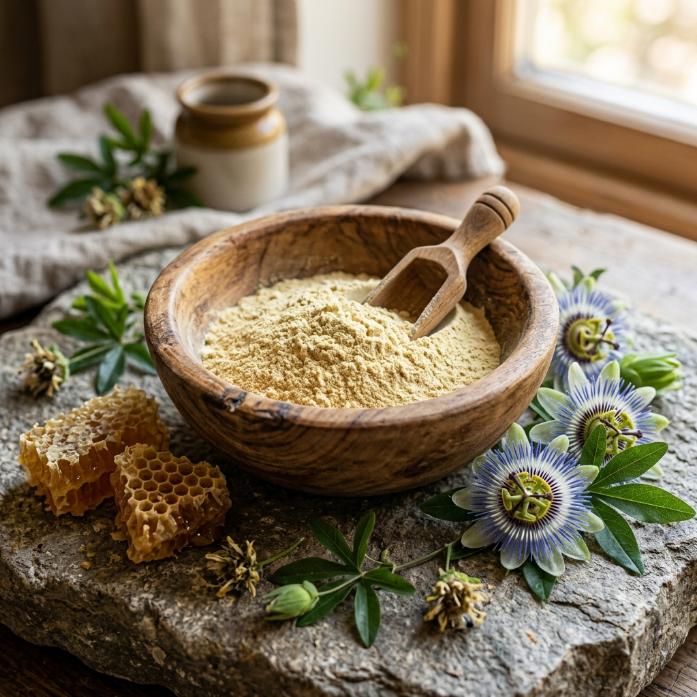
Chrysin is a flavone from the flavonoid family and thus contains a 15-carbon skeleton, 2 benzene rings and a heterocyclic ring. Chrysin is a light yellow fine powder and a dietary flavonoid found in many plants in addition to honey.
Chrysin can be identified by the following:
•CAS #: 480-40-0
•Molecular Formula: C₁₅H₁₀O₄
•Molecular Weight: 254.24 g/mol
•Appearance: Light yellow powder.
Core Health Benefits and Mechanisms of Action
Chrysin has several different types of biological activity. A 2025 review cites Chrysin for its potent anti-cancer, anti-inflammatory, and neuroprotective activities, as well as its modulation of metabolism.
Chrysin is a powerful anti-oxidant and anti-inflammatory agent, and is useful for the treatment of many chronic conditions. Chrysin can alter a number of inflammatory and oxidative stress related cellular signaling pathways by its interaction with NF-κB, SIRT1, Nrf2, and PPAR.
1. Metabolic Health Support
In recent preclinical studies, researchers have found that chrysin has the potential to improve hepatic metabolic health in ways that warrant considering it as an addition to one’s diet. In chrysin included animal studies, chrysin supplementation decreased hepatic lipid as well as glycogen storage, increased the antioxidant potential, and improved the markers of lipid and glucose metabolism. These results are particularly impactful for individuals with metabolic syndrome.
2. Aromatase Inhibition and Hormonal Modulation
Chrysin is an aromatase inhibitor, and as an enzyme that converts testosterone to estrogen, aromatase inhibition has increased chrysin’s popularity among the ingredients in supplements that focus on the balance of hormones and athletic performance. Chrysin is a powerful aromatase inhibitor, but it is important to note that the chrysin’s bioavailability has limited the compound’s ability to perform aromatase inhibition in a clinical setting.
3. Anticancer Potential
Chrysin has multiple mechanisms through which it performs cancer activity, including the inhibition of proliferation, angiogenesis, and metastasis, as well as the initiation of apoptosis. Research has also been conducted on the activity of chrysin against breast, lung, prostate, and other gastrointestinal cancerous tumors.
4. Neuroprotective Effects
The flavonoid has shown to be protective to the nervous system, with the potential to aid in the treatment of neurodegenerative diseases. This effect is due to its ability to modulate lessens the oxidative stress along with the inflammation of the nervous tissues.
Bioavailability: The Main Issue
There is no denying that bioavailability is one of the most important issues we deal with. Chrysin suffers from very low oral bioavailability. This is because of its limited solubility and rapid metabolism. For this reason, clinicians have also struggled with the limitations of chrysin.
How Chrysin Bioavailability is Understood Today
•Chrysin is generally ingested at doses between 400 mg and 3,000 mg.
•Chrysin absorption through the digestive tract is very poor. Therefore, it is highly unlikely that any amount of oral chrysin will achieve its desired effect.
•Bioavailability can be improved with advanced formulations that include nanotechnology, emulsification, micelles and possibly solid dispersions.
Where Chrysin Has Real Life Applications
1. Nutraceuticals and Dietary Supplements
Chrysin is the go-to choice for many dietary supplements because it can help consumers achieve:
•Hormonal balance and estrogen control
•Reduced inflammation and increased antioxidant levels
•Wellness and an improved metabolism
2. Cosmetics and Skincare
Chrysin can help skin look smooth and young. Because of its antioxidant properties, chrysin helps reduce skin damage from the environment. It also helps improve skin tone and firmness. Because of its benefits, chrysin is included in many products designed to reduce dark circles under the eyes.
3. Pharmaceutical Research
Chrysin is in great demand in pharmaceutical research because it may be effective in:
•Fighting cancer by inhibiting tumor growth and causing apoptosis
•Being part of combination therapy
•Inflammatory and metabolic disorders
Ingredient Specifications: Chrysin 99%
Chrysin purity is very important for manufacturers and formulators. The higher the purity, which is often guaranteed with Chrysin 99%, the greater the assurance of the same results each time.
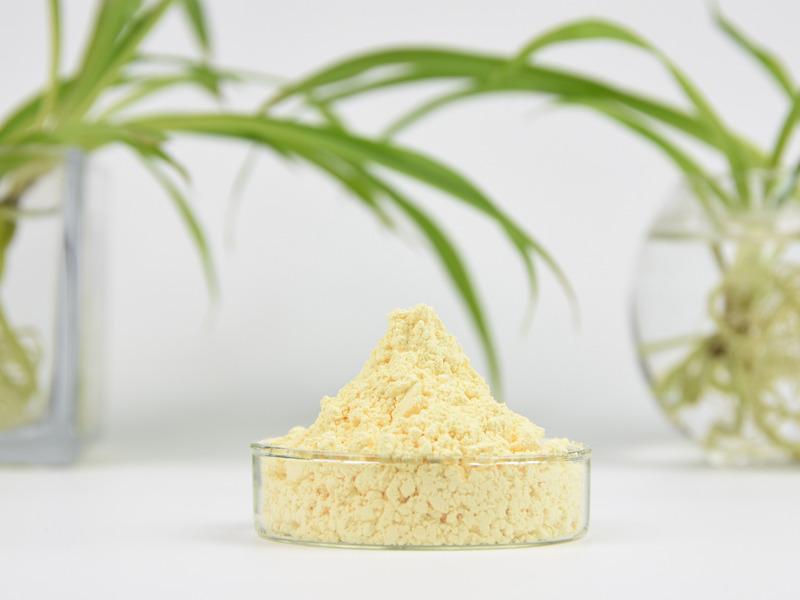
Chrysin 99% powder and other similar derivatives will generally have these specifications:
•Purity: 99% (HPLC)
•Appearance: powder fine light yellow
•Melting Point: 284° to 290°C
•Loss on Dry: ≤ 1%
•Heavy Metals: Arsenic ≤ 2 PPM, Lead ≤ 3 PPM, Mercury ≤ 0.1 PPM, Cadmium ≤ 1 PPM
Specifications are critical to the quality and stability of the product and safety of the finished formulations.
Toxicology and Safety
Chrysin may be the safest of the 99% pure products that you survey. The cytotoxicity of various fine formulations of chrysin has been tested on the adipocytes, macrophages, kidney cells and hepatocyte macrophages and shown to be safe. The acute toxicity has been calculated to have a LD₅₀ of > 2000 mg/kg and the product has been tested for genotoxicity with no testing for DNA mutations failing to show positive results.
Safety Concerns
•Chrysin is a blood thinner and therefore can pose a danger to people with a bleeding disorder or an upcoming surgery.
•Chrysin may affects livers therefore caution is needed for anticoagulant medications.
•Data is lacking concerning safety during pregnancy and lactation.
Manufacturer Advantage: B-Thriving as a Supplier
It is essential for businesses that utilize chrysin to establish a relationship with the correct supplier. B-Thriving’s supply chain is highly efficient, allowing for both high-quality and expedited product delivery, and is coupled with a high degree of flexibility, allowing for various forms of product customization. B-Thriving also provides technical support along this supply chain to ensure that the end user of the product achieves optimal results in the fields of health care, pharmaceuticals, and cosmetics.
B-Thriving’s Chrysin 99% specifications:
�� Appearance: Light Yellow Powder
With this attention to service and quality, B-Thriving helps manufacturers who need a reliable supplier of high-quality chrysin for their formulations.
Final Words
In this Chrysin Supplement Ingredient Guide, the reader has been exposed to many of the unique properties of this flavonoid. Because of its properties, chrysin has broad applicability across industries. Even with all the research focused on overcoming the low bioavailability of chrysin and on improving the delivery of this ingredient, this has remained a major obstacle. Chrysin 99% is in high demand, and due to its dedicated supply chain, flexibility and technical support, B-Thriving is a preferred supplier.
Frequently Asked Questions (FAQs)
Q1: What is chrysin?
Chrysin is a flavonoid that is naturally found in honey, propolis, and passion flowers and is known to have antioxidant activity. This compound’s anti-inflammatory and anti-aromatase activities are also recognized.
Q2: What are the main health benefits of chrysin?
Its hormonal balancing and oxidative stress lowering activities have been studied. Chrysin is also known to possess anti-metabolic syndrome, anti-cancer, and neuroprotective activities.
Q3: Why is chrysin’s bioavailability low, and how can it be improved?
The poor solubility of chrysin, along with its rapid metabolism, limits its absorption. To improve its bioavailability, advanced delivery systems (nanoemulsions, micelles, solid dispersions) are being investigated.
Q4: Can chrysin be used in cosmetics and skincare?
Chrysin is being used in cosmetics for its skin-soothing and anti-aging benefits. Chrysin is also used to help reduce dark circles caused by stress or fatigue and to help provide a protective effect against skin-damaging oxidative stress.
Q5: What does “Chrysin 99%” signify in ingredient specifications?
This indicates that the Chrysin is of ≥99% (HPLC) high purity and thus can be expected to have consistent activity and stability in finished health, pharmaceutical or cosmetic formulations.

