
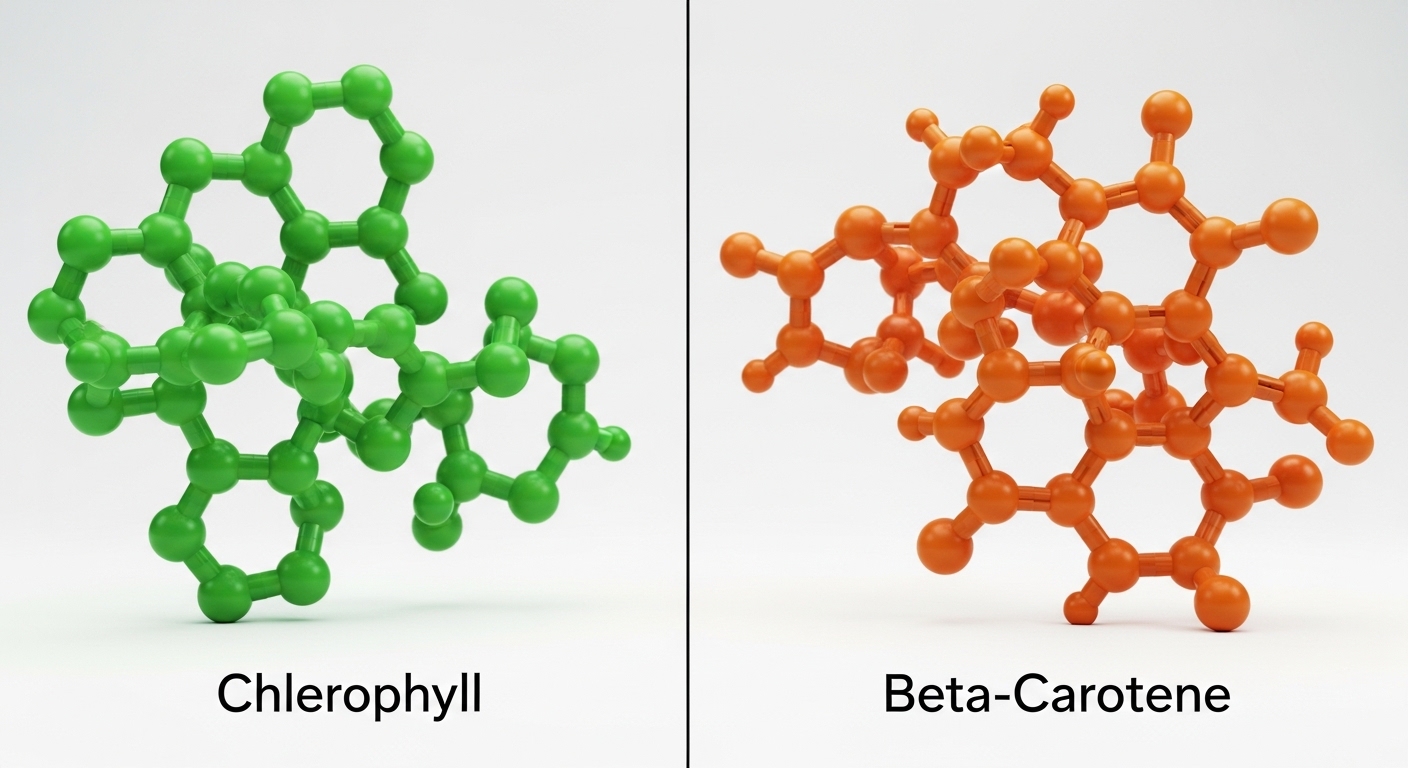
Natural pigments found in plants are organic compounds responsible for the vivid colors of flora, categorized primarily into four chemical groups: chlorophylls (greens), carotenoids (yellows/oranges), anthocyanins (reds/purples), and betalains (vibrant reds/yellows). For B2B manufacturers in the nutraceutical, cosmetic, and food industries, these botanical colorants serve as label-friendly alternatives to synthetic dyes. Transitioning to plant-derived pigments requires a technical understanding of their chemical stability, solubility, and extraction purity to ensure batch-to-batch consistency in large-scale production.
Classification of Plant Pigments by Chemical Structure
Botanical pigments are more than just visual attractants; they are complex molecules with distinct chemical behaviors. In industrial applications, the structure of a pigment dictates how it interacts with heat, light, and various pH levels. Understanding these classifications is the first step for formulators to ensure product longevity and visual appeal.
Primary botanical colorants are typically grouped by their biosynthetic pathways. While hundreds of variants exist in nature, the global manufacturing sector focuses on stable, high-yield extracts that meet regulatory standards. These pigments must maintain their integrity through processing steps such as spray-drying, pasteurization, or emulsification.
Anthocyanins: Water-Soluble Reds and Purples
Anthocyanins belong to the flavonoid family and are responsible for the deep reds, blues, and purples found in berries, grapes, and purple sweet potatoes. They are highly valued in the beverage and confectionery industries due to their excellent water solubility.
The color expression of anthocyanins is heavily dependent on the pH of the formulation. In acidic environments (low pH), they appear bright red, while shifting toward a neutral or alkaline pH turns them blue or green. For procurement managers, sourcing anthocyanins with a standardized profile is essential, as slight shifts in acidity can alter the final product’s appearance.
Carotenoids: Oil-Soluble Yellows and Oranges
Carotenoids are lipid-soluble pigments found in the chloroplasts and chromoplasts of plants. This group includes well-known compounds such as beta-carotene, lycopene, and lutein. Unlike anthocyanins, carotenoids are generally stable across a wide pH range, making them ideal for oil-based cosmetics, dairy products, and fats.
Because they are oil-soluble, formulators often require specialized delivery systems, such as microencapsulation or liposomal technology, to incorporate these pigments into water-based applications. These advanced processing methods protect the pigment from oxidation, extending the shelf life of the final consumer product.
Chlorophylls and Betalains: Specialized Natural Greens and Reds
Chlorophyll is the most abundant pigment on Earth, providing the signature green of leafy vegetables. In B2B supply chains, chlorophyll is often processed into chlorophyllin to improve its stability and water solubility for use in supplements and personal care items.
Betalains, found primarily in beetroot, offer a distinct red-violet or yellow hue. They are often used as an alternative to anthocyanins when a formulation requires a stable red color at a neutral pH. However, betalains are sensitive to high heat, so they are best suited for cold-process manufacturing or short-duration thermal treatments.
Industrial Challenges: Stability and Solubility in Formulations

The primary challenge in replacing synthetic dyes with natural plant pigments is maintaining stability. Synthetic colors are engineered for resilience, whereas plant-derived options are sensitive to environmental factors. Formulators must account for light exposure, temperature fluctuations, and oxidative stress during the product’s lifecycle.
Solubility also plays a critical role in ingredient selection. A water-soluble pigment will precipitate or “speck” in an oil-based cream, while an oil-soluble pigment will float on the surface of a clear beverage. Choosing the right carrier or extraction method ensures a homogenous color distribution that meets consumer expectations for quality.
Sourcing Natural Pigments: Procurement Criteria for European Buyers
For European B2B buyers, sourcing botanical ingredients involves rigorous vetting of the supply chain. Procurement managers must look beyond the price per kilogram and evaluate the technical documentation provided by the manufacturer. Reliability in lead times and batch consistency are the hallmarks of a professional B2B partner.
Quality assurance teams prioritize transparency in testing. A reputable supplier should provide a detailed Certificate of Analysis (COA) for every batch, confirming the concentration of active pigment and the absence of contaminants like heavy metals or pesticide residues.
Compliance with EU Food and Cosmetic Regulations
The European regulatory landscape is stringent regarding colorants. Buyers must distinguish between “coloring foods”—which are minimally processed plant extracts—and “food additives” (E-numbers), which require specific toxicological evaluations. Ensuring your supplier understands EU Regulation 231/2012 is vital for maintaining compliance in the nutraceutical and food sectors.
Quality Assurance: Assessing COA and Batch Consistency
Consistency is the greatest hurdle in botanical sourcing. Unlike synthetic dyes, plant harvests vary by season and origin. High-tier manufacturers mitigate this by using standardized extraction protocols and advanced chromatography to ensure that the color intensity of the March batch matches the September batch. This technical precision prevents costly reformulations for the end-user.
Why Choose Xi’an B-Thriving for Bulk Natural Pigments?
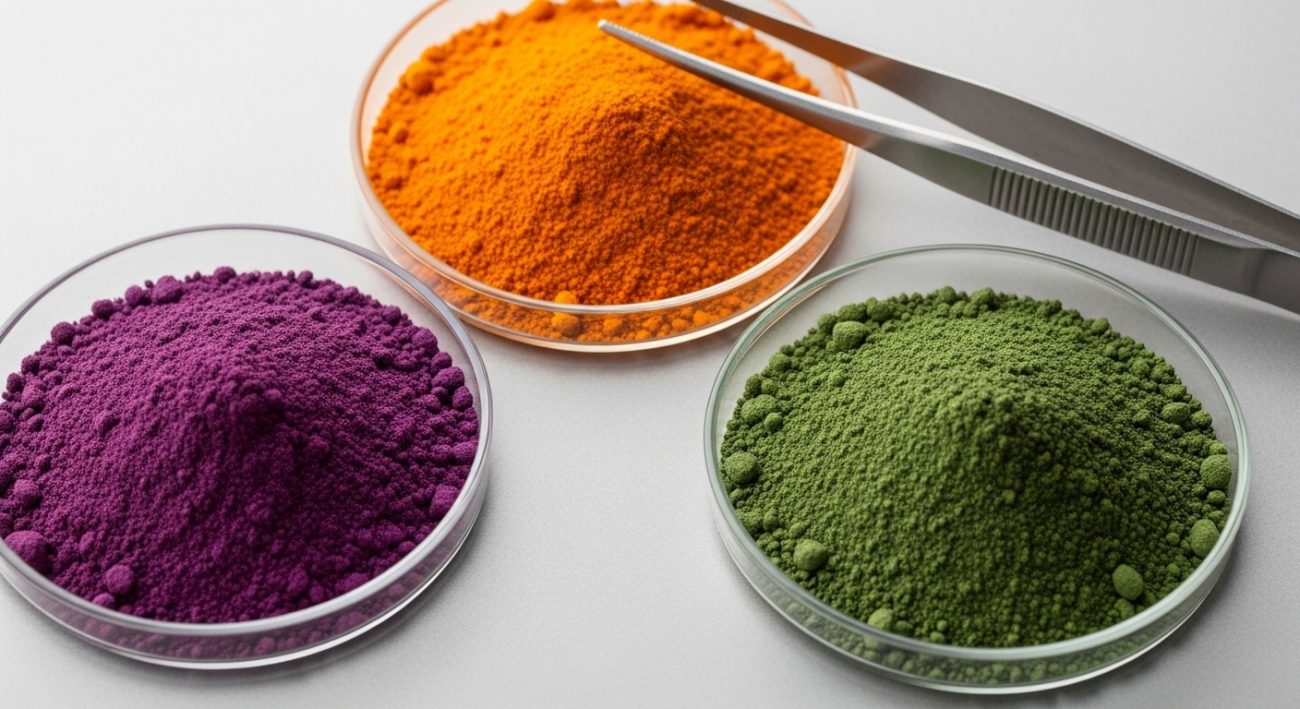
Xi’an B-Thriving I/E Co., Ltd. specializes in bridging the gap between raw botanical power and industrial precision. As a dedicated partner for the European market, we provide high-purity natural plant pigments and their uses across the food, pharma, and cosmetic industries.
Our facility offers comprehensive OEM/ODM support, allowing for customized concentrations and specialized delivery forms like microcapsules for enhanced stability. We understand the documentation needs of QA/RA departments and provide full transparency through our COA-led conversion model. Whether you require bulk supply or technical formulation support, our team ensures your transition to natural colorants is seamless and compliant.
Frequently Asked Questions
The four primary categories are chlorophylls (green), carotenoids (yellow/orange/red), flavonoids (including anthocyanins for red/purple/blue), and betalains (red/yellow). Each group has unique chemical properties and solubility profiles that dictate their use in industrial formulations.
Stability varies significantly by pigment type; for example, carotenoids generally resist heat better than betalains or certain anthocyanins. Manufacturers often use encapsulation or stabilization agents to protect heat-sensitive pigments during processes like pasteurization or baking.
Anthocyanins and betalains are the most common water-soluble pigments, making them ideal for beverages, syrups, and water-based cosmetics. Chlorophyll and carotenoids are naturally oil-soluble but can be modified through emulsification for water-based applications.
What is the difference between a dye and a pigment in plants?
In a biological context, pigments are the naturally occurring molecules within the plant cells. In an industrial context, “dyes” usually refer to soluble colorants, while “pigments” may refer to insoluble particles that require a carrier, though the terms are often used interchangeably in botanical extract marketing
You should request a Certificate of Analysis (COA) that specifies the pigment concentration (via HPLC or UV-Vis), heavy metal limits, microbial counts, and solvent residues. Additionally, verify if the supplier holds ISO, GMP, or specific EU-market certifications.
Yes, many manufacturers are successfully replacing synthetic dyes with plant extracts to meet “Clean Label” demands. However, it often requires adjusting the formulation’s pH and packaging to protect the natural pigments from degradation.

