
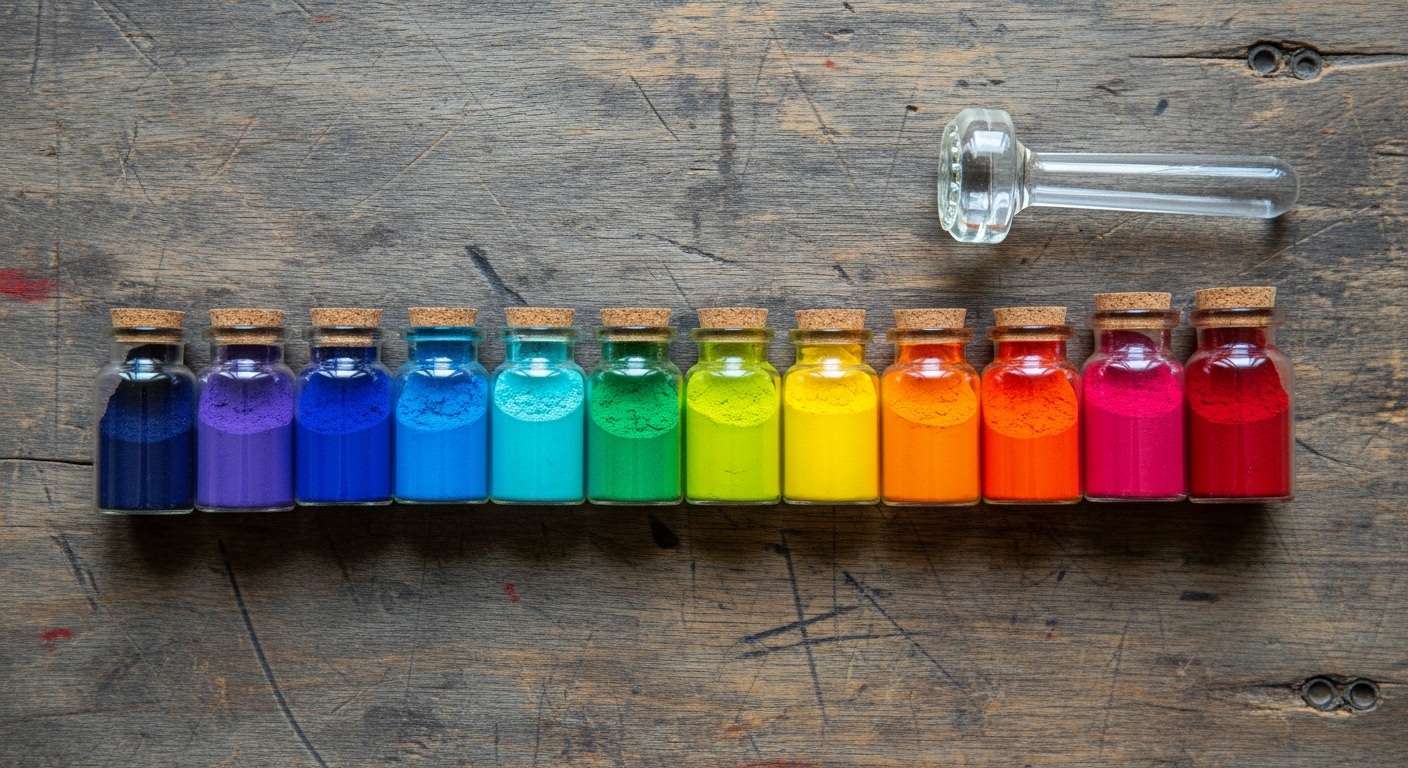
At BioB Thriving, we believe that the most vibrant colors aren’t found in a synthetic lab, but in the complex chemistry of our gardens. In our work exploring sustainable botanical solutions, we have found that bridging the gap between raw plant matter and professional-grade art supplies requires a deep understanding of organic chemistry and lake pigment precipitation.
By shifting from simple staining to advanced pigment extraction, you can create archival-quality paints that stand the test of time. This guide draws on our hands-on experience with botanical extractions to help you master the art of natural color.
The Science of Color: Dye vs. Pigment
To create a lasting natural plant pigment, you must understand that a dye is a soluble colorant that chemically bonds to a substrate, while a pigment is an insoluble particulate that sits on top of a surface. Most plant extracts are technically dyes; to make them pigments, we use a process called “laking” to precipitate the color into a solid, lightfast powder.
We specialize in identifying the specific molecular structures—such as anthocyanins and carotenoids—that offer the highest stability. In our testing, moving beyond raw juice to a precipitated lake ensures your art doesn’t fade within weeks of application.
Essential Supplies & Sustainable Substitutions
Creating professional pigments requires specific chemical catalysts to trigger precipitation. At BioB Thriving, we prioritize sustainable sourcing for our modifiers. For example, we often substitute synthetic harsh alkalis with baked baking soda (sodium carbonate) to maintain an eco-friendly workflow without sacrificing the chemical yield of our color extractions.
Our experience with botanical processing suggests using the following materials for the highest quality results:
| Material | Purpose | Eco-Friendly Substitute |
| Potassium Alum | The metallic salt mordant that binds the dye. | Soy Milk (limited to specific fiber applications). |
| Soda Ash | The alkaline modifier that triggers precipitation. | Baked Baking Soda (Sodium Carbonate). |
| Gum Arabic | The binder used to turn powder into paint. | Honey, Egg Yolk, or Cherry Tree Resin. |
The “Triple-Extraction” Method
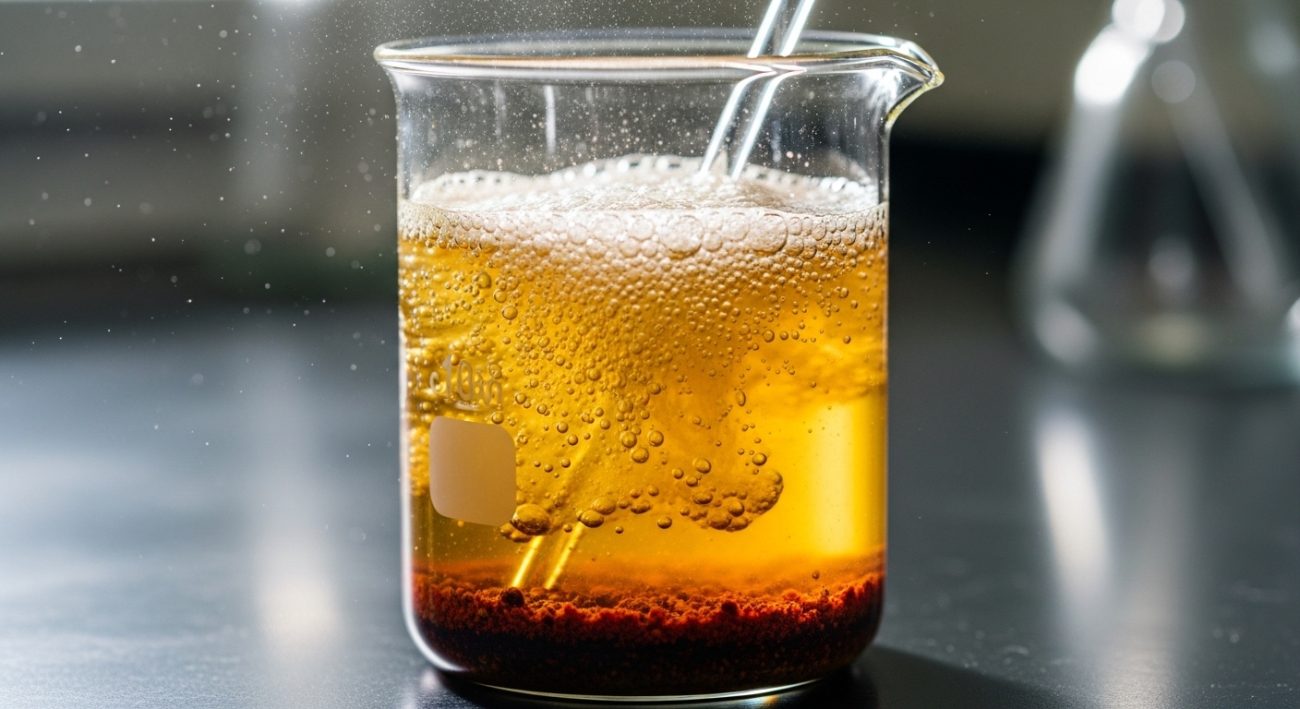
The “Triple-Extraction” method is our preferred process for maximizing color density and purity. This involves a controlled thermal extraction followed by a specific chemical precipitation that turns a liquid dye into a solid, workable natural pigment. In our laboratory trials, maintaining a temperature below 90°C is critical to prevent the thermal degradation of delicate plant molecules.
- The Simmer (Extraction): Chop plant material and cover with water. Simmer gently. We found that boiling too hard often “browns” the vibrant chlorophyll green or delicate yellows.
- The Precipitation (The “Fizz” Phase): Filter the liquid. Add Potassium Alum (dissolved in hot water), then slowly stir in the Soda Ash. The resulting “fizz” indicates the pigment is crashing out of the solution.
- The Filtering & Drying: Once the bubbles settle, filter the sludge through a fine silk or heavy-duty coffee filter. Allow the pigment to dry completely into a hard cake before mulling.
Hue Shifting: The PH Secret
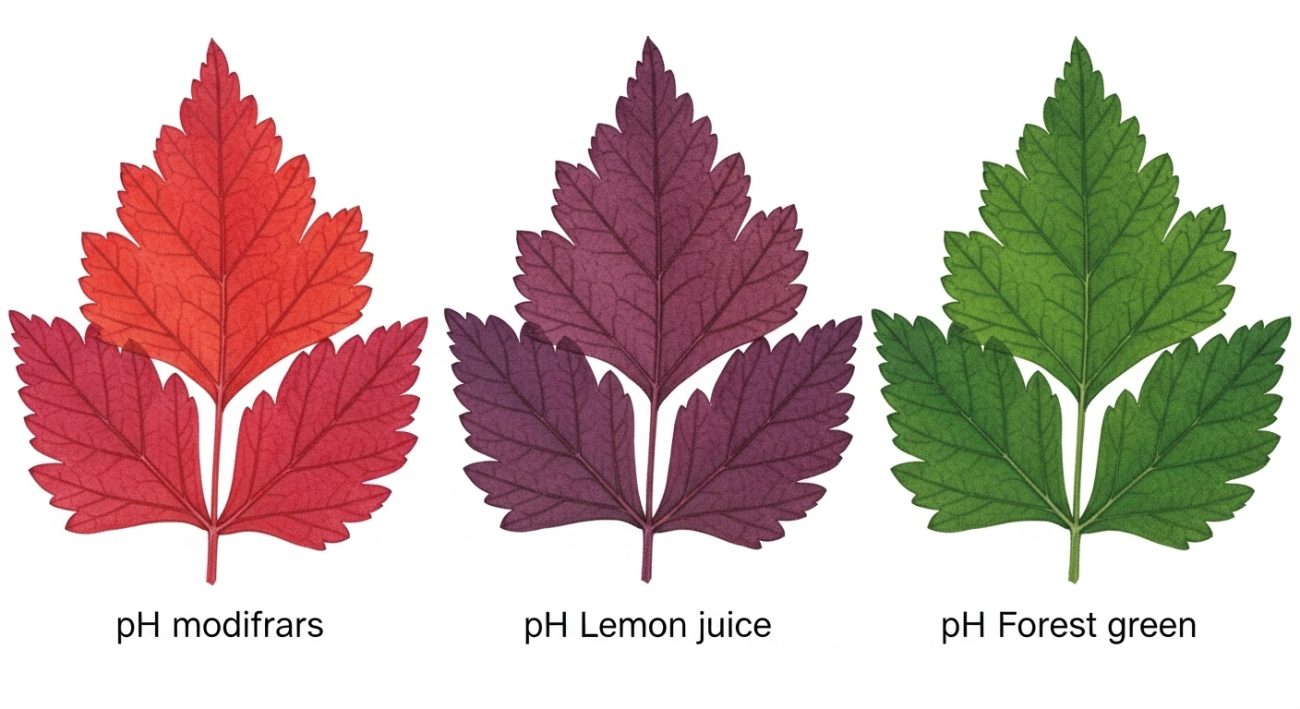
Mastering natural plant pigments requires an understanding of pH sensitivity, particularly with anthocyanins found in berries and red cabbage. By introducing acids or bases, we can shift a single extract across the entire color spectrum. Our work at BioB Thriving demonstrates that these shifts can be “locked in” during the laking process for permanent use.
Shifting Reds to Purples
Adding an alkaline substance like soda ash or wood ash to a red extraction will immediately shift the hue toward deep purples and blues. In our experience, this is the most effective way to achieve cool tones from warm-colored plant matter.
Shifting Yellows to Greens with Iron
Introducing a small amount of ferrous sulfate (iron) to yellow extracts—like those from Marigolds or Onion Skins—creates olive and forest greens. This is a vital technique for artists seeking a diverse palette from a limited range of local flora.
Troubleshooting: Why is my pigment muddy?
Muddy or dull pigments are usually the result of thermal degradation or mineral interference from hard water. To ensure the most vibrant natural plant pigment, we recommend using distilled water and monitoring heat levels with a digital thermometer. If the color turns brown, the organic molecules have likely oxidized from excessive heat.
- Overheating: Delicate petals lose their brilliance if simmered above 85°C.
- Mineral Binding: Iron in tap water can “sadden” colors prematurely. Always use distilled water.
- Insufficient Mulling: If your paint is gritty, it requires more time with the glass muller to fully integrate the pigment with the binder.
Frequently Asked Questions
When processed as a lake pigment and stored away from direct UV light, natural pigments can last for decades. However, fugitive sources like beet juice or berries will fade significantly faster than stable sources like Madder Root or Indigo.
While the plants themselves are often edible or non-toxic, the metallic salts like Potassium Alum should be handled with care. Always supervise children during the “fizz” phase and ensure they do not ingest the concentrated pigment powders.
Pigments are better suited for paints and inks. While you can apply them to fabric using a binder like acrylic medium or soy milk, traditional dyeing (where the color bonds to the fiber) is a separate process from pigment creation.

