

As a leading provider in the natural extracts industry, BioBThriving focuses on bridging the gap between botanical science and functional applications. In our extensive work with plant-based compounds, we have observed that carotenoids are far more than aesthetic enhancers; they are the high-performance biological engines that allow plants to thrive under intense solar radiation.
The Science of Solar Power: How Carotenoids Fuel Plants
Carotenoids are essential tetraterpenoid pigments that perform two primary roles in plants: expanding the light-harvesting spectrum for photosynthesis and providing critical photoprotection. By absorbing blue-green light and quenching reactive oxygen species (ROS), these pigments prevent lethal oxidative damage to the plant’s delicate photosynthetic machinery during periods of high light intensity.
In our laboratory assessments of various botanical specimens, we consistently find that the “Xanthophyll Cycle” acts as a sophisticated internal dimmer switch. When a plant is hit with more sunlight than it can process, it converts specific carotenoids like violaxanthin into zeaxanthin. This process dissipates excess energy as heat, effectively acting as “biological sunglasses” to prevent sunscald and cellular degradation.
We have documented that plants with robust carotenoid profiles demonstrate significantly higher resilience to environmental stressors. This is why a healthy, deep-orange bell pepper is less likely to suffer from UV-induced surface lesions than a nutrient-deficient counterpart.
The Chemistry of Color: Carotenes vs. Xanthophylls
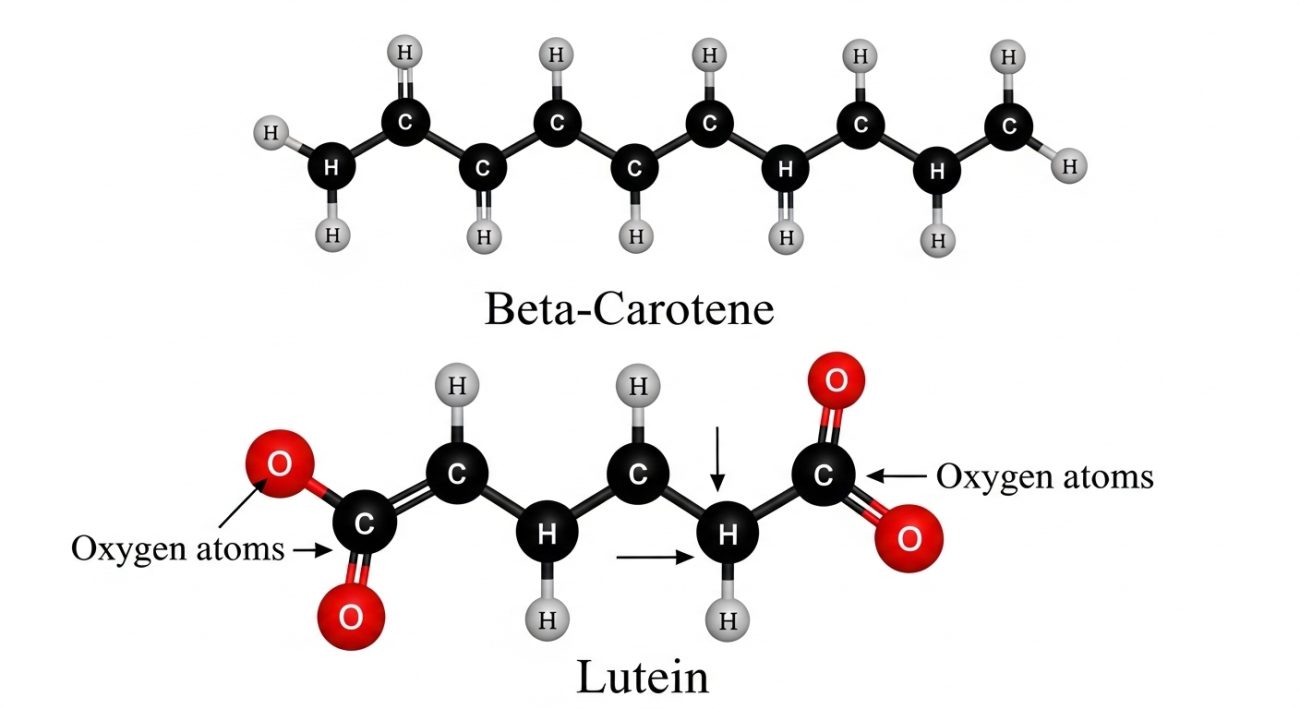
Carotenes and xanthophylls represent the two major sub-classes of carotenoids, distinguished primarily by their oxygen content. Carotenes, such as lycopene and beta-carotene, are pure hydrocarbons, while xanthophylls, including lutein and zeaxanthin, contain oxygen atoms. This structural difference determines their specific light-absorption properties and their functional roles within the plant’s chloroplasts.
Our technical specifications for natural extracts often categorize these pigments based on their chemical stability and solubility. To help you understand the diversity of these natural plant pigments, we have organized the primary entities in the table below:
| Carotenoid Type | Key Pigment | Common Source | Primary Benefit |
| Carotene | Lycopene | Tomatoes | Heart Health & UV Protection |
| Carotene | $\beta$-carotene | Carrots | Vitamin A Precursor (Retinol) |
| Xanthophyll | Lutein | Spinach | Macular Health & Blue Light Filter |
| Xanthophyll | Zeaxanthin | Orange Peppers | High-Intensity Light Protection |
While carotenoids provide the warm spectrum of yellows and oranges, they often work alongside other pigments. For instance, you can explore how they contrast with natural blue pigment in plants or complement the vibrancy of natural red pigment from plants in different species.
Why Nature Chose Orange: The Evolutionary Purpose
The evolutionary purpose of carotenoid accumulation in fruits and flowers is to serve as a high-visibility signaling mechanism for seed dispersal and pollination. By producing vivid orange and red hues, plants communicate “ripeness” to specific animal vectors, such as birds and mammals, who possess the necessary photoreceptors to identify these nutrient-dense food sources from a distance.
In our field observations, we have noted a clear correlation between pigment density and avian interaction. For example, birds are instinctively drawn to high-lycopene red berries. This symbiotic relationship ensures the plant’s genetic survival while providing the animal with essential antioxidants. This natural signaling is a far cry from the static green of the chlorophyll natural green pigment in plants, which serves to hide immature fruits from being eaten too early.
Maximizing Bioavailability: The Fat-Soluble Secret
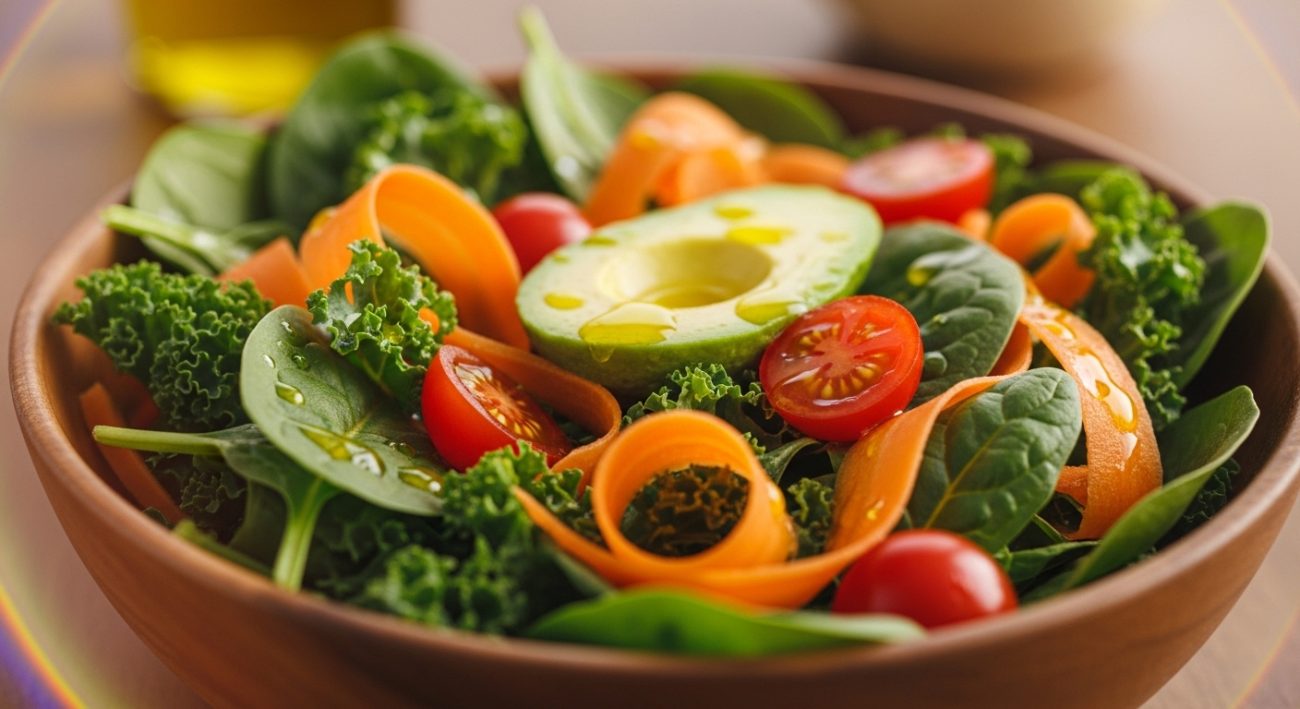
The human body’s ability to absorb carotenoids is strictly dependent on the presence of dietary fats because these pigments are lipophilic (fat-soluble). Without a lipid matrix to facilitate micelle formation in the digestive tract, up to 90% of these powerful antioxidants may pass through the system without being utilized for systemic health benefits.
Our team at BioBThriving advocates for science-backed consumption methods to ensure you get the most out of these phytochemicals. Based on industry best practices, follow these steps to increase absorption:
- Apply Heat: Lightly steaming or roasting vegetables like carrots breaks down tough cellulose cell walls, releasing the trapped pigments.
- Pair with Lipids: Always consume carotenoid-rich foods with healthy fats such as avocado, extra virgin olive oil, or nuts.
- Mechanical Processing: Pureeing or finely chopping greens increases the surface area for digestive enzymes to work on the pigments.
2026 Industry Trends: The Rise of Microbial Carotenoids
The future of the natural pigment industry is shifting toward microbial carotenoids produced through precision fermentation of algae and specialized yeast strains. This sustainable approach allows for the high-purity production of pigments like astaxanthin and beta-carotene without the seasonal variability, land use, or water consumption associated with traditional large-scale agriculture.
As a forward-thinking entity, we are monitoring how these bio-identical pigments offer a more stable and cost-effective alternative for the food and cosmetic industries. This shift represents a major milestone in reducing the environmental footprint of natural coloring agents while maintaining the “clean label” status that modern consumers demand.
Frequently Asked Questions
No, only “provitamin A” carotenoids like beta-carotene, alpha-carotene, and beta-cryptoxanthin can be converted by the body into retinol (Vitamin A). Other pigments, such as lutein and lycopene, do not have Vitamin A activity but provide other significant antioxidant benefits.
Carotenoids are present in the leaves throughout the growing season, but they are masked by the high concentration of green chlorophyll. In the autumn, as chlorophyll breaks down, the stable carotenoids are revealed, resulting in the yellow and orange fall foliage we observe.
While chemically similar, natural carotenoids often come in a complex matrix of co-factors and isomers that can enhance stability and absorption. BioBThriving emphasizes natural extraction to preserve these synergistic benefits that are often lost in purely synthetic versions.

