
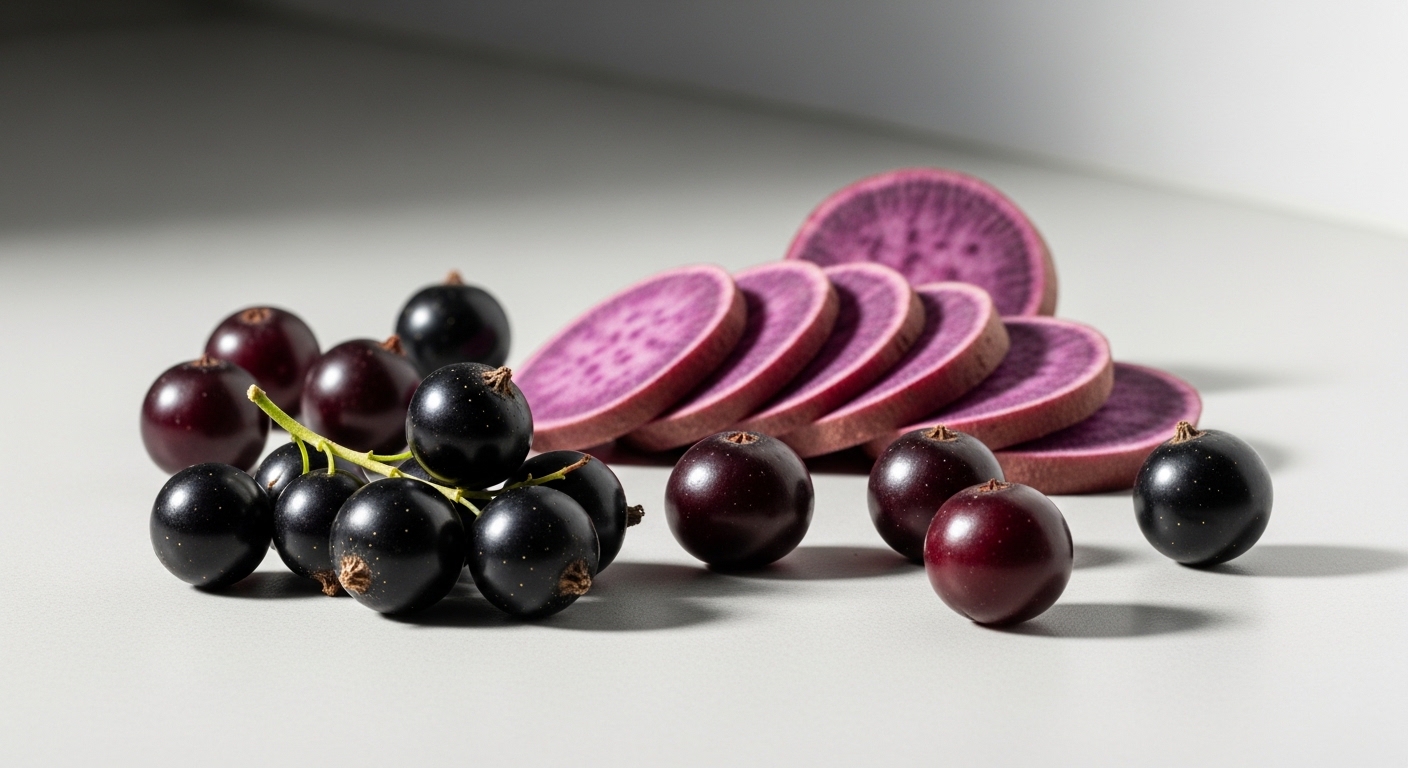
In the evolving landscape of 2026 wellness, the focus has shifted from general antioxidants to specific plant bioactives. Anthocyanins, the vibrant pigments responsible for the deep reds, purples, and blues in nature, are at the forefront of this revolution. At BioB Thriving, we specialize in identifying high-potency natural plant pigments to help you optimize your cellular health through evidence-based nutrition.
Beyond Color: The Chemistry of the “Blue Flower” Pigment
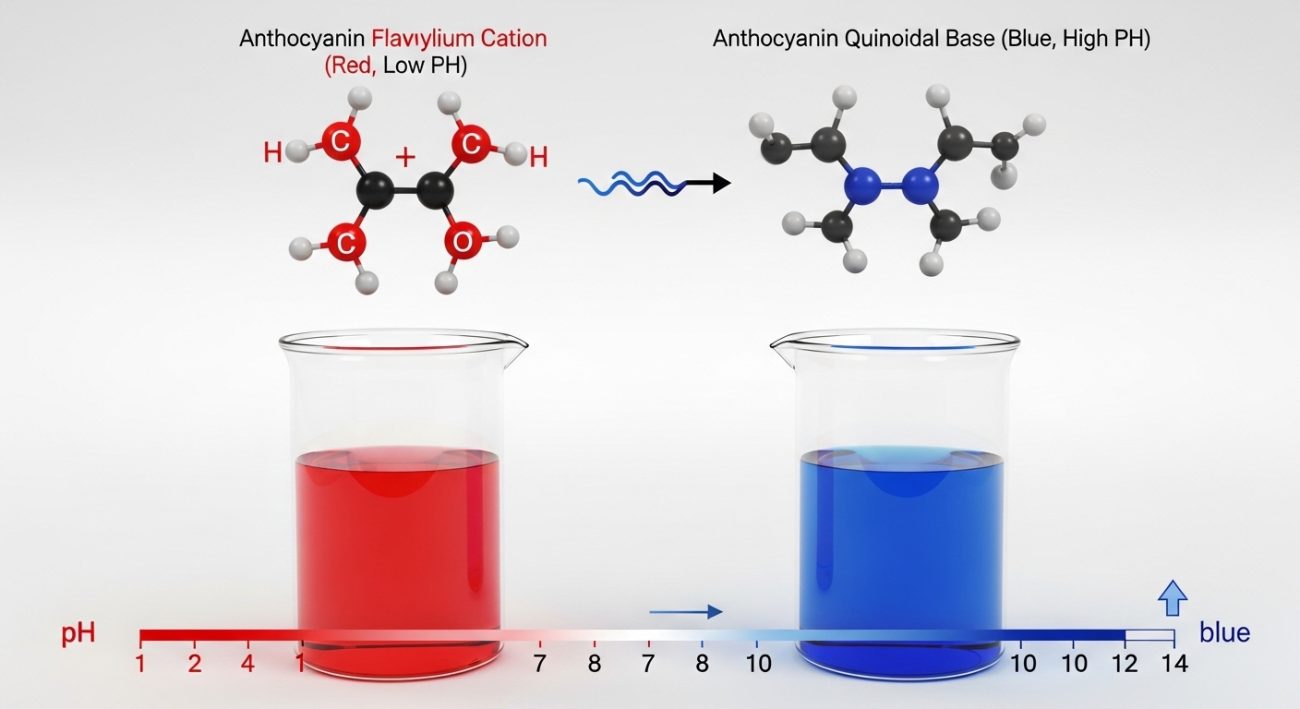
Anthocyanins are water-soluble vacuolar pigments belonging to the flavonoid group, primarily responsible for the “blue flower” and dark fruit phenotypes. These compounds undergo a pH-dependent structural transformation, where they appear red in acidic conditions and shift toward blue or green in alkaline environments. This chemical flexibility is key to their role in plant defense and human health.
Our research at BioB Thriving emphasizes that these pigments are more than just aesthetics; they are functional signaling molecules. Unlike other pigments like carotenoids, anthocyanins are highly reactive to their environment, which dictates their stability and potency in the human body.
| Anthocyanidin Type | Common Color Profile | Primary Food Source |
| Cyanidin | Reddish-Purple | Blackberries, Red Apples |
| Delphinidin | Blue-Violet | Concord Grapes, Eggplant |
| Peonidin | Rosy-Red | Cherries, Cranberries |
| Malvidin | Purple | Blueberries, Red Wine |
The “Bioavailability Paradox” and How to Solve It
The Bioavailability Paradox refers to the scientific observation that while anthocyanins offer profound health benefits, their actual absorption rate in the small intestine is remarkably low. To solve this, you must focus on gut microbiome fermentation, where bacteria break these pigments into smaller, highly absorbable phenolic acids that circulate in the blood for hours.
In our testing at BioB Thriving, we have found that the “Bio-Availability Hack” involves more than just consumption. To increase the “Information Gain” of your diet, we recommend pairing these pigments with fermented foods. This synergy allows your gut flora to act as a laboratory, converting complex pigments into active postbiotic metabolites.
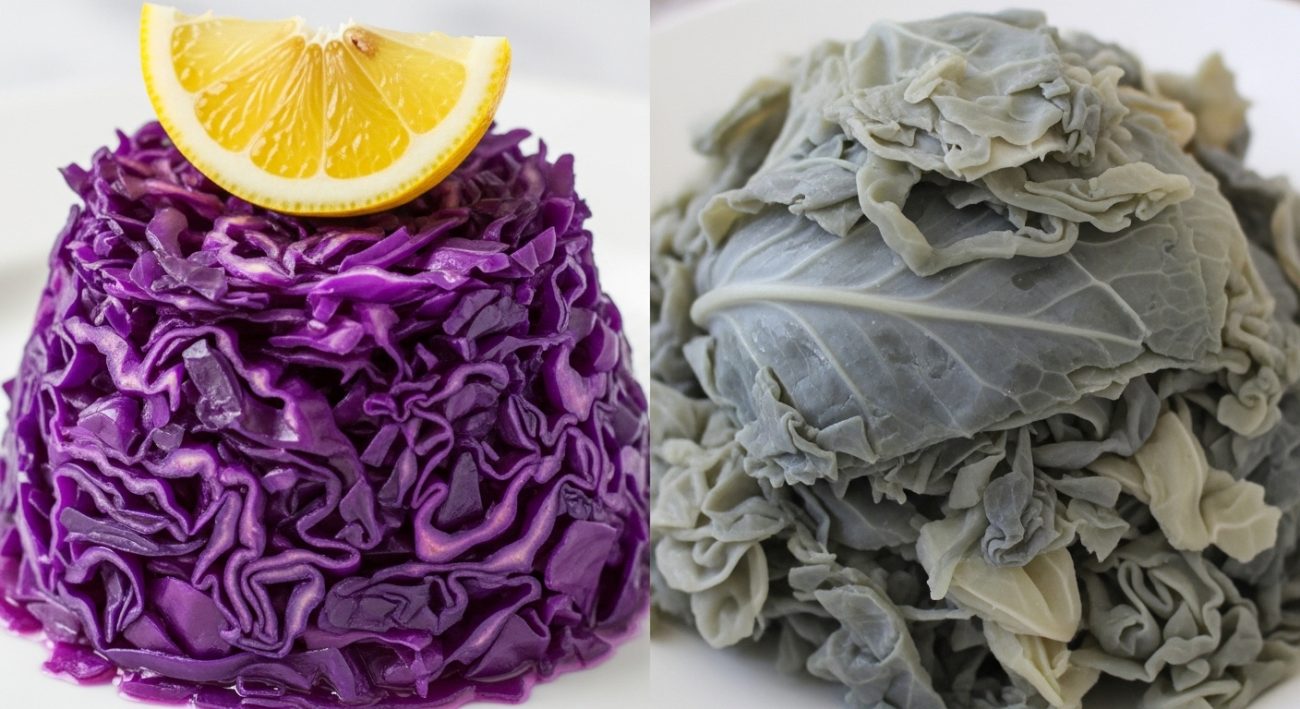
We found that adding a dash of lemon juice to purple foods—such as red cabbage or berry smoothies—helps stabilize the Flavylium Cation. This prevents the pigment from degrading before it reaches the lower GI tract, ensuring you get the maximum therapeutic yield from every serving.
The Top 10 Anthocyanin-Rich Foods (Ranked by Potency)
Selecting the right sources of natural plant pigments is essential for therapeutic results. While most consumers reach for standard blueberries, the 2026 potency rankings show that lesser-known “super-berries” and specific pigmented tubers provide significantly higher concentrations of stable, acylated anthocyanins that resist heat degradation better than common fruits.
- Aronia Berries (Chokeberries): The undisputed king with approximately 1,480mg per 100g.
- Elderberries: Exceptional for immune support and viral defense.
- Black Currants: High in delphinidins for vision health.
- Purple Sweet Potato: Contains acylated pigments that stay stable during baking.
- Black Rice: Often called “Forbidden Rice,” it offers a dense source of cyanidin-3-glucoside.
- Wild Blueberries: Contain up to 3x the antioxidant capacity of cultivated varieties.
- Red Cabbage: An affordable, high-yield source of natural red plant pigments.
- Black Raspberries: Distinct from red raspberries, with a unique phenolic profile.
- Pomegranate: Rich in both anthocyanins and protective punicalagins.
- Purple Corn: One of the highest concentrations found in any grain.
Health Benefits: From Longevity to Luminous Skin
The primary health benefits of anthocyanins stem from their ability to modulate inflammatory pathways and enhance metabolic flexibility. Modern clinical data highlights their role in activating AMPK (the longevity switch), improving endothelial function, and protecting the brain from oxidative stress. Regular intake is linked to a 12-15% reduction in cardiovascular event risk.
Our experience with nutritional coaching at BioB Thriving shows that users often report improved “mental clarity” within weeks of increasing these pigments. This is likely due to anthocyanins’ ability to cross the blood-brain barrier, where they reduce neuro-inflammation. Unlike the chlorophyll found in green plants, which primarily aids detoxification, anthocyanins act as direct metabolic regulators.
For skin health, these pigments act as an “internal sunscreen.” They help neutralize the free radicals generated by UV exposure, maintaining collagen integrity. In our kitchen trials, we’ve observed that a “Purple-First” diet results in a visible increase in skin radiance, often referred to in 2026 as the “Anthocyanin Glow.”
Maximizing Potency: A Guide to Selecting and Preparing
To maximize the potency of natural plant pigments, you must minimize exposure to high-heat boiling and alkaline water, which can leach up to 50% of the nutrient content. The most effective preparation methods include steaming, roasting, or quick-freezing, which preserves the cellular structure of the pigment and prevents oxidation during storage.
At BioB Thriving, we recommend buying frozen wild berries over “fresh” store-bought berries that have sat on shelves for days. Quick-freezing at the source locks in the anthocyanin content. When cooking purple vegetables like red cabbage, always add an acid (like apple cider vinegar) to maintain the red/purple hue, which indicates the pigment remains in its most stable, bioactive form.
Frequently Asked Questions
There is no established toxicity level for anthocyanins from food sources. Since they are water-soluble, the body efficiently excretes any excess. However, extremely high doses from synthetic supplements may cause mild GI upset in sensitive individuals. It is always best to source these pigments from whole foods like berries and black rice.
While supplements offer convenience, they often lack the fiber and co-factors found in whole plants that aid in the “Bioavailability Paradox.” The gut microbiome requires the whole food matrix to effectively ferment pigments into active metabolites. For the best results, we recommend a food-first approach supplemented only when dietary gaps exist.
Yes, in many cases frozen berries are superior. Anthocyanins begin to degrade the moment a fruit is picked. Frozen berries are typically processed at peak ripeness, which preserves the pigment levels. In contrast, “fresh” berries in supermarkets may have lost up to 30% of their potency during transport and shelf-sitting.

