
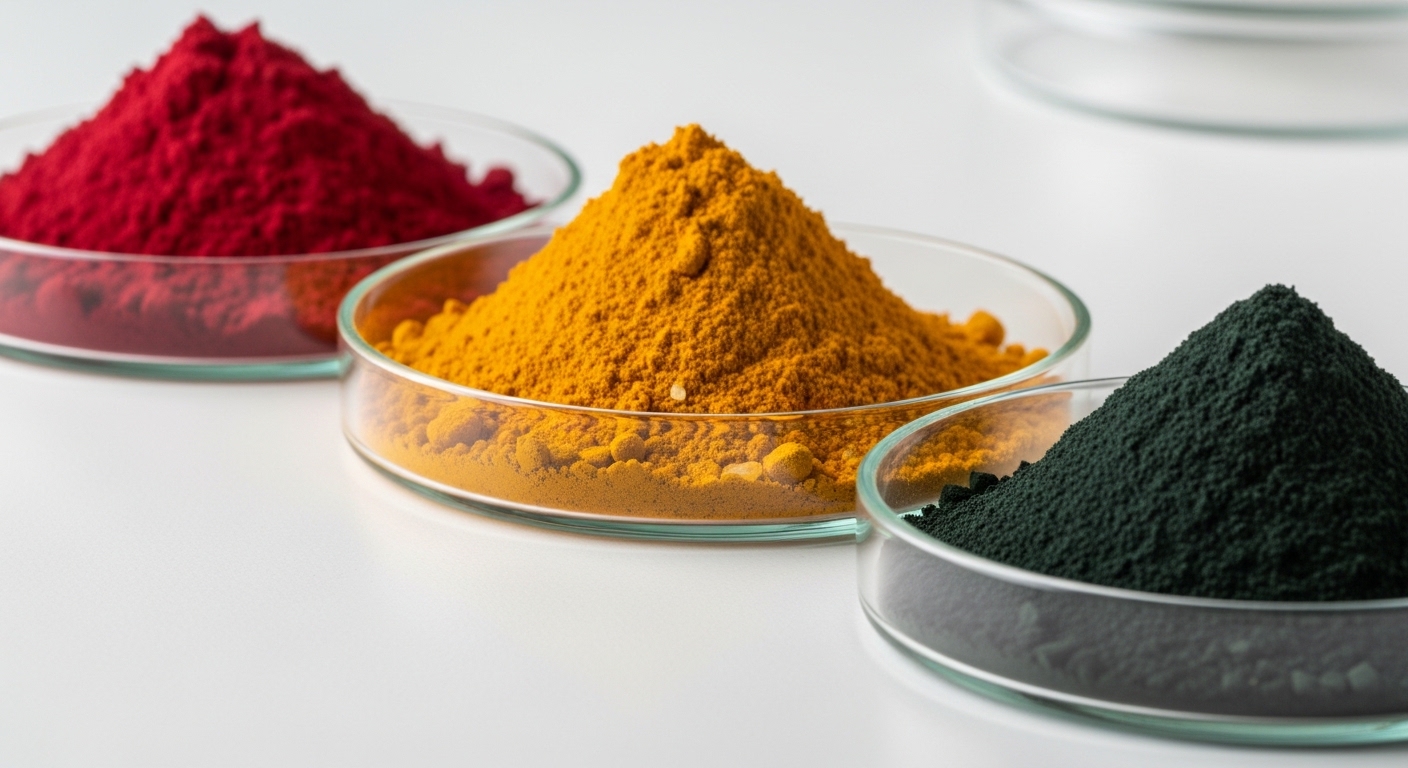
Natural plant pigments are organic compounds derived from fruits, vegetables, and minerals that provide vibrant colors to industrial products. For B2B manufacturers in the food, pharmaceutical, and cosmetic sectors, these pigments serve as clean-label alternatives to synthetic dyes. The primary classes of botanical pigments—including carotenoids, anthocyanins, and chlorophyll—are valued for their high antioxidant properties and consumer-friendly appeal.
For procurement managers, selecting the right pigment involves balancing color intensity with technical stability. As global regulations tighten around synthetic additives, understanding the functional applications of these botanical extracts is essential for maintaining a competitive edge in the European market.
Understanding the Classification of Botanical Pigments
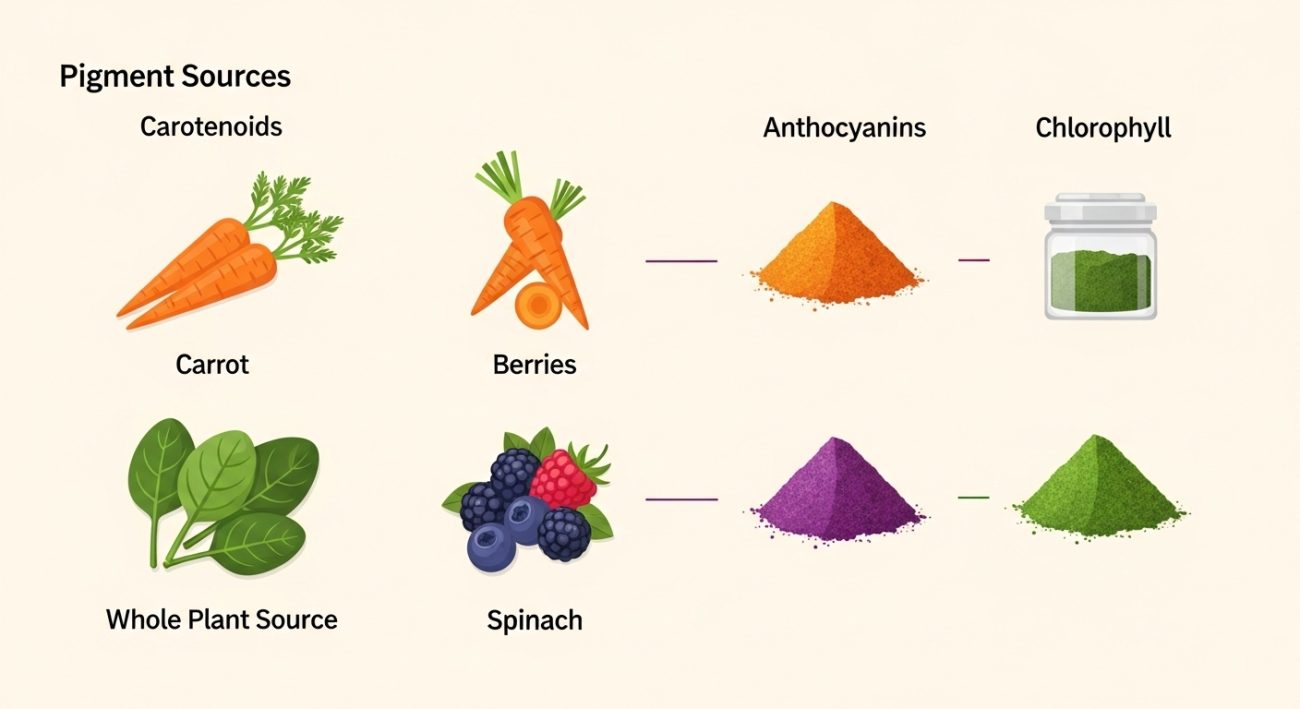
Botanical pigments are categorized based on their chemical structure and solubility. Each group reacts differently to environmental factors like heat and light, making correct classification a priority for product development leads. Identifying the types of natural plant pigments early in the formulation phase prevents costly stability issues during mass production.
Carotenoids: Sourcing Fat-Soluble Yellows and Oranges
Carotenoids are the most widely distributed pigments in nature, responsible for the bright yellow, orange, and red hues found in carrots, marigolds, and tomatoes. These pigments are typically fat-soluble, making them ideal for oil-based formulations like softgels, spreads, and certain cosmetic creams.
Beyond their coloring power, carotenoids like Beta-carotene and Lutein are highly stable under heat but can be sensitive to oxidation. B2B buyers often prioritize microencapsulated carotenoids to improve their water dispersibility in beverage applications.
Anthocyanins: pH-Sensitive Reds, Purples, and Blues
Anthocyanins provide the striking reds and purples seen in berries, grapes, and purple sweet potatoes. Unlike carotenoids, anthocyanins are water-soluble and highly sensitive to pH levels. In acidic environments (low pH), they appear bright red, while shifting toward blue or green as the pH rises.
Formulators must carefully monitor the acidity of their base product when using anthocyanins. These pigments are excellent for beverages and fruit-based snacks where a “natural red” label is required without using carmine or synthetic Red 40.
Chlorophyll and Copper Chlorophyllin for Stable Greens
Chlorophyll is the green pigment essential for photosynthesis, sourced primarily from alfalfa, spinach, and grasses. While natural chlorophyll is sensitive to light and acid, its derivative—Sodium Copper Chlorophyllin—offers significantly higher stability for industrial use.
This modified pigment is widely used in the pharmaceutical industry for coating tablets and in the personal care sector for soaps and lotions. It provides a deep, consistent green that withstands the rigors of shelf-life testing in retail environments.
Industrial Applications: How Natural Plant Pigments are Used Today
The shift toward “clean label” ingredients has moved natural plant pigment use from niche health products to mainstream industrial manufacturing. European B2B buyers now seek standardized extracts that offer repeatable color results across large production batches.
Clean-Label Food and Beverage Formulations
In the food industry, natural pigments replace controversial azo-dyes. Beverages, confectionery, and dairy products rely on these extracts to meet consumer demand for recognizable ingredients. Because these pigments often come from edible fruits and vegetables, they can sometimes be classified as “coloring foods” rather than additives, simplifying the ingredient list for the final consumer.
Natural Colorants in Nutraceutical Supplements and Softgels
The nutraceutical industry uses pigments not only for aesthetics but also for their inherent functional benefits. For example, Curcumin serves as both a yellow colorant and a core active ingredient. In tablet manufacturing, pigments help distinguish different dosages and protect light-sensitive active pharmaceutical ingredients (APIs) by providing an opaque coating.
Cosmetic and Personal Care Grade Plant Pigments
The “Green Beauty” movement has accelerated the demand for botanical pigments in lipsticks, blushes, and skincare. Manufacturers require high-purity monomers that offer intense pigmentation without the heavy metal risks associated with some mineral-based colors. Extracts from beetroot and spirulina are common choices for brands targeting eco-conscious European consumers.
Technical Selection Criteria for European Procurement Managers
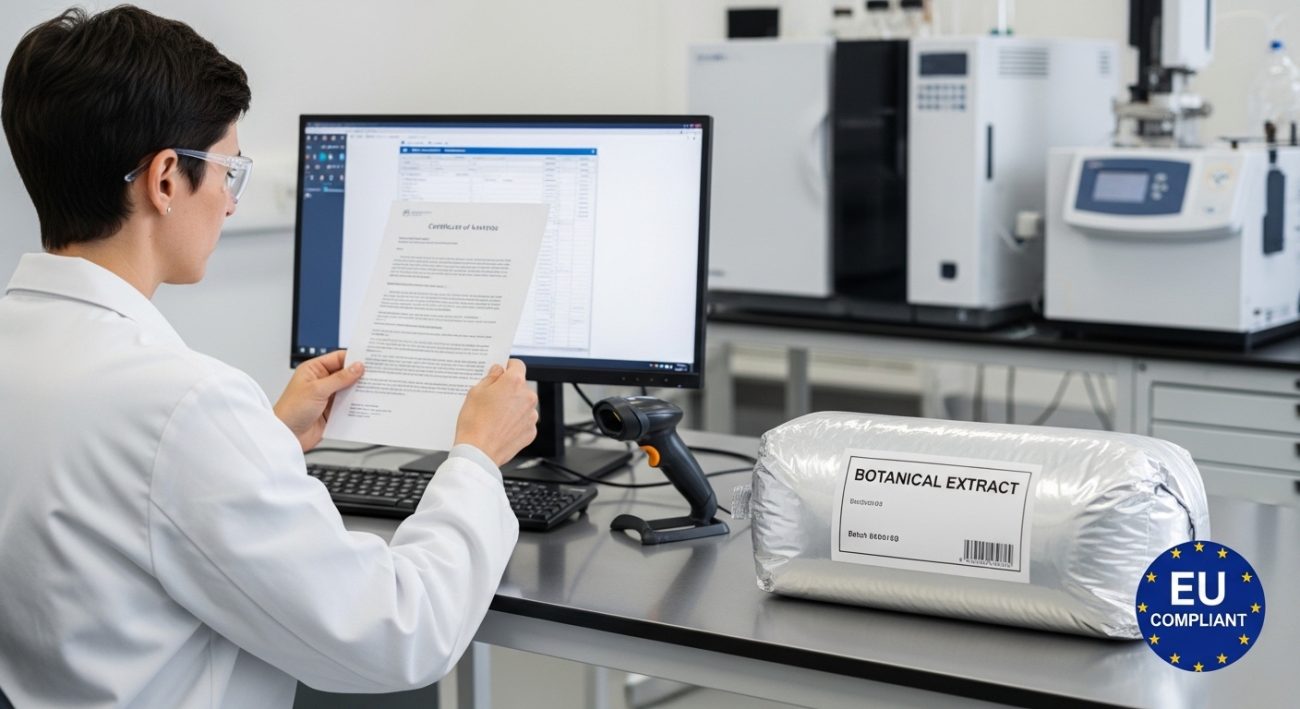
Procurement involves more than finding a color match; it requires a deep dive into technical data sheets. European buyers must ensure that every botanical extract meets rigorous safety standards and performs consistently under specific manufacturing conditions.
Navigating EU Regulatory Compliance (E-Numbers vs. Coloring Foods)
European regulation (EC 1333/2008) distinguishes between food colors (which have E-numbers) and coloring foods (which are processed fruit/vegetable concentrates). Navigating this distinction is critical for label transparency. B2B suppliers must provide clear documentation showing whether an extract is an additive or a food ingredient. This clarity helps QA/RA teams avoid compliance hurdles during product registration in various EU member states.
Solubility Requirements: Water-Soluble vs. Oil-Dispersible Formats
The physical format of the pigment determines its success in the final matrix. A water-soluble pigment will fail in a chocolate coating, just as an oil-dispersible powder will clump in a clear vitamin water. Manufacturers often provide specialized formats, such as emulsions or spray-dried powders, to ensure the pigment integrates seamlessly into the production line without spotting or sedimentation.
Why Source Botanical Pigments from Xi’an B-Thriving?
Xi’an B-Thriving I/E Co., Ltd. specializes in high-purity botanical extracts designed for the demanding B2B market. We understand that procurement managers need more than just a raw material; they need a reliable supply chain and technical transparency.
Our facility provides standardized extracts including Anthocyanins, Curcumin, and Spirulina extract. Every batch undergoes stringent quality control, including HPLC testing to ensure potency and purity. By offering comprehensive COA (Certificate of Analysis) and technical support, we help our partners navigate the complexities of formulation and regulatory approval. Whether you require bulk supply or custom OEM support, we focus on delivering ingredients that meet international safety standards.
Frequently Asked Questions
Natural pigments vary in heat stability, with carotenoids generally performing better than anthocyanins. For high-heat applications like UHT beverages or baking, manufacturers often use stabilized or microencapsulated versions to prevent color degradation during the thermal process.
Pigments are generally insoluble particles that require a carrier or binder, whereas dyes are soluble substances that chemically bond to the substrate. In botanical extracts, the term “pigment” refers to the natural color-producing molecule found within the plant’s cellular structure.
Most pigments derived from edible fruits and vegetables, such as beetroot red (E162) and carotenoids (E160a), are approved in the EU. For a strictly “clean label” approach, manufacturers often opt for “coloring foods,” which are concentrates that do not require an E-number on the packaging.
The pH level significantly impacts water-soluble pigments like anthocyanins, which shift from red in acidic conditions to blue or purple in alkaline environments. Stability and color hue are managed by adding acidulants or buffers to the formulation to maintain the desired visual outcome.
Yes, carotenoid-based pigments like annatto or marigold extract are naturally lipophilic and blend easily into oils and waxes. For water-soluble pigments like spirulina or beetroot, manufacturers use specialized oil-dispersible powders to ensure even color distribution in cosmetic balms and lipsticks.

