
Monk Fruit Extract Production begins long before extraction itself. It starts with raw material judgment, process control, and a clear understanding of what buyers expect from a modern natural sweetener. At B-Thriving, we view this process not as a simple conversion of fruit into powder, but as a complete quality system designed to support food, beverage, supplement, and formulation manufacturers.
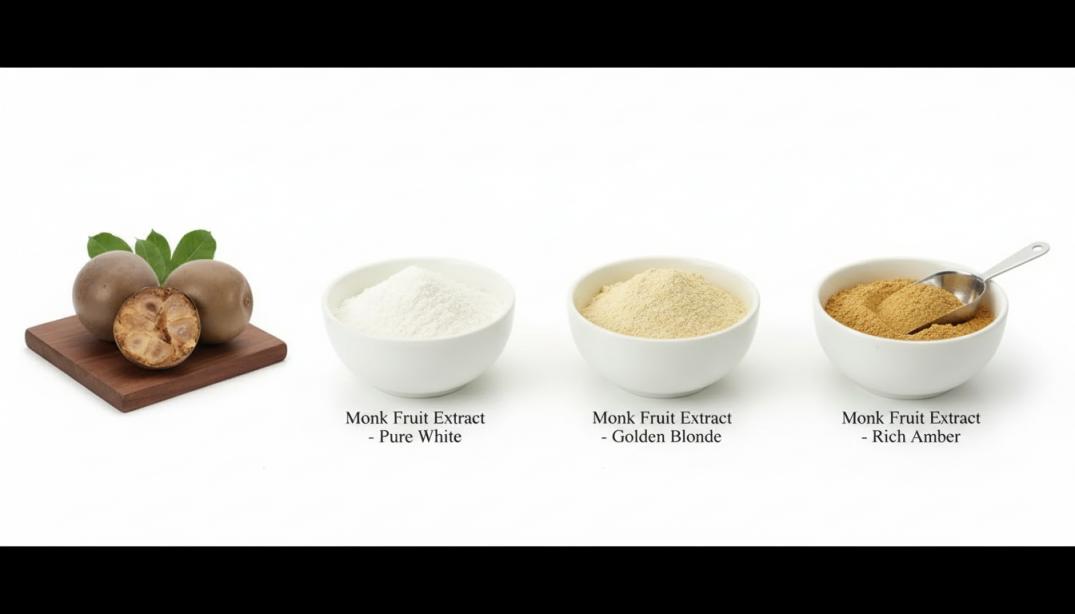
Monk fruit extract is widely recognized because its sweetness comes mainly from mogrosides, especially mogroside V, and the ingredient is reported by the U.S. FDA to be 100 to 250 times sweeter than sugar, depending on mogroside content. FDA also notes that monk fruit extract is used as a general-purpose sweetener and tabletop sweetener, which helps explain its growing commercial relevance.
Why Monk Fruit Extract Production Matters More Today
The market no longer evaluates botanical ingredients on sweetness alone. Buyers also look at purity, batch consistency, testing standards, storage performance, and regulatory readiness. That is especially true for monk fruit extract, because it often enters applications where label clarity and sugar reduction both matter.
A strong Monk Fruit Extract Production process helps clients achieve several practical goals:
• Support low-sugar or no-added-sugar product development
• Improve formulation efficiency because high sweetness is delivered at low use levels
• Reduce uncertainty in sourcing by using defined test methods and clear specifications
• Build more confidence in stability, appearance, and handling during storage and transport
In addition, published research continues to describe mogrosides as biologically active compounds with antioxidant potential, which adds broader interest beyond sweetness alone. Recent review literature also points out that mogrosides remain commercially important, even though production is still influenced by cultivation limits and yield challenges.
From Herb Selection to Controlled Input Quality
A reliable finished extract depends on disciplined work at the beginning. At B-Thriving, we place strong attention on raw material selection because plant quality directly shapes extraction quality. Origin, visual condition, and chemical profile all affect the usefulness of the final batch.
This stage is often underestimated by buyers. However, poor botanical input can create avoidable variation later in the process. That is why careful herb collection and supplier control are not just technical steps. They are practical safeguards for clients who need dependable production planning.
Our team translates this into client value in several ways:
• More consistent raw material input can support better batch-to-batch uniformity
• Better herb screening can reduce downstream quality risk
• Stronger source control can improve confidence for regulated and quality-sensitive markets
• Early quality decisions can reduce rework, delays, and unnecessary process loss
For companies comparing suppliers, this is an important point: Monk Fruit Extract Production should begin with measurable standards, not only with equipment claims.
The Processing Stage That Protects Ingredient Value
After selection comes the stage where technical capability matters most. B-Thriving uses advanced pulverizing technology designed to preserve volatile compounds and active constituents while enabling fine particle milling for hygroscopic and aromatic botanicals. For clients, this is useful because it supports a more controlled and functional powder profile rather than a rough or unstable ingredient form.
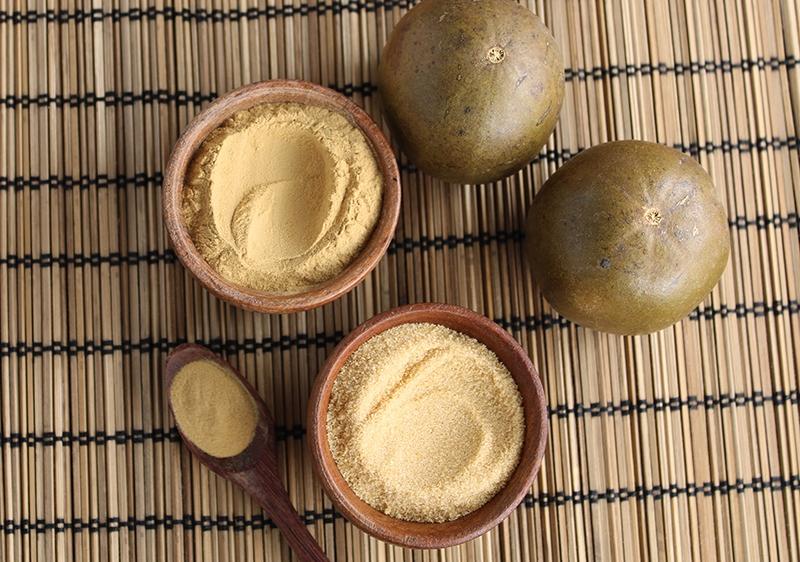
Our modern drying approach is equally important. Drying is not simply a finishing step. It directly affects contamination risk, storage behavior, and final usability. According to the process principles widely reflected in WHO guidance for herbal medicine quality, quality must be built through controlled handling, appropriate standards, and validated testing methods rather than assumed at the end.
In practical terms, that means better processing can help clients in the following areas:
• Lower concern around microbial burden and foreign matter
• Better handling performance for hygroscopic materials
• Improved readiness for downstream blending, filling, or formulation
• Stronger alignment with quality documentation expectations
This is where Monk Fruit Extract Production moves from raw plant processing into ingredient manufacturing.
What Buyers Should Know About the Finished Product
At the product level, monk fruit extract must be understandable, testable, and commercially usable. B-Thriving offers monk fruit extract with the following reference information:
• Active Ingredient: Mogroside IV 5%–50%
• Test Method: HPLC
• Appearance: Yellow Or Off-White Fine Powder
• Packaging: 25 KG/Drum
• Shelf Life: Three Years
These are not just specification lines. Each one answers a buyer concern.
By offering a defined mogroside range, suppliers can help customers match ingredient grades to specific sweetness requirements and positioning plans. HPLC analysis further strengthens traceable quantitative control, especially in procurement review and supplier selection. A fine powder appearance can support easier use in production environments. 25 KG/drum packaging is practical for industrial handling and inventory management. A three-year shelf life is also commercially useful because it supports planning flexibility for long-cycle purchasing and global distribution.
FDA GRAS documentation also shows that monk fruit extracts on the market can vary substantially by mogroside V concentration, including products from low percentages up to highly purified formats. That variation is one reason buyers should review extract grade and intended application together, rather than treating all monk fruit extracts as identical.
How Testing and Compliance Build Customer Confidence
A finished extract only becomes a trustworthy ingredient when testing confirms what production claims. At B-Thriving, our in-house laboratory performs testing throughout the manufacturing cycle, from raw material inspection to final product analysis. This helps us monitor purity, potency, and safety at multiple stages instead of relying on one final check.
We also work in line with the standards philosophy reflected in pharmacopoeial and herbal quality frameworks. WHO describes pharmacopoeias as public tools that maintain medicine quality by setting recommended procedures, specifications, and analytical standards. That matters to buyers because it connects supplier claims to recognized quality logic.
For clients, the benefit is direct:
• Clearer quality documentation
• Better support for supplier evaluation
• More confidence in purity and safety review
• Stronger readiness for long-term business relationships
This is also why continuous improvement matters. In botanical ingredients, market expectations change. Testing systems, process reviews, and R&D input help manufacturers stay aligned with new application needs and higher customer standards.
What B-Thriving Delivers Through Monk Fruit Extract Production
At B-Thriving, we see Monk Fruit Extract Production as a complete value chain, from herb selection to finished extract readiness. The goal is not only to produce a sweetener. The goal is to help clients source an ingredient that is easier to understand, easier to qualify, and more practical to use.
For food brands, this means support for sugar-reduction strategies. For supplement companies, it means access to a natural sweetening ingredient with recognized market appeal. For distributors and formulators, it means a clearer path to product matching based on specification, testing, and processing logic.
If your team is evaluating monk fruit extract for food, beverage, dietary supplement, or personal care applications, contact B-Thriving to discuss the right mogroside range, test requirements, packaging format, and supply expectations for your project. A better sourcing decision starts with a better understanding of how the extract is made.

