
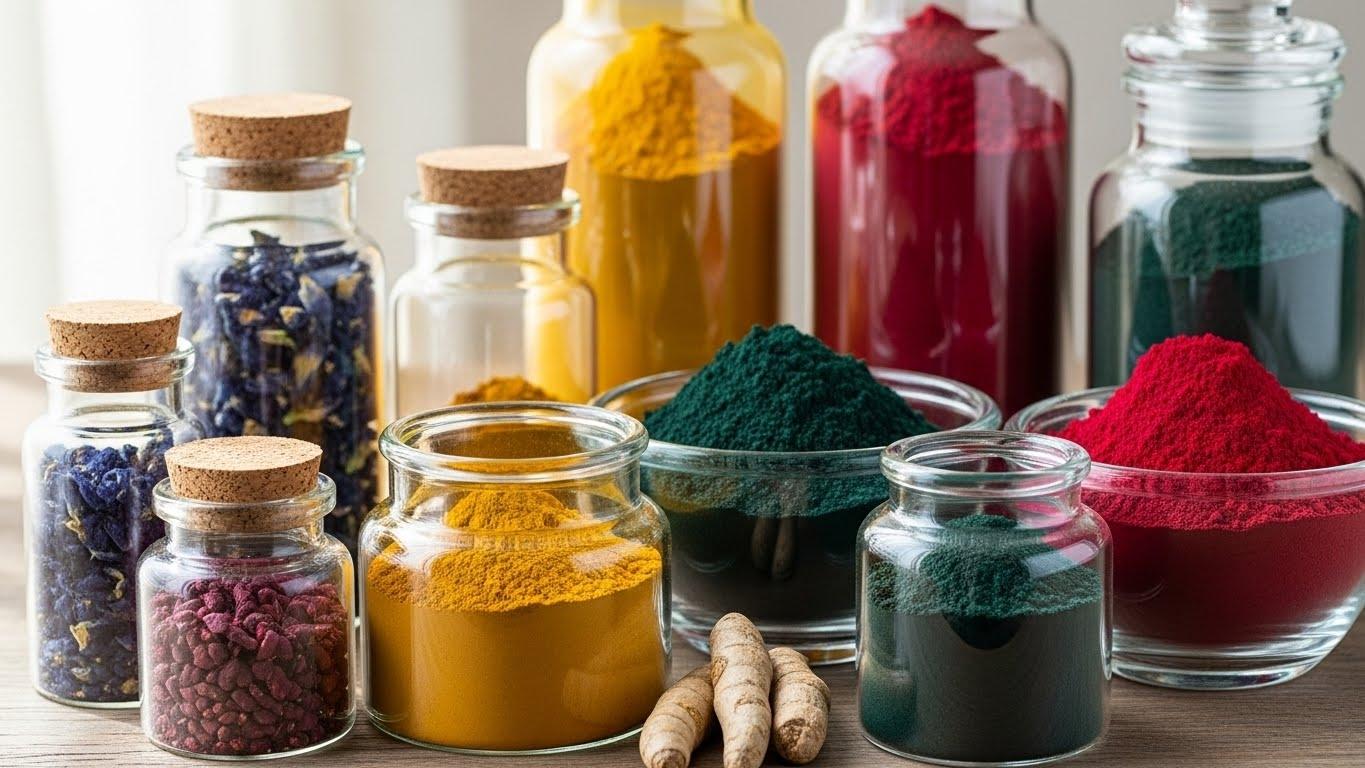
Bio Pigment From Herbs is moving from niche ingredient to mainstream solution as brands in food, beverages, supplements, and cosmetics look for ways to clean up their labels. At B-Thriving, we see this shift when manufacturers come to us asking for one thing: a way to keep strong, attractive colors without relying on synthetic dyes. The core question they ask is simple but important – can we really replace artificial colorants with plant-based pigments and still protect product performance, shelf life, and cost?

Why Brands Are Moving Away from Synthetic Colors
For many producers, switching from synthetic colors is no longer just a marketing choice; it is a strategic necessity. Consumers are reading ingredient lists line by line. Retailers are introducing “free from artificial colors” categories. Regulations are evolving, and large international brands are pledging to remove certain synthetic dyes from their portfolios. All of this creates a pressure that is easy to feel but hard to handle at the factory level. Reformulation projects take time, and every change has to be validated across production lines, packaging formats, and markets.
The frustration usually starts with instability. Early generations of natural pigments were often beautiful in the lab but unpredictable in real products. Colors might fade under light, shift after pasteurization, or vary from batch to batch because the raw material came from different harvests. For a brand manager trying to keep a yogurt or beverage line consistent across thousands of stores, this was a real headache. Bio Pigment From Herbs aims to remove that uncertainty by combining botanical sources with modern processing and strict quality systems.
Instead of relying on petroleum-derived or purely synthetic molecules, we work with plants such as beetroot, purple cabbage, gardenia, acai berry, elderberry, cranberry, grape skin, bilberry, and hibiscus sabdariffa. These botanicals naturally contain anthocyanins, carotenoids, and other pigments that deliver deep reds, purples, oranges, yellows, and even rare blues. The color is not the only story. These same compounds are linked with antioxidant activity and a more “wholesome” perception, giving brands a chance to talk about both visual appeal and natural origin in a single ingredient choice.
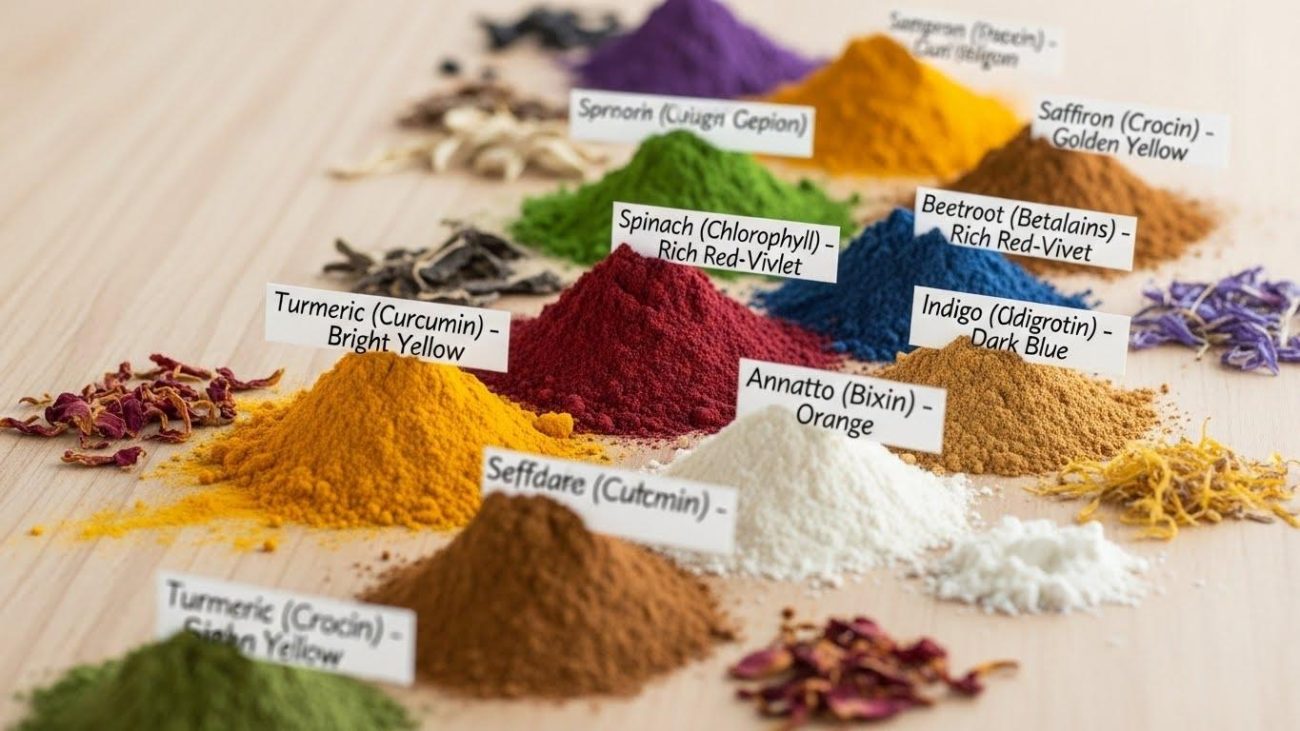
At B-Thriving, we invest heavily in herbal extraction technology to make sure the sensitive plant compounds are preserved rather than damaged. Our processes are designed to keep color intensity high, maintain the integrity of antioxidants, and protect delicate aromatic notes. Fine pulverizing and controlled processing help minimize the loss of volatile components while still delivering powders and extracts that integrate smoothly into modern formulations. For our customers, this means Bio Pigment From Herbs can support a clean-label positioning without forcing them to compromise on product quality.
How B-Thriving Turns Herbs into Reliable Color Solutions
One of the most common misconceptions about natural color is that it is “one size fits all.” In reality, each application needs a specific solution. That is why our Bio Pigment From Herbs portfolio is structured around real-world needs across different industries rather than a generic color chart. A beverage manufacturer does not have the same processing conditions as a gummy producer or a skin-care brand, so the way pigments are selected and tested has to reflect that.
In foods and beverages, we often work with beetroot and purple cabbage extracts to achieve rich red and violet tones, with options that maintain their shade in typical pH ranges. Gardenia blue provides one of the rare natural routes to blue tones, which are traditionally dominated by synthetics. Curcumin and β-carotene offer warm yellow and orange notes that work well in juices, dairy alternatives, bakery items, and confectionery. By optimizing recipes and process parameters, manufacturers can use these plant-derived pigments under typical heating and filling conditions, making it possible to phase out artificial colors without major equipment changes.
In health products and nutraceuticals, color is not just visual; it is part of the story. When a powder blend or softgel is tinted with acai berry, elderberry, chokeberry, bilberry, or cranberry extracts, the deep purple or red shade supports the idea of berry antioxidants and natural phytonutrients. Bio Pigment From Herbs helps bridge the gap between functional benefits and sensory appeal, allowing formulators to create products that look and feel aligned with their positioning on immunity, vitality, or active lifestyle.
Cosmetics and personal care bring another set of requirements. Formulators ask for pigments that are compatible with oils, emulsions, and gels, stable in light and temperature, and safe for use near the eyes or lips. Here we work with plant pigments such as lycopene, lutein, astaxanthin, sodium copper chlorophyllin, zeaxanthin, and fucoxanthin. These ingredients help create tinted serums, masks, and lip products with a plant-forward narrative, while still delivering the sensory experience consumers expect from modern beauty and skin-care lines.

Behind every Bio Pigment From Herbs solution sits a technical framework that is designed for reliability. We focus on high purity levels so that the extracts meet strict global standards and integrate smoothly into regulated markets. Our extraction methods are tuned to protect sensitive nutrients while achieving the desired color strength. We invest in performance testing in real application matrices, rather than only in simple lab solvents, so we understand how a pigment will behave in your actual product. On top of that, competitive pricing, fast international shipping, and direct technical support make it possible for brands to scale their natural-color strategy instead of testing small pilots that never reach the market.
Can Bio Pigment From Herbs Truly Replace Synthetic Colors?
The question we hear most often is direct: can Bio Pigment From Herbs fully replace synthetic colors? The honest answer is nuanced. In many everyday applications, the switch is already successful. For juices, flavored waters, RTD teas, gummies, tablets, powdered drinks, snacks, and a wide range of baked goods, natural plant pigments now deliver color performance that meets brand expectations while supporting clean-label claims. In these cases, the conversation has shifted from “Is it possible?” to “How quickly can we roll this out across the portfolio?”
There are also categories where natural pigments offer more than just a replacement. In cosmetics and wellness products, consumers are willing to pay more for visible plant-derived ingredients and recognizable sources like berries or tomatoes. Here, the inclusion of Bio Pigment From Herbs can become a key part of the marketing narrative. A brand can highlight berry anthocyanins, carotenoids from tomatoes, or chlorophyll derivatives instead of listing synthetic dye codes that many shoppers now avoid. The color becomes a visible proof of the product’s natural inspiration.
At the same time, it would not be responsible to claim that natural pigments can already replace every synthetic color in every environment. Extremely bright neon shades, very harsh processing conditions, extreme pH values, or long-term exposure to strong light in transparent packaging can still pose challenges. These are precisely the areas where our R&D team at B-Thriving is most active, working on new blends of Bio Pigment From Herbs, protective carriers, and improved stabilization systems. With each development cycle, the performance gap narrows.
For most brands, the smartest path is not an overnight switch but a clear roadmap. Start with the product lines where natural color is already a strong fit. Gain experience with Bio Pigment From Herbs in those applications. Then gradually move into more demanding products as new pigment solutions and stabilization technologies become available. This stepwise approach reduces risk, spreads development cost over time, and allows your marketing and regulatory teams to build compelling stories around each reformulation.
At B-Thriving, we see Bio Pigment From Herbs as the direction in which the industry is heading, not a short-term trend. It aligns with regulatory pressure, consumer expectations, and the broader move toward more transparent supply chains. If your brand is planning to cut back on synthetic colors or phase them out entirely, now is a strategic moment to explore what is already possible with plant-based pigments.
Call to action: if you are curious about how Bio Pigment From Herbs could work in your specific application, we invite you to talk with our technical team. We can provide tailored samples, application advice, and color concepts designed around your product, process, and target market. Together, we can build the next generation of clean-label, plant-colored products that look as good as they perform.

